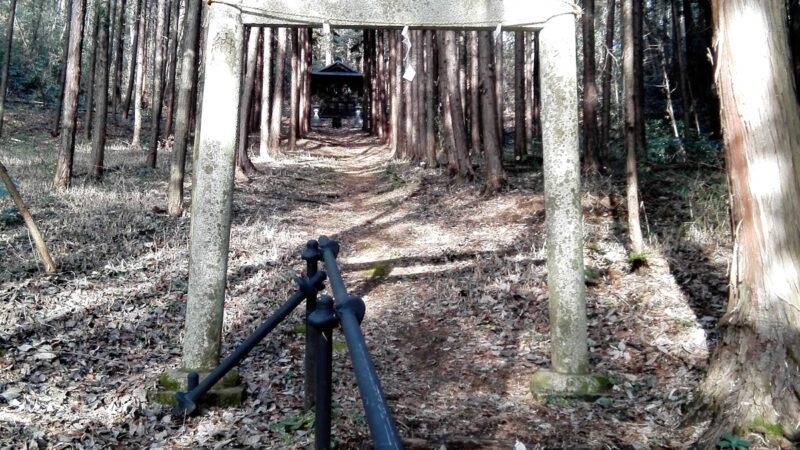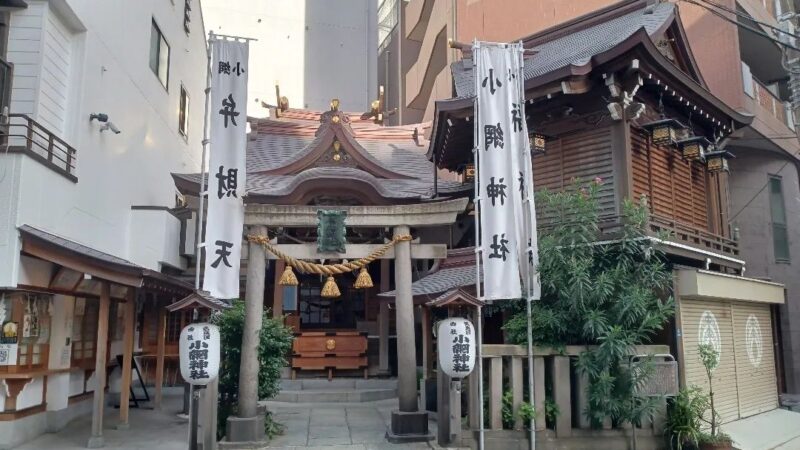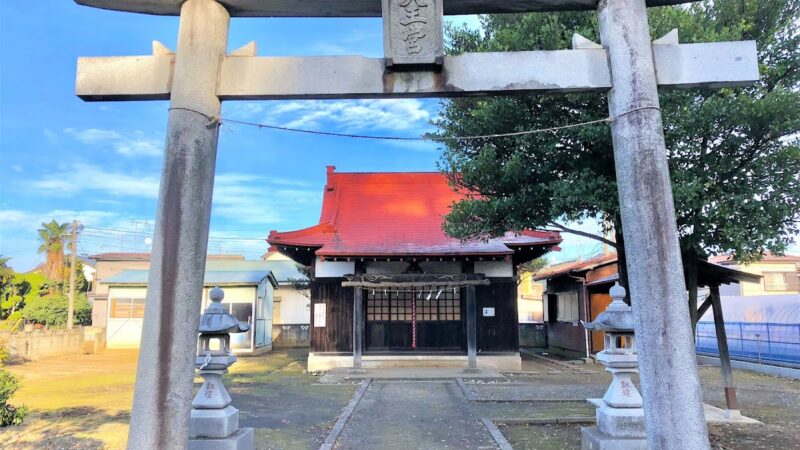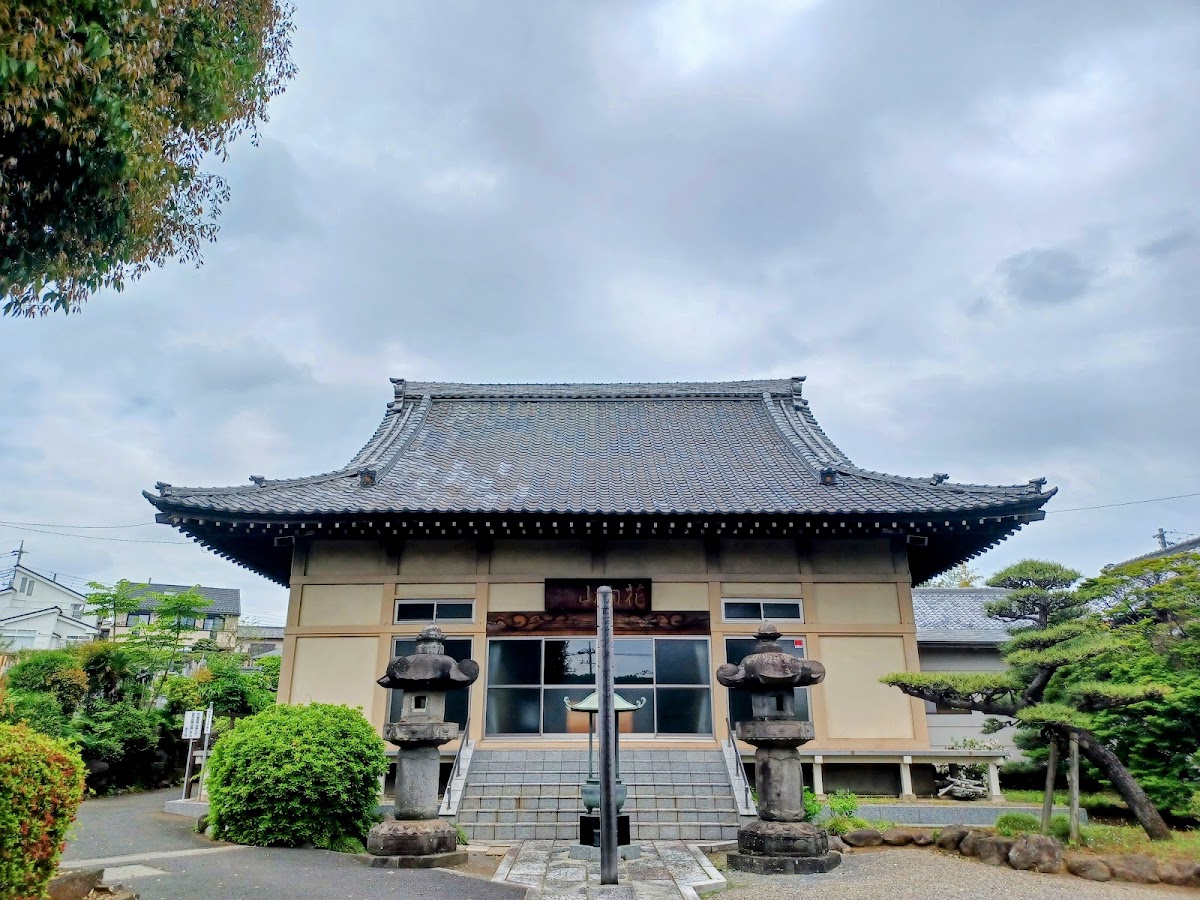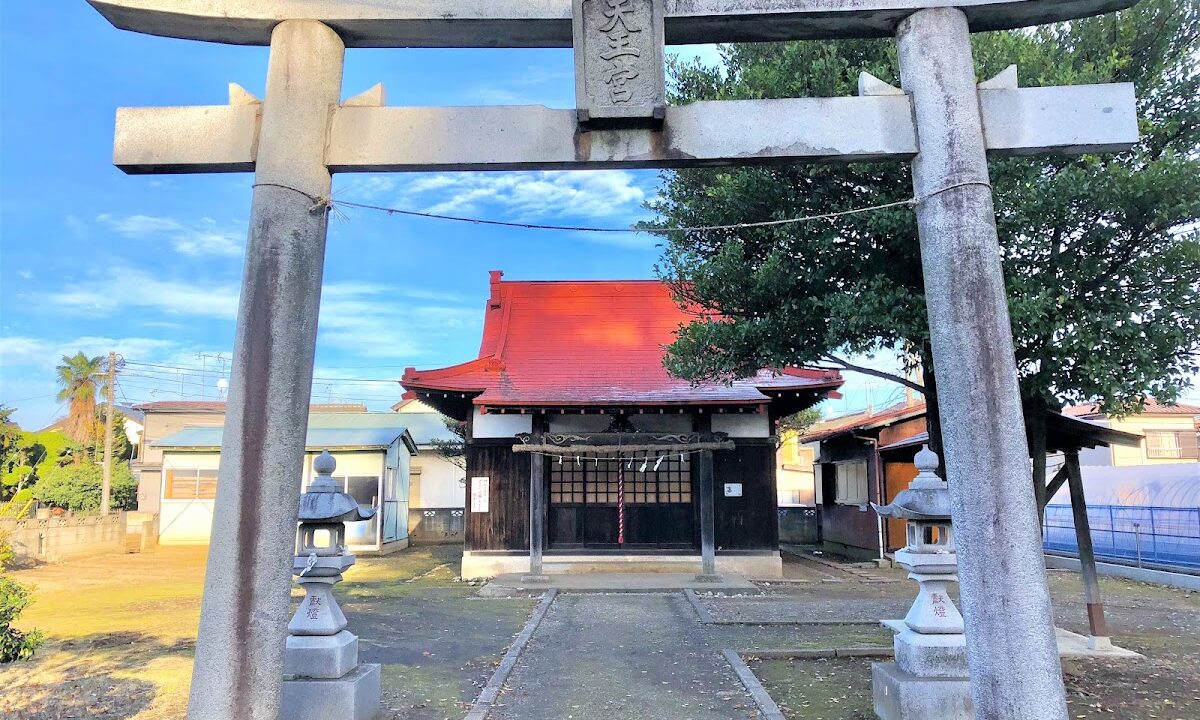
Nogiwa Shrine (Higashimurayama City, Tokyo) Complete Guide | History, Deities, Access, and Annual Festival Information
Nogiwa Shrine, located in Kumegawa-cho, Higashimurayama City, Tokyo, is a shrine that has long been revered as the local guardian deity. This article provides a detailed introduction to Nogiwa Shrine, including its history, enshrined deities, access methods, information on its annual festival, and highlights for visitors.
Basic Information on Nogiwa Shrine
Nogiwa Shrine is located at 3-35-1 Kumegawa-cho, Higashimurayama City, Tokyo, and belongs to the Kita-Tama Branch of the Tokyo Metropolitan Shrine Association.
Location
3-35-1 Kumegawa-cho, Higashimurayama City, Tokyo 189-0003
Deity Enshrined
Susanoo-no-Mikoto
Annual Festival Date
July 15th
Nearest Station
Approximately 15 minutes on foot from Higashimurayama Station on the Seibu Shinjuku Line (some sources say approximately 30 minutes)
Corporate Number
9012705000422
History and Origins of Nogisawa Shrine
Founding as a Tenno Shrine
The exact founding date of Nogisawa Shrine is unclear, but it was formerly known as “Tenno Shrine.” Tenno Shrine is the name given to a shrine dedicated to Gozu Tenno, and it has been worshipped as a god of protection against disease and misfortune. Due to the separation of Shinto and Buddhism during the Meiji era, Gozu Tenno was identified with Susanoo-no-Mikoto and is now the enshrined deity.
Records from the Shinpen Musashi Fudoki-ko
The Shinpen Musashi Fudoki-ko, compiled in the late Edo period, describes Nogisawa Shrine as follows:
“Exempt land, 1 cho 33 se 24 bu, located south of the village, on the border with Odai Village.”
Exempt land refers to land exempt from land tax, indicating that a certain area was recognized as shrine grounds. It is also recorded that the shrine was located south of Kumegawa Village, near the border with Odai Village (present-day Tokorozawa City).
Deep Connections to the Community
Nogisawa Shrine has been the tutelary shrine of Kumegawa Town, and a center of faith for the local residents. In times of prosperity, it served as a place to pray for abundant harvests, and during epidemics, it was a place to pray for protection against misfortune, thus having a history closely intertwined with the lives of the local people.
About the Deity Enshrined: Susanoo-no-Mikoto
The Divine Nature of Susanoo-no-Mikoto
Susanoo-no-Mikoto, the deity enshrined at Nogisawa Shrine, is one of the most important gods in Japanese mythology. Known as the younger brother of Amaterasu-Omikami, he was banished from Takamagahara due to his fierce nature, but he also possesses a heroic side, having defeated Yamata-no-Orochi in Izumo Province.
Divine Virtues
The main divine virtues of Susanoo-no-Mikoto are as follows:
- Protection from Evil and Disaster: Based on the myth of slaying Yamata no Orochi, he is believed to have the power to ward off all kinds of disasters.
- Protection from Epidemics: Due to his syncretism with Gozu Tenno, he is widely revered for healing illnesses and protection from epidemics.
- Matchmaking: Because he married Kushinadahime-no-Mikoto in Izumo, he is also believed to grant blessings for successful relationships.
- Abundant Harvest: He is also worshipped as a god of agriculture and is the object of prayer for a bountiful harvest.
How to Access Nogisawa Shrine
Access by Train
Using the Seibu Shinjuku Line
Get off at Higashimurayama Station on the Seibu Shinjuku Line, and walk for approximately 15 minutes.
Higashimurayama Station is a terminal station where the Seibu Shinjuku Line, Seibu Kokubunji Line, and Seibu Seibuen Line intersect. It is easily accessible from both Shinjuku and Tokorozawa.
Walking Route
The following is the most common route from Higashimurayama Station to Nogisawa Shrine:
- Exit Higashimurayama Station East Exit
- Head south along Fuchu Kaido (Tokyo Metropolitan Road No. 16)
- Proceed towards Kumegawa-cho
- Arrive in about 15 minutes after passing through the residential area
Access by Car
It’s about 20 minutes from the Kan-Etsu Expressway “Tokorozawa Interchange”. However, it is recommended to check in advance whether there is a dedicated parking lot on the shrine grounds.
Landmarks in the Surrounding Area
Nogisawa Shrine is located in a residential area of Kumegawa-cho, near the border with the former Odai Village (now part of Tokorozawa City). The surrounding area is a quiet residential area, with a calm atmosphere befitting a local guardian shrine.
Nogisawa Shrine’s Annual Festival and Summer Festival
Overview of the Annual Festival Date
The annual festival date for Nogisawa Shrine is set as July 15th every year. However, the actual festival is often held on the Saturday and Sunday immediately preceding July 15th, and is an important annual event in the community known as the “Nogisawa Shrine Summer Festival.”
Highlights of the Summer Festival
Floats and the Taiko Drum
The biggest highlight of the Nogisawa Shrine Summer Festival is the floats and the taiko drum, accompanied by lively festival music. The sight of these parading through Kumegawa town is a beloved summer tradition in the area.
Town Procession
During the festival, the floats parade through Kumegawa town. The sounds of traditional festival music resonate throughout the area, enveloping the entire community in the festive atmosphere.
Community Bonds
The summer festival is not merely a religious event, but a precious opportunity for local residents to gather together. Many neighborhood association members cooperate to support the festival, from preparation to operation on the day itself.
How to Participate and Important Notes
While anyone can generally observe the summer festival, if you wish to participate in activities such as pulling the floats, you will need to check with your local neighborhood association or parishioner organization. Since the detailed festival schedule and times may change every year, it is recommended to check the Higashimurayama City public relations materials or local bulletin boards.
Etiquette and Manners for Visiting a Shrine
Basic Etiquette for Visiting a Shrine
The basic etiquette for visiting a shrine is as follows:
- Bow before passing through the torii gate: This is a courtesy before entering the sacred area.
- Walk along the edge of the approach to the shrine: The center is considered the path for the gods.
- Purify yourself at the water basin: If there is a water basin, purify your hands and mouth.
- Worship in front of the main hall: Two bows, two claps, and one bow is the basic method.
- Bow when leaving: Turn around and bow before leaving the torii gate.
Points to Note When Visiting Nogisawa Shrine
Nogisawa Shrine is a community-oriented shrine located in a residential area. Please observe the following points when visiting the shrine:
- As it is located in a quiet residential area, please refrain from speaking loudly.
- Please be grateful for the efforts of the local residents in keeping the shrine grounds clean and well-maintained.
- Please be considerate of other visitors when taking photographs.
- Please take all your trash with you.
Nogisawa Shrine Grounds and Highlights
Atmosphere of the Grounds
The grounds of Nogisawa Shrine are a quiet space far removed from the hustle and bustle of the city. Despite being located in a residential area, stepping inside envelops you in a sacred atmosphere. According to Edo period records, the grounds measure “1 cho 33 se 24 bu,” a standard size for a local shrine.
Shrine Buildings
The shrine features a worship hall and main sanctuary, creating a solemn atmosphere befitting a shrine dedicated to Susanoo-no-Mikoto. While detailed records of the architectural style are limited, it is evident that the shrine has been carefully preserved for many years as the guardian deity of the region.
Shrines and Stone Monuments within the Precincts
Like many shrines, Nogisawa Shrine likely has subsidiary shrines and stone monuments within its precincts. These are valuable cultural assets that tell the story of the region’s history and the evolution of its beliefs. When visiting, paying attention to these details will lead to a deeper understanding.
Shrines and Temples in Higashimurayama City and Surrounding Areas
Historical Background of Higashimurayama City
Higashimurayama City is located in the northwestern part of Tokyo, in the northern part of the Tama region. Formerly an agricultural area, it developed into a residential city after post-war housing development. Many shrines and temples, including Nogisawa Shrine, are scattered throughout the city, preserving the region’s history and culture.
Major Shrines in the Surrounding Area
Yasaka Shrine
There are several Yasaka Shrines within Higashimurayama City, and like Nogisawa Shrine, they enshrine Susanoo-no-Mikoto.
Kumano Shrine
Several Kumano Shrines are also located within Higashimurayama City and the surrounding areas, demonstrating the diversity of local beliefs.
Other Local Deities
In Higashimurayama City, each area has its own local deity enshrined, serving as a spiritual pillar for the local community.
Shrines in Neighboring Cities
Nogisawa Shrine is located near the border with Tokorozawa City, and therefore has historical ties to shrines in Tokorozawa City, Saitama Prefecture. The Tama region and western Saitama Prefecture share many cultural similarities, making it interesting to visit shrines across the prefectural border during your shrine tour.
Tokyo Metropolitan Shrine Association and Nogisawa Shrine
Role of the Tokyo Metropolitan Shrine Association
The Tokyo Metropolitan Shrine Association is an organization that oversees approximately 1,400 shrines within Tokyo. Nogisawa Shrine belongs to the Kita-Tama branch of the Tokyo Metropolitan Shrine Association and receives support for shrine management and rituals.
Jurisdiction of the Kita-Tama Branch
The Kita-Tama branch oversees shrines in the northern Tama region, including Higashimurayama City, Higashiyamato City, Musashimurayama City, Kiyose City, and Higashikurume City. Nogisawa Shrine is also a member of this branch and is active within the local shrine network.
Seasonal Visits to Nogisawa Shrine
Spring Visits
Spring is the season of new life. The grounds of Nogisawa Shrine are beautiful with cherry blossoms and fresh greenery. Many people visit the shrine during this season to mark important life events such as entering school or starting a new job.
Summer Visits and the Grand Festival
The Grand Festival in July is the most important event at Nogisawa Shrine. Visiting the shrine amidst the excitement of the summer festival will be a special experience unlike any other season.
Autumn Visits
Autumn is the harvest season, a time to give thanks for a bountiful harvest. It is also a season when you can visit the shrine slowly in a calm atmosphere.
Winter Visits
Visits for Hatsumode (first shrine visit of the year) and during the New Year period are popular among local residents. The shrine is bustling with people praying for their wishes in the new year.
Nogisawa Shrine and the Local Community
Role as the Guardian Deity
Nogisawa Shrine serves as the guardian deity of Kumegawa Town, and is the spiritual center of the local community. The community ties centered around the shrine remain important even in today’s increasingly urbanized society.
Relationship with the Neighborhood Association
Shrine events, including the summer festival, are supported by the neighborhood association and parishioner organizations. Through these activities, intergenerational exchanges are fostered, strengthening community bonds.
Preservation of Traditional Culture
Traditional cultural elements related to the summer festival, such as the festival music and float processions, are being passed down to the younger generation in the community. Nogisawa Shrine also functions as a place for this cultural preservation.
Visit Records and Social Media
Regarding Goshuin (Shrine Seals)
It is recommended to check in advance whether Nogisawa Shrine offers Goshuin. For smaller shrines, there may not be a resident priest, so those wishing to obtain a Goshuin should inquire with the Tokyo Metropolitan Shrine Association or its Kita-Tama branch.
Sharing Shrine Visit Records
In recent years, more and more people are sharing their shrine visit records on social media and blogs. You can find photos and impressions of Nogisawa Shrine from people who have actually visited it online. However, please remember to be considerate of other visitors when taking photos.
Practical Information for Visiting Nogisawa Shrine
Estimated Time Required for Visit
The grounds of Nogisawa Shrine are not very large, so the visit itself can be completed in about 15-20 minutes. However, if you want to spend more time on the grounds or include exploring the surrounding area, it’s best to allow about an hour.
Clothing and Items to Bring
No special clothing is required, but it is advisable to wear clothing that reflects the sacred nature of the place. Remember to take precautions against the heat during the summer festival and warm clothing in winter.
Accessibility Information
It is recommended to check in advance whether there are any steps or stairs on the shrine grounds. Those planning to visit in a wheelchair or with a stroller should contact the shrine or the Tokyo Metropolitan Shrine Association beforehand.
Nearby Facilities
There are commercial facilities and restaurants around Higashimurayama Station. You won’t have trouble finding places to eat or rest before or after visiting the shrine. Also, Higashimurayama City is considered one of the model areas for “My Neighbor Totoro,” and there are related spots in the surrounding area.
The Future and Preservation of Nogawa Shrine
Cultural Value
Nogawa Shrine is a historical shrine that appears in records from the Edo period. While it’s unclear whether its buildings and documents are designated as cultural properties, it undoubtedly holds valuable historical significance for the region.
Maintenance Challenges
Like many local shrines, Nogawa Shrine may be facing challenges such as an aging and declining number of parishioners. However, the continued holding of the summer festival suggests that community support remains strong.
Passing on to the Future
For Nogawa Shrine to continue as the local guardian shrine, the participation and understanding of younger generations are essential. It is hoped that the relationship between the shrine and the community will be passed on to future generations through participation in festivals and daily visits.
Summary: The Charm of Nogisawa Shrine
Nogisawa Shrine is a historic shrine located in Kumegawa-cho, Higashimurayama City, Tokyo. It enshrines Susanoo-no-Mikoto and is known for its blessings of protection against misfortune and disease. As the local guardian deity since the Edo period, it has been an integral part of the lives of the people of Kumegawa-cho.
The summer festival, held every July, is the largest event in the region, featuring floats and large drums parading through the town, and serves as a venue for the transmission of traditional culture. Its convenient location, approximately a 15-minute walk from Higashimurayama Station on the Seibu Shinjuku Line, is also a major draw.
Why not experience traditional Japanese faith in the quiet grounds, away from the hustle and bustle of the city? A visit to Nogisawa Shrine will be a valuable opportunity to learn about the region’s history and culture.
When you visit Higashimurayama City, be sure to stop by Nogisawa Shrine and experience the atmosphere of a shrine deeply rooted in the community. You will be able to feel the warmth of the local community along with the divine blessings of Susanoo-no-Mikoto.