
Complete Guide to Taisanji Temple | A Thorough Explanation of the History, Highlights, and Access to the 56th Temple of the Shikoku Pilgrimage
About Taisanji Temple
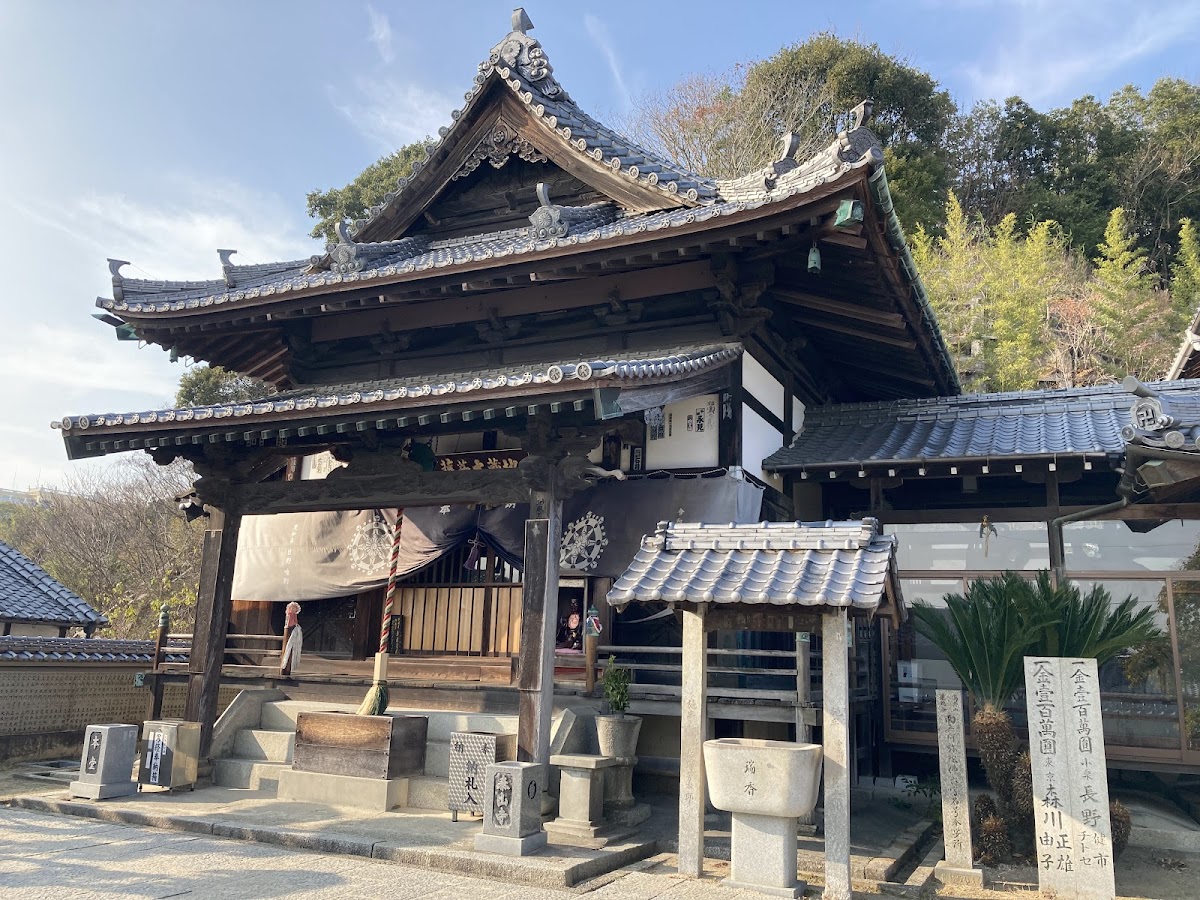
Taisanji Temple is a Shingon Buddhist temple located in Koizumi, Imabari City, Ehime Prefecture. Its formal name is Kinrinzan Chokuoin. As the 56th temple of the Shikoku 88 Temple Pilgrimage, it is a sacred site visited by many pilgrims.
The principal image is Jizo Bodhisattva, and it is particularly known for its blessings for safe childbirth and fertility. The temple’s name, “Taisanji,” originates from the phrase “Nyonin Taisan” (safe childbirth for women) in the Jizo Sutra, and it has long been a place of worship for those praying for safe childbirth.
Its address is 1-9-18 Koizumi, Imabari City, Ehime Prefecture, situated in a beautiful rural area along the Soja River. The temple grounds are situated on a hill built with stone walls, and the various halls are arranged with a small hill as a backdrop, creating a tranquil atmosphere.
History of Taizanji Temple and the Legend of Kobo Daishi
Origin of the Temple and Events of the Konin Era
Taizanji Temple’s founding dates back to the 6th year of the Konin era (815 AD). It is said that Kobo Daishi Kukai, who was visiting this area, built the temple to appease the floods caused by the overflowing Sōsha River and the resulting curses of evil spirits.
At that time, the Sōsha River would flood violently every year during the rainy season, washing away fields and houses and claiming many lives. The villagers feared this was the curse of evil spirits and suffered greatly. Seeing this tragic situation, Kobo Daishi guided the villagers in constructing a dike and performed a seven-session ritual of earth and sand blessing.
The Appearance of the Enmei Jizo and the Establishment of the Temple
It is said that on the day of the completion of the secret ritual of earth blessing, the Enmei Jizo Bodhisattva appeared. Kobo Daishi himself carved the statue and established a temple. This was the beginning of Taizanji Temple.
The temple’s name, derived from the phrase “women’s safe childbirth” in the Jizo Sutra, suggests that the temple was founded as a center of faith protecting women’s safe childbirth and child-rearing. Kobo Daishi’s compassionate heart saved people from floods and gave birth to Taizanji Temple as a place to nurture life.
History and Present State
Since its founding, Taizanji Temple has welcomed many pilgrims as an important temple on the Shikoku Pilgrimage. The principal image, a wooden seated statue of Jizo, is believed to be from the Muromachi period and, despite undergoing repairs, is preserved as a valuable cultural asset of the region.
During the Edo period, the Shikoku Pilgrimage became popular among common people, and Taizanji Temple was bustling with many worshippers. In the Meiji era, the temple grounds were improved, and in 1881, the bell tower was rebuilt using old materials from the drum tower that had been in Imabari Castle, demonstrating its deep connection to the local history.
Currently, it belongs to the Shikoku 88 Temple Pilgrimage Association and is carefully preserved as an important base on the pilgrimage route and a place of worship for the local community.
Highlights of the Temple Grounds
Main Hall and Principal Image Jizo Bodhisattva
Located at the far left of the temple grounds, the main hall is the central building of Taizanji Temple. The main hall houses the principal image, Jizo Bodhisattva. The wooden seated Jizo statue, believed to be from the Muromachi period, welcomes worshippers with its serene expression.
Jizo Bodhisattva is worshipped as a bodhisattva who appears in all six realms to save sentient beings, and is especially revered as the guardian deity of children and women. The Jizo Bodhisattva at Taizanji Temple is known for its blessings for safe childbirth, attracting many female worshippers.
Jizo Wheel
In front of the main hall is a unique stone monument called the “Jizo Wheel.” This represents the cycle of reincarnation in the six realms of existence. The stone monument has a wheel, and it is believed that turning this wheel breaks the cycle of reincarnation.
Worshippers rotate the wheel towards themselves, wishing for one meritorious deed each time, and then clasp their hands together in prayer. This Jizo Wheel is one of Taizanji Temple’s distinctive objects of worship, and many pilgrims stop by. The belief is that by rotating it, one can escape the cycle of birth and death and attain rebirth in paradise.
Daishi Hall
The Daishi Hall houses a statue of Kobo Daishi, and pilgrims visit both the main hall and the Daishi Hall. In the Shikoku Pilgrimage, the spirit of “Dōgyō Ninin” (two traveling together) is highly valued, and visiting the Daishido Hall signifies walking alongside Kobo Daishi.
At the Daishido Hall, pilgrims express gratitude to Kobo Daishi and pray for safe passage. Many pilgrims can be seen quietly offering prayers, chanting sutras, and offering their prayers.
Bell Tower and Bamboo Garden
The bell tower, rebuilt in 1881 using old materials from the drum tower of Imabari Castle, is a historically valuable structure. As a precious relic that conveys the history of Imabari’s castle town, it also holds cultural significance for the region.
The temple grounds also feature a bamboo garden, where visitors can enjoy the beauty of each season. The tranquil grounds are especially beautiful in early summer with its fresh greenery and in autumn with its vibrant foliage.
Senmai-toshi Amulet
Taizanji Temple offers a unique amulet called the “Senmai-toshi Amulet.” This is an amulet said to grant wishes, and is popular among worshippers with specific desires. It is known as a rare item among the Shikoku Pilgrimage temples.
Faith and Benefits of Taizanji Temple
Prayers for Safe Childbirth and Women’s Safe Childbirth
Taizanji Temple is best known for its prayers for safe childbirth. As the phrase “Women’s Safe Childbirth,” from which the temple’s name originates, suggests, it has long been a place of worship where people pray for women to give birth safely.
Even today, pregnant women and their families can be seen visiting the temple to pray for safe childbirth and receive amulets. Since Jizo Bodhisattva is also considered a guardian deity of children, it is also popular with families raising children.
Protection from Water Disasters and Flood Control Benefits
Based on the legend that Kobo Daishi quelled the flooding of the Sōsha River, Taizanji Temple is also known for its benefits in protecting against water disasters. The history of building embankments through the secret ritual of earth and sand consecration and appeasing evil spirits demonstrates its role as a place of prayer protecting people from natural disasters. Even today, worshippers visit the temple seeking protection from floods and water-related accidents, and others pray for the success of local flood control projects.
Liberation from the Cycle of Reincarnation
The belief that turning the Jizo wheel breaks the cycle of reincarnation and allows one to attain paradise is also an important element of faith at Taizanji Temple. People pray before this Jizo wheel, seeking liberation from the suffering of birth, aging, sickness, and death, and wishing for a peaceful afterlife.
Access Information
Location and Basic Information
- Location: 1-9-18 Koizumi, Imabari City, Ehime Prefecture
- Sect: Shingon-shu Buzan-ha
- Principal Image: Jizo Bodhisattva
- Founder: Kobo Daishi
- Parking: Approximately 10 regular cars (free)
Access by Car
From Imabari City Center
- Approximately 10 minutes from Imabari Interchange
- Via National Route 196 towards the Koizumi area
- Head towards the rural area along the Sōsha River
From Honshu (via Shimanami Kaido)
- Approximately 15 minutes from Imabari Kita Interchange
- Via Imabari city center to the Koizumi area
Parking is located near the temple grounds and can accommodate approximately 10 regular cars. It can get crowded during pilgrimage season and on weekends, so it is recommended to allow ample time for your visit.
Access by Bus
From JR Imabari Station
- Take a Setouchi Bus bound for “Kijiguchi,” “Kuzuya,” or “Mikomori”
- Get off at the “Koizumi” bus stop and walk for approximately 15 minutes
- The bus ride takes approximately 10 minutes
Since bus services are limited, it is recommended to check the timetable in advance. The walk from the bus stop to the temple takes you through a rural landscape, offering a peaceful and tranquil atmosphere.
For those walking the pilgrimage
From the previous temple (No. 55 Nankobo)
- Distance: Approximately 3.5 km
- Time required: Approximately 50 minutes to 1 hour on foot
- Route goes through Imabari city center and into rural areas
To the next temple (No. 57 Eifukuji)
- Distance: Approximately 2.5 km
- Time required: Approximately 40 minutes on foot
- Relatively flat and easy to walk
Points and etiquette for visiting
Order of visiting
- Bow at the temple gate: Before entering the temple grounds, bow and clasp your hands together at the temple gate.
- Purify yourself at the water basin: Purify your hands and mouth.
- Bell tower: Ring the bell upon arrival (refrain from doing so after evening).
- Visit the main hall: Visit the main deity, Jizo Bodhisattva, and offer a votive slip, make an offering, and chant sutras.
- Visit the Daishi Hall: Visit Kobo Daishi, offer a votive slip, make an offering, and chant sutras.
- Jizo Wheel: Turn the wheel towards you and offer a prayer.
- Nokyo-jo (Sutra Copying Office): Receive a Goshuin (temple stamp) in your pilgrimage notebook.
Visiting Hours and Nokyo-jo Hours
- Visiting Hours: From sunrise to sunset (grounds are freely accessible)
- Nokyo-jo Hours: 7:00 AM to 5:00 PM (may vary depending on the season)
At the Nokyo-jo, in addition to Goshuin, amulets and images (Miei) are also given out. While you can visit the grounds outside of Nokyo-jo hours, please visit within the hours if you wish to receive a Goshuin.
Clothing and Items to Bring
Ideally, you should wear pilgrimage attire, but general clothing is also acceptable. However, please note the following points.
- Attire: Please dress neatly and modestly.
- Items to Bring: Sutra book, votive slips, prayer beads, sutra book, etc.
- Shoes: Comfortable walking shoes (there are stone steps on the temple grounds).
Nearby Attractions
Sōsha River and Rural Landscape
The Sōsha River, which Kōbō Daishi (Kukai) worked to control flooding, flows around Taizanji Temple. Currently, a beautiful rural landscape unfolds along the gently flowing river, allowing visitors to enjoy the scenery of each season.
Especially during the spring rice planting season and the autumn rice harvest season, a beautiful landscape reminiscent of Japan’s original scenery unfolds.
Tourist Spots in Imabari City
Imabari city center, about a 10-minute drive from Taizanji Temple, has the following tourist spots:
- Imabari Castle: A seaside castle built by Todo Takatora
- Towel Museum: Introducing the history and technology of Imabari towels
- Itoyama Observatory: A scenic spot on the Shimanami Kaido
Preceding and Following Temples
- No. 55 Nankobo: A temple located in Imabari city center
- No. 57 Eifukuji: Approximately 2.5km from Taizanji Temple
If you continue the Shikoku Pilgrimage, you will also visit these temples.
Annual Events at Taizanji Temple
Main Ceremonies and Events
Taizanji Temple holds various ceremonies and events throughout the year.
- First three days of the New Year: First shrine visit of the year, New Year’s prayers
- Spring and Autumn Equinoxes: Equinox memorial services
- Jizo Bon: Memorial service for Jizo Bodhisattva
- Kobo Daishi Image Memorial Service: 21st of every month
Jizo Bon, in particular, is a lively event with participation from local children, as the principal image is Jizo Bodhisattva.
Taizanji Temple’s Position on the Shikoku Pilgrimage
As a Pilgrimage Site in Iyo Province (Ehime Prefecture)
Taizanji Temple is one of the 26 pilgrimage sites in Iyo Province (Ehime Prefecture) among the 88 temples of the Shikoku Pilgrimage. Many pilgrimage sites are scattered throughout Imabari City, from the 40th Kanjizaiji Temple to the 64th Maegamiji Temple, and Taizanji Temple is an important site located in the middle of this network.
The Meaning of “The Dojo of Nirvana”
In the Shikoku Pilgrimage, Awa (Tokushima) is called the “Dojo of Awakening,” Tosa (Kochi) the “Dojo of Training,” Iyo (Ehime) the “Dojo of Enlightenment,” and Sanuki (Kagawa) the “Dojo of Nirvana.” Taizanji Temple belongs to the “Dojo of Enlightenment,” symbolizing the stages of training in pursuit of enlightenment.
Pilgrim’s Experiences
Many pilgrims have spoken of being deeply moved by the tranquil atmosphere of Taizanji Temple and the compassionate expression of Jizo Bodhisattva. The experience of turning the Jizo wheel is particularly memorable, offering a valuable opportunity to feel the Buddhist teaching of the Six Realms of Reincarnation firsthand.
Points to Note When Visiting Taizanji Temple
Manners and Mindset
- Be Quiet: Please pray quietly within the temple grounds.
- Photography: Please refrain from taking photos inside the main hall.
- Smoking: Smoking is prohibited within the temple grounds.
- Trash: Please take your trash with you.
Seasonal Precautions
- Summer: Remember to take precautions against the heat and stay hydrated.
- Winter: Warm clothing is necessary.
- Rainy Season: Prepare rain gear and watch your step.
Parking Precautions
Parking is free, but space is limited, so it is recommended to check in advance if you are a large bus or group. It can get crowded during the pilgrimage season (spring and autumn).
Summary
Taizanji Temple is a temple with deep history and faith, where the compassion and flood control merits of Kobo Daishi are still passed down today. As the 56th temple on the Shikoku 88 Temple Pilgrimage, Taizanji Temple is visited by many pilgrims and is also cherished by local people seeking blessings for safe childbirth and protection from water-related disasters.
Nestled in a quiet rural area along the Sōsha River, the temple grounds are a fitting place to find peace of mind and offer prayers. The temple’s unique objects of worship, such as the Jizo-sha (Jizo cart), and distinctive offerings like the Senmai-toshi amulet, add to its charm.
When visiting Imabari City, be sure to stop by Taizanji Temple and experience the footsteps of Kobo Daishi and the compassion of Jizo Bodhisattva. Whether as part of the Shikoku pilgrimage or as a place of personal prayer, Taizanji Temple will provide visitors with a quiet sense of awe and peace of mind.


