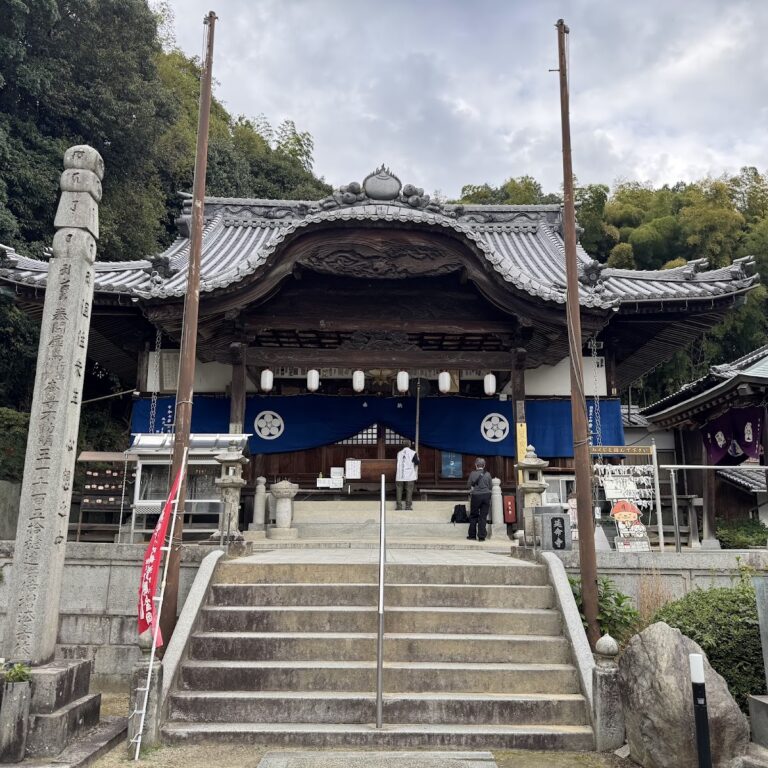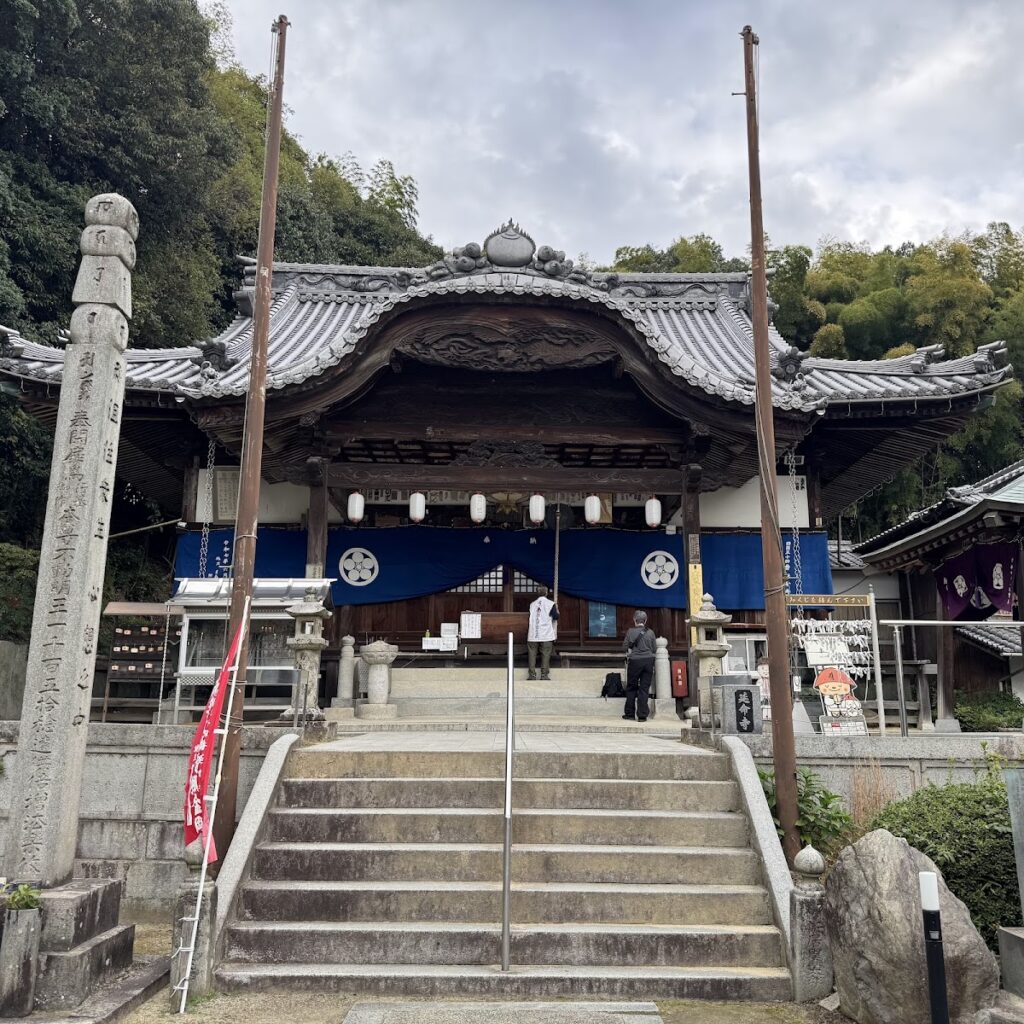
What is Enmei-ji Temple? A Complete Guide to Enmei-ji Temples Nationwide, Their History, and Characteristics
Enmei-ji is one of the many temple names found throughout Japan. As the name suggests, it is based on the belief in “enmei,” or extending one’s lifespan, and many Enmei-ji temples enshrine Enmei Jizo Bodhisattva as their principal deity. This article provides a detailed explanation of the history, characteristics, cultural assets, and access information of major Enmei-ji temples throughout Japan.
Origin and Meaning of the Temple Name Enmei-ji
The temple name Enmei-ji originates from the “enmei faith” in Buddhism. Enmei Jizo Bodhisattva has been worshipped since ancient times as a Buddha who extends the lifespan of sentient beings and protects them from disaster. From the Heian period onward, as Jizo worship spread among the common people, Enmei-ji temples were built throughout the country.
Especially during the Edo period, Jizo worship became popular among ordinary people, and the number of Enmei-ji temples and temples enshrining Enmei Jizo increased throughout the country. These temples have played an important role as centers of faith for the health and longevity of local residents.
Introduction to Major Enmei-ji Temples
Enmei-ji Temple (Zushi City, Kanagawa Prefecture) – Zushi Daishi
Located in Zushi City, Kanagawa Prefecture, Enmei-ji Temple is a Shingon Buddhist temple of the Koyasan sect, commonly known as “Zushi Daishi.” Its official name is Kounzan Enmei-ji Temple.
Features and Facilities
- Sect: Shingon Buddhism, Koyasan sect
- Manages perpetual memorial graves and the Kongo Reiden (Vajra Hall)
- Equipped with rental funeral halls
- Functions as a base for local memorial services and funerals
Zushi Daishi Enmei-ji Temple is an important Shingon Buddhist temple in the Shonan region, boasting many parishioners. It also caters to modern needs for perpetual memorial services, enhancing its functions as an urban temple.
Enmei-ji Temple (Kawachinagano City, Osaka Prefecture)
Enmei-ji Temple in Kawachinagano City, Osaka Prefecture, is a historic temple belonging to the Omuro branch of the Shingon sect. It is also widely known as a famous spot for autumn foliage.
History
According to temple tradition, it is said that the temple’s origins date back to the Konin era (810-824), when Kobo Daishi Kukai visited the area and carved a stone statue of Jizo Bodhisattva, which became the principal image. Later, in 1639, the temple was expanded to its current size by the eminent monk Jōgon, who was born in this area.
Jōgon is known as the restorer of the Shingon sect during the Edo period and was a devoted figure to many daimyo, including the 5th Shogun Tokugawa Tsunayoshi. Through his efforts, Enmei-ji Temple developed into an important center of learning and training for the Shingon sect.
Cultural Properties
- Sekisho no Kaede (Evening Glow Maple): A giant maple tree estimated to be over 1000 years old, designated as a natural monument by Osaka Prefecture. Its beauty when illuminated by the setting sun has earned it the nickname “Evening Glow Maple,” attracting many visitors in autumn.
- Selected as one of the Eight Scenic Views and Two Best Spots of Kawachinagano: “Enmeiji Temple’s Autumn Leaves Mountain”
Access
Located in Kawachinagano City, Osaka Prefecture, it is accessible by bus from Kawachinagano Station on the Nankai Koya Line and Kintetsu Nagano Line. The best time to visit is during the autumn foliage season (mid- to late November).
Enmeiji Temple (Kamagaya City, Chiba Prefecture)
Enmeiji Temple in Kamagaya City, Chiba Prefecture, is a Nichiren Buddhist temple built along the Kinoshita Road during the Edo period.
Features
- Sect: Nichiren Buddhism
- The “Kamagaya Daibutsu” (Great Buddha of Kamagaya) is enshrined in an outlying cemetery in front of Kamagaya Daibutsu Station
- The main hall retains Edo period architectural style
The Kamagaya Daibutsu is a beloved local symbol, a bronze seated statue of Shakyamuni Buddha approximately 1.8 meters tall. It was erected in 1776 (An’ei 5) during the mid-Edo period and is designated as a tangible cultural property of Kamagaya City.
Access
The Great Buddha is enshrined a short walk from Kamagaya Daibutsu Station on the Shin-Keisei Line, and the main hall is located along Kinoshita Kaido Street.
Enmei-ji Temple (Kodaira City, Tokyo)
Enmei-ji Temple in Kodaira City, Tokyo, is a temple situated in a naturally rich environment, with the Onumada Canal, a branch of the Tamagawa Aqueduct, flowing through its grounds.
Features
- The Onumada irrigation canal flowing through the temple grounds is a distinctive feature.
- It maintains a rich natural environment despite being located in an urban area.
- It also functions as a place of relaxation for the local community.
Access
Located approximately 15 minutes on foot from Kodaira Station on the Seibu Shinjuku Line, it offers good access from the city center.
Enmei-ji Temple (Sasaguri-machi, Kasuya-gun, Fukuoka Prefecture) – 39th Temple of the Sasaguri Shikoku Pilgrimage
Enmei-ji Temple in Sasaguri-machi, Fukuoka Prefecture, is known as the 39th temple of the Sasaguri Shikoku Pilgrimage.
Detailed Information
- Principal Image: Yakushi Nyorai (Medicine Buddha)
- Mantra: Om Korokoro Sendari Matougi Sowaka
- Founded in the late Meiji period by the first chief priest, Reverend Muta Ryotei, who moved from Goto Islands, Nagasaki Prefecture.
The Sasaguri Shikoku Pilgrimage is a recreation of the Shikoku 88 Temple Pilgrimage around Sasaguri-machi, and attracts many pilgrims. Enmei-ji Temple is one of the important pilgrimage sites and serves as a center of faith in the region.
Enmei-ji Temple (Rikuzentakata City, Iwate Prefecture)
Enmei-ji Temple in Rikuzentakata City, Iwate Prefecture, is a Soto Zen Buddhist temple. It was damaged in the Great East Japan Earthquake but was rebuilt as a symbol of reconstruction.
Features
- Sect: Soto Zen
- A temple that has recovered from the earthquake
- A central role in the local community
Enmei-ji Temple (Shiroishi City, Miyagi Prefecture)
An Enmei-ji Temple also exists in Shiroishi City, Miyagi Prefecture, and is a center of local faith. Its detailed history is recorded in local documents.
Other Enmei-ji Temples
Besides the above, Enmei-ji temples exist throughout Japan. Each has its own unique history and tradition, serving as a place of faith for local residents.
Faith and Events at Enmei-ji Temples
Enmei Jizo Faith
Many Enmei-ji temples enshrine Enmei Jizo Bodhisattva as their principal image. Jizo Bodhisattva is believed to be the Bodhisattva who saves sentient beings who are transmigrating through the six realms (hell, hungry ghosts, animals, asuras, humans, and heaven) after the death of Shakyamuni Buddha and before the appearance of Maitreya Bodhisattva.
In particular, Enmei Jizo (Jizo of Longevity) has long been revered by ordinary people as an object of worship for healing from illness and praying for longevity. The 24th of each month is considered Jizo Bodhisattva’s festival day, and memorial services are held at many Enmei-ji temples.
Annual Events
At Enmei-ji Temple, the following annual events are generally observed:
- New Year’s Visit/New Year’s Ceremony (January 1st-3rd)
- Setsubun Festival (February 3rd)
- Spring Equinox Festival (7 days centered around the Spring Equinox in March)
- Jizo Bon Festival (August 23rd-24th): A particularly important event at temples enshrining Enmei Jizo
- Autumn Equinox Festival (7 days centered around the Autumn Equinox in September)
- New Year’s Eve Bell Ringing (December 31st)
Each temple has its own unique events and ceremonies, deeply intertwined with local culture.
Points to Note When Visiting Enmei-ji Temple
Etiquette for Worship
When visiting Enmei-ji Temple, please observe the following basic worship etiquette:
- Bow at the Temple Gate: Bow before entering the temple grounds.
- Purify at the Water Basin: Cleanse your hands and mouth.
- Worship at the Main Hall: Join your hands in prayer and offer your prayers quietly.
- Offering a Coin: Offer your coin with sincerity.
- Bow Upon Exit: Bow again when leaving the temple gate.
Photography
Photography is permitted on the grounds of many temples, but please note the following:
- Photography is often prohibited inside the main hall.
- Refrain from taking photos during religious ceremonies.
- Be considerate of other worshippers.
- Check in advance before using a tripod.
Visiting Hours and Admission Fees
Visiting hours and admission fees vary depending on the Enmei-ji temple. Temples possessing cultural properties may require an admission fee. We recommend checking the official website or calling ahead.
Enmei-ji Temple and Local Culture
Temples and Local Communities
Enmei-ji temples are not merely religious institutions; they have played a vital role as centers of local communities. During the Edo period, they served as educational institutions (terakoya), and many temples continue to be centers for local gatherings and cultural activities today.
Protection and Transmission of Cultural Properties
Many Enmei-ji temples protect valuable cultural properties and natural monuments, such as the “Evening Glow Maple” at Enmei-ji Temple in Kawachinagano City. These cultural properties are passed down to future generations as important legacies that convey the history and traditions of the region.
Enmei-ji Temples as Tourist Resources
Many Enmei-ji temples, particularly those in Kawachinagano City known for their autumn foliage, are also attracting attention as tourist resources. Temple tourism offers a valuable opportunity to experience traditional Japanese culture, drawing many tourists from both Japan and abroad.
The Role of Enmei-ji Temple in Modern Times
Perpetual Memorial Services and Responding to Modern Needs
Like Enmei-ji Temple in Zushi City, an increasing number of temples are developing perpetual memorial graves and columbariums to address the needs of nuclear families and the aging population. By offering perpetual memorial services as an option for families who find traditional cemetery management difficult, temples are meeting the needs of modern society.
Function as a Place of Spiritual Support
In modern society, temples are also important as places of support for people seeking peace of mind. An increasing number of Enmei-ji temples are addressing the mental well-being of modern people by holding Zen meditation sessions, sutra copying sessions, and Dharma talks.
Adapting to Digitalization
Many Enmei-ji temples have launched official websites and are disseminating information online. New forms of missionary work utilizing digital technology, such as live streaming of memorial services and online consultations, are also beginning.
A Guide to Visiting Enmei-ji Temples
Pilgrimage
Like Enmei-ji Temple in Fukuoka Prefecture, the 39th temple of the Sasaguri Shikoku Pilgrimage, you can visit Enmei-ji Temple as part of a pilgrimage. Enmei-ji Temple (Imabari City, Ehime Prefecture) is also part of the Shikoku 88 Temple Pilgrimage and is an important temple for pilgrims.
Seasonal Highlights
If you’re visiting Enmei-ji Temple, be sure to check out the seasonal highlights:
- Spring: Cherry blossoms, fresh greenery, and spring flowers
- Summer: Jizo-bon festival, lush temple grounds
- Autumn: Autumn leaves (especially at Enmei-ji Temple in Kawachinagano City)
- Winter: Snowscapes, tranquil atmosphere
Visiting Multiple Enmei-ji Temples
By visiting Enmei-ji Temples scattered throughout Japan, you can experience the differences in history and culture of each region. Even though they share the same name “Enmei-ji,” their sects, histories, and characteristics vary greatly, allowing you to discover the unique charm of each. ## Summary
Enmei-ji temples, a name found throughout Japan, have cultivated unique histories and traditions in each region. Many of these temples enshrine Enmei Jizo Bodhisattva as their principal deity, and have long been cherished as centers of faith where people pray for health and longevity.
Zushi Daishi Enmei-ji in Zushi City, Kanagawa Prefecture, serves as a base for the Koyasan Shingon sect; Enmei-ji in Kawachinagano City, Osaka Prefecture, is famous for its autumn foliage; and Enmei-ji in Kamagaya City, Chiba Prefecture, is home to the Kamagaya Daibutsu (Great Buddha). Each temple continues its activities deeply rooted in its local community.
Even in modern times, Enmei-ji temples continue to uphold tradition while responding to new needs such as perpetual memorial services, demonstrating the diversity and flexibility of Japanese temple culture. Visiting Enmei-ji temples throughout Japan will allow you to gain a deeper understanding of Japanese Buddhist culture and local history.
We hope that your visit to an Enmei-ji temple will bring you peace of mind and provide an opportunity to experience Japan’s rich cultural heritage.