Complete Guide to Kokawa-dera Temple | History, Highlights, and Visiting Information for the Third Temple of the Saigoku Thirty-Three Kannon Pilgrimage
About Kokawa-dera Temple
Kokawa-dera Temple is the head temple of the Kokawa Kannon sect, located in Kokawa, Kinokawa City, Wakayama Prefecture. Its mountain name is Fumōzan (or Kazaragi-san), and its principal image is the Thousand-Armed, Thousand-Eyed Kannon Bodhisattva. As the third temple of the Saigoku Thirty-Three Kannon Pilgrimage, it is a renowned temple visited by many pilgrims from all over Japan.
It was a famous temple from the Heian period, even mentioned in “The Pillow Book” as “Temples of Ishiyama, Kokawa, and Shiga.” Founded in 770 AD, it is said to be one of Wakayama Prefecture’s representative temples with a history of over 1200 years.
The current temple grounds contain many cultural assets, including buildings designated as important national cultural properties and scenic gardens, making it a treasure trove of history and culture.
History of Kokawa-dera Temple
Founding and Founding Legend
The founding of Kokawa-dera Temple is described in detail in the national treasure, “Kokawa-dera Engi (History of Kokawa-dera Temple) in Color on Paper.” According to legend, it began in 770 AD when a hunter named Otomo no Kujiko saw a mysterious light in the mountains and built a hermitage there.
A legend remains that when Kujiko began carving a statue of Kannon, the Thousand-Armed Kannon was completed overnight. This miraculous Kannon statue soon attracted the faith of many people.
Prosperity at its Peak
From the Heian period to the Middle Ages, Kokawa-dera Temple flourished greatly as a pilgrimage site for the 33 temples of the Saigoku Kannon Pilgrimage. At its peak, it developed into a large temple with seven main halls, 550 sub-temples, and 40,000 koku of temple land. As one of the three major temples of Kishu (present-day Wakayama Prefecture), following Koyasan and Negoro-ji, it boasted immense power.
A temple town also formed around it, developing into a bustling religious city filled with pilgrims. This prosperity is recorded in many classical literary works, including “The Pillow Book.”
War and Reconstruction
In 1585, during Toyotomi Hideyoshi’s invasion of Kishu, Kokawa-dera Temple suffered significant damage, with many of its buildings being burned down. This fire resulted in the loss of many of the buildings dating back to the medieval period.
However, reconstruction gradually progressed during the Edo period. Many of the major buildings remaining on the temple grounds today are from this Edo period reconstruction. In particular, the main hall, a magnificent structure, was begun in 1720 and completed in 1757.
Modern and Contemporary Kokawa-dera Temple
Despite the impact of the anti-Buddhist movement of the Meiji era, Kokawa-dera Temple continued to maintain its faith as one of the 33 temples of the Saigoku Kannon Pilgrimage. Since the Showa era, the preservation and maintenance of cultural properties have progressed, and in 1968, the Kokawa-dera Temple Garden was designated a National Place of Scenic Beauty, demonstrating its widely recognized cultural value.
Currently, as the head temple of the Kokawa Kannon sect, it has formed an independent sect and continues to uphold traditional Kannon worship.
Principal Image and Beliefs
Thousand-Armed, Thousand-Eyed Kannon Bodhisattva
The principal image of Kokawa-dera Temple is the Thousand-Armed, Thousand-Eyed Kannon Bodhisattva. This Kannon statue is considered a hidden Buddha and is not usually open to the public. As the founding legend states, it is a miraculous Buddha statue that was completed overnight, and has long attracted deep devotion.
The Thousand-Armed Kannon is considered a symbol of compassion that extends a helping hand in all directions, and is especially believed to have benefits for warding off evil and healing illnesses.
Saigoku Thirty-Three Kannon Pilgrimage
Kokawa-dera Temple is the third temple on the Saigoku Thirty-Three Kannon Pilgrimage, making it an important base for pilgrims. Following the first temple, Nachisan Seiganto-ji, and the second temple, Kimii-dera, this temple attracts many pilgrims.
The approximately 800-meter approach from JR Wakayama Line’s Kokawa Station to the main gate features a temple town, allowing visitors to experience the atmosphere of a pilgrimage.
Kokawa Kannon Sect
Kokawa-dera Temple is the head temple of the Kokawa Kannon Sect, a unique Buddhist sect. This sect continues to uphold teachings centered on Kannon worship and operates as an independent sect with followers throughout Japan.
Highlights of the Temple Grounds
Main Gate (Important Cultural Property)
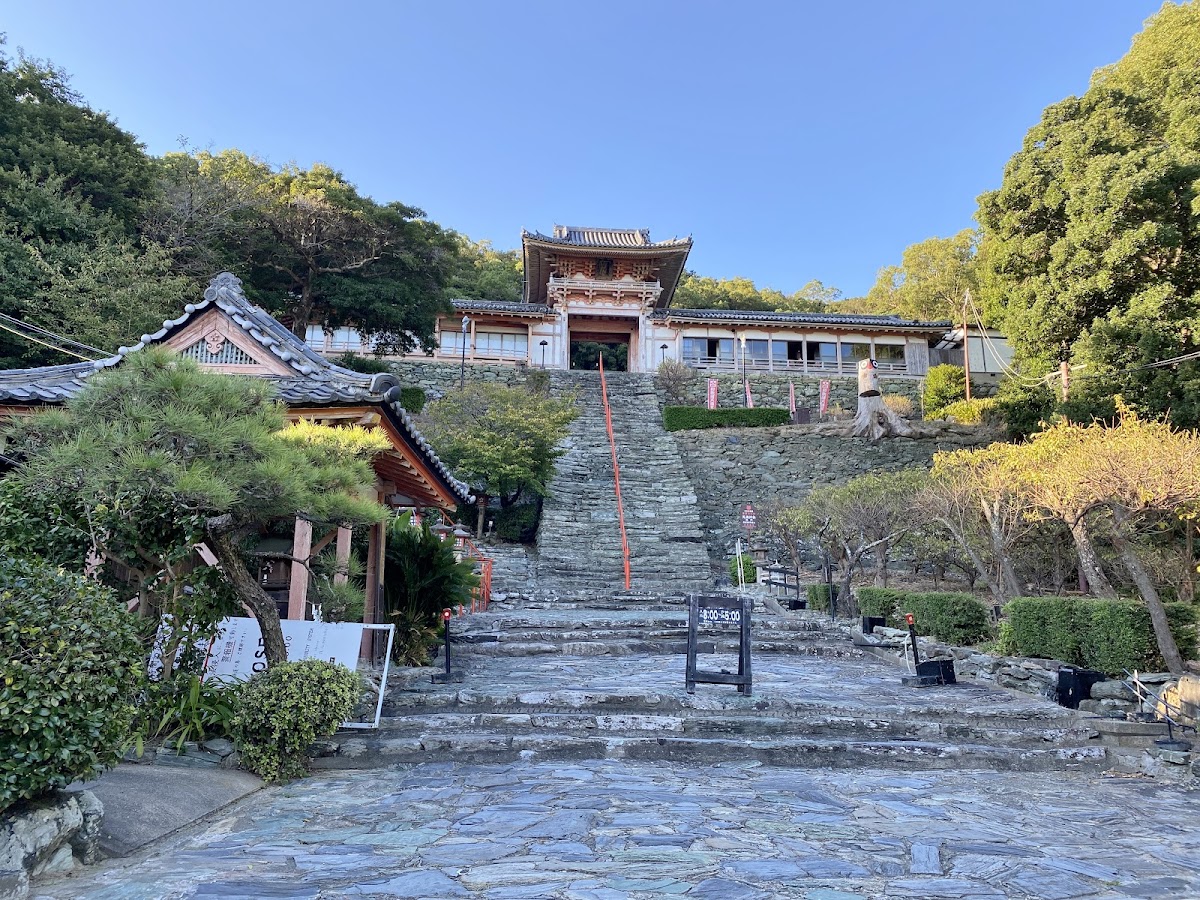
The main gate, standing at the entrance to the Kokawa-dera Temple grounds, is a mid-Edo period building designated as a National Important Cultural Property. This imposing gate, approximately 14 meters tall, houses Kongo Rikishi statues on either side.
As the first structure welcoming pilgrims who have walked along the approach from the temple town, it showcases the grandeur of Kokawa-dera Temple. The contrast between the vermilion pillars and white walls is beautiful, making it a popular photo spot.
Middle Gate (Important Cultural Property)
After passing through the main gate, the next thing you see is the middle gate. This is also an Edo period building designated as a National Important Cultural Property, and it serves as an important gate leading to the main hall.
Corridors line both sides of the middle gate, further enhancing the solemn atmosphere of the temple grounds. The space from this middle gate to the main hall is designed to evoke a sense of reverence in visitors.
Main Hall (Important Cultural Property)
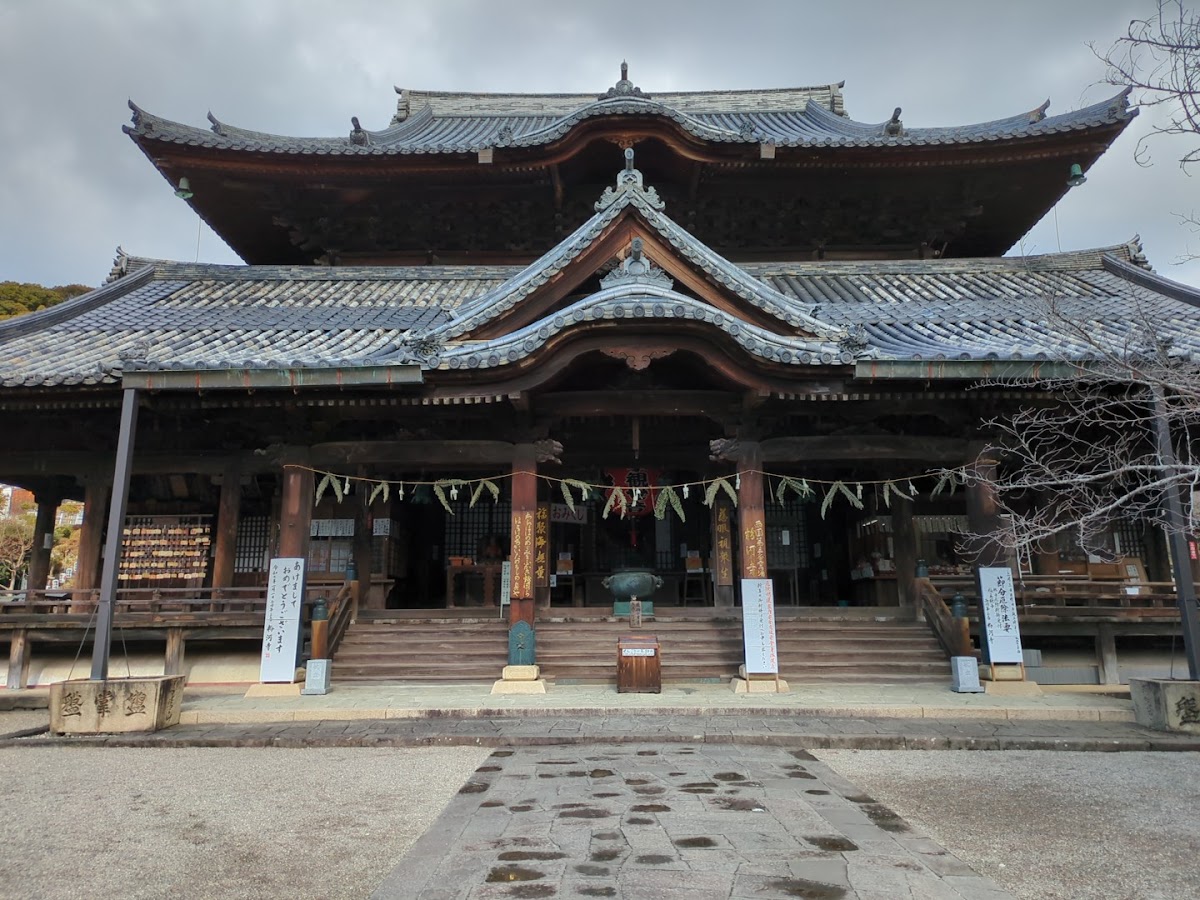
The main hall of Kokawa-dera Temple is the largest and most magnificent building among the 33 temples of the Saigoku Kannon Pilgrimage. Built between 1720 and 1757, it is designated as a National Important Cultural Property.
The building features a hipped roof and tiled roof, and boasts dimensions of approximately 30 meters in front and 20 meters on the sides. Inside, the principal image, a statue of the Thousand-Armed Kannon, is enshrined, and worshippers can pay their respects from the outer hall. As a building that embodies the pinnacle of Edo period architecture, it is a valuable structure in architectural history.
The main hall is constructed using high-quality zelkova wood, which has maintained its robustness even after many years.
Senju-do Hall (Important Cultural Property)
The Senju-do Hall is also a building designated as a National Important Cultural Property. Rebuilt during the Edo period, it is one of the main buildings on the temple grounds, alongside the main hall.
Kokawa-dera Garden (National Scenic Spot)
The Kokawa-dera Garden is a dry landscape garden created in the mid-Edo period and was designated a National Scenic Spot in 1968. Located in front of the main hall, it features a unique style that skillfully utilizes the elevation differences of the terrain.
The garden, with its white sand and large stones, is said to represent Mount Penglai and is highly regarded as a dry landscape garden for viewing. The garden view from the main hall displays different expressions in each of the four seasons, captivating visitors.
This garden possesses a rare style among the 33 temples of the Saigoku Kannon Pilgrimage and holds an important place in garden history.
Dōnan-dō Hall and the Origin of Kokawa-dera Temple
Within the temple grounds is the Dōnan-dō Hall, dedicated to the Dōnan (boy) who appears in the Origin of Kokawa-dera Temple. According to the legend, the Dōnan, an incarnation of Kannon (Goddess of Mercy), appeared at the home of a wealthy man with a sick daughter and saved her.
This legend is depicted as a beautiful picture scroll in the national treasure “Kokawa-dera Temple Origin Scroll,” known as a masterpiece of Heian period painting.
Other Buildings
Many other buildings are scattered throughout the temple grounds, including the Goma-dō Hall, the Kuri (monk’s quarters), and the Nuriage-mon Gate. Many of these are designated as cultural properties of Wakayama Prefecture, and are valuable legacies that convey Edo period temple architecture to the present day.
A 1000-Year-Old Camphor Tree
Within the temple grounds stands a massive camphor tree estimated to be approximately 1000 years old, a living witness to the long history of Kokawa-dera Temple. This tree is designated a natural monument of Wakayama Prefecture, and its majestic presence deeply impresses visitors.
Cultural Property
National Treasure
The Kokawa-dera Engi (Illustrated Legend of Kokawa-dera Temple) is an illustrated scroll passed down at Kokawa-dera Temple and designated a National Treasure. Dating from the late Heian period, it beautifully depicts the founding legend of Kokawa-dera Temple and tales of Kannon’s miraculous powers through illustrations and text. As a masterpiece in the history of Japanese illustrated scrolls, it is an extremely important work from an art historical perspective.
Currently on deposit at the Kyoto National Museum, it is occasionally displayed in special exhibitions.
Important Cultural Property
Kokawa-dera Temple possesses many designated Important Cultural Properties.
- Main Hall: The largest temple building among the 33 temples of the Saigoku Kannon Pilgrimage
- Great Gate: A two-story gate from the mid-Edo period
- Middle Gate: An important gate leading to the main hall
- Senju Hall: A reconstructed building from the Edo period
These buildings retain many characteristics of Edo period temple architecture and are valuable historical artifacts.
Scenic Spot
Kokawa-dera Garden is designated as a National Scenic Spot. As a unique dry landscape garden utilizing the elevation differences of the terrain, it holds an important position in the history of landscape architecture.
Prefectural Designated Cultural Property
The main hall, living quarters, goma hall, and painted gate are designated as cultural properties of Wakayama Prefecture. These are also Edo period buildings and are important elements that form the historical landscape of the temple grounds.
Access and Visiting Information
Access by Train
The most convenient way to get there is by using the JR Wakayama Line.
- Get off at JR Wakayama Line “Kokawa Station” and walk for about 15 minutes (about 800 meters).
- A path leading from the station through the temple town continues to the main gate, allowing you to enjoy a stroll along the way.
Access by Car
- Approximately 20 minutes from Hanwa Expressway “Wakayama IC” via National Route 24.
- Approximately 10 minutes from Keina-Wa Expressway “Kinokawa IC”.
- Parking is available around the temple grounds (paid).
Visiting Information
- Visiting Hours: 8:00~17:00 (may vary depending on the season)
- Admission Fee: Free entry to the temple grounds (donation required for entry into the main hall).
- Location: 2787 Kokawa, Kinokawa City, Wakayama Prefecture
Points to Note When Visiting
Visiting Kokawa-dera Temple begins with walking through the temple town. The approximately 800-meter walk from JR Kokawa Station to the main gate retains the atmosphere of a traditional temple town, providing a good opportunity to prepare yourself mentally before visiting the temple.
After passing through the main gate and the middle gate, you will reach the main hall. Inside the main hall, you can pay your respects to the principal image, the Thousand-Armed Kannon, from the outer sanctuary. Afterward, it is recommended to leisurely admire the Kokawa-dera Garden in front of the main hall and visit the various buildings within the temple grounds.
If you are visiting as part of the Saigoku Thirty-Three Kannon Pilgrimage, you can receive a Goshuin (temple stamp) at the temple office.
Annual Events
Kokawa-dera Temple holds various Buddhist services and events throughout the year.
Main Annual Events
- Hatsumode (January 1st-3rd): Many people visit for New Year’s prayers.
- Hatsuumasaito Daigoma-ku (First Horse Day of the Lunar Calendar): A Goma fire ritual praying for protection from evil and good fortune.
- Kanbutsu-e (Flower Festival) (April 8th): A Buddhist service celebrating the birth of Buddha.
- Akiba Daigongen Kaicho Hoyo: A Buddhist service for Akiba Gongen, worshipped as the god of fire prevention.
- Joya no Kane (December 31st): The ringing of the temple bell to signal the end of the year.
These events offer a special atmosphere different from the usual.
Nearby Attractions
Strolling through the Temple Town
The temple town, stretching from Kokawa Station to the main gate of Kokawa-dera Temple, retains its old-world charm. A stroll before or after visiting the temple is highly recommended. Local Japanese confectionery shops and souvenir shops are scattered throughout the area.
Kannon-yama Fruit Garden
The area around Kokawa-dera Temple is a thriving fruit-growing region, and there are facilities such as Kannon-yama Fruit Garden where you can enjoy fruit picking and locally grown fruits. Visiting in conjunction with your temple visit will allow you to experience the charm of Kinokawa City more deeply.
Nature of Kinokawa
Kokawa-dera Temple is located on the north bank of the Kinokawa River, and is surrounded by abundant nature. You can spend a relaxing time while enjoying the scenery of the four seasons.
The Charm of Kokawa-dera Temple
The greatest charm of Kokawa-dera Temple is that, despite being an ancient temple with a history of over 1200 years, it still functions as a living place of faith. As the third temple of the Saigoku Thirty-Three Kannon Pilgrimage, it warmly welcomes pilgrims from all over Japan.
The group of important cultural properties scattered throughout the temple grounds retains many characteristics of Edo period temple architecture, making it a worthwhile sight for those interested in architecture and history. In particular, the main hall, the largest of the Saigoku Thirty-Three Kannon Pilgrimage, has an awe-inspiring presence.
The gardens of Kokawa-dera Temple, a nationally designated scenic spot, utilize the unique elevation differences of the terrain to create a distinctive style that displays different expressions in each season. From the fresh greenery of spring, the deep green of summer, the vibrant autumn foliage, to the snowy winter landscape, you can enjoy completely different scenery depending on the time of year you visit.
The atmosphere of the approach to the temple, including the temple town, is also a unique charm of Kokawa-dera. Walking the approximately 800-meter path from JR Kokawa Station allows you to experience a shift in your mind from everyday life to a sacred space.
Summary
Kokawa-dera Temple, located in Kinokawa City, Wakayama Prefecture, is the head temple of the Kokawa Kannon sect and a renowned temple boasting a long history and tradition as the third temple on the Saigoku Thirty-Three Kannon Pilgrimage. Since its founding in 770 AD, it has attracted the faith of many people as a center of Kannon worship for over 1200 years.
The temple grounds contain numerous valuable cultural assets, including the main hall, main gate, middle gate, and Senju-do hall, all designated as important national cultural properties, as well as the Kokawa-dera Garden, a nationally designated scenic spot. The main hall, the largest of the 33 temples of the Saigoku Kannon Pilgrimage, and the unique dry landscape garden, utilizing the natural elevation changes of the terrain, are particularly noteworthy.
As an ancient temple mentioned in “The Pillow Book,” it is historically and culturally extremely important and one of Wakayama Prefecture’s leading tourist attractions. It’s recommended not only for those visiting on the Saigoku Kannon Pilgrimage, but also for those interested in history, architecture, and gardens, and those seeking a peaceful retreat.
Its convenient location within walking distance of JR Kokawa Station is another attractive feature, and strolling through the temple town while visiting is a unique way to enjoy Kokawa-dera. Why not spend some time quietly praying to Kannon in the temple grounds, where the changing seasons and historical buildings harmonize?