Ensho-ji Temple Complete Guide | Thorough Explanation of History, Cultural Assets, and Access Information
There are several temples named “Ensho-ji” throughout Japan, each with its own unique history and culture. This article provides detailed explanations of Ensho-ji temples in various locations, focusing on the most famous one in Nara City, as well as those in Obama City (Fukui Prefecture), Kakogawa City (Hyogo Prefecture), Suita City (Osaka Prefecture), and Gose City (Nara Prefecture).
Ensho-ji Temple in Nara City | The Status of One of the Three Great Monzeki Temples of Yamato
Located in Yamamachi, Nara City, Ensho-ji Temple is a nunnery of the Myoshin-ji branch of the Rinzai school of Zen Buddhism, and is a highly prestigious temple counted among the “Three Great Monzeki Temples of Yamato,” alongside Hokke-ji and Chugu-ji.
History and Founding
Ensho-ji Temple was founded by Princess Enchi, the daughter of Emperor Go-Mizunoo. Monzeki temples are temples of special status where the head priest is a daughter of the imperial family or a member of the regent family. Enshoji Temple has maintained its high status as a nunnery monzeki since the Edo period, with princesses of the imperial family and noble families entering the temple.
Its mountain name is Fumonzan, a name symbolizing the compassion of Kannon Bodhisattva. Since its founding, it has maintained a deep connection with the imperial family and has preserved many valuable cultural assets.
Successive Monzeki
The successive head priests of Enshoji Temple have included princesses of the imperial family and noble families, beginning with Princess Bunji, daughter of Emperor Go-Mizunoo. The tradition of being a monzeki temple has been passed down since the Meiji era, and it maintains its status as a prestigious nunnery to this day.
Each head priest has devoted themselves to Buddhist practice and has also worked diligently to protect the temple’s cultural assets and maintain its buildings. In particular, the abbots from the Edo period to the Meiji period donated many temple treasures, contributing to the enhancement of Ensho-ji Temple’s cultural value.
Temple Buildings and Architecture
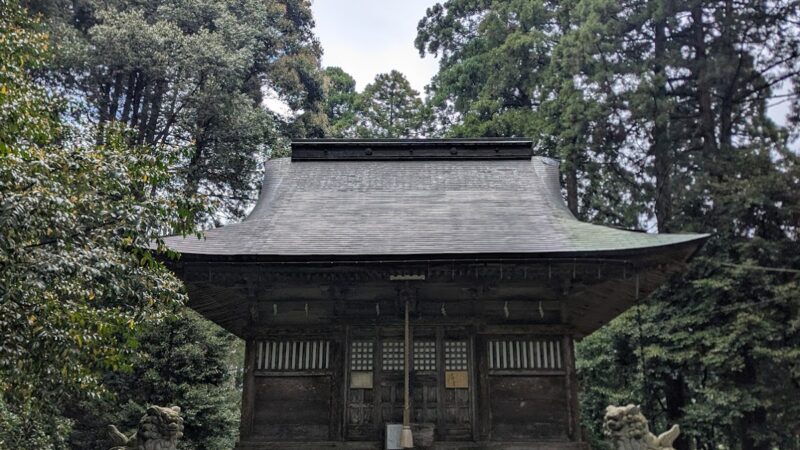
Ensho-ji Temple’s main hall, called “Entsu-den,” is characterized by its elegant thatched roof. Its dignified appearance, befitting a monzeki temple, leaves a deep impression on visitors.
The temple grounds are enveloped in tranquility, allowing visitors to enjoy the beauty of nature throughout the seasons. The garden, while simple, is refined in its design, typical of Zen temples, and presents a particularly beautiful landscape during the autumn foliage season.
Besides the main hall, buildings such as the shoin (study hall) and kuri (monk’s quarters) are also located within the grounds, preserving the temple’s status as a monzeki temple. The architectural style strongly retains characteristics of the Edo period and holds significant architectural historical value.
Cultural Properties
Ensho-ji Temple houses many important cultural properties. The temple houses a collection of outstanding works of art unique to a monzeki temple, including Buddhist statues, paintings, calligraphy, and crafts, making them invaluable resources for understanding Japanese Buddhist culture.
Of particular note are the furnishings used by successive monzeki and items bestowed by the Imperial family. These are usually not open to the public, but some are displayed during special viewings.
Many Buddhist statues, including the principal image enshrined in the main hall, are preserved and carefully protected as important cultural assets that speak to the high artistic value and history of faith.
Location and Access
Location: 1312 Yamamachi, Nara City, Nara Prefecture
Transportation Access:
- Approximately 25 minutes on foot from JR Obitoke Station
- Approximately 5 minutes on foot from the “Yamamura-cho” bus stop (accessible by JR/Kintetsu Nara Station)
- Parking is limited, so advance confirmation is recommended.
Viewing is by reservation only, and public access is limited. If you wish to visit, we recommend contacting us by phone or other means in advance.
Ensho-ji Temple in Obama City, Fukui Prefecture
Ensho-ji Temple also exists in Obama City, Fukui Prefecture. Obama City is a historic port town facing Wakasa Bay and has long been a region with active exchanges with Kyoto.
Characteristics of Ensho-ji Temple in Obama City
Ensho-ji Temple in Obama is a temple with a long history as a center of local faith. Obama City is also known as “Nara by the Sea” and is known as a cultural city with many temples and shrines.
The temple’s founding date, sect, and cultural properties are deeply connected to the history of the region. As a temple that conveys the unique Buddhist culture of the Wakasa region, it has attracted the faith of local residents.
Access Information
For access to Ensho-ji Temple in Obama City, you can check the latest information on the official Obama City website. Access by JR Obama Line is the most common method.
Ensho-ji Temple in Suita City, Osaka Prefecture | Senri Yamada Kannon
In Suita City, Osaka Prefecture, there is Ensho-ji Temple, belonging to the Koyasan Shingon sect, and affectionately known as “Senri Yamada Kannon.”
History and Founding
Ensho-ji Temple in Suita City is said to have been founded in the third year of Ninju (853 AD) during the Heian period by Jikaku Daishi Ennin. It is an ancient temple boasting a history of over 1150 years since its founding.
At its peak, it is said that various halls and temple buildings were scattered throughout the former Yamada Village area (present-day northern Suita City), and it flourished as a center of Buddhist culture in the region.
Ensho-ji Temple Today
The current Ensho-ji Temple is located in the Senri Yamada area and functions as a place of worship for the local people and a center of cultural activities. As a temple of the Koyasan Shingon sect, it continues to uphold the traditions of esoteric Buddhism.
The temple grounds regularly host Buddhist services and events, fostering active interaction with local residents. It also actively promotes Buddhist culture, offering lectures and Zen meditation sessions.
Access Information
Location: Yamada, Suita City, Osaka Prefecture
Located near Senri New Town, it is accessible via the Osaka Monorail and Hankyu Railway. Detailed access information can be found on the Ensho-ji Temple official website.
Ensho-ji Temple in Kakogawa City, Hyogo Prefecture | Temple of Flowers
Ensho-ji Temple, located in Hiroo, Shikata-cho, Kakogawa City, Hyogo Prefecture, is a Jodo Shinshu Buddhist temple known as the “Temple of Flowers.”
History
Ensho-ji Temple in Kakogawa City is a historical temple founded in 1441. It relocated to its current location in 1998, continuing its new history.
Standing at the foot of Shiroyama Mountain overlooking Shikata Castle, it is a beautiful temple with striking white walls. Even after its relocation, it remains a center of faith for the community, supported by many parishioners.
Flowers of the Four Seasons
The reason Ensho-ji Temple is called the “Temple of Flowers” is because you can enjoy flowers of all seasons on its grounds.
Spring: Christmas roses, spirea, camellias, weeping plums, lilacs
Summer: Hydrangeas, trumpet vines (brightly decorating the white walls)
Autumn: Five-colored spider lilies, hibiscus
Winter: Weeping plums
From March to November, various flowers bloom in profusion, delighting the eyes of visitors. The summer scenery, especially with the trumpet vines adorning the white walls, is magnificent.
Access Information
Location: Hiroo, Shikata-cho, Kakogawa City, Hyogo Prefecture
Located in Shikata-cho, in the northern part of Kakogawa City. Convenient access by car, with parking available nearby. Many visitors come during the peak flowering season.
Ensho-ji Temple in Gose City, Nara Prefecture
There is also an Ensho-ji Temple in Gose City, Nara Prefecture. Gose City is located at the foot of Mt. Katsuragi and is a region with a long history dating back to ancient times.
Overview of Ensho-ji Temple in Gose City
Like Ensho-ji Temple in Gose City, it is a temple that conveys the history and culture of the region and attracts the faith of local residents. Gose City is a historical area where an ancient imperial capital once stood, and many temples and shrines are scattered throughout.
Ensho-ji Temple is an important temple that constitutes part of Gose City’s cultural assets and history, and efforts are being made to preserve and utilize it.
Access Information
Information on how to access Ensho-ji Temple in Gose City can be found on the official Gose City website. It is generally accessed by bus from Kintetsu Gose Station.
Ensho-ji Temple in Higashi-Harima, Hyogo Prefecture
There is also an Ensho-ji Temple in the Higashi-Harima region of Hyogo Prefecture, which is introduced as a tourist spot.
Ensho-ji Temple in Higashi-Harima
This temple is also known as a temple of flowers, with seasonal flowers adorning its grounds. Similar to Ensho-ji Temple in Kakogawa City, it is a temple beloved by the local community and strives to promote Buddhist culture through flowers.
It is also attracting attention as a local tourist resource and is featured on tourism information websites such as “Marugoto Higashi-Harima.”
Guidelines for Visiting Ensho-ji Temple
Manners for Visiting Monzeki Temples
When visiting monzeki temples, especially Ensho-ji Temple in Nara City, please pay attention to the following points:
- Advance Reservation: Many monzeki temples are not open to the public or require reservations. Always check in advance.
- Dress Code: Dress appropriately for a dignified temple.
- Photography: Many areas prohibit photography, so always check before taking pictures.
- Silence: Nunneries especially value silence, so please refrain from loud conversations.
How to Enjoy Flower Temples
When visiting flower temples like Ensho-ji Temple in Kakogawa City or Higashi-Harima, checking the best time to see the flowers each season will allow you to enjoy the scenery even more.
- Spring: March-May (Christmas roses, camellias, spirea)
- Summer: June-August (hydrangeas, trumpet vines)
- Autumn: September-November (red spider lilies, hibiscus)
- Winter: December-February (weeping plum blossoms)
Cultural Value of Ensho-ji Temple
Value as a Monzeki Temple
Monzeki temples, exemplified by Ensho-ji Temple in Nara City, occupy a special place in Japanese Buddhist culture. Through their connections with the Imperial family and court nobles, a high level of culture was nurtured, and many cultural assets have been passed down. Monzeki temples are not merely religious institutions; they continue to play a vital role in modern times as treasure troves of diverse Japanese culture, encompassing history, art, architecture, and crafts.
Bearers of Regional Culture
Ensho-ji temples throughout Japan have functioned as centers of faith and bearers of culture in their respective regions. They convey local history, serve as spiritual havens for residents, and provide venues for traditional events and cultural activities.
Ensho-ji temples, particularly those known as “flower temples,” embody the Japanese aesthetic of harmony between Buddhism and nature, offering peace of mind to visitors.
Access Information to Enshoji Temples in Various Locations
Enshoji Temple, Nara City
- Address: 1312 Yamamachi, Nara City, Nara Prefecture
- Nearest Station: Approximately 25 minutes on foot from JR Obitoke Station
- Bus: From JR/Kintetsu Nara Station, take the bus bound for “Yamamura-cho” and get off at “Enshoji” bus stop (5 minutes on foot)
- Visiting: Reservation required
Enshoji Temple, Suita City, Osaka Prefecture
- Address: Yamada area, Suita City, Osaka Prefecture
- Access: Use Osaka Monorail or Hankyu Railway
- Official Website: https://enshoji.net/
Enshoji Temple, Kakogawa City, Hyogo Prefecture
- Address: Hiroo, Shikata-cho, Kakogawa City, Hyogo Prefecture
- Access: Car is convenient
- Features: A temple known for its flowers, where you can enjoy seasonal blooms
Enshoji Temple, Obama City, Fukui Prefecture
- Access: Use the JR Obama Line
- Information: See the official Obama City website
Ensho-ji Temple, Gose City, Nara Prefecture
- Access: Take a bus from Kintetsu Gose Station
- Information: See the official Gose City website
How to Enjoy Visiting Ensho-ji Temples
Even though they share the same name, “Ensho-ji,” each temple in different locations has its own unique history and characteristics. By visiting the Ensho-ji temples scattered throughout the Kansai region, you can experience the diversity and regional characteristics of Japanese Buddhist culture.
Recommended Route
- Ensho-ji Temple, Nara City: Enjoy the prestige and cultural heritage of a monzeki temple
- Ensho-ji Temple, Gose City: Experience ancient history
- Ensho-ji Temple, Suita City, Osaka Prefecture: Visit an ancient temple in an urban area
- Ensho-ji Temple, Kakogawa City, Hyogo Prefecture: Enjoy the beauty of the seasons at this flower temple
By visiting Ensho-ji temples, each with its own unique charm—historical value, architectural beauty, natural beauty, and more—you can gain a deeper understanding of Buddhist culture.
Summary
Temples bearing the name “Ensho-ji” exist throughout Japan, each cultivating its own unique history and culture. From the dignified atmosphere of a monzeki temple like Ensho-ji in Nara City, to the history dating back to the Heian period at Ensho-ji in Suita City, and the seasonal flowers at Ensho-ji in Kakogawa City, each temple possesses diverse characteristics.
Visiting these temples offers a valuable opportunity to appreciate the profound depths of Japanese Buddhist culture. When visiting, we recommend taking a quiet and peaceful stroll, reflecting on the historical background, cultural assets, and local connections of each temple.
When planning your visit to each Ensho-ji temple, please check the latest information regarding visiting hours, reservation requirements, and transportation access beforehand, and be sure to observe proper etiquette during your visit. We encourage you to experience the unique charm of each Ensho-ji temple firsthand.