Complete Guide to Kitano Tenjin Shrine | History, Goshuin (Shrine Seals), and Access Information
Kitano Tenjin Shrines are shrines dedicated to Sugawara no Michizane, known as the god of learning, and are located throughout Japan. Among them, the Kitano Tenjin Shrine in Tokorozawa City, Saitama Prefecture, is of particularly high historical value and is listed in the Engishiki (ancient Japanese legal code). This article comprehensively introduces information you should know before visiting, including the history, enshrined deities, cultural properties, festivals, and access information for Kitano Tenjin Shrines throughout the country.
What is Kitano Tenjin Shrine?
Kitano Tenjin Shrine is a general term for shrines that enshrine Sugawara no Michizane as their main deity. Among the approximately 12,000 Tenmangu and Tenjin shrines nationwide, those bearing the name “Kitano” belong to a lineage of faith with Kitano Tenmangu in Kyoto as its head shrine.
Sugawara no Michizane was a scholar and politician of the Heian period who rose to the position of Minister of the Right. However, he became embroiled in political strife and was unjustly exiled to Dazaifu, where he died. After his death, he was enshrined as Tenjin and is revered throughout Japan as the god of learning and protection against misfortune.
Each Kitano Tenjin shrine in various locations has its own unique history and regional characteristics, but has developed around the worship of Michizane.
Kitano Tenjin Shrine in Tokorozawa City, Saitama Prefecture
History and Origin
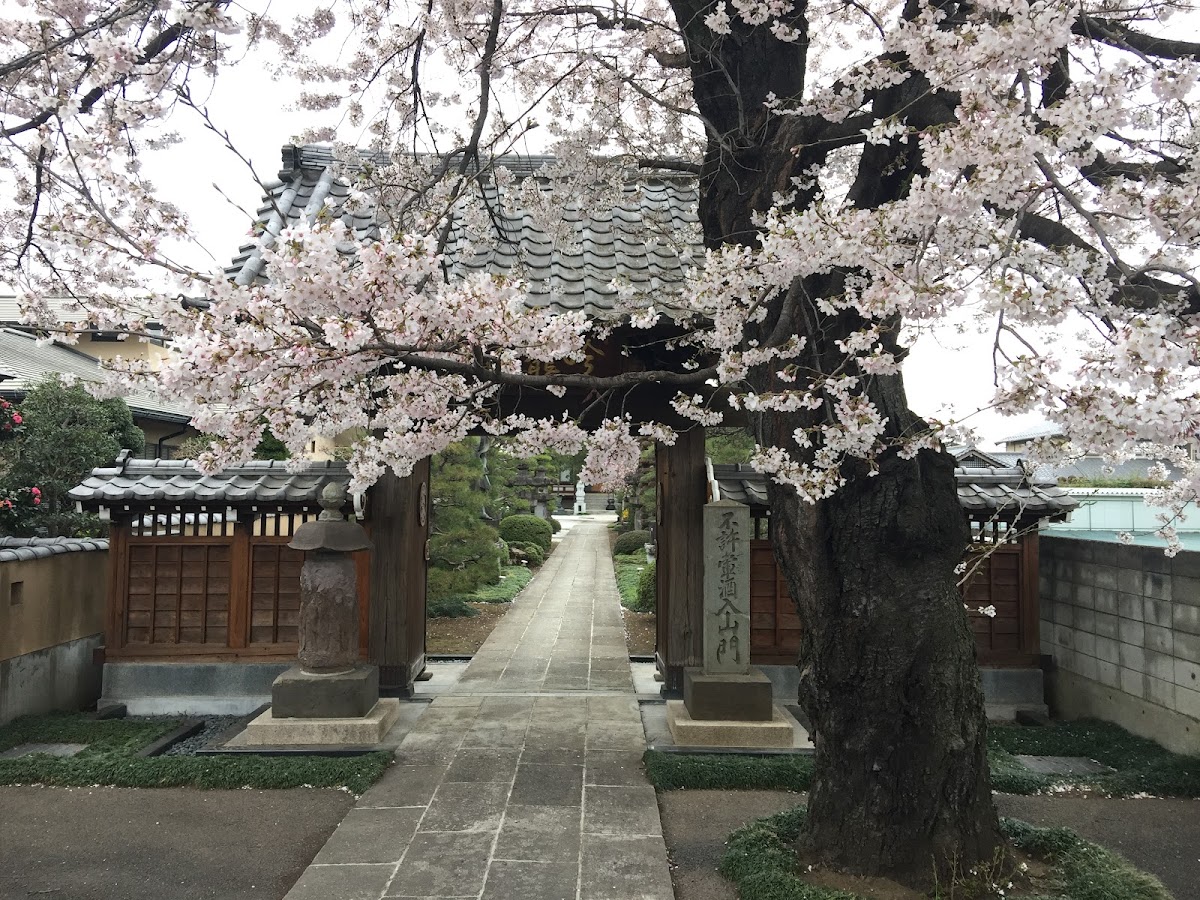
The Kitano Tenjin Shrine, located in Kotesashi Motomachi, Tokorozawa City, Saitama Prefecture, is a collective name for three shrines: Mononobe Tenjin Shrine, Kuniichigi Shrine, and Tenman Tenjin Shrine, and is the origin of the place name “Kitano.”
Mononobe Tenjin Shrine and Kuniichigi Shrine are known as Engishiki-listed shrines, and are venerable ancient shrines listed in the Engishiki Jinmyocho, a compilation of shrines from the early Heian period, over 1,000 years ago. There are only two Engishiki-listed shrines in Saitama Prefecture, and both are located at Kitano Tenjin Shrine, making them extremely valuable.
It is said that the shrine was founded in the 40th year of Emperor Keiko’s reign, during Yamato Takeru’s conquest of the eastern barbarians. In the 12th year of Emperor Kinmei’s reign, the deity of Musashino Kotesashihara and Yamato Takeru were enshrined together. In the first year of Chotoku (995), Sugawara no Osanari, the governor of Musashi Province and a descendant of Sugawara no Michizane, is said to have invited the deity from Kyoto’s Kitano Tenjin Shrine and worshipped it as Bando Daiichi Kitano Tenjin.
Because of this history, Kitano Tenjin Shrine in Tokorozawa City, Saitama Prefecture, has been revered by the local community as “Saitama Prefecture’s oldest Tenjin shrine“.
Deities Enshrined
- Sugawara no Michizane (Tenman Tenjin Shrine)
- Yamato Takeru (Mononobe Tenjin Shrine)
- Kuniichigi no Okami (Kuniichigi Shrine)
- Reijin of Musashino Kotesashihara
These deities are enshrined together, and are believed to bestow blessings for academic success, protection from misfortune, good fortune, and long-lasting military success.
Relationship with Samurai Clan
Kitano Tenjin Shrine is also known as a shrine that attracted the faith of samurai clans. It was revered by warlords such as Ashikaga Ujimitsu, Hojo Ujiteru, Maeda Toshiie, and Tokugawa Ieyasu, and many letters remain. In particular, Tokugawa Ieyasu, following the precedent of the Takeda clan, donated land to the shrine with a vermilion seal document.
Cultural Properties
Kitano Tenjin Shrine preserves numerous valuable cultural properties.
Kitano Tenjin Engi (Seven Scrolls) (Saitama Prefecture Designated Cultural Property)
The “Kitano Tenjin Engi (Seven Scrolls),” created in the early Muromachi period, is a picture story chronicling the life of Sugawara no Michizane from his birth to his enshrinement as Tenjin after his death. This work, which was also viewed by Emperor Meiji, is said to be the only colored silk painting of its kind in Japan and is designated as a Saitama Prefecture Cultural Property.
Mathematical Tablet
A mathematical tablet (sangaku) demonstrating the development of Japanese mathematics during the Edo period is also dedicated and preserved as a cultural property befitting a shrine dedicated to the god of learning.
Medieval Documents
Including the aforementioned letters from warlords, numerous valuable documents from the medieval period are stored here, serving as important resources for historical research.
Highlights of the Shrine Grounds
Main Hall
The current main hall was built during the An’ei era (1770s) and is a beautiful vermilion-painted shrine. The main hall and offering hall are relatively new buildings, rebuilt in 1994, but they retain the traditional style of shrine architecture.
Fumiko Tenjin Shrine
Within the shrine grounds stands the Fumiko Tenjin Shrine, worshipped as the god of silkworms. It is a valuable shrine that conveys the history of the region, where sericulture once flourished.
Aviation Shrine
The Aviation Shrine, associated with the Tokorozawa Army Air School (now Aviation Park), is also enshrined within the grounds. This shrine, rich in local character, demonstrates that Tokorozawa is the birthplace of aviation in Japan.
Festivals and Events
Kitano Tenjin Shrine holds various festivals and religious ceremonies throughout the year. Especially during exam season, many students preparing for entrance exams and those praying for academic improvement visit the shrine.
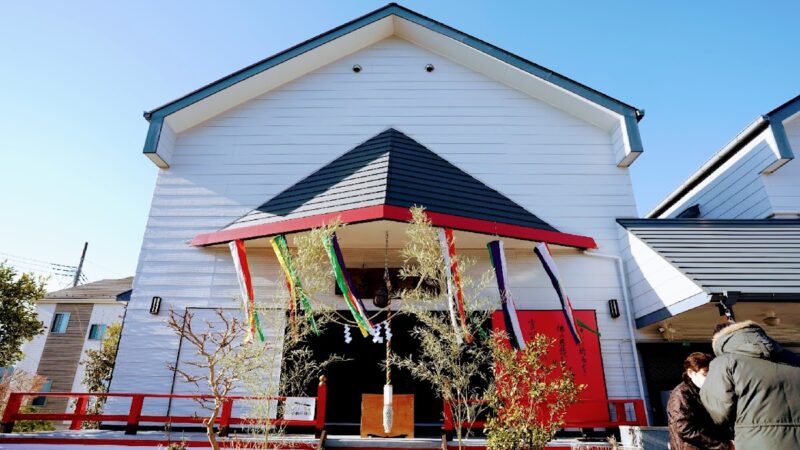
Aviation Shrine
Access and Transportation Information
Address: 3-28-44 Kotesashi Motomachi, Tokorozawa City, Saitama Prefecture
Access by Train:
- Approximately 15 minutes on foot from Kotesashi Station on the Seibu Ikebukuro Line
- Near Kotesashi Junior High School
Access by Car:
- Parking available
Shrine Office: Distribution of sacred items and acceptance of Goshuin (shrine stamps) are available during visiting hours.
Kitano Tenjin Shrine, Konan City, Aichi Prefecture
History and Founding
Kitano Tenjin Shrine, located in Konan City, Aichi Prefecture, was founded in 1654 (Shoo 3). It is conveniently located a 3-minute walk east from Konan Station on the Meitetsu Inuyama Line and is popular with local residents and worshippers.
Deity and Divine Virtues
Sugawara no Michizane is enshrined here as the deity, revered as the god of learning and protection against misfortune. Michizane devoted himself to learning from a young age, served the imperial court as a scholar of literature, and rose to the position of Minister of the Right. Due to his academic talent and sincere character, he is worshipped throughout Japan as the god of academic success and passing exams.
Visitor Demographics
The shrine attracts a wide range of visitors, including many students preparing for entrance exams, students striving to improve their academic abilities, and working adults aiming for professional qualifications.
Access and Transportation Information
Address: Konan City, Aichi Prefecture
Access by Train:
- Get off at Konan Station on the Meitetsu Inuyama Line, and walk east for approximately 3 minutes.
Parking: Parking spaces are available nearby (please inquire at the shrine office for details).
Telephone Number: Please contact the shrine office for inquiries regarding worship and prayers.
Kitano Tenjin Shrine in Yamanashi Prefecture
History and Origin
Kitano Tenjin Shrine, located in Yamanashi Prefecture, is also a shrine with a long history. In the first year of Eikyo (1436), it became the Ichinomiya (first shrine) of the surrounding area, and an Ichinomiya plaque was dedicated.
Relationship with the Takeda and Tokugawa Families
In the first year of Genki (1570), Lord Takeda Shingen donated over 2 koku and 1 to of land to the shrine. In the 11th year of Tensho (1583), when Tokugawa Ieyasu entered the region, he followed the precedent of the Takeda family and donated the same amount with a vermilion seal document.
Shrine Renovation
In 1717 (Kyoho 2), the main shrine building was remodeled with a scale-shaped roof, and a worship hall was constructed. In 1734 (Kyoho 19), a stone torii gate was erected. Later, the shrine was granted the highest rank of Sho-ichii Kitano Tenjin Shrine, recognizing it as a highly prestigious shrine.
Access Information
Address: Yamanashi Prefecture (For details, please contact the Yamanashi Prefectural Tourism Association)
Transportation: Convenient access by car. Parking available.
Etiquette for Visiting Kitano Tenjin Shrine
Basic Principles of Worship
- Bow before passing through the torii gate.
- Purify yourself at the water basin: Purify your left hand, right hand, mouth, and the hilt of your left hand in that order.
- Avoid walking in the center of the path: The center is considered the path of the gods.
- Bow twice, clap twice, and bow once in front of the main hall: Bow deeply twice, clap your hands twice, and finally bow once.
About Goshuin (Shrine Seals)
Each Kitano Tenjin shrine offers a goshuin as proof of your visit. Bring your goshuincho (seal book) and politely request one at the shrine office. The offering fee is usually around 300 to 500 yen.
Amulets and Souvenirs
Various amulets are available at each shrine, including those for academic success, passing exams, warding off evil, and good fortune. Special sets for passing exams may also be distributed during exam season. ## Differences from Tenmangu and Tenjin Shrines
Kitano Tenjin Shrine is a shrine that bears the name “Kitano” among the Tenmangu and Tenjin shrines throughout Japan. Its head shrine is Kitano Tenmangu in Kyoto, and many other shrines were established by inviting deities from there.
While there are various names such as “Tenmangu,” “Tenjin Shrine,” and “Tenman Tenjin Shrine,” they all share the commonality of enshrining Sugawara no Michizane. The name Kitano Tenjin Shrine is often used to emphasize its relationship with Kyoto’s Kitano Tenmangu.
Must-See for Exam Takers! Points for Praying for Academic Success
Best Time to Visit
The shrine is crowded with many visitors during the exam season from January to March. For those who want to pray in a calmer atmosphere, the earlier period from autumn to winter is recommended.
How to Pray
It is important to clearly communicate your specific goals (name of desired school, name of exam, etc.) in your mind. However, when visiting a shrine, don’t just “ask” the gods; make sure you also pledge your own efforts.
Ema (votive tablets) for Passing Exams
By writing your desired school and goals on an ema and offering it, you can renew your resolve. Write neatly, and include a message of gratitude.
Connections with the Community
Kitano Tenjin shrines throughout Japan have functioned not only as places of worship but also as centers of local communities.
The Kitano Tenjin shrine in Tokorozawa City, Saitama Prefecture, is the origin of the place name Kotesashi and plays an important role in shaping the region’s identity. The Kitano Tenjin shrine in Konan City, Aichi Prefecture, is located within walking distance of the station, making it a place of daily worship for local residents.
During festivals, local people gather, playing an important role as a place for the transmission of traditional culture and deepening community bonds.
Attractions as a Tourist Spot
Historical Exploration
As a shrine listed in the Engishiki (an ancient Japanese legal code) and associated with samurai warriors, it’s a must-see spot for history buffs. In particular, Kitano Tenjin Shrine in Tokorozawa City, Saitama Prefecture, houses numerous valuable cultural artifacts, including the “Kitano Tenjin Engi” (Legend of Kitano Tenjin), a Saitama Prefecture-designated cultural property.
Seasonal Scenery
The trees within the shrine grounds display different expressions throughout the seasons, and especially during the plum blossom season (February to March), the plum trees associated with Sugawara no Michizane bloom beautifully.
Combining with Nearby Sightseeing
Visiting Kitano Tenjin Shrine in Tokorozawa City in conjunction with nearby tourist spots such as Aviation Park, or Inuyama Castle in Konan City, will allow for a more fulfilling sightseeing experience.
Summary
Kitano Tenjin Shrine is a historic shrine dedicated to Sugawara no Michizane, the god of learning, with shrines dedicated to him throughout Japan. The Engishiki-listed shrine in Tokorozawa City, Saitama Prefecture, has a history of over 1,000 years, and the Kitano Tenjin Shrines in Konan City, Aichi Prefecture, and Yamanashi Prefecture also attract deeply rooted local devotions.
These shrines offer diverse attractions, from prayers for success in exams to historical exploration, appreciation of cultural artifacts, and exposure to local traditional culture. A deeper pilgrimage experience is possible by showing respect for the history and deities of each shrine.
For access information and visiting hours, it is recommended to check the official website or shrine office of each shrine in advance. Those wishing to obtain a goshuin (shrine stamp) or other items should also check the shrine office’s opening hours for a smoother experience.
If you are praying for academic success, passing exams, or protection from misfortune and good fortune, please visit your nearest Kitano Tenjin Shrine.