Complete Guide to Shorinji Temple: History, Highlights, and Access Information
Shorinji is the name of several temples located throughout Japan, each possessing its own unique history and culture. This article provides a detailed explanation of the historical background, architectural style, cultural assets, and visiting information for major Shorinji temples across the country.
What is Shorinji?
The name Shorinji refers to several temples located throughout Japan. The name “Shorin” often originates from the fact that many pine trees were planted on the temple grounds or that the temples were surrounded by pine forests. It has long been used as an auspicious name for Buddhist temples in Japan.
Each Shorinji temple belongs to a different sect and has played an important role as a center of local faith. Various sects of Shorinji temples exist, including Zen, Jodo, and Shingon Buddhism, each maintaining its own unique doctrines and practices.
Major Shorinji Temples Nationwide
Shorinji Temples in Tokyo
Several Shorinji temples also exist within Tokyo. Many temples in Kyoto have a history dating back to the Edo period and continue to function as centers of local faith even amidst increasing urbanization.
Many of the Matsubayashi-ji temples in Tokyo, despite being affected by the temple reforms of the Edo period and the Meiji Restoration, have maintained the danka system (parishioner system) and have continued to preserve their religious traditions to this day. Some temple grounds still contain Edo-period stone structures and valuable buildings that survived wartime destruction.
Matsubayashi-ji Temples in Kyoto Prefecture
Kyoto, as a center of Japanese Buddhism, is home to numerous historical temples. Matsubayashi-ji temples in Kyoto Prefecture also have long histories and often house many cultural artifacts.
Many of Kyoto’s Matsubayashi-ji temples were founded during the Muromachi and Edo periods, showcasing the unique temple architecture of Kyoto. Cultural assets embodying Kyoto’s traditional culture, such as gardens, sliding screen paintings, and Buddhist statues, are preserved.
Matsubayashi-ji Temples in Aichi Prefecture
Matsubayashi-ji temples also exist in Aichi Prefecture, deeply intertwined with local history. Reflecting the historical background of the Owari and Mikawa regions, they attract the faith of local residents. Some of the Matsubayashi-ji temples in Aichi Prefecture have connections to warlords and local powerful families from the Sengoku period, making them important resources for regional history research.
Matsubayashi-ji in Other Regions
From Hokkaido to Kyushu, temples named Matsubayashi-ji are scattered throughout Japan. Each has its own unique characteristics reflecting the climate, culture, and historical background of its respective region.
History of Matsubayashi-ji
Background of Founding
Many temples named Matsubayashi-ji were founded during the medieval and early modern periods. The background of their founding varies, including donations from influential local figures, founding by monks, and renaming of existing temples.
In Japanese culture, pine trees are considered symbols of longevity and prosperity. Including “Matsubayashi” (pine forest) in a temple’s name signified a wish for the perpetuation of Buddhist teachings and the prosperity of the temple. Furthermore, the tranquil environment surrounded by pine forests was chosen as a suitable place for ascetic practice and meditation.
Development during the Edo Period
During the Edo period, the shogunate’s religious policies established the temple registration system (danka system), and Matsubayashi-ji temples throughout the region became important components of local communities. Temples served not only as religious facilities but also played roles in education, welfare, and administration.
During this period, many Matsubayashi-ji temples developed their main halls, living quarters, and other temple buildings, and many of the buildings that remain today were constructed during this time. Furthermore, cultural assets such as Buddhist statues, ritual objects, and scriptures were enriched through donations from parishioners.
Changes after the Meiji Restoration
The anti-Buddhist movement following the Meiji Restoration caused many temples to face difficult times. Matsubayashi-ji temples were no exception, and some suffered damage such as the confiscation of temple lands, the destruction of buildings, and the dispersal of Buddhist statues.
However, thanks to the faith of local residents and the efforts of the monks, many Matsubayashi-ji temples survived and found new roles amidst the wave of modernization. Modern forms of temple management were established, including cemetery management, the performance of memorial services, and the maintenance of local communities.
Architecture and Grounds of Shorinji Temple
Characteristics of the Main Hall
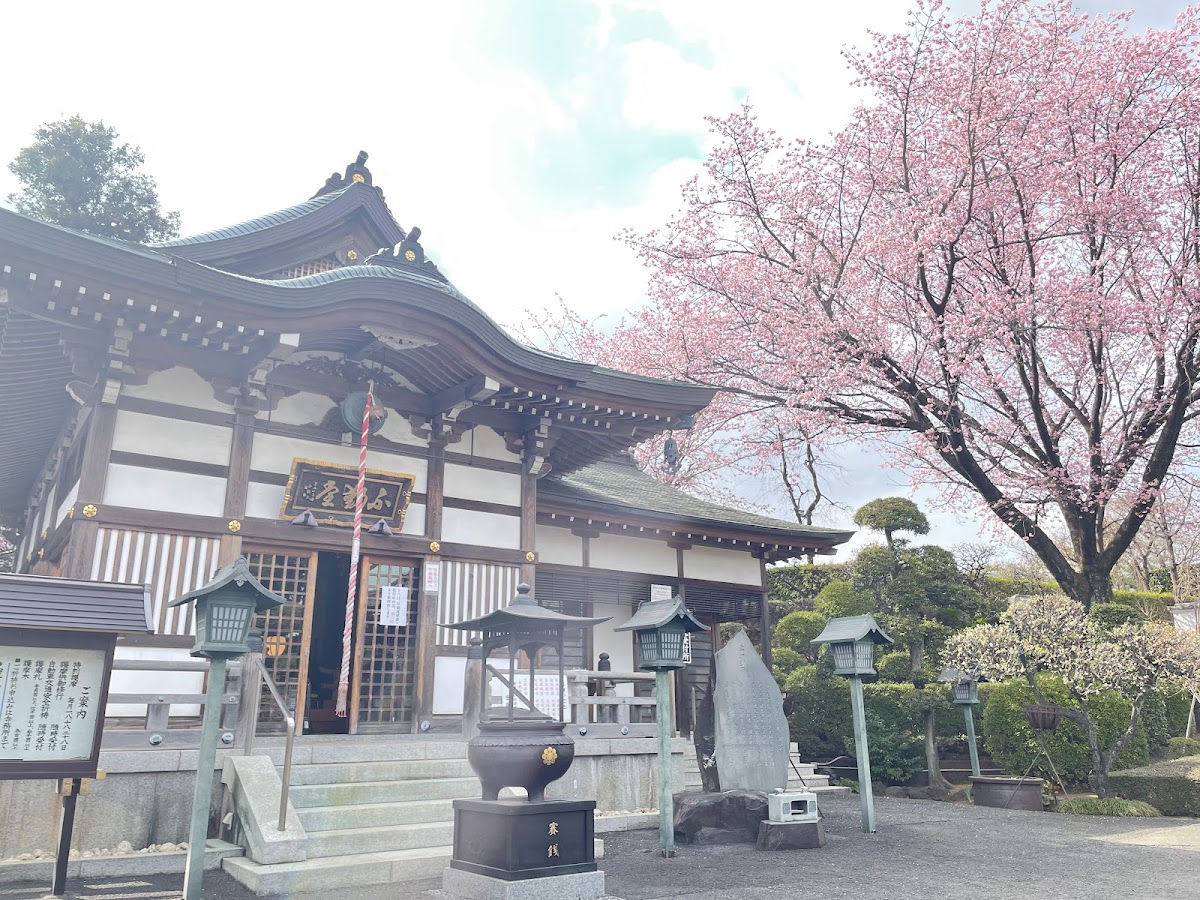
The main hall of Shorinji Temple exhibits various architectural styles depending on the sect and the time of its construction. Zen temples show influences from the Zen style (Tang style), while Jodo sect temples feature architecture based on the Japanese style; the characteristics of each sect are reflected in the architecture.
Inside the main hall, the principal image is enshrined, surrounded by attendant figures and statues of the founder. The decoration of the inner sanctuary and the construction of the altar also reflect the history and religious characteristics of each temple.
Temple Gate and Grounds Layout
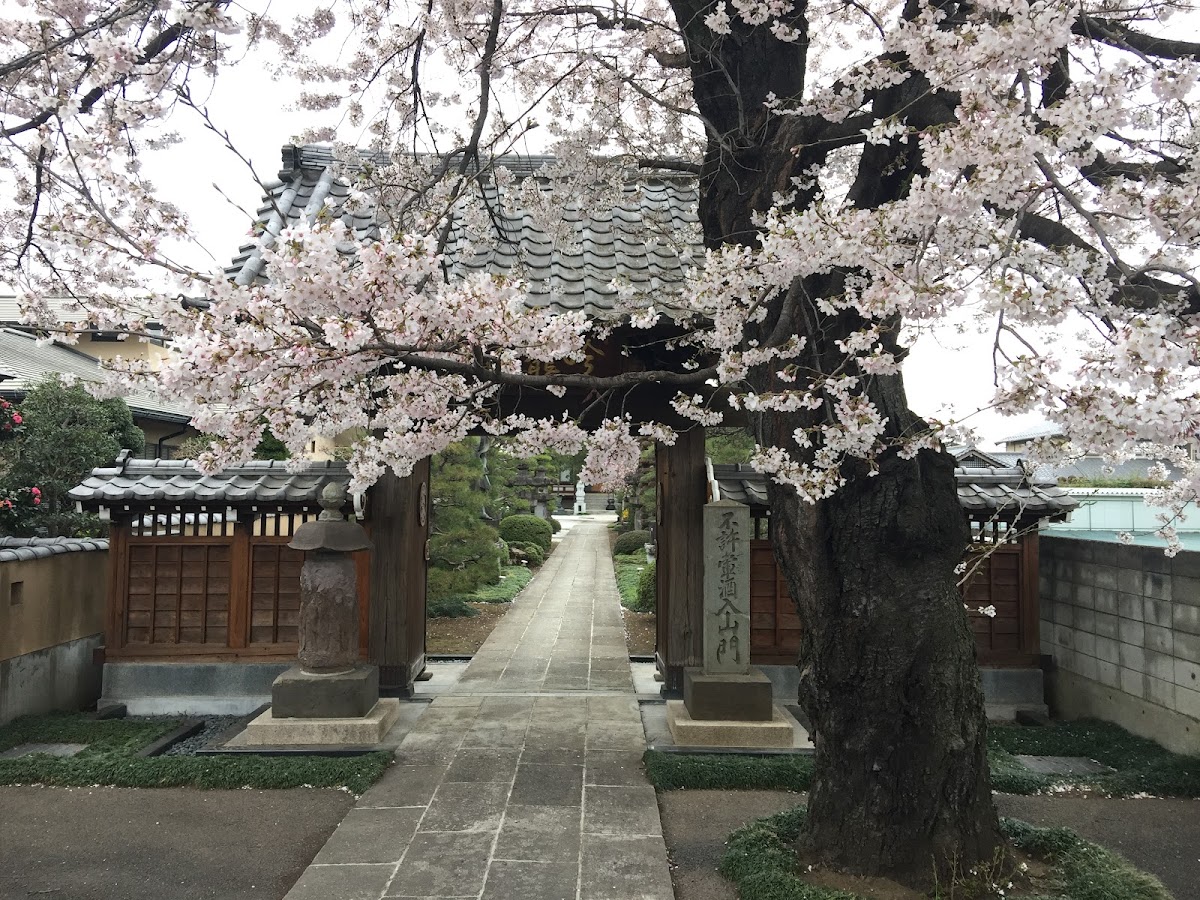
The temple gate, the entrance to the temple, is an important structure that separates the secular world from the sacred realm. Some temples in Shorinji have Nio statues enshrined in their temple gates, while others have magnificent gates in the style of a two-story gate.
The layout of the temple grounds varies depending on the topography, the time of its founding, and the sect, but generally, the temple gate, main hall, living quarters (for the head priest), bell tower, and cemetery are arranged. The temple grounds are planted with trees, including pine trees, allowing visitors to enjoy the beauty of nature throughout the seasons.
Gardens and Natural Environment
Some Matsubayashi-ji temples retain excellent gardens. These gardens, including dry landscape gardens and pond gardens, exhibit various styles, expressing the spirit of Zen and Pure Land Buddhism.
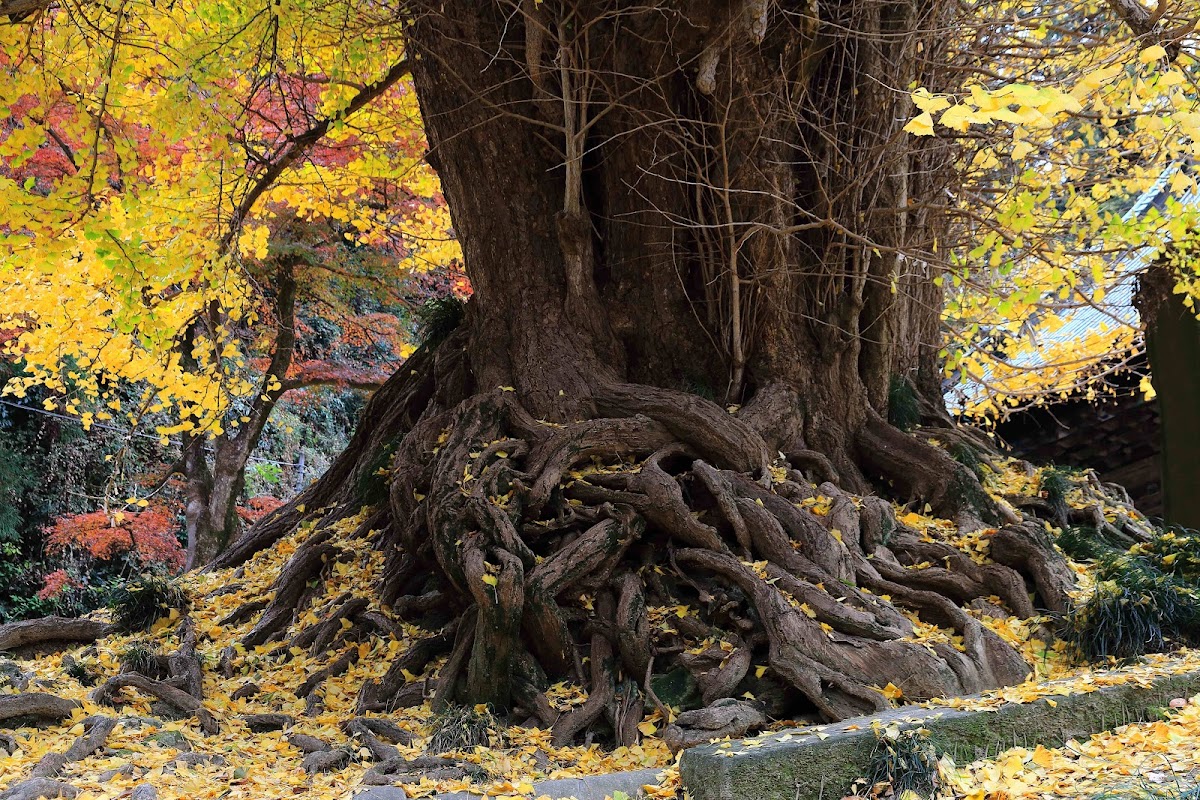
The pine forest within the temple grounds not only gives the temple its name but also serves as an important element providing tranquility and peace to visitors. Some of the ancient pine trees are hundreds of years old, serving as living witnesses to the temple’s history.
Cultural Assets of Matsubayashi-ji Temple
Buddhist Statues and Paintings
Matsubayashi-ji temples throughout the region house Buddhist statues from various periods. Visitors can see statues with characteristics of each era, including ancient Buddhist statues from the Heian and Kamakura periods, Zen Buddhist style statues from the Muromachi period, and decorative Buddhist statues from the Edo period.
The principal images enshrined at the temple include statues of Shakyamuni Buddha, Amida Buddha, Yakushi Buddha, and Kannon Bodhisattva, reflecting the beliefs of the sect and region. Some Matsubayashi-ji temples house valuable Buddhist statues designated as Important Cultural Properties or Prefectural/City-designated Cultural Properties.
Buildings and Crafts
The main hall and temple gate, built before the Edo period, are protected as culturally valuable architectural assets. They showcase the pinnacle of architectural technology of the time, including architectural style, woodworking techniques, and decorative carvings.
Furthermore, Buddhist implements such as the temple bell, incense burner, and candlestick, as well as documents such as scriptures and temple registers, are important cultural assets that convey the history of the temple. These include works by renowned craftsmen and calligraphers.
Ancient Documents and Records
Matsubayashi-ji temples sometimes preserve ancient documents recording their history since their founding. These documents, including temple histories, land donation records, parishioner records, and records of memorial services, serve as valuable primary sources for local history research.
These ancient documents are important sources of information not only for understanding the history of the temple, but also for understanding the changes in the local community, economic activities, and the lives of the people.
Annual Events at Matsubayashi-ji Temple
Major Buddhist Services and Events
Matsubayashi-ji Temple holds various Buddhist services and events throughout the year. While these vary depending on the sect, the following events are common:
New Year’s Events: A Shushō-e (New Year’s service) is held to pray for peace and a bountiful harvest in the new year. Many worshippers visit for the ringing of the temple bell on New Year’s Eve and for the first shrine visit of the year.
Spring Events: Important Buddhist events such as the spring equinox service and the Hanamatsuri (Buddha’s Birthday celebration) are held.
Summer Events: The Obon (Buddhist festival) service and Urabon-e are held, and many parishioners gather to honor their ancestors.
Autumn Events: In addition to the autumn equinox memorial service, some temples hold the founder’s memorial service or other special memorial services.
Winter Events: Events that mark the end of the year are held, such as the Jōdō-e (a memorial service commemorating the enlightenment of Buddha) and the ringing of the temple bell on New Year’s Eve.
Special Events
Each Shōrinji temple has its own unique special events. These include the founder’s memorial service held on the anniversary of the founder’s death, the main deity’s festival day, and events linked to local festivals. These events, deeply connected to local culture, are passed down through generations.
These events strengthen the bonds of the local community and serve as important opportunities to pass on traditional culture to the next generation.
Information on Visiting Shōrinji Temple
Manners for Visiting Temples
When visiting a temple, it is important to observe basic manners.
Bow at the Temple Gate: Before passing through the temple gate, bow to prepare yourself to enter the sacred realm from the secular world.
Procedure for Washing Hands: If there is a water basin for washing hands and mouth, please wash your hands and mouth before praying.
Worship at the Main Hall: Stand before the main hall, quietly clasp your hands together in prayer, bow once, offer your donation, and then clasp your hands together again in prayer. Unlike Shinto shrines, clapping is not practiced at temples.
Behavior on the Temple Grounds: Walk quietly on the temple grounds, refrain from speaking loudly, and avoid eating or drinking outside designated areas. Photography is only permitted in permitted areas.
About Goshuin (Temple Seals):
Many Matsubayashi-ji temples offer Goshuin. Goshuin are handwritten in your Goshuincho (stamp book) as proof of your visit.
To receive a Goshuin, please request it at the sutra hall or temple office after completing your prayers. Pay the Goshuin fee (usually around 300-500 yen) and hand over your Goshuincho. It may take some time during busy periods, so we recommend visiting with plenty of time to spare.
Goshuin (temple stamps) are not merely stamp rallies; they are important symbols of connection with Buddha. Please handle them with respect and keep them safe.
Visiting Hours and Admission Fees
Visiting hours and admission fees for Shorinji Temple vary depending on the temple. Generally, the following forms exist:
Free Visiting: The temple grounds are always open, and you can visit for free. However, the interior of the main hall and the treasure hall may be closed to the public.
Restricted Visiting Hours: Visiting hours may be set, such as from 9:00 AM to 5:00 PM. Hours may be shortened during winter.
Admission Fee: Admission fees may be required when special cultural properties are on display or when visiting the gardens (usually around 300-500 yen).
It is recommended to check the website or call each temple in advance.
Access to Shorinji Temple
Access by Public Transportation
Access methods to various Shorinji Temples vary greatly depending on their location. Matsubayashi-ji temples in urban areas are often easily accessible by public transportation such as trains and buses.
Access by Train: Some temples are within walking distance of the nearest station, while others require a bus or taxi from the station.
Access by Bus: If a local bus goes near the temple, you can access it on foot from the nearest bus stop. Since bus services are infrequent in some areas, it’s important to check the timetable in advance.
Access by Car
If accessing by car, you need to check the availability of parking in advance.
Parking: Some temples have parking lots for visitors, but space may be limited, and they can be full during peak seasons. You may need to use nearby paid parking lots.
Car Navigation: If you cannot search by temple name, search by address or phone number. Be aware that roads may be narrow for temples in mountainous areas.
Nearby Tourist Attractions
When visiting Matsubayashi-ji temple, combining your visit with a visit to nearby tourist attractions will make your trip more fulfilling. It’s a good idea to plan a sightseeing route that combines local historical buildings, museums, and natural landscapes.
Obtaining information from local tourism associations and tourist information centers will help you create an efficient sightseeing route.
Matsubayashi-ji Temple and the Local Community
The Danka System and Temple Management
Many modern Matsubayashi-ji temples are supported by the danka system. A danka is a family that belongs to a specific temple and financially supports its maintenance and operation.
Danka request funerals and memorial services from the temple, and the temple manages the ancestral worship and cemeteries of the danka. This reciprocal relationship ensures that the temple has a long-term operational base, and that danka can continue their faith and memorial services for generations.
Center of the Local Community
Matsubayashi-ji Temple plays an important role not only as a religious facility but also as a center of the local community.
Gathering Place: The temple grounds and main hall are sometimes used as venues for local gatherings and events.
Cultural Transmission: Through temple events and festivals, the traditional culture of the region is passed down to the next generation.
Education and Welfare: Some temples conduct educational and welfare activities, such as events for children and gatherings for the elderly.
Modern Challenges and Initiatives
Modern temples face various challenges, including a decline in parishioners, a lack of successors, and the aging of buildings. Matsubayashi-ji Temple is no exception.
In response to these challenges, many temples are undertaking the following initiatives:
Creating Open Temples: Holding Zen meditation sessions, sutra copying sessions, and Dharma talks for the general public, opening the temple to people other than parishioners.
Utilization of Cultural Assets: Making cultural assets in their possession public and widely disseminating their cultural value.
Information Dissemination: Using websites and social media to widely disseminate information about the temple’s activities and Buddhist teachings.
Community Collaboration: Collaborating with other temples, shrines, and cultural facilities in the region to enhance the temple’s value as a tourist resource.
Buddhist Teachings Learned at Shorinji Temple
Doctrines of Each Buddhist Sect
The doctrines and practices of Shorinji Temple differ depending on the Buddhist sect to which it belongs.
Zen Buddhism: Through practice centered on seated meditation, the aim is to discern one’s true nature and attain enlightenment.
Jodo Buddhism/Jodo Shinshu Buddhism: Believing in the original vow of Amida Buddha, the aim is to attain rebirth in the Pure Land by chanting the Nembutsu (invocation of Amida Buddha).
Shingon Buddhism: Based on the teachings of Esoteric Buddhism, the aim is to attain Buddhahood in this lifetime by chanting mantras and contemplating mandalas.
Nichiren Buddhism: The Lotus Sutra is considered the supreme scripture, and the aim is to attain Buddhahood by chanting the title “Namu Myoho Renge Kyo”.
The teachings of each sect are reflected in the ceremonies, events, and daily practices at Shorinji Temple.
Experiences such as Zen Meditation and Sutra Copying
Many Matsubayashi-ji temples offer opportunities for the general public to experience Buddhist practices.
Zen Meditation Sessions: Zen meditation sessions are held regularly, mainly at Zen temples. Beginner-friendly instruction is available, allowing participants to learn the proper etiquette and mindset for Zen meditation.
Sutra Copying Sessions: Sutra copying, such as the Heart Sutra, is a practice for calming the mind and connecting with Buddhist teachings. Many temples hold sutra copying sessions, and beginners are welcome to participate.
Dharma Talks: These are opportunities to listen to lectures on Buddhist teachings by the head priest. Participants can learn Buddhist wisdom that can be applied to daily life.
These experiences are popular with many people, regardless of their religion or beliefs, as opportunities for inner peace and self-reflection.
Summary
Matsubayashi-ji is a historical temple name found throughout Japan, each preserving its own unique history, culture, and beliefs. The ancient architecture, cultural treasures, beautiful gardens, and deep ties to the local community are major attractions of Matsubayashi-ji Temple.
In modern society, temples are not merely religious institutions; they play diverse roles as places to seek peace of mind, experience traditional culture, and serve as hubs for local communities. A visit to Matsubayashi-ji Temple will allow you to experience Japanese history and culture, the teachings of Buddhism, and enjoy a truly enriching experience.
Each Matsubayashi-ji Temple has its own unique characteristics and charm. Before visiting, researching the history, cultural treasures, and events of the temple will lead to a deeper understanding and a more profound experience. Finding peace of mind in the tranquil temple grounds and listening to Buddhist teachings will be a valuable experience in our busy modern lives.
We hope your visit to Matsubayashi-ji Temple will be a memorable and meaningful experience.