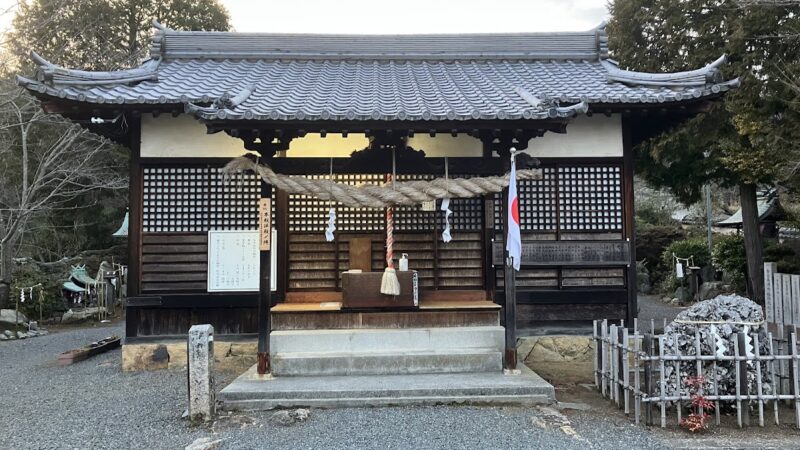
Complete Guide to Sogenji Temple | A Thorough Explanation of the Historic and Famous Temples of Okayama, Toyoake, and Yokosuka
There are several temples named “Sogenji” throughout Japan, each with its own unique history and culture. This article provides a detailed explanation of the history, highlights, and access information for the particularly famous Sogenji temples in Okayama City, Toyoake City (Aichi Prefecture), and Yokosuka City (Kanagawa Prefecture). Understanding the characteristics of each temple will allow for a deeper understanding and appreciation during your visit.
What is Sogenji? An Overview of Famous Temples Scattered Across Japan
The name “Sogenji” is commonly found in Zen Buddhist temples. “Sogen” means the origin of Zen, and originates from Caoxi Baolin Temple, the founder of Chinese Zen Buddhism. Therefore, this name is often given to Zen Buddhist temples of the Rinzai and Soto schools, and each Sogenji temple has its own distinct sect, history, and characteristics.
This article will provide a detailed explanation of the following three major Sogenji temples:
- Sogenji Temple in Okayama City: A renowned Rinzai Zen temple known as the family temple of the Ikeda clan.
- Sogenji Temple in Toyoake City: A Soto Zen temple deeply connected to the Battle of Okehazama.
- Sogenji Temple in Yokosuka City: A historical temple said to have been founded by Gyoki.
Sogenji Temple in Okayama City | History and Charm of the Ikeda Family’s Family Temple
History and Tradition from Tensho 16 (1588)
Sogenji Temple, located in Maruyama, Naka-ku, Okayama City, is a Zen temple belonging to the Myoshinji branch of the Rinzai school. Its mountain name is Gokokuzan, and it is widely known as the family temple of the Ikeda clan, lords of the Bizen Okayama domain. The principal image is the Eleven-Faced Kannon Bodhisattva.
The history of this temple dates back to Tensho 16 (1588). Originally, it was built in Himeji by Ikeda Terumasa, the lord of Himeji Castle, to commemorate his father, Ikeda Tsuneoki. Later, in 1698 (Genroku 11), Ikeda Tsunamasa, the lord of Okayama Domain, relocated and rebuilt it at its current location to commemorate his great-great-grandfather Nobuteru and his father Mitsumasa, and to pray for his own soul.
Ikeda Family Cemetery and Historical Value
Behind the main hall of Sogenji Temple lies the Ikeda family cemetery. Here, successive lords of Okayama Domain, from the second lord Ikeda Tsunamasa to the twelfth lord, and their families, rest, making it an important historical site indispensable to understanding Okayama’s history.
The cemetery is neatly arranged, a valuable cultural heritage that conveys the burial customs of Edo-period daimyo families. The tranquil space evokes a sense of historical weight and solemnity in visitors.
A Garden Known for its Autumn Foliage
Sogenji Temple in Okayama is very famous locally as a place where you can see beautiful autumn leaves in the middle of the city. The pond-centered strolling garden displays different expressions throughout the seasons, but it attracts many worshippers and tourists, especially during the autumn foliage season.
The garden is a valuable example of Edo period garden design techniques, with stone arrangements and plantings centered around the pond creating a magnificent landscape. Despite being in an urban area, it maintains a tranquil atmosphere and is cherished by citizens as a space to calm the mind.
The Origin of the Alternate Name “Kappa Temple”
Sogenji Temple in Okayama is also known as “Kappa Temple.” The origin of this name dates back to the Edo period.
According to legend, a kappa (water imp) that lived in the nearby Asahi River was captured after playing a trick on humans. However, the abbot of Sogenji Temple took pity on the kappa, lectured it, and released it back into the river. It is said that the kappa repaid the favor by causing clear water to spring forth from the temple’s well. Since then, this temple has been affectionately known as “Kappa Temple.”
This legend reveals a facet of Okayama’s folk culture and illustrates the deep connection temples had with their local communities.
Access and Visiting Information for Okayama Sogenji Temple
Location: 1069 Maruyama, Naka-ku, Okayama City, Okayama Prefecture
Access:
- Approximately 15 minutes by car from JR Okayama Station
- Approximately 10 minutes on foot from Higashiyama/Okaden Museum Station on the Okayama Electric Railway Higashiyama Line
- Immediately after alighting at the Sogenji bus stop
Parking: Parking available for visitors (limited spaces; public transportation is recommended during peak seasons such as autumn foliage)
Visiting Hours: Grounds are open freely (please check for viewing the interior of the main hall)
Closed Days: None in particular (may be closed for religious services, etc.)
Admission Fee: Free to enter the grounds (separate fees may apply for special viewings)
Sogenji Temple in Toyoake City, Aichi Prefecture | The Battle of Okehazama and Imagawa Yoshimoto
Deep Connection to the Battle of Okehazama
Located in Sakae-cho, Toyoake City, Aichi Prefecture, Sogenji Temple is a Soto Zen Buddhist temple founded in 1505 by Abbot Jitsuda Ion. This temple is particularly famous for its deep connection to the Battle of Okehazama, one of the most dramatic battles in Japanese history.
On May 19, 1560, after the Battle of Okehazama, in which Oda Nobunaga defeated Imagawa Yoshimoto’s large army in a surprise attack, the abbot of Sogenji Temple respectfully mourned the many fallen soldiers at the Warriors’ Mound. This act of offering prayers without distinction between friend and foe is recounted as an embodiment of the Buddhist spirit of compassion.
Imagawa Yoshimoto’s Memorial Tablet and Historical Heritage
The main hall of Sogenji Temple houses the memorial tablet of Imagawa Yoshimoto, who was killed in the Battle of Okehazama. The fact that the memorial tablets of famous generals from the Sengoku period are still carefully preserved speaks volumes about the historical value of this temple.
Standing before the memorial tablets, memories of the fierce battles of over 460 years ago come flooding back, and one can feel the weight of history firsthand. Every year, around the anniversary of the Battle of Okehazama, a memorial service is held, attended by history enthusiasts and local residents.
The Temple Gate, a City-Designated Tangible Cultural Property
Of particular note at Sogenji Temple in Toyoake City is its temple gate, designated as a city-designated tangible cultural property. Built in November of the second year of the Kyoho era (1717), this gate is a valuable cultural asset that preserves the architectural style of the mid-Edo period.
The imposing gate is meticulously crafted down to the smallest detail, showcasing the high skill of the carpenters of the time. The carvings and structural designs are also beautiful, making it a building of high architectural and historical value.
The First Temple of the New Shikoku 88 Temple Pilgrimage
Sogenji Temple is also known as the “First Temple of the New Shikoku Pilgrimage.” This means it is the first temple on a regional pilgrimage route modeled after the Shikoku 88 Temple Pilgrimage, and it is a sacred site visited by many pilgrims.
Pilgrimage culture spread among the common people during the Edo period, and “mini Shikoku pilgrimage sites” were created in various places. Sogenji Temple in Toyoake is the starting point of these pilgrimages and continues to attract many believers. The temple grounds are equipped with facilities for pilgrims and continue to fulfill its role as a pilgrimage site.
Access and Visiting Information for Toyoake Sogenji Temple
Location: 45 Uchiyama, Sakae-cho, Toyoake City, Aichi Prefecture
Access:
- Approximately 20 minutes on foot or 5 minutes by car from Meitetsu Nagoya Main Line “Zengo Station”
- Approximately 25 minutes on foot from Meitetsu Nagoya Main Line “Chukyo Racecourse Station”
- Approximately 5 minutes by car from National Route 1 “Ano Intersection”
Parking: Parking available for visitors
Visiting Hours: Grounds are open freely (prior contact recommended for viewing the interior of the main hall)
Closed Days: None in particular
Admission Fee: Free
Events: Memorial service for the Battle of Okehazama (around May every year), events related to the New Shikoku Pilgrimage, etc.
Sogenji Temple in Yokosuka City, Kanagawa Prefecture | An ancient temple founded by Gyoki
A History Originating from Sogenji Temple
Located in Kugo-cho, Yokosuka City, Kanagawa Prefecture, Sogenji Temple is a historic temple with a history dating back to “Sogenji Temple (Sogenji),” which is said to have been founded by the Nara period high priest Gyoki.
Gyoki (668-749) was a prominent monk of the Nara period and was involved in the construction of the Great Buddha of Todaiji Temple. He is said to have traveled throughout Japan, carrying out social projects and building many temples, bridges, and reservoirs. Sogenji Temple in Yokosuka is one of the temples associated with Gyoki, boasting a history of over 1200 years.
The Twelve Divine Generals Standing Statues Featuring a Snake Deity
What is particularly noteworthy at Sogenji Temple in Yokosuka is the Twelve Divine Generals standing statues. The Twelve Divine Generals are warrior gods who protect Yakushi Nyorai (Medicine Buddha) and are assigned to the twelve signs of the Chinese zodiac.
Among the twelve standing statues of the Heavenly Generals at Sogenji Temple, the statue of the Serpent God is particularly renowned for its outstanding sculptural beauty. Its exquisite carving techniques and powerful expression captivate visitors. These Buddhist statues are carefully preserved as valuable cultural assets of the region.
A Hub of History and Culture on the Miura Peninsula
Kugo-cho in Yokosuka City is located in the central part of the Miura Peninsula and has long been a transportation hub. Sogenji Temple has supported the local community throughout its long history as a center of faith and culture in this region.
Many temples and shrines were built on the Miura Peninsula from ancient to medieval times, and a unique Buddhist culture flourished. Sogenji Temple played a part in this, and remains an important presence that conveys the region’s history to the present day.
Access and Visiting Information for Yokosuka Sogenji Temple
Location: Kugocho, Yokosuka City, Kanagawa Prefecture
Access:
- Approximately 15 minutes on foot from Keikyu Line “Horinouchi Station”
- Take a bus from JR Yokosuka Line “Kinugasa Station,” then a short walk from the nearest bus stop
Parking: Please check
Visiting Hours: Grounds are open freely (Please contact the temple directly for details)
Closed Days: None in particular
Admission Fee: Generally free (Separate fees apply for special viewings)
Points to Note When Visiting Sogenji Temples in Various Locations
Visiting Manners and Precautions
When visiting a temple, please observe the following basic manners:
- Dress Code: Modest, understated clothing is preferable
- Photography: Permission is often required to photograph inside the main hall or of Buddha statues. Please check in advance.
- Quietness: Please be quiet on the temple grounds and be considerate of other visitors.
- Offering: When visiting, please offer a monetary donation to express your gratitude.
- Smoking and Eating: Smoking and eating are prohibited on the temple grounds in principle.
Recommended nearby spots
Around Sogenji Temple in Okayama:
- Okayama Castle: A famous black castle within walking distance.
- Korakuen Garden: One of Japan’s three most beautiful gardens, showcasing its beauty in every season.
- Okayama Prefectural Museum of Art: Experience local art and culture.
Around Sogenji Temple in Toyoake:
- Okehazama Battlefield Park: Experience the battlefield.
- Imagawa Yoshimoto’s Grave: A memorial tower built near the site of his death.
- Toyoake City Historical and Folk Museum: Learn about local history.
Around Sogenji Temple in Yokosuka:
- Kinugasa Castle Ruins: The site of the Miura clan’s castle.
- Manshoji Temple: An ancient temple associated with the Miura clan
- Yokosuka Museum of Art: A beautiful museum overlooking the sea
Seasonal Highlights
Spring (March-May):
- The temple grounds are beautifully adorned with cherry blossoms
- The fresh greenery is beautiful, and you can feel the refreshing air
- A memorial service for the Battle of Okehazama is held in Toyoake (May)
Summer (June-August):
- Feel the coolness in the lush green temple grounds
- Some temples have lotus flowers in bloom
- Summer memorial services and events are sometimes held
Autumn (September-November):
- You can enjoy magnificent autumn foliage at Sogenji Temple in Okayama
- Autumn equinox memorial services are held
- The weather is pleasant, making it the perfect season for visiting temples
Winter (December-February):
- A peaceful place to pray in the tranquil temple grounds
- The temples are bustling with the ringing of the New Year’s Eve bells and New Year’s visits
- The Beauty of Snowscapes (Snowy Regions)
Cultural Assets and Religious Significance of Sogenji Temple
Characteristics as a Zen Buddhist Temple
Both Sogenji Temple in Okayama (Rinzai Zen sect) and Sogenji Temple in Toyoake (Soto Zen sect) are Zen Buddhist temples. Zen Buddhism emphasizes practice centered on seated meditation and is characterized by “no dependence on written words” and “transmission outside the scriptures.”
The grounds of Zen temples possess a simple beauty, stripped of unnecessary elements, and the gardens are designed to express the spirit of Zen. You can experience spaces that condense uniquely Japanese aesthetics, such as rock gardens and dry landscape gardens.
Role as a Family Temple
Sogenji Temple in Okayama served as the family temple of the Ikeda family, conducting funerals and memorial services for the feudal lord’s family. A family temple is a temple that enshrines and commemorates the ancestral spirits of a specific family or clan.
During the Edo period, for daimyo families, their family temples were not merely burial grounds, but also places to demonstrate their family’s prestige. By maintaining magnificent temple buildings and gardens, and inviting accomplished monks, they showcased the daimyo family’s status and cultural refinement.
As a Center of Regional Faith
Sogenji temples throughout Japan have functioned as centers of faith in their respective regions for many years. They were deeply involved not only in funerals and memorial services, but also in local festivals and annual events, supporting community cohesion.
Even today, these temples play an important role as spiritual havens for local residents and as places to convey history and culture.
Experiences Gained from Visiting Sogenji Temples
Dialogue with History
By visiting Sogenji temples throughout Japan, you can experience Japanese history firsthand. In Okayama, you can feel the daimyo culture of the Edo period; in Toyoake, the turbulent Sengoku period; and in Yokosuka, the Buddhist culture from the Nara period—each offering a glimpse into the spirit of a different era.
Ancient buildings, Buddhist statues, gardens, and other cultural assets are not merely relics of the past, but living history that conveys the faith, aesthetic sense, and technical skills of the people of that time.
Peace of Mind and Meditation
The tranquil atmosphere of temples offers an excellent opportunity to escape the hustle and bustle of everyday life and calm the mind. Especially at Sogenji Temple in Okayama and Toyoake, which are Zen temples, you may be able to experience Zen meditation (advance confirmation required).
Spending time slowly while gazing at the gardens will allow you to confront yourself and refresh your mind.
Understanding Japanese Culture
Sogenji Temple encapsulates traditional Japanese culture through its architecture, gardens, Buddhist statues, calligraphy, and paintings. By appreciating these, you can gain a deep understanding of the Japanese aesthetic sense and spirituality.
In particular, the gardens are created using the “shukkei” technique, which condenses and idealizes nature, creating a uniquely Japanese art form that gives a sense of infinite expanse within a limited space.
Summary: The Charm of Visiting Sogenji Temples
Sogenji temples, scattered throughout Japan, each possess their own unique history and culture, offering different experiences and emotions to visitors. From the prestige of Okayama’s Ikeda family ancestral temple, to Toyoake’s deep connection to the Battle of Okehazama, and Yokosuka’s ancient history founded by Gyoki—understanding the individuality of each temple enriches the pilgrimage experience.
With relatively good access and numerous other tourist attractions nearby, they are ideal bases for historical exploration and cultural experiences. There are no specific closing days, and visits are possible year-round, but special experiences can be found during events and the autumn foliage season.
When visiting a temple, it is recommended to check the latest information on their website, including parking availability and access methods, beforehand. As a valuable opportunity to experience Japanese history and culture, please visit the various Sogenji temples throughout Japan. A memorable experience awaits you.