Complete Guide to Choju-ji Temple | The Charm of the National Treasure Main Hall and the Three Mountains of Konan, from Visiting Information to Seasonal Highlights
Located in Konan City, Shiga Prefecture, Choju-ji Temple is an ancient Tendai sect temple boasting a history of over 1200 years, founded during the Nara period. Its main hall, designated a National Treasure, the worship of the Koyasu Jizo Bodhisattva, and its status as one of the Three Mountains of Konan continue to attract many visitors. This article provides a detailed explanation of Choju-ji Temple’s history, cultural assets, visiting information, and seasonal highlights—all essential information to know before your visit.
What is Choju-ji Temple? | An Ancient Tendai Sect Temple with 1200 Years of History
Choju-ji Temple is a Tendai sect temple located in Higashidera, Konan City, Shiga Prefecture, with the mountain name Ashozan (or Aboshisan). While Jōraku-ji Temple, also located in Konan City, is known as “Nishi-dera” (West Temple), Chōju-ji Temple is affectionately known as “Higashi-dera” (East Temple).
History of its Founding and Ryōben Sōjō
The founding of Chōju-ji Temple dates back to the late Nara period. According to tradition, it was founded by Ryōben Sōjō, known as the founder of Tōdai-ji Temple, at the behest of Emperor Shōmu. Ryōben was a prominent high-ranking priest of the Nara period, and his involvement in its founding speaks to the high status of Chōju-ji Temple.
Transition from the Heian Period to the Kamakura and Muromachi Periods
In the early Heian period, a restoration was carried out, and the temple’s foundation was established. Although it declined for a time afterward, Minamoto no Yoritomo in the early Kamakura period, and the Ashikaga shogunate in the Muromachi period, renovated and remodeled the temple buildings as a place of prayer, supporting the temple’s prosperity. The temple still houses a decree from Ashikaga Takauji, making it a valuable historical document demonstrating its deep connection with the Muromachi Shogunate.
Position within the Konan Three Mountains
Choju-ji Temple, along with Joraku-ji Temple and Zensui-ji Temple, is one of the “Konan Three Mountains.” All three Konan Three Mountains are ancient temples of the Tendai sect, known for possessing national treasures and important cultural properties. Among them, Choju-ji Temple has the longest history, and the architectural style of its national treasure main hall strongly reflects the characteristics of the Heian period.
National Treasure Main Hall | Conveying the Architectural Beauty of the Heian Period
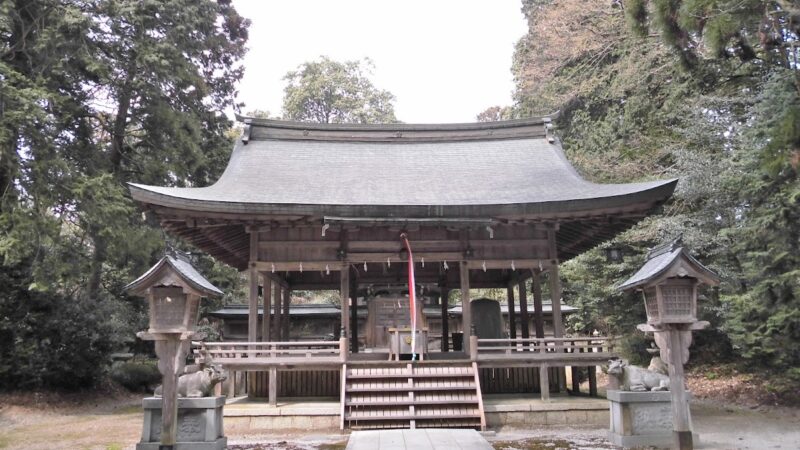
The greatest highlight of Choju-ji Temple is its main hall, designated a national treasure. This building, with its cypress bark roof, is a valuable cultural property that conveys the architectural style of the late Heian period to the present day.
Architectural Features of the Main Hall
The main hall is a five-bay, five-deep irimoya-zukuri style building, characterized by its cypress bark roof. Reconstructed in the late Heian period, it exhibits a typical style of Japanese architecture. From the pillars and brackets to the eaves, every detail showcases the pinnacle of Heian-era architectural technology.
As the oldest building among the three temples of Konan, and given the scarcity of contemporary buildings, it is extremely important for understanding temple architecture of that era. The spatial composition and decoration inside the hall are magnificent, evoking the elegance of the Heian period in the hearts of visitors.
History and Value of National Treasure Designation
The main hall of Choju-ji Temple has been designated a National Treasure in recognition of its historical and architectural value. Existing examples of Heian-era buildings are limited, making it particularly valuable as a temple building remaining in a regional area. It occupies an important position in architectural history research and is a building of high academic value, visited by many researchers.
Koyasu Jizo Bodhisattva | Benefits of Fertility, Safe Childbirth, and Longevity
The principal image of Choju-ji Temple is the Koyasu Jizo Bodhisattva. This Jizo Bodhisattva has been revered by local people for over 1200 years as a protector of children.
The Faith of Koyasu Jizo Bodhisattva
The Koyasu Jizo Bodhisattva was enshrined with the heartfelt prayer, “Please protect our children.” During the Nara and Heian periods, a time of high infant mortality, it became an object of worship for parents praying for their children’s healthy growth.
Even today, worshippers continue to visit the temple to pray for fertility, safe childbirth, and the health of their children. Furthermore, due to the temple’s name, “Choju” (meaning “longevity”), it is also a place of strong faith for longevity, attracting worshippers of all ages.
Jizo Statues Along the Approach
Numerous small Jizo statues line the approach to Choju-ji Temple. These Jizo statues wear adorable aprons, handmade by the head priest’s wife. Finding these Jizo statues while walking along the approach is one of the pleasures of visiting Choju-ji Temple.
Cultural Properties of Choju-ji Temple | Valuable Buddhist Statues and Buildings Other Than the National Treasure Main Hall
Besides the National Treasure Main Hall, Choju-ji Temple houses numerous other important cultural properties.
Seated Amida Buddha Statue
A seated Amida Buddha statue is enshrined in the main hall. This statue, believed to be from the Heian period, is characterized by its serene expression and elegant form, demonstrating the high level of Buddhist sculpture at that time.
Other Buddhist Statues
Choju-ji Temple houses several Buddhist statues, including the principal image, the Koyasu Jizo Bodhisattva. These were created from the Heian to Kamakura periods and are valuable resources for understanding the evolution of Buddhist art in each era.
Ashikaga Takauji’s Proclamation
As mentioned above, a proclamation by Ashikaga Takauji, the first shogun of the Muromachi Shogunate, is preserved here. This is a historical document indicating that Choju-ji Temple was highly regarded as a place of prayer by the Muromachi Shogunate.
Seasonal Highlights | From Spring’s Fresh Greenery to Autumn’s Foliage
Choju-ji Temple is blessed with beautiful nature throughout the four seasons, displaying different expressions with each passing season.
Spring at Choju-ji Temple | Fresh Greenery and Flower Festival
In spring, the temple grounds are enveloped in fresh greenery. From late April to early May, the Flower Festival is held, attracting many visitors. The bamboo grove along the approach to the temple also presents a beautiful, lush green appearance, creating a refreshing atmosphere for worship.
Autumn Foliage Season
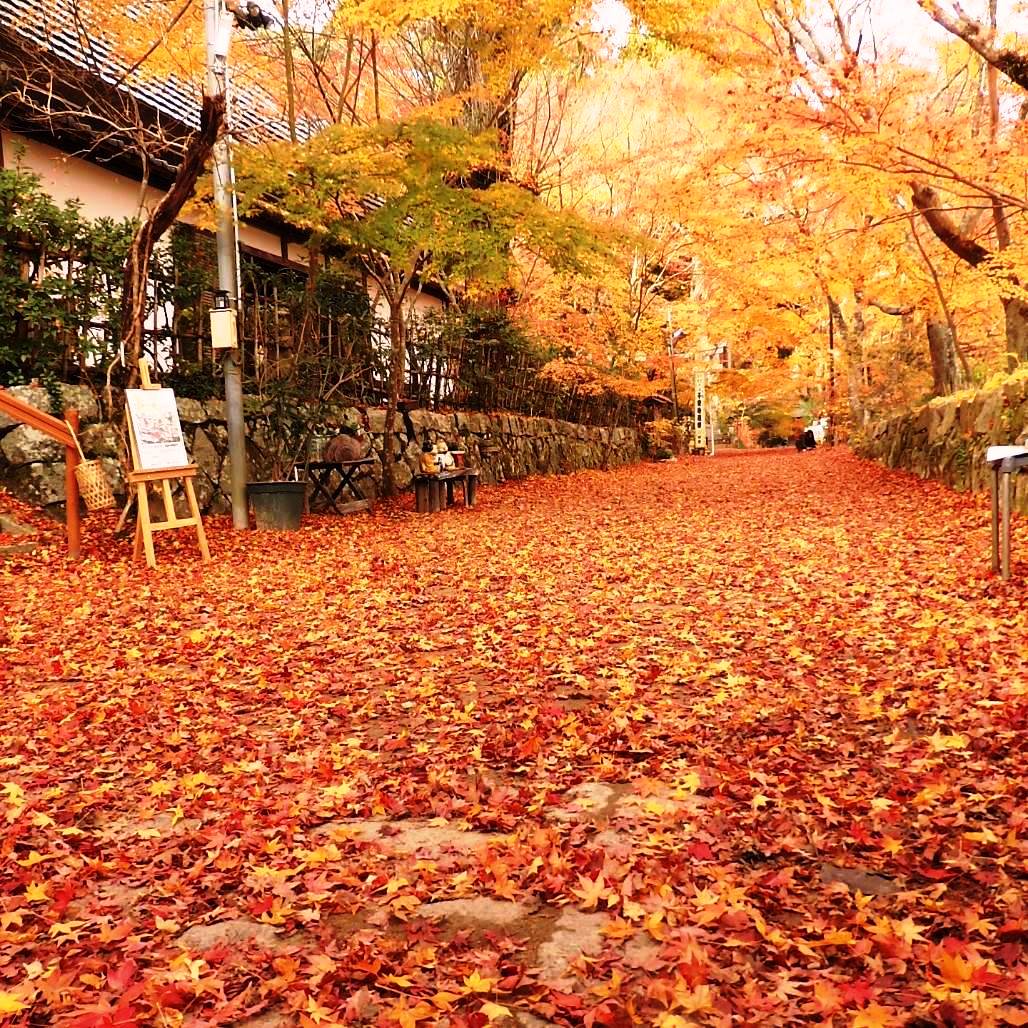
The time when Choju-ji Temple attracts the most visitors is the autumn foliage season. The maple trees lining the approach to the temple turn vibrant colors, and combined with the cypress bark roof of the National Treasure main hall, it creates an exceptionally beautiful scene.
The walk along the approach surrounded by bamboo groves, enjoying the autumn leaves, and arriving at the main hall in about 15 minutes, is truly perfect for a leisurely stroll. During the visiting days from October to November, many camera enthusiasts also visit.
Winter Silence and Onibashiri
In mid-January, the traditional festival “Onibashiri” takes place. This event is a deeply rooted local folk custom, offering a valuable opportunity to experience the connection between the history of Choju-ji Temple and local culture.
Visiting Information | Basic Information to Know Before Visiting
Choju-ji Temple is a temple that is only open to the public seasonally. When planning a visit, it is important to check the visiting period and conditions in advance.
Visiting Period and Hours
Choju-ji Temple is not open year-round; it is only open to the public on Fridays, Saturdays, Sundays, and public holidays during spring (April-June) and autumn (October-November). However, visits may be canceled in case of rain.
Visiting hours are usually from 9:00 AM to around 4:00 PM, but these may vary depending on the season and weather, so it is recommended to check the latest information on the official website or social media before visiting.
Admission Fee
The admission fee for individuals is approximately 500 yen for adults. For group visits, advance reservations are required. For group rates and reservation methods, it is recommended to contact the temple directly.
Need for Reservation
Reservations are generally not required for individual visits, but advance reservations are necessary for groups (generally 15 or more people). Especially during peak seasons such as the autumn foliage season, it is advisable to contact the temple in advance to ensure a smooth visit.
Access | By Car and Public Transportation
Choju-ji Temple can be accessed by both car and public transportation.
Access by Car
Access from Meishin Expressway:
- Via National Route 1 from Ritto IC or Ryuo IC
- Turn left at Ishibeguchi intersection
- Arrive in approximately 15-20 minutes
Parking is available near the temple grounds, but it can get crowded during peak seasons such as the autumn foliage season. When visiting the three temples of Konan, you can use the parking lot at Joraku-ji Temple and walk between them (approximately 15 minutes on foot from Joraku-ji to Choju-ji Temple).
Access by Public Transportation
Access by Train and Bus:
- Get off at Ishibe Station on the JR Kusatsu Line
- Take the community bus “Meguru-kun”
- Get off at the “Choju-ji” bus stop and it’s a short walk.
Since the number of buses is limited, it is recommended to check the timetable in advance. Alternatively, you can take a taxi from Ishibe Station (approximately 10 minutes).
Walking Route from Joraku-ji Temple
When visiting the three temples of Konan, it’s approximately a 15-minute walk from Joraku-ji Temple to Choju-ji Temple. You can enjoy a pleasant walk along a charming path surrounded by bamboo groves, allowing you to appreciate nature. Small Jizo statues line the path, adding to the enjoyment of your stroll.
The Symbol of Choju-ji Temple | The Meaning Represented by the Turtle and Stork
Choju-ji Temple has a symbolic design featuring a turtle and a stork. This combines animals considered symbols of longevity in the East, representing both the temple’s name, “Longevity,” and the “Fertility” associated with the Koyasu Jizo Bodhisattva.
The turtle is a symbol of longevity, as evidenced by the saying, “Cranes live for a thousand years, turtles for ten thousand,” while the stork, a bird that brings off babies, is a symbol of fertility. This symbol visually represents the essence of prayer that Choju-ji Temple has upheld for over 1200 years.
Visiting the Three Temples of Konan | Visiting Joraku-ji and Zensui-ji Temples Together
If you visit Choju-ji Temple, we recommend also visiting the other two temples of the Konan Three Temples: Joraku-ji and Zensui-ji.
Joraku-ji Temple (West Temple)
Joraku-ji Temple, the closest to Choju-ji Temple, is considered a counterpart to Choju-ji Temple as the “West Temple.” The main hall and the three-story pagoda are designated as National Treasures and Important Cultural Properties, respectively, and the beauty of the three-story pagoda is especially a must-see. It’s about a 15-minute walk from Choju-ji Temple, making it possible to visit both temples on foot.
Zensui-ji Temple
Zensui-ji Temple is the southernmost of the three temples of Konan, and its main hall is designated a National Treasure. Its name, “Zensui” (meaning “good water”), comes from a legend that it miraculously cured Emperor Kanmu’s illness. It’s about a 10-minute drive from Choju-ji Temple.
Efficient Route
If you want to visit all three temples of Konan in one day, the following route is efficient:
- Visit Zensui-ji Temple in the morning (the southernmost temple)
- Move to Joraku-ji Temple before noon (parking recommended)
- After visiting Joraku-ji Temple, walk to Choju-ji Temple (about 15 minutes)
- After visiting Choju-ji Temple, return to the Joraku-ji Temple parking lot
It is recommended to plan with ample time, taking into account the visiting hours of each temple.
Capturing the Charm of Choju-ji Temple in Photos | Photo Spot Guide
Choju-ji Temple is an ideal location for photography. The following spots are particularly recommended:
Bamboo Grove on the Approach
The approach, surrounded by a bamboo grove, is one of Choju-ji Temple’s iconic landscapes. The contrast between the green bamboo and the stone pavement is beautiful, and photography in the soft morning light is especially recommended.
National Treasure Main Hall and Autumn Leaves
During the autumn foliage season, the combination of the cypress bark-roofed main hall and the autumn leaves creates a spectacular view. Compositions from the front of the main hall are popular, as are compositions with the autumn leaves in the foreground from the side.
Jizo Statues on the Approach
The Jizo statues, each wearing a cute bib, are also unique subjects at Choju-ji Temple. Each has a different expression, making them enjoyable subjects for macro photography.
Precautions When Photographing
Photography may be prohibited inside the main hall, so please be sure to check before taking pictures. Furthermore, please be considerate of other visitors and we recommend obtaining permission in advance if you plan to use a tripod.
Nearby Tourist Attractions | Highlights of Konan City
When visiting Choju-ji Temple, you can also enjoy other tourist attractions in Konan City.
Other Temples of the Konan Three Mountains
The aforementioned Joraku-ji Temple and Zensui-ji Temple are major spots to visit along with Choju-ji Temple. Each has its own unique history and cultural assets, making them well worth a full day’s visit.
Aboshi-yama Mountain
Aboshi-yama Mountain (elevation 693.1m), which is also the mountain name of Choju-ji Temple, is a popular hiking course. From the summit, you can enjoy views of Lake Biwa and fully appreciate nature.
Michi-no-Eki Konan and Agricultural Products Direct Sales Stores
There are also facilities scattered throughout the area where you can purchase fresh local agricultural products and specialty goods. We recommend stopping by on your way back from your visit to enjoy the flavors of Konan City.
Guidelines for Visiting Choju-ji Temple | Manners and Preparation
When visiting Choju-ji Temple, please pay attention to the following points.
Clothing and Belongings
The approach to the temple is paved, but we recommend wearing comfortable shoes. Especially if you are walking from Joraku-ji Temple, it will take about 15 minutes. Please dress appropriately for the season; in summer, take precautions against the sun, and in autumn and winter, take precautions against the cold.
Visiting Manners
Temples are places of prayer. Please pray quietly and be considerate of other visitors. Maintain silence especially inside the main hall, and refrain from entering areas other than those designated.
Rainy Weather Measures
Choju-ji Temple may close for visitors during rainy weather. We recommend checking the weather forecast and contacting the temple in advance if rain is expected.
Summary | Experiencing 1200 Years of Prayers at Choju-ji Temple
Choju-ji Temple is a temple that has continued to uphold the prayer, “Please protect our children,” for over 1200 years. The Heian period main hall, designated a National Treasure, the fervent devotion to the Koyasu Jizo Bodhisattva, and the beautiful nature that changes with the seasons deeply move visitors.
As one of the three temples of Konan, it is a “living National Treasure temple” that continues to live alongside the local people, possessing cultural assets of high historical and cultural value. Combined with the special feeling of seasonal limited viewing, it is a temple that leaves an unforgettable impression on those who visit.
Choju-ji Temple displays different faces with each season, from the fresh greenery of spring to the vibrant autumn leaves. Walking along the approach surrounded by bamboo groves and offering prayers before the National Treasure main hall, you will feel the weight of 1200 years of history and the power of prayer that has been passed down continuously.
When visiting Konan City, Shiga Prefecture, be sure to visit Choju-ji Temple and experience its history, culture, and tranquil atmosphere. It will surely be a memorable pilgrimage experience.