Complete Guide to Taisanji Temple: A Thorough Explanation of Kobe’s Only National Treasure Building, History, Highlights, and Access
Located in Maekai, Ikawadani-cho, Nishi-ku, Kobe City, Taisanji Temple is an ancient Tendai sect temple possessing the only National Treasure building in Kobe City. Its mountain name is Sanshinzan, and its principal image is Yakushi Nyorai (Medicine Buddha). This temple, said to have been founded during the Nara period, is surrounded by abundant nature and attracts many worshippers and tourists as a famous spot for cherry blossoms in spring and autumn leaves in fall.
This article thoroughly explains the charm of Taisanji Temple, including its history, cultural assets such as the National Treasure main hall, highlights within the temple grounds, access methods, and surrounding tourist spots.
History of Taisanji Temple: The Story of an Ancient Temple Beginning with Fujiwara no Kamatari
Legend of its Founding in the Nara Period
The founding of Taisanji Temple is described in detail in the “Banshu Taisanji Engi” (History of Banshu Taisanji Temple), written in the first year of Ten’en (973). According to tradition, the temple was founded in 716 AD by Fujiwara no Umakai, the grandson of Fujiwara no Kamatari.
According to legend, while Umakai was recuperating at the hot springs of Akashiura Mayadani, Yakushi Nyorai (the Medicine Buddha) appeared to him in a dream. Following the Buddha’s instructions, he is said to have built a temple in this location. A magnificent founding story remains, stating that, at the request of Fujiwara no Kamatari, the temple was founded by his son, Jōe, and finally completed by his grandson, Umakai.
As an Imperial Temple of Empress Genshō
Taizanji Temple is also said to have been founded as an imperial temple of Empress Genshō, and from the beginning, it was a prestigious temple with deep ties to the imperial court. Known for its magnificent mountain temple architecture and the abundance of cultural artifacts it houses, it is one of the leading temples in the Harima region.
History of Fire and Reconstruction
A significant turning point in the history of Taisanji Temple was the fire of 1285 (Kōan 8). This fire destroyed the temple’s original buildings, but reconstruction began immediately, and the current main hall was rebuilt during the Einin era (1293-1299).
This rebuilt main hall is the building currently designated a National Treasure and is highly regarded as a masterpiece of Kamakura period Buddhist architecture. As an early example of the establishment of a new style of Buddhist hall accompanying the popularization of Buddhism, it is an extremely valuable historical structure in architectural history.
National Treasure – Taisanji Temple Main Hall: Kobe’s Only National Treasure Building
Architectural Style and Characteristics of the Main Hall
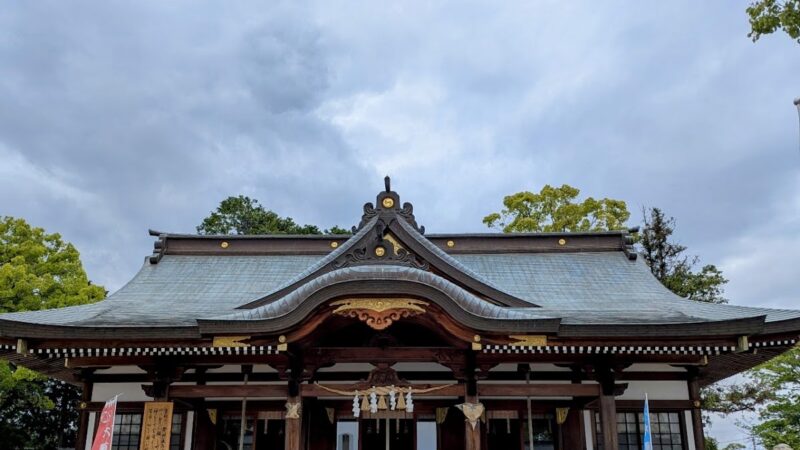
The Taisanji Temple Main Hall occupies an important position in architectural history as the only National Treasure building in Kobe City. Rebuilt during the Kamakura period, the main hall is remarkably large, measuring 20.82 meters across the front and 17.76 meters across the sides, boasting a magnificent and imposing presence.
The architectural style is that of a large hall with seven bays in length and six bays in width, featuring a hipped roof and copper roofing (originally cypress bark roofing). The floor plan is in the style known as the Esoteric Buddhist main hall style, and while the techniques are primarily Japanese, it features some eclectic elements, such as the inclusion of Chinese-style wooden brackets and the western half of the corbels being in the Chinese style.
Shitomido (sliding doors) on the front and traditional techniques
The front of the main hall is entirely covered with shoji (sliding doors), preserving ancient techniques. The magnificent building, situated on a platform reached by climbing stone steps from the approach and then another twenty-odd steps from the open courtyard, retains its appearance from its reconstruction approximately 700 years ago.
Arrangement of Buddhist statues inside the main hall
The principal image, Yakushi Nyorai (Medicine Buddha), is enshrined at the front of the main hall, with statues of the Four Heavenly Kings positioned to its left and right. Furthermore, the temple enshrines the Eleven-Faced Kannon, the principal image of the 25th temple of the New Saigoku Thirty-Three Kannon Pilgrimage, attracting many visitors.
Cultural Properties and Highlights within Taisanji Temple Grounds
Amida Hall: A Designated Important Cultural Property
The Amida Hall, designated as an Important Cultural Property, is the second most important building after the National Treasure Main Hall. This building, which retains the architectural style of the early Kamakura period, enhances the architectural value of Taisanji Temple along with the Main Hall. Located west of the Main Hall, the Amida Hall offers a tranquil atmosphere for worship.
Three-Storied Pagoda and Temple Grounds Layout
A three-storied pagoda also stands within the temple grounds, forming part of the temple complex along with the Main Hall and Amida Hall. A characteristic of Taisanji Temple as a mountain temple is its layout, which utilizes the natural terrain. The design allows visitors to experience the path of ascetic practice by climbing the stone steps and visiting each building.
Niomon Gate and Approach
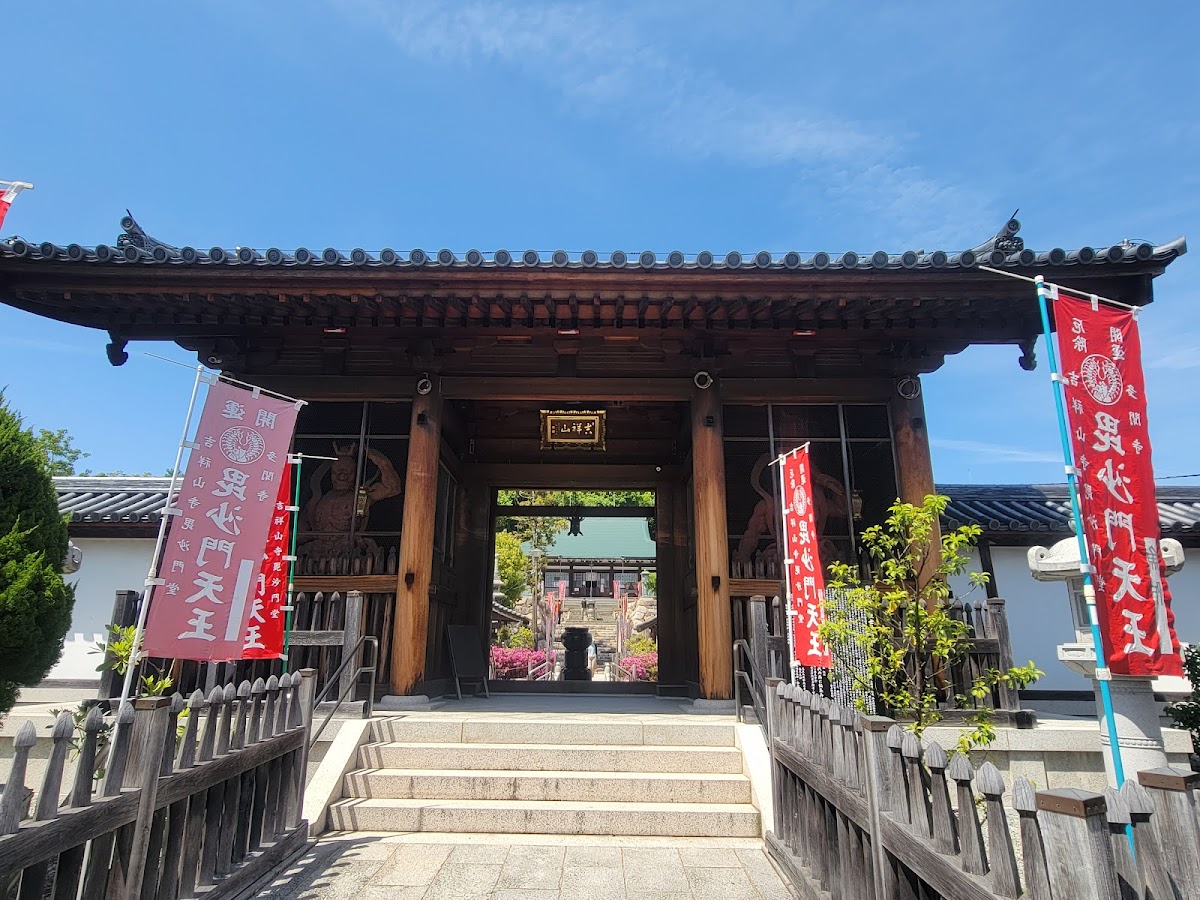
The Niomon Gate, the entrance to Taisanji Temple, is a dignified gate welcoming visitors. Passing through the Niomon Gate, a tree-lined approach continues, and as you ascend the stone steps, the sacred atmosphere of the temple grounds gradually intensifies.
Ikawa Rock-Carved Buddhas
Near the temple grounds are the Ikawa Rock-Carved Buddhas, testifying to the long history of this area as a place of worship. These rock-carved Buddhas, carved into natural rock, are valuable cultural assets that convey the depth of Taisanji Temple’s history.
Taisanji Temple’s Natural Environment: One of Hyogo’s Top 100 Forests
Protection of the Taisanji Scenic Area
The area inside and outside Taisanji Temple is a deep forest with remaining primeval forest, and the surrounding 55.9 hectares are protected as the “Taisanji Scenic Area.” This rich natural environment has been selected as one of “Hyogo’s Top 100 Forests,” making it a valuable space where you can feel the atmosphere of a deep mountain valley, even though it is within Kobe City.
Spring Cherry Blossoms and Autumn Foliage
Taizanji Temple is widely known as a famous spot for cherry blossoms in spring and autumn foliage in autumn. In spring, cherry blossoms bloom throughout the temple grounds, and the sight of the National Treasure main hall and the cherry blossoms together is breathtaking. In autumn, the surrounding mountains change color, and the temple grounds enveloped in autumn leaves present a fantastical beauty.
Combined with the mountain’s shape, consisting of three peaks, the ability to enjoy the natural beauty of each season is one of Taizanji Temple’s greatest attractions.
Pilgrimage and Taizanji Temple
Taizanji Temple is a pilgrimage site for several sacred sites, and many pilgrims visit it.
- New Saigoku Kannon Pilgrimage, No. 25
- Kobe Thirteen Buddhas Pilgrimage, No. 4
- Kobe Six Jizo Pilgrimage, No. 1
- Banshu Yakushi Pilgrimage, No. 1
- Akashi Saigoku Pilgrimage, No. 26
As a base for these pilgrimages, Taizanji Temple continues to play a vital role as a place of worship. It is also an important temple for pilgrims collecting temple stamps (Goshuin).
How to Access Taizanji Temple
Access by Car
Taizanji Temple is easily accessible by car. It is located about 10 minutes north from the Takamaru Interchange on the Daini-Shinmei Expressway via the Hanshin Expressway Kobe Line. There is also a route using the mountain bypass, allowing you to arrive from Sannomiya in about 30-40 minutes.
The temple grounds have a parking lot for visitors, making it convenient for those arriving by car.
Access by Public Transportation
If using public transportation, it’s about a 10-minute bus ride from Ikawadani Station on the Kobe Municipal Subway Seishin-Yamate Line. However, bus service is infrequent, so it’s recommended to check the timetable in advance.
Visiting Hours and Admission Fees
- Visiting Hours: 8:30 AM to 5:00 PM (until 4:30 PM in December, January, and February)
- Admission Fees: General admission is free, but special viewings of the main hall and other areas may require an additional fee.
Tourist Attractions Around Taisanji Temple
Taisanji Coffee Roasting Room
Located just before the Niomon Gate on your way back, the “Taisanji Coffee Roasting Room” is a perfect spot to relax after your visit. Enjoy authentic, freshly roasted coffee while savoring the lingering memories of your visit to Taisanji Temple. It’s known as a popular hidden gem of a cafe among locals.
Kobe Winery (Agricultural Park)
Located a little over 10 minutes north of Taisanji Temple, Kobe Winery (Agricultural Park) is another must-visit tourist spot. It produces and sells Kobe-grown wine, and visitors can enjoy wine tasting, shopping, and dining at the restaurant. The vast grounds are filled with seasonal flowers, making it a popular destination for families.
The Charm of the Ikawadani Area
Ikawadani-cho Maekai, where Taisanji Temple is located in Kobe’s Nishi Ward, is an area that retains abundant nature despite being within Kobe City. The tranquil rural landscape, with its beautiful green surrounding mountains, allows you to forget the hustle and bustle of the city.
Cultural Value and Future Preservation of Taisanji Temple
Importance in Architectural History
The main hall of Taisanji Temple, a reconstruction from the Kamakura period, is an extremely valuable historical structure that represents an early example of the new Buddhist temple style that emerged with the popularization of Buddhism. Its eclectic style, based on Japanese architecture but incorporating elements of Chinese architecture, tells the story of a crucial turning point in the history of Japanese architecture. ### As a Hub of Local Culture
Taizanji Temple is more than just a historical building; it continues to function as a center of local faith. Its role as a pilgrimage site, seasonal events, and interactions with local residents contribute to its high value as a living cultural asset.
Utilization as a Tourism Resource
Taizanji Temple also holds an important position in Kobe City’s tourism promotion. Its rarity as a National Treasure building, its rich natural environment, and its easy accessibility give it the potential to attract tourists from both Japan and abroad. Further promotion of its appeal is expected while maintaining a balance between appropriate preservation and utilization.
Summary: The Value of Visiting Taizanji Temple
Taizanji Temple is an ancient temple of extremely high architectural and cultural value, being the only temple in Kobe City with a National Treasure building. It boasts a rich historical background, including legends of its founding in the Nara period, stories related to Fujiwara no Kamatari, and a history of fire and reconstruction in the Kamakura period.
The magnificent architecture of the National Treasure main hall, the important cultural property Amida Hall, the three-story pagoda, and other temple buildings, along with the rich natural environment selected as one of “Hyogo’s 100 Best Forests,” deeply impress visitors. The beauty of each season, from cherry blossoms in spring to autumn foliage, is also not to be missed.
Its easy accessibility, just 30-40 minutes from Sannomiya, is another attractive feature, making it a convenient stop as part of a Kobe sightseeing trip. Combining a visit with nearby attractions like Taisanji Coffee Roasting Room or Kobe Winery will ensure a fulfilling day.
Taisanji Temple, where history and culture, nature and architecture harmonize, is a worthwhile tourist spot that you should definitely visit when in Kobe. See the National Treasure main hall up close and experience its historical significance and architectural beauty.