Miyake Shrine Complete Guide | History, Deities, and a Thorough Explanation of Miyake Shrines Nationwide
Miyake Shrine (宮ケ神社) is the name of several shrines located throughout Japan. Many of them originate from the ancient “Miyake” (宮倉), territories directly controlled by the Yamato court, and are deeply intertwined with local history. This article comprehensively explains the history, deities, origins, and characteristics of Miyake Shrines located in various places, including Suzuka City in Mie Prefecture, Kameoka City in Kyoto Prefecture, Miyazaki Prefecture, Sakyo Ward in Kyoto City (Miyake Hachiman Shrine), Matsubara City in Osaka Prefecture (Miyake Shrine), and Miyake Island.
Miyake Shrine (宮ケ神社) is a name of several shrines located throughout Japan. ## Table of Contents
- What is Miyake Shrine? – Origin of the Name and Relationship with Miyake
- Miyake Shrine in Suzuka City, Mie Prefecture – Estimated to be the Grand Shrine of Ise Province
- Miyake Shrine in Kameoka City, Kyoto Prefecture – An Ancient Shrine Dedicated to the God of Grain
- Miyake Shrine in Miyazaki Prefecture – Connection to the Hyuga Provincial Government
- Miyake Hachiman Shrine in Sakyo Ward, Kyoto City – A Shrine Associated with Ono no Imoko
- Miyake Shrine in Matsubara City, Osaka Prefecture – A Tenmangu Shrine Dedicated to Sugawara no Michizane
- Shrines on Miyake Island – Tomiga Shrine and Engishiki-listed Shrines
- Other Miyake Shrines – Shrines in Hiroshima Prefecture and Other Regions
- Common Points and Characteristics of Miyake Shrines
- Visiting Information and Access
What is Miyake Shrine? – Origin of the Name and Relationship with Miyake
The name “Miyake Shrine” originates from “Miyake,” an ancient Japanese term for a granary. Miyake-no-Miyakura were territories directly controlled by the Yamato court, established from the Kofun period to the Asuka period, and were important lands that formed the economic base of the court.
In the areas where Miyake-no-Miyakura were located, shrines were built to enshrine the guardian deities of the land and the gods involved in regional development. Many of these came to be called “Miyake Shrine” or “Miyake-no-Miyakura Shrine.” These shrines retain the name “Miyake” in place names and remain important cultural heritage sites that convey the history of the region to this day.
Many Miyake Shrines throughout Japan are characterized by being listed in the Engishiki Jinmyocho (a list of shrines compiled in the Heian period) or being ancient shrines with a long history dating back to antiquity. While each Miyake Shrine in different regions has its own unique deities and history, they all share a common root: the ancient Miyake-no-Miyakura system.
Miyake Shrine in Suzuka City, Mie Prefecture – Estimated Grand Shrine of Ise Province
History and Origin
Miyake Shrine, located in Kofu-cho, Suzuka City, Mie Prefecture, is an important shrine known as the estimated grand shrine of Ise Province. Miyake Shrine is a candidate for being a Shikinaisha (a shrine listed in the Engishiki), and its former rank was Village Shrine. While the exact founding date is unknown, its inclusion in the Engishiki Jinmyocho (compiled in 927) suggests it was founded at least before the Heian period.
As the place name Kokufu-cho indicates, this area was the political and administrative center where the ancient Ise Province’s provincial capital was located. Miyake Shrine, as an important shrine associated with this capital, has attracted the faith of the local community.
Deities
Miyake Shrine enshrines deities that have been revered as guardian deities of the region. In the late Meiji era, it merged with E Shrine (formerly a Village Shrine), another Shikinaisha candidate, and now enshrines multiple deities.
Main Hall and Grounds
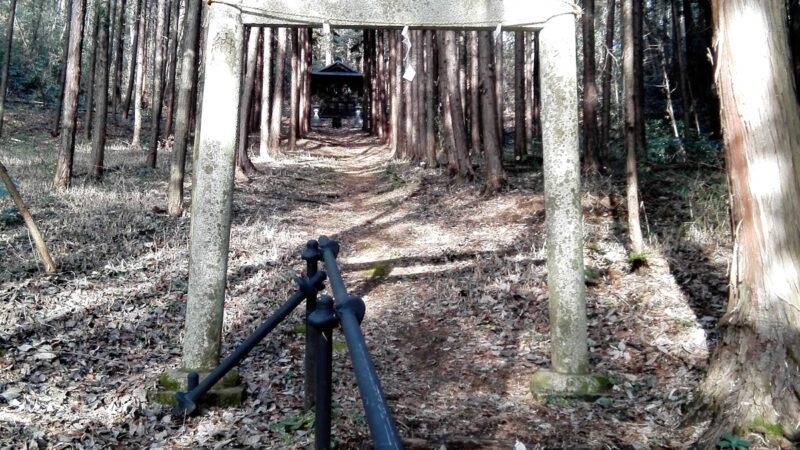
The main hall maintains a traditional shrine architectural style, and a solemn atmosphere permeates the air upon passing through the torii gate. The grounds are situated within the historical landscape of Kokufu-cho, providing a tranquil space for worship.
Positioning as the Grand Shrine of Ise Province
A Grand Shrine (Soja) is a shrine established near the provincial capital, enshrining the deities of the major shrines within that province. The fact that Miyake Shrine is considered a presumed Grand Shrine of Ise Province indicates that in ancient times, this shrine was one of the religious centers of the entire Ise Province.
Miyake Shrine in Kameoka City, Kyoto Prefecture – An Ancient Shrine Dedicating the God of Grain
Location and History
Miyake Shrine, located in Miyake-cho, Kameoka City, Kyoto Prefecture, is approximately 1 km southeast of JR Kameoka Station. This area was also the site of an ancient granary, and the place name “Miyake” reflects this history.
Deities Enshrined – Three Gods Related to Grain
A distinctive feature of Miyake Shrine in Kameoka City is that it enshrines three gods related to grain. This is deeply related to the fact that the granary was a center of agricultural production. By enshrining the god of grain, it has become a center of worship for bountiful harvests and abundant harvests.
Connection to the Community
Located in the heart of Kameoka city, Miyake Shrine retains a strong sense of ancient history and continues to attract the faith of local residents. Even today, many worshippers visit to pray for agricultural and food-related matters, making it a core element of the region’s cultural identity.
Miyake Shrine in Miyazaki Prefecture – Connection to the Hyuga Provincial Capital
Founding and History
Miyake Shrine, located in Miyazaki Prefecture, is situated in an area believed to be the site of the ancient Hyuga Provincial Capital. Situated in the basin of the Yamaji River, a tributary of the Sanzai River, the place name is said to originate from the fact that a granary was located there in ancient times.
Formerly known as Fukuno Daijingu, Fukuno Hachimangu, and Fuku Shrine, it is recorded as “Fukuno Miyajinden 25 cho” in the “Kenkyu Zudencho” (a land register from 1197), indicating it is an ancient shrine believed to have been founded before the 12th century.
Connection to the Engishiki
It is possible that this shrine was listed in the Engishiki Jinmyocho (a list of shrines compiled in the Engi era), positioning it as one of the important shrines in ancient Hyuga Province. The record of having 25 cho (a unit of land area) of rice fields speaks to the scale and influence of the shrine at that time.
Deities and Beliefs
As a guardian deity of the region and a shrine linked to Hachiman worship, it has attracted the faith of local residents throughout its long history. Due to its connection with the Hyuga Provincial Government, it is thought to have played an important political and religious role.
Miyake Hachiman Shrine in Sakyo Ward, Kyoto City – A Shrine Associated with Ono no Imoko
Origin of the Shrine and Ono no Imoko
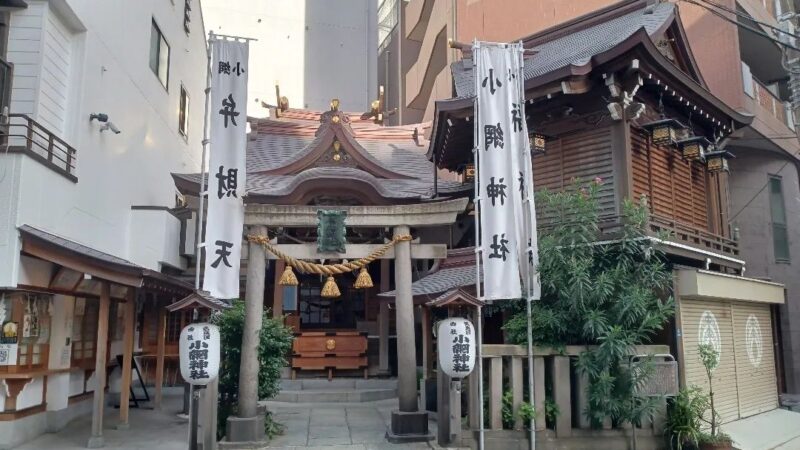
Miyake Hachiman Shrine, located in Kamitakano Miyake-cho, Sakyo Ward, Kyoto City, is an ancient shrine dating back to the time of Empress Suiko. According to shrine tradition, Ono no Imoko, famous as an envoy to the Sui Dynasty, fell ill while passing through Tsukushi. He prayed at Usa Hachiman Shrine and recovered, and upon his return to Japan, he enshrined Usa Hachiman, which is considered the origin of this shrine. This area was formerly known as Ono-go and was the residence of the Ono clan. Its connection to Ono no Imoko, a historically important figure, enhances the shrine’s status and historical value.
Guardian Deity of Children
Miyake Hachiman Shrine is particularly known as a guardian deity of children, attracting many worshippers praying for the healthy growth of their children. It also enjoys strong faith in protection against insect infestations and night crying, making it one of Kyoto’s central shrines for child-rearing beliefs.
Ema Museum
Within the shrine grounds is an Ema Museum, where numerous historical ema (votive tablets) are preserved and displayed. These ema are valuable resources for understanding the changes in folk beliefs from the Edo period to the present day.
Access and Visiting Information
Conveniently located approximately 3 minutes on foot from Hachimanmae Station on the Eizan Electric Railway Kurama Line, or immediately after alighting at the Hachimanmae bus stop on the Kyoto Bus. The shrine grounds are open to the public for free worship. The shrine office is open from 9:00 to 16:00, and the Ema Museum is open from 10:00 to 15:00 (the Ema Museum has an admission fee of 300 yen).
Miyake Shrine in Matsubara City, Osaka Prefecture – A Tenmangu Shrine dedicated to Sugawara no Michizane
History and Founding
Miyake Shrine, located in Miyake-naka, Matsubara City, Osaka Prefecture, was formerly a village shrine and is also known as Yorami Miyake Tenmangu Shrine. The history of this shrine is divided into two stages.
From ancient times, there was a shrine in this area called “Hohino-yashiro,” which enshrined Amanohohi-no-mikoto, the ancestral deity of the Haji clan (later the Sugawara clan). During the reign of Emperor Suzaku (mid-Heian period), a man named Shakudoken received a divine message from the Eleven-Faced Kannon during a pilgrimage. Shakudoken, in cooperation with local residents, founded the shrine in 942 (Tenkei 5) with Sugawara no Michizane as the enshrined deity.
Deity
The main enshrined deity is Sugawara no Michizane, giving it the characteristics of a Tenmangu shrine. Additionally, Ame-no-hohi-no-mikoto, who was originally enshrined there, is also worshipped, demonstrating a deep connection with the Haji and Sugawara clans.
Tenmangu Faith
As a Tenmangu shrine dedicated to Sugawara no Michizane, it enjoys strong devotion to the god of learning, attracting many worshippers during exam season. It is a unique shrine, linking the local place name “Miyake” with Tenmangu faith.
Regional Positioning
As a shrine that preserves the ancient place name of Yorami-Miyake-go, Tanboku-gun, Kawachi Province, it serves as a core element of the region’s historical identity. It is also considered important as a cultural property of Matsubara City.
Shrines of Miyakejima Island – Fuka Shrine and Engishiki-Listed Shrines
Characteristics of Shrines on Miyakejima Island
Miyakejima Island, part of the Izu Islands of Tokyo, is home to a great many historical shrines. Notably, it boasts twelve Engishiki-listed shrines, meaning that numerous shrines cherished for over a thousand years remain on the island.
Fuka Shrine – The Island’s Guardian Shrine
Fuka Shrine is known as the guardian shrine of Miyakejima Island, enshrining the deities believed to have created and developed the Izu Islands. Deeply connected to the island’s creation myth, it is the center of faith for the islanders.
Other Engishiki-Listed Shrines
Besides Fuka Shrine, numerous Engishiki-listed shrines are scattered throughout the island, including Mishaku Shrine, Ninomiya Shrine, and Shiitori Shrine. Some of these shrines enshrine the consorts and princes of the deities of Fuka Shrine, forming a mythological lineage.
The Mibu Family of Shinto Priests
At the shrines of Miyakejima Island, there is a tradition that the Mibu family has served as Shinto priests from the age of mythology to the present day. This is a very rare example of a long lineage of Shinto priests in the history of Japanese shrines.
Coexistence with Volcanoes
Miyakejima Island is an active volcanic island, and its history has been intertwined with eruptions. The shrines have also functioned as places to pray for protection from such natural disasters, and have served as a spiritual pillar for the islanders.
Other Miyake Shrines – Shrines in Hiroshima Prefecture and Other Locations
Miyake Shrine in Asakita Ward, Hiroshima City, Hiroshima Prefecture
There is also a Miyake Shrine located in Kabe-Higashi, Asakita Ward, Hiroshima City, Hiroshima Prefecture. This shrine is also thought to have originated from a local granary and conveys the history of the Kabe region to the present day. It has its own unique local traditions regarding its deities and history, and is protected as a cultural property of Asakita Ward.
Other Miyake Shrines Across Japan
Besides the above, there are several Miyake Shrines throughout Japan in places where the place name “Miyake” remains. Each is deeply connected to the history of its region and has developed its own unique form of worship.
Commonalities and Characteristics of Miyake Shrines
Connection to Imperial Estates
Most Miyake Shrines share a connection to ancient Imperial Estates (Miyakura). Shrines were built on land developed as direct territory of the Yamato court, and the guardian deities of the land and the gods involved in the development were enshrined there.
Status as a Shikinaisha (Shrine Listed in the Engishiki)
Many Miyake Shrines are listed as Shikinaisha (shrines listed in the Engishiki Jinmyocho, or are considered candidates for such listings). This indicates that they were already recognized as important shrines during the Heian period.
Former Shrine Rank
Under the Meiji era’s shrine ranking system, many Miyake Shrines were ranked as village shrines. This shows that they served as central shrines in their regions, attracting the faith of village communities.
History of Consolidation
Due to the shrine consolidation policy from the late Meiji era to the Taisho era, many Miyake Shrines were merged with neighboring shrines. As a result, many shrines now enshrine multiple deities.
Relationship with Place Names
Many Miyake Shrines are located in areas where the place name “Miyake” remains, and the shrine name and place name are intertwined, conveying ancient history.
Shrine Information and Access
Miyake Shrine, Suzuka City, Mie Prefecture
Location: Kofu-cho, Suzuka City, Mie Prefecture
Access: Approximately 10 minutes by car from Kintetsu Suzuka Line “Suzuka-shi Station”
Visiting Hours: Grounds are freely accessible
Miyake Shrine, Kameoka City, Kyoto Prefecture
Location: Miyake-cho, Kameoka City, Kyoto Prefecture
Access: Approximately 15 minutes on foot from JR “Kameoka Station”
Visiting Hours: Grounds are freely accessible
Miyake Hachiman Shrine, Sakyo-ku, Kyoto City
Location: 22 Kamitakano Miyake-cho, Sakyo-ku, Kyoto City
Phone: 075-781-5003
Visiting Hours: Grounds are freely accessible, Shrine office 9:00-16:00, Ema Museum 10:00-15:00
Admission Fee: Free entry to the shrine grounds, 300 yen for the Ema (votive tablet) museum.
Access: Approximately 3 minutes on foot from Hachimanmae Station on the Eizan Electric Railway Kurama Line, or immediately after getting off at Hachimanmae bus stop on the Kyoto Bus.
Tonokura Shrine in Matsubara City, Osaka Prefecture
Location: Miyake-naka, Matsubara City, Osaka Prefecture
Access: Approximately 15 minutes on foot from Kawachi-Matsubara Station on the Kintetsu Minami-Osaka Line
Visiting Hours: Grounds are freely accessible.
Miyake Shrine in Miyazaki Prefecture
Location: Miyazaki Prefecture (Specific addresses vary by shrine)
Access: Varies by shrine, prior confirmation recommended
Visiting Hours: Grounds are freely accessible.
Shrines on Miyake Island
Location: Miyake Village, Miyake Island, Tokyo
Access: To Miyake Island, take a boat from Takeshiba Pier in Tokyo, or a plane from Chofu Airport. Travel within the island is by car or bus.
Visiting Hours: Varies by shrine.
Summary
While Miyake Shrines share a common root in the ancient Japanese granary system, they have developed unique histories and beliefs in various locations. These include the shrine in Suzuka City, Mie Prefecture (estimated to be the main shrine of Ise Province), the shrine in Kameoka City, Kyoto Prefecture (dedicated to the god of grain), the Miyake Hachiman Shrine in Sakyo Ward, Kyoto City (associated with Ono no Imoko), the Miyake Shrine in Matsubara City, Osaka Prefecture (dedicated to Sugawara no Michizane), and the Miyake Island shrines, which boast twelve Engishiki-listed shrines. Each possesses invaluable historical and cultural significance.
Many of the shrines are listed in the Engishiki Jinmyocho (a list of shrines compiled in the Heian period), and many are ancient shrines dating back to before the Heian period, making them important for understanding ancient Japanese history. Understanding Miyake Shrines from multiple perspectives—including the architecture of the main halls and torii gates, the origins of the enshrined deities, and their connections to the local communities—will provide a clearer picture of ancient Japan.
When visiting Miyake Shrines in various locations, you can gain a deeper understanding and appreciation by being mindful of the history of the area and its connection to the local granaries. These shrines, with their history spanning over a thousand years, continue to convey ancient messages to us who live in the modern age.