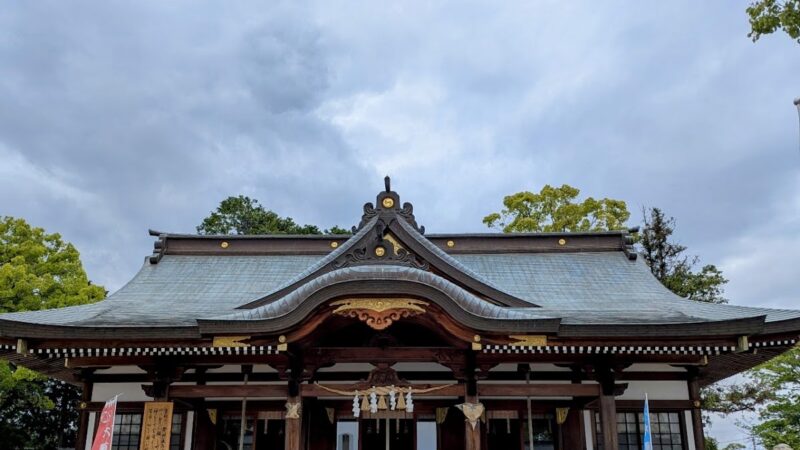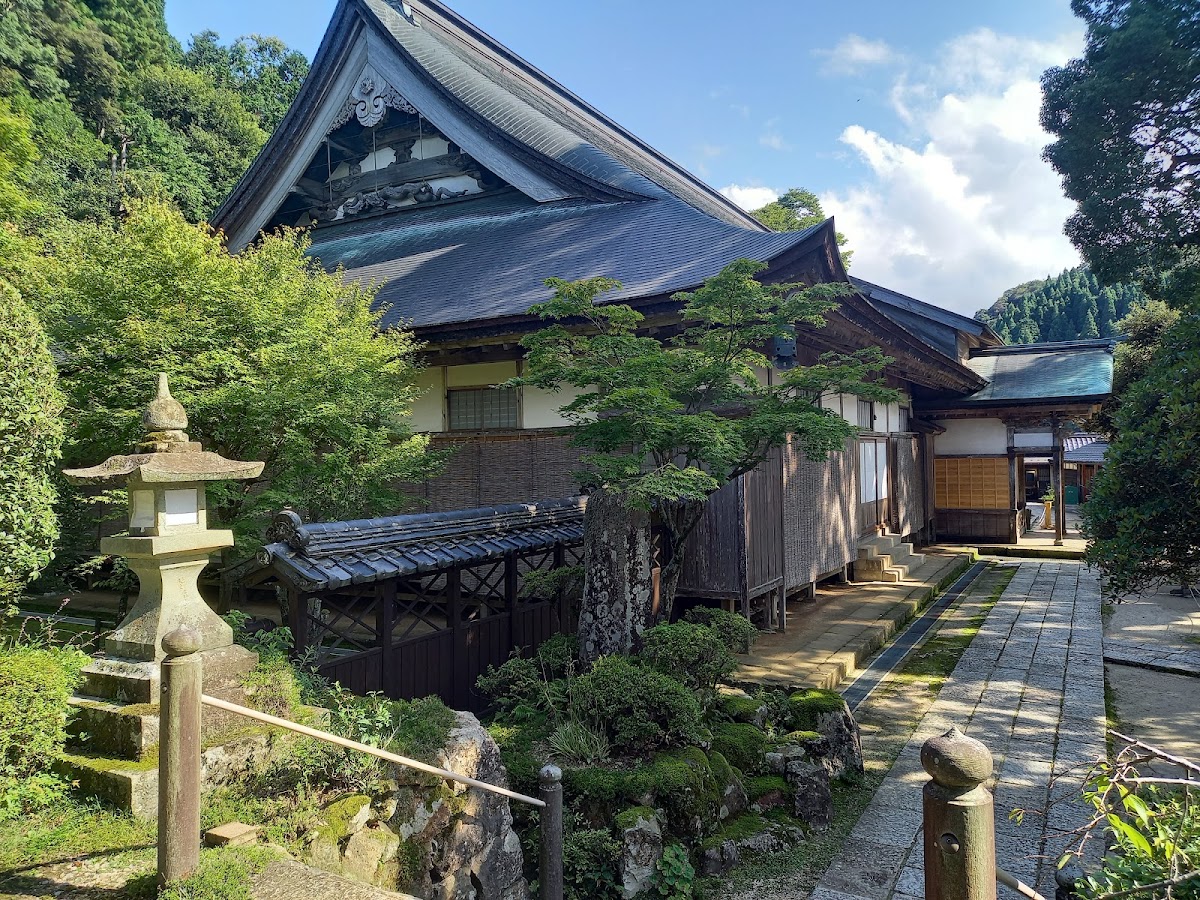
Complete Guide to Daijoji Temples: A Thorough Explanation of the History and Highlights of Okyoji Temple and Other Famous Soto Zen Temples
There are several temples named “Daijoji” throughout Japan, each with its own unique history and cultural assets. This article focuses on the particularly famous Okyoji Temple in Kami-cho, Hyogo Prefecture, and the Soto Zen Daijoji Temple in Kanazawa City, Ishikawa Prefecture, providing a thorough explanation of each temple’s detailed history, cultural assets, highlights, and access information.
What are Daijoji Temples?: Buddhist Temples Existing Throughout Japan
The name “Daijoji” refers to temples that spread the teachings of Mahayana Buddhism, and these temples exist throughout Japan. Major Daijoji temples include the following:
- Daijo-ji Temple in Kami-cho, Mikata-gun, Hyogo Prefecture: A temple of the Koyasan Shingon sect, famous as “Okyo-ji Temple” due to its connection to Maruyama Okyo.
- Daijo-ji Temple in Kanazawa City, Ishikawa Prefecture: A Soto Zen temple, with the mountain name Higashikozan, and a renowned temple with a monks’ hall known as Kiku Daijo.
- Daijo-ji Temple in Osaka City: Founded during the Keicho era as a Jodo sect temple.
These temples differ in sect and history, but each has played an important role as a center of faith in its region.
Okyo-ji Temple (Kami-cho, Hyogo Prefecture): A renowned temple adorned with fusuma paintings by Maruyama Okyo and his disciples.
History and Origin
Daijo-ji Temple, located in Kami-cho, Mikata-gun, Hyogo Prefecture, is an ancient temple of the Koyasan Shingon sect, said to have been founded in 745 by Gyoki Bodhisattva. Its mountain name is Kamei-zan. According to temple tradition, the temple’s origins lie in the enshrinement of a statue of Kannon (Goddess of Mercy) carved by Gyōki himself.
Since its founding, it flourished as a center of Buddhist faith in the region, but it declined temporarily due to the wars of the Sengoku period (Warring States period). However, in the Edo period, momentum for its revival grew. In particular, the connection with Maruyama Ōkyo in the latter half of the 18th century marked a new chapter in the temple’s history.
Deep Connection with Maruyama Ōkyo
The reason why Daijōji Temple came to be known as “Ōkyo-ji Temple” is due to its deep connection with Maruyama Ōkyo (1733-1795), a representative painter of the mid-Edo period.
Ōkyo is known for his unique style that emphasized realism, and as the founder of the Maruyama school, he had a great influence on the Japanese art world. Through the interaction between the then head priest of Daijōji Temple and Ōkyo, Ōkyo and his disciples began working on the temple’s wall paintings.
From 1778 (An’ei 7) to the Tenmei era, Okyo produced a series of fusuma paintings that would become his masterpieces. Furthermore, painters from the Maruyama school, including his disciples Goshun, Genki, Yamaguchi Soken, and Kameoka Kirei, also participated, transforming the entire temple into a grand art museum.
Okyo and his school’s screen paintings: Highlights and cultural assets
The screen paintings by Maruyama Okyo and his school remaining at Daijoji Temple are extremely important cultural assets in the history of Japanese art. Major works include the following:
Representative Works by Maruyama Okyo
- “Pine Tree and Peacock”: A masterpiece showcasing Okyo’s realistic sketching technique.
- “Landscape Painting”: A magnificent depiction of nature in ink wash.
- “Group of Immortals”: A dignified work depicting immortals.
Works by His Disciples
- Flower and Bird Painting by Goshun
- Landscape Painting by Genki
- Seasonal Flower Painting by Yamaguchi Soken
These fusuma paintings are composed of different subjects and themes in each room, inviting visitors into the artistic world of the Edo period. Currently, all original paintings by Okyo are stored in a repository for cultural property preservation, and elaborate reproductions are usually on display, but their artistic value remains undiminished.
Temple Complex and Architecture
The temple complex of Daijoji Temple stands in a quiet mountain environment, maintaining the traditional layout of a Shingon Buddhist temple. The temple grounds are centered around the main hall, with the priest’s quarters and guest hall arranged around it, and the beauty of nature throughout the seasons adds color to the grounds.
The architectural style is based on the Edo period reconstruction, harmoniously blending the beauty and functionality of wooden architecture.
28th Temple of the Saigoku Yakushi Forty-Nine Pilgrimage
Daijo-ji Temple is also known as the 28th temple of the Saigoku Yakushi Forty-Nine Pilgrimage. It enshrines Yakushi Nyorai (the Medicine Buddha), and many worshippers visit to pray for healing from illness and good health, making it an important base for pilgrims.
Access and Visiting Information (Kami-cho, Hyogo Prefecture)
Address
860 Mori, Kasumi-ku, Kami-cho, Mikata-gun, Hyogo Prefecture
Transportation Access
- Approximately 10 minutes by car from JR San’in Main Line “Kasumi Station”
- Approximately 40 minutes by car from Kitakinki Toyooka Expressway “Yoka Hyonoyama IC”
- Parking: Available (Free)
Visiting Hours and Fees
- Visiting Hours: 9:00 AM – 5:00 PM (May vary depending on the season)
- Admission Fee: Adults 800 yen, Junior and Senior High School Students 600 yen, Elementary School Students 400 yen
- Closed: Irregular (Please check in advance)
Inquiries
Please check the official website or call for the latest information.
Higashikozan Daijoji Temple (Kanazawa City, Ishikawa Prefecture): A renowned temple that flourished as a training ground for the Soto Zen sect
History and Background
Located in Nagasaka-cho, Kanazawa City, Ishikawa Prefecture, Daijoji Temple is a Soto Zen temple. Its mountain name is Higashikozan or Sugijurin, and it was formerly known as Kinshiho. As a prestigious temple with its own monks’ hall, it holds an important position within the Soto Zen sect.
During the Edo period, the monastic rules (the regulations for monastic training) were restructured here, establishing a strict training system known as “Kiku Daijo.” This tradition of Kiku Daijo continues to this day, and many monks train here.
Temple Layout and Important Cultural Properties
The layout of Daijoji Temple maintains the typical form of a Soto Zen temple.
Main Buildings
Buddha Hall
The Buddha Hall, located beyond the main gate, is known to have been completed in 1702 (Genroku 15) according to the ridge beam inscription. Built on a low foundation, it is a magnificent structure with a hipped roof, a flat entrance, and tiled roofing. The floor is a plastered earthen floor, embodying the simple yet powerful aesthetic of Zen Buddhist temples.
The Buddha Hall is connected to the Dharma Hall, the Priest’s Quarters, and the Monks’ Hall by corridors, forming a unified temple complex. This group of buildings is highly regarded as an excellent example of Edo period Soto Zen temple architecture.
Main Gate
The main gate, standing at the entrance to the temple, has a dignified presence that inspires a sense of solemnity in visitors.
Monks’ Hall
The Monks’ Hall, where trainee monks dedicate themselves to their daily practice, is the heart of Daijoji Temple. All aspects of the monks’ lives, from Zen meditation and meals to sleeping, take place here.
Tradition as a Temple of Strict Regulations and Mahayana Buddhism
Daijo-ji Temple is known as a “Strict Temple of Mahayana Buddhism” due to the strict training rules established during the Edo period. The seigi (ritual rules) are the guidelines for the life of monks in Zen Buddhist temples, and Daijo-ji Temple particularly emphasized these rules, building a thorough training system.
Thanks to the efforts of the abbots at the time, Daijo-ji Temple became recognized as a model training ground in the Soto Zen sect, attracting monks from all over Japan. This tradition continues today, and one can still see monks devoted to rigorous training.
Cultural Assets and Highlights
Daijo-ji Temple preserves numerous valuable cultural assets passed down from the Edo period.
- Buddha Hall (a building of Important Cultural Property class)
- Ancient Documents
- Buddhist Statues and Relics
- Calligraphy of Successive Abbots
These are valuable materials that tell the story of the temple’s long history, and are sometimes exhibited or made available to the public.
The Current Daijo-ji Temple
The current Daijo-ji Temple maintains its function as a training monastery while also operating as a temple open to the general public. It offers Buddhist experience programs such as Zen meditation sessions and sutra copying sessions, providing opportunities for the public to engage with Zen teachings.
The temple grounds are blessed with nature throughout the seasons, and many visitors come, especially during the cherry blossom season in spring and the autumn foliage season. Despite being located within Kanazawa city, it maintains a tranquil environment, and is cherished as a place to escape the hustle and bustle of the city and find peace of mind.
Access and Visiting Information (Kanazawa City, Ishikawa Prefecture)
Address
10-ru, Nagasaka-machi, Kanazawa City, Ishikawa Prefecture
Transportation Access
- Take the Hokutetsu Bus from JR Kanazawa Station and get off at “Daijoji” bus stop; it’s a short walk from there.
- Approximately 20 minutes by car from Kanazawa Station.
- Parking: Available (for visitors)
Visiting Hours
- Grounds are freely accessible (advance confirmation is required for viewing the interior of buildings).
- Events such as Zen meditation sessions require advance registration.
Inquiries
Please check the official website or call for details.
Other Daijoji Temples
Matsumiyama Daijoji Temple (Osaka City)
Daijoji Temple, located in Osaka City, was founded during the Keicho era (1596-1615) as a Jodo sect temple. It has attracted local faith as a temple that transmits the teachings of the Jodo sect.
For detailed history and cultural properties, we recommend contacting each temple directly.
Points to Note When Visiting Daijoji Temple
Preparation
Since there are multiple temples named “Daijoji,” be sure to confirm the location and sect of the temple you intend to visit before your trip. Pay particular attention to the following points:
- Confirm Location: The distance between Kami-cho, Hyogo Prefecture and Kanazawa City, Ishikawa Prefecture is significant.
- Differences in Sect: The temples belong to different sects: Shingon, Soto Zen, and Jodo.
- Visiting Hours and Fees: These vary by temple, so prior confirmation is essential.
- Reservation Requirements: Special viewings and Zen meditation sessions may require advance reservations.
Visiting Etiquette
Please observe basic etiquette when visiting Buddhist temples.
- Bow at the temple gate before entering the grounds.
- Maintain silence and be considerate of other visitors.
- Take photographs only in designated areas (photography is often prohibited, especially for cultural properties).
- Do not enter training areas such as the monks’ hall without permission.
- Choose clothing that is not too flashy.
Seasonal Highlights
Spring
The cherry blossoms in the temple grounds are beautiful, and you can enjoy a refreshing atmosphere along with the fresh greenery.
Summer
You can feel the coolness in the lush green temple grounds.
Autumn
The autumn leaves color the temple grounds, making it one of the most beautiful seasons. Daijoji Temple in Kanazawa is particularly known as a famous spot for autumn leaves.
Winter
The tranquil atmosphere amidst the snowy landscape evokes the essence of a Zen temple.
Cultural Value and Preservation Activities of Daijoji Temple
Importance as a Cultural Property
The screen paintings by Maruyama Okyo and his school at Daijoji Temple in Hyogo Prefecture occupy an extremely important position in the history of Japanese art. Okyo’s realistic paintings were a groundbreaking departure from the decorative paintings of the time, innovatively blending realism and artistic merit at a high level.
These works are indispensable resources for understanding the Maruyama school’s style, and their influence on later Japanese painting is immeasurable.
The temple architecture of Daijo-ji in Ishikawa Prefecture also holds high architectural historical value as an excellent example of Edo period Soto Zen temple architecture.
Balancing Preservation and Public Access
The preservation and public access of cultural properties always require a balance. Daijo-ji in Hyogo Prefecture, in particular, addresses this issue by strictly storing Okyo’s original paintings in a repository and using meticulously crafted reproductions for exhibitions.
Through these efforts, valuable cultural properties are passed down to future generations while simultaneously providing many people with the opportunity to experience their artistry.
Utilization of Digital Archives
In recent years, the recording and public access of cultural properties using digital technology has also progressed. Online resources such as the “Maruyama School Digital Museum” allow people who cannot actually visit the temple to experience Okyo’s art.
These digital archives also play an important role in education and research.
Nearby Tourist Attractions
Around Kami Town, Hyogo Prefecture
Kasumi Coast
A beautiful coastline facing the Sea of Japan, especially famous in winter for its snow crabs (Matsuba crabs).
Amarube Viaduct
A viewing facility known as the “Sky Station,” offering spectacular views of the Sea of Japan.
Yumura Onsen
One of Hyogo Prefecture’s leading hot spring resorts, relatively close to Daijoji Temple.
Around Kanazawa City, Ishikawa Prefecture
Kenrokuen Garden
One of Japan’s three most famous gardens, a central tourist spot in Kanazawa.
Kanazawa Castle Park
A castle that tells the history of Kaga’s million-koku domain, with magnificent restored buildings.
Higashi Chaya District
A teahouse district that retains the atmosphere of the Edo period, boasting a beautiful traditional townscape.
21st Century Museum of Contemporary Art
A museum that attracts attention from both domestic and international visitors as a hub for contemporary art.
Summary: The Diverse Charms of Daijoji Temple
There are temples named “Daijoji” throughout Japan, each with its own unique history and culture. Okyoji Temple in Kami-cho, Hyogo Prefecture, is a rare place where one can experience the artistic world of Maruyama Okyo, while Daijoji Temple in Kanazawa City, Ishikawa Prefecture, is a renowned temple that continues the tradition of rigorous training in the Soto Zen sect.
Both temples are valuable examples of the richness of Japanese Buddhist culture and art, and are well worth visiting. In a space where history, cultural assets, architecture, and the natural environment are all in harmony, you can find peace of mind and cultural inspiration.
When visiting, understanding the historical background and the value of the cultural assets of each temple will lead to a deeper experience. Please gather information beforehand, observe proper etiquette, and cherish this opportunity to experience Japan’s precious cultural heritage.
The ongoing training of monks, the carefully preserved cultural artifacts, and the faith of visitors—all of these elements combine to create the special atmosphere of Daijoji Temple. We sincerely hope you will visit and experience its charm firsthand.