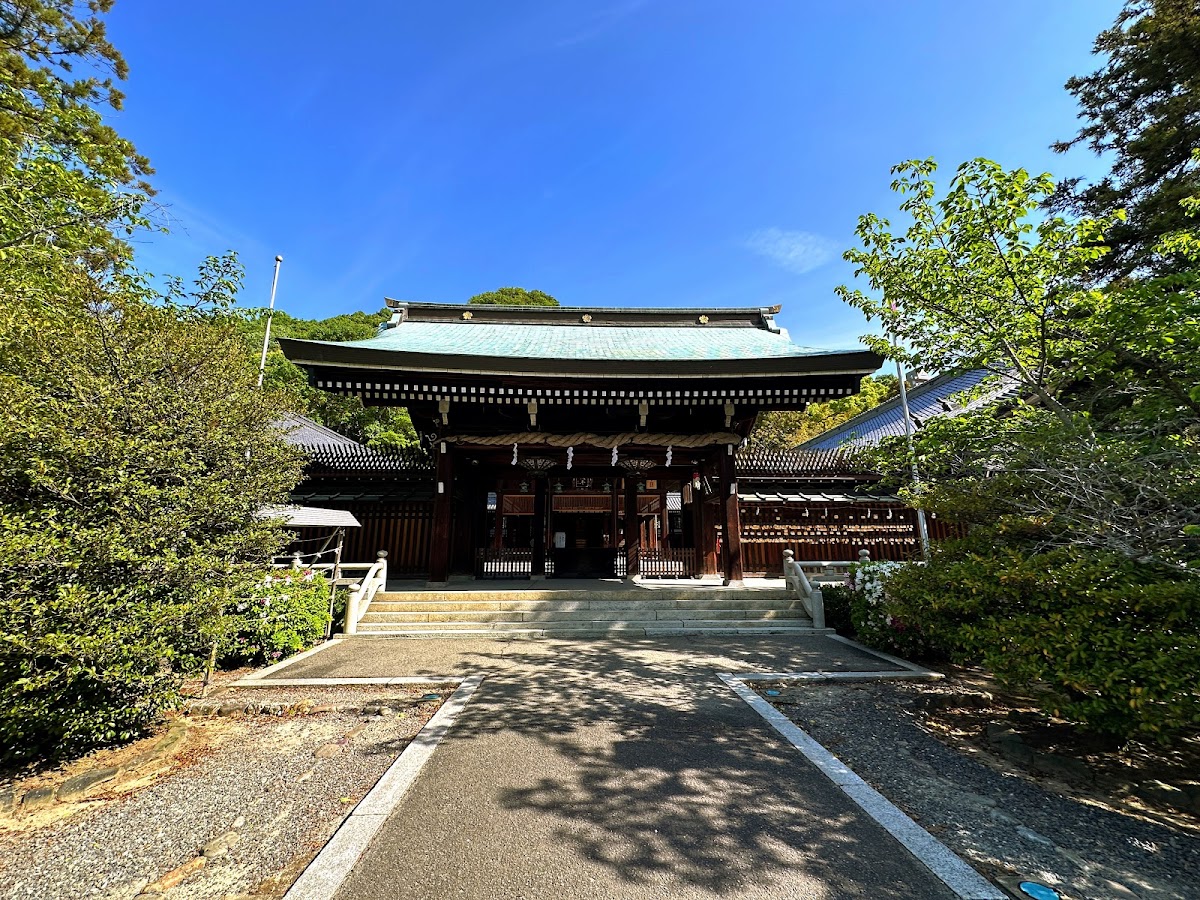
Complete Guide to Daihoji Temples | A Thorough Explanation of Famous Temples Nationwide: History, Access, and Highlights
There are several temples named “Daihoji” throughout Japan, each possessing its own unique history and cultural value. This article comprehensively introduces Daihoji temples across the country, from famous temples designated as National Treasures and Japan Heritage sites to places of worship rooted in local communities. We will explain in detail the basic information you should know before visiting, such as their appeal as tourist spots, historical background, and access information.
What is Daihoji? | Origin of the Name and Nationwide Distribution
The temple name “Daihoji” often originates from its founding in 701 (the first year of the Taiho era). Taiho was a Japanese era name during the Asuka period, and many temples founded during this time adopted the name “Daihoji.” Temples with the same name are scattered throughout Japan, each serving as an important tourist spot that conveys the history and culture of its region.
Major temples bearing the name Daiboji include the Daiboji in Matsuyama City, Ehime Prefecture, which boasts a nationally designated main hall; the Daiboji in the Goto Islands, Nagasaki Prefecture, which is the oldest temple in the Goto Islands and a designated Japan Heritage site; the Daiboji in Minamichita Town, Aichi Prefecture, known as a temple for ending relationships; and the Daiboji in Kamakura City, Kanagawa Prefecture. Each temple belongs to a different sect and has its own unique characteristics.
Daiboji in Matsuyama City, Ehime Prefecture | An ancient temple with a nationally designated main hall
History and Origin
Daiboji in Matsuyama City, Ehime Prefecture, is one of Shikoku’s leading ancient temples, said to have been founded in 701 (Taiho 1). Located on the slopes of Ominegadai, it has experienced numerous periods of rise and fall throughout its long history. The main hall, while built in the early Kamakura period, is a valuable structure that strongly retains the architectural style of the Amida Hall of the Heian period, and was designated a national treasure in 1952.
The National Treasure Main Hall and its Architectural Value
The main hall of Daiboji Temple is an eclectic architectural style that incorporates elements of the Daibutsu-yo (Tenjiku-yo) style while primarily based on the Japanese style. It is a three-bay, three-width hall with a hipped roof covered in traditional tiles. Inside, a shrine is enshrined, housing a seated statue of Amida Buddha from the late Heian period as the principal image.
The architectural style exhibits typical characteristics of early Kamakura period Japanese architecture, such as the arrangement of columns, the structure of the brackets, and the overhang of the eaves, while also showing unique ingenuity in the details. In addition to the main hall, the temple grounds also contain other buildings such as the Niomon gate and the priest’s quarters, creating a tranquil atmosphere.
Basic Information and Access
Location: Minami-Umemoto-cho, Matsuyama City, Ehime Prefecture
Sect: Shingon Buddhism
Visiting Hours: Grounds are freely accessible (advance contact recommended for entry into the main hall)
Admission Fee: Grounds are free
Parking: Available (free)
Access: Approximately 20 minutes by car from JR Matsuyama Station, approximately 15 minutes by car from Dogo Onsen Station on the Iyo Railway city tram
As a recommended sightseeing course in Matsuyama City, a historical exploration route combining Dogo Onsen is highly recommended. The course visiting Matsuyama Castle, Dogo Onsen, and Daiboji Temple is a classic route for experiencing the history and culture of Shikoku.
Daiboji Temple, Goto Islands, Nagasaki Prefecture | The Oldest Temple in the Goto Islands, Designated as a Japan Heritage Site
History as the Oldest Temple in the Goto Islands
Daiboji Temple, located in Goto City, Nagasaki Prefecture, is said to be the oldest temple in the Goto Islands, founded in 701 (Taiho 1) by the monk Doyu of the Sanron sect. Established as an imperial temple by the 41st Empress Jito, it has a long history as a central figure in Buddhist culture in the Goto Islands.
In 806 (Daido 1), Kukai (Kobo Daishi), who returned from Tang China accompanying a Japanese envoy, is said to have stopped at Daiboji Temple and spread Shingon Esoteric Buddhism. For this reason, Daiboji Temple is also called the “Koyasan of the West,” and in 2018, it was added as a component cultural property of the Japan Heritage site “Iki, Tsushima, and Goto Islands: Border Islands – A Bridge from Ancient Times.”
Value as a Japanese Heritage Site
The reason why Daiboji Temple was designated a Japanese Heritage site is its deep connection to the Japanese envoys to Tang China and to Kukai. The Goto Islands have been a hub of exchange with the continent since ancient times, and Daiboji Temple has played an important role as a historical witness. Historical sites and legends related to Kukai remain on the temple grounds, allowing visitors and tourists to imagine its past.
Basic Information and Access
Location: Tamanoura, Tamanoura-cho, Goto City, Nagasaki Prefecture
Sect: Shingon Buddhism
Visiting Hours: Grounds are freely accessible
Admission Fee: Free
Parking: Available
Access: Approximately 40 minutes by car from Fukue Port, approximately 50 minutes by car from Goto Tsubaki Airport
As a tourist spot in the Goto Islands, there are places like Mount Ontake, Tamanoura Country Park, and Shiratori Shrine around Daiboji Temple, and model courses have been set up to allow visitors to enjoy nature and history. Renting a car is convenient for getting around the island.
Daiboji Temple, Minamichita Town, Aichi Prefecture | Nakiri Daishi-an, known as a temple for severing ties
History as a refuge temple and temple for severing ties
Located in Utsumi-Oonakiri, Minamichita Town, Chita District, Aichi Prefecture, Daiboji Temple is a Soto Zen Buddhist temple also known as “Mokuren-ji” and “Nakiri Daishi-an.” Since its founding in the Edo period, it has functioned as a refuge temple, saving many women.
It remains a popular temple for severing ties in the Tokai region, attracting worshippers from all over Japan who wish to break bad relationships and start a new life. It offers prayers for various matters, including relationship problems, breaking bad habits, and recovery from illness, and also provides life counseling.
Method and characteristics of prayers for severing ties
Prayers for severing ties at Daiboji Temple are conducted according to traditional procedures. Emphasis is placed not only on severing bad relationships, but also on prayers for forming good ones, demonstrating a supportive attitude towards worshippers seeking a positive turning point in their lives. Within the temple grounds, votive tablets and prayer sticks bearing wishes for severing ties are offered, gathering the hopes and wishes of many people.
Basic Information and Access
Location: Daimyokiri, Utsumi, Minamichita-cho, Chita-gun, Aichi Prefecture
Sect: Soto Zen
Visiting Hours: 9:00 AM – 5:00 PM (Advance confirmation required)
Admission Fee: Free for the grounds (Prayers are charged separately)
Parking: Available
Access: Approximately 15 minutes on foot from Meitetsu Utsumi Station, approximately 15 minutes by car from Minamichita IC on the Chita Peninsula Expressway
As a tourist spot on the Chita Peninsula, a sightseeing model course combining a drive along the coastline is popular.
Daiboji Temple | Tofukuzan Ichijoin, Kamakura City, Kanagawa Prefecture
History of Kamakura and Daiboji Temple
Daiboji Temple, located in Kamakura City, Kanagawa Prefecture, is a temple also known as Tofukuzan Ichijoin. Located in the historically rich area of Kamakura, it has developed under the influence of samurai culture and Zen Buddhist culture. As one of Kamakura’s tourist attractions, it attracts history buffs and tourists who enjoy visiting temples and shrines.
Basic Information and Access
Location: Kamakura City, Kanagawa Prefecture
Access: Within walking distance of Kamakura Station (details to be confirmed)
Admission: Grounds are freely accessible (prior confirmation recommended)
A recommended model course for Kamakura sightseeing is a temple and shrine tour combining it with classic spots such as Tsurugaoka Hachimangu Shrine, Kenchoji Temple, and Engakuji Temple.
Other Daiboji Temples | Famous Temples Across Japan
Daiboji Temple in Shiojiri City, Nagano Prefecture
Daiboji Temple in Shiojiri City, Nagano Prefecture, is said to have been founded in 1582 by Narai Yoshitaka as his family temple. Within the temple grounds is a “Maria Jizo” (a statue of Jizo associated with the Virgin Mary), believed to have been secretly created by hidden Christians for prayer. It was discovered in the early Showa period (1926-1989) in a nearby thicket. This Jizo is attracting attention as a valuable historical artifact in the history of Japanese religion.
Location: Shiojiri City, Nagano Prefecture
Access: Approximately 10 minutes by car from Shiojiri Station on the JR Chuo Main Line
Daihoji Temple, Tennoji Ward, Osaka City
Daihoji Temple, located in Tennoji Ward, Osaka City, is a Jodo sect temple known as Muryozan Amidain. Founded by Honen Shonin during the Kamakura period, it belongs to the Jodo sect, with Chion-in Temple in Kyoto as its head temple. It continues to transmit the teachings of the Nembutsu (“Namu Amida Butsu”) and is cherished as a center of local faith.
Location: Tennoji-ku, Osaka City, Osaka Prefecture
Sect: Jodo-shu (Pure Land Buddhism)
Principal Image: Amida Buddha
Daiboji Temple, Isumi City, Chiba Prefecture
Daiboji Temple, located in Nittano, Isumi City, Chiba Prefecture, is a Nichiren Buddhist temple. It is cherished by the local people as a temple that conveys the history and culture of the Boso Peninsula to the present day.
Daiboji Clan | A Daimyo of Dewa Province during the Sengoku Period
Separately from the temple, there was also a clan of Sengoku daimyo called the “Daiboji clan.” They were a powerful local family in Dewa Province (present-day Yamagata Prefecture), and their original surname was Fujiwara, descending from the Muto clan, whose ancestor was Fujiwara no Hidesato, the Chinju-fu Shogun (Commander of the Northern Defense Headquarters). They were related to the Shoni clan and wielded considerable power in the Tohoku region during the medieval period.
The name of the Daiboji clan originates from their base at Daiboji Temple in Dewa Province (present-day Tsuruoka City, Yamagata Prefecture). During the Sengoku period, the Taihoji clan ruled the Shonai region and engaged in conflicts with the Mogami and Date clans, but was ultimately destroyed by Mogami Yoshiaki.
Recommended Itinerary for Visiting Taihoji Temple and Nearby Sightseeing Spots
Recommended Itinerary for Sightseeing Around Matsuyama City, Ehime Prefecture
Day 1:
- Morning: Visit Matsuyama Castle
- Lunch: Local cuisine in Matsuyama City
- Afternoon: Visit Taihoji Temple
- Evening: Bathing at Dogo Onsen
- Accommodation: Dogo Onsen Ryokan
Day 2:
- Morning: Ishiteji Temple (51st temple of the Shikoku 88 Temple Pilgrimage)
- Afternoon: Saka no Ue no Kumo Museum
This course allows you to enjoy a variety of attractions, including national treasure architecture, hot springs, castles, and literature.
Sightseeing Itinerary around the Goto Islands, Nagasaki Prefecture
Day 1:
- Morning: Arrive at Fukue Port, arrange rental car
- Lunch: Goto Udon
- Afternoon: Visit Daiboji Temple, Tamanoura Country Park
- Evening: Shiratori Shrine, Ontake
- Accommodation: Fukue City
Day 2:
- Morning: Visit churches including Dozaki Catholic Church
- Afternoon: Onidake Mountain, Takahama Beach
In the Goto Islands, you can simultaneously visit Buddhist historical sites designated as a Japan Heritage site and churches designated as a World Heritage site, experiencing a unique religious culture.
Recommended Sightseeing Course around Chita Peninsula, Aichi Prefecture
Day Trip Course:
- Morning: Pray for ending a relationship at Daihoji Temple
- Lunch: Seafood cuisine
- Afternoon: Minami Chita Beach Land, Noma Lighthouse
- Evening: Tokoname Pottery Walking Trail
The Chita Peninsula offers enjoyable coastal drives, fresh seafood, and a charming pottery culture.
Points to Note and Manners When Visiting Daihoji Temple
Basic Manners for Visiting Temples
When visiting any temple, not just Daihoji Temple, please observe the following basic manners:
- Dress Code: Avoid revealing clothing and wear clean attire.
- Photography: Check whether photography is permitted on the temple grounds; photography is generally prohibited inside the main hall.
- Quietness: Refrain from loud conversations and noise.
- Smoking and Eating: Refrain from smoking and eating outside designated areas.
- Offerings: Offer quietly and respectfully.
Visiting Hours and Advance Confirmation
While most Daihoji temples allow free entry to the grounds, advance reservations may be required for viewing the interior of the main hall or for special viewings. Especially at temples with national treasures or important cultural properties, there may be restrictions on viewing from the perspective of cultural property protection. It is recommended to check the official website or call before visiting.
Parking and Access Confirmation
The availability and capacity of parking vary depending on the Daihoji temple. During peak tourist seasons and events, congestion is expected, so consider using public transportation. Especially in areas where car access is the primary mode of transport, such as the Goto Islands and the Chita Peninsula, booking a rental car in advance is recommended.
Cultural Properties and Architectural Style of Daiboji Temple
Value of National Treasures and Important Cultural Properties
The main hall of Daiboji Temple in Matsuyama City, Ehime Prefecture, is extremely valuable as an existing example of early Kamakura period Buddhist temple architecture in Japan. The following points were evaluated as reasons for its designation as a National Treasure:
- Certainty of Construction Date: Based on its stylistic characteristics, it is judged to have been built in the early Kamakura period.
- Inheritance of Heian Style: It retains the Amida Hall form and conveys the architectural style of the Heian period.
- Structural Perfection: Typical techniques of Japanese-style architecture are realized at a high level.
- State of Preservation: It has undergone relatively few later alterations and retains much of its original appearance.
Architectural Diversity Seen in Daiboji Temples Across Japan
Daiboji temples throughout Japan exhibit diverse architectural styles that reflect the historical context, sect, and regional characteristics of their respective eras. Shingon Buddhist temples exhibit characteristics of Esoteric Buddhist architecture, Jodo Buddhist temples show arrangements based on Amida worship, and Soto Zen temples show the influence of Zen Buddhist style. Comparative studies of these are of great significance in deepening our understanding of Japanese architectural and religious history.
Summary | The Charm of Visiting Daihoji Temples
Daihoji temples, scattered throughout Japan, are fascinating tourist spots, each possessing its own unique history and cultural value. From Matsuyama’s Daihoji Temple, boasting a national treasure building, to Goto’s Daihoji Temple, designated a Japan Heritage site, and Minami-Chita’s Daihoji Temple, revered as a temple for ending relationships, you can choose according to your purpose and interests.
Temple visits are not merely sightseeing; they offer a valuable opportunity to connect with Japanese history, culture, and spirituality. Checking basic information and access beforehand, and observing proper etiquette during your visit, will lead to a deeper experience.
When visiting various Daihoji temples, we recommend utilizing model courses that combine them with surrounding tourist attractions to comprehensively enjoy the charm of the region. Historical buildings, natural landscapes, hot springs, and local cuisine—the unique charms of each region, combined with the tranquil atmosphere of Daihoji temples, will create unforgettable travel memories.