
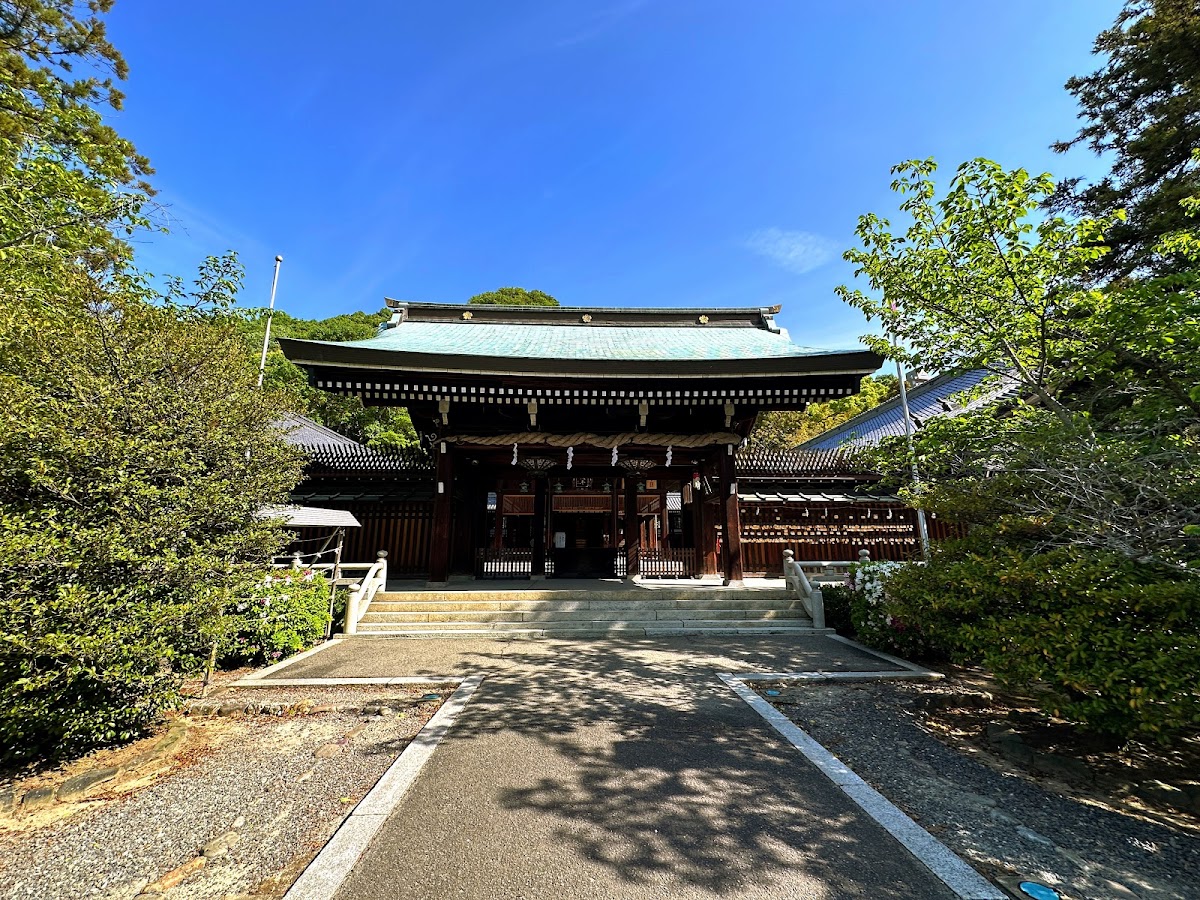
Complete Guide to Ehime Prefecture Gokoku Shrine | A Thorough Explanation of History, Deities, Visiting Information, and Goshuin (Shrine Seals)
Ehime Prefecture Gokoku Shrine is a Gokoku Shrine located in Miyuki 1-chome, Matsuyama City, Ehime Prefecture. It enshrines approximately 59,000 individuals, including those from Ehime Prefecture who died in battle since the Boshin War, those who died in the line of duty, and those who contributed to the development of the region. It is a shrine revered and cherished by the people of Ehime Prefecture.
This article comprehensively explains everything you need to know before visiting Ehime Prefecture Gokoku Shrine, from its history, deities, annual events, visiting information, and access methods.
Table of Contents
- What is Ehime Prefecture Gokoku Shrine?
- Deities and Details of the Deities
- History from Founding to the Present
- Shrine Grounds Guide and Highlights
- Annual Events and Festivals
- Visitor Information
- Goshuin (Shrine Seal) Information
- Access and Parking
- Nearby Facilities and Recommended Spots
What is Ehime Prefecture Gokoku Shrine?
Ehime Prefecture Gokoku Shrine, as a representative Gokoku Shrine of Ehime Prefecture, was founded in 1899 (Meiji 32) as a “private shrine for the spirits of the dead.” It is currently located at 476, Miyuki 1-chome, Matsuyama City, and its crest is a mountain cherry blossom.
In the main hall, a plaque bearing the characters “Gokoku” (protection of the nation), inscribed by Prince Takamatsu Nobuhito, is displayed at the front. This was donated during a visit in 1953 (Showa 28). During the first three days of the New Year, approximately 190,000 visitors come to this shrine, making it one of Ehime Prefecture’s most representative shrines.
Role as a Gokoku Shrine
Gokoku shrines are shrines established throughout Japan to enshrine the spirits of those who sacrificed their lives for the nation. Ehime Prefecture Gokoku Shrine is one such shrine, and it plays a role in honoring not only those who died in war, but also those who died in the line of duty and those who contributed to the development of the region.
Details of the Enshrined Deities
Ehime Prefecture Gokoku Shrine enshrines approximately 59,000 deities. These deities represent a wide range of backgrounds and embody the history of Ehime Prefecture.
War Dead
- War dead from Ehime Prefecture since the Boshin War
- War dead in the Greater East Asia War
- Military personnel, female students, nurses, telephone operators
- Patriotic Corps, Volunteer Corps
Special Victims
- Toyama Maru Victims: Victims of the incident on June 29, 1944, when the Toyama Maru, carrying evacuated schoolchildren and civilians, was sunk by a torpedo attack from a US submarine, resulting in approximately 600 deaths.
- Toyo Maru Victims: Similarly, those who perished during the war.
Public Officials Who Died in the Line of Duty
- Police officers
- Firefighters
- Self-Defense Forces personnel
These individuals are enshrined as public officials who died in the line of duty.
Local Sages
The following historical figures are enshrined as sages who served the public and brought benefits to the people of the prefecture.
Feudal Lords
- Kato Yoshiaki (1563-1631): First lord of the Matsuyama Domain. A warrior who built Matsuyama Castle and laid the foundation for Matsuyama.
- Todo Takatora (1556-1630): Lord of the Imabari Domain. A Sengoku period warrior known as a master castle builder.
- Hisamatsu Sadayuki (1647-1713): Lord of the Matsuyama Domain. Founder of the Hisamatsu Matsudaira family.
- Date Hidemune (1591-1658): First lord of the Uwajima Domain. Eldest son of Date Masamune.
In addition, successive lords of various domains are also enshrined here.
Industrial Meritors
- Gino Sakubei (1665-1732): A farmer who shared his own rice seeds with villagers during a famine, sacrificing his own death by starvation. Symbolic figures of agriculture in Ehime Prefecture
- Kichijiro Shimogami: A person who contributed to industrial development
- Kana Kagitani: A person who made significant contributions to the development of local industries
Others
- Shigenobu Adachi: A person who made significant contributions to the Meiji Restoration
- A person who received posthumous honors for sacrificing himself for the nation from the Kenmu Restoration to the Meiji Restoration
- A person who made significant contributions as a cultural figure
History from Founding to the Present
The history of Ehime Prefecture Gokoku Shrine began in the late Meiji era and has survived war damage to reach the present day.
Meiji Era: Founding Period
1899 (Meiji 32)
- Founded as a “Private Shrine for the War Dead”
- Founded near the current Matsuyama East Police Station
- Established with the purpose of enshrining those who died in battle since the Boshin War
Taisho Era: Relocation Period
1913 (Taisho 2)
- Relocated to the grounds of Taga Shrine in Shinritsu-cho
- During this period, it still had a strong character as a private shrine for the war dead
Early Showa Era: Development as a Gokoku Shrine
1939 (Showa 14)
- Officially recognized as a Gokoku Shrine designated by the Minister of Home Affairs
- The current shrine site (Miyuki 1-chome, Matsuyama City) was selected by the unanimous will of the people of Ehime Prefecture
- In October of the same year, the shrine building was completed and the deity was relocated
- The shrine’s name was changed to “Ehime Prefecture Gokoku Shrine”
- Shrine designated as a prefectural shrine receiving offerings of sacred food and cloth
During this period, the development of Gokoku Shrines (shrines dedicated to war dead) was progressing nationwide, and Ehime Prefecture Gokoku Shrine was officially recognized as a Gokoku Shrine within this trend.
War damage and destruction by fire
July 1945
- The shrine building was destroyed by fire during the Matsuyama air raid
- Many valuable documents and buildings were lost due to war damage
Matsuyama City was subjected to a large-scale air raid by US B-29s from late night on July 26th to the early morning of July 27th, 1945. A large part of the city was destroyed by fire during this air raid, and Ehime Prefecture Gokoku Shrine could not escape the ravages of war.
Post-War Period: Reconstruction
From 1946 (Showa 21) onwards
- Establishment of the Reconstruction Support Association
- Reconstruction work began with donations from bereaved families and devotees inside and outside the prefecture
- Reconstruction progressed through the efforts of many volunteer workers
1951 (Showa 26)
- Full-scale construction work began
October 1955 (Showa 30)
- The current shrine building was completed
- After 10 years since the end of the war, the full-scale shrine building was finally completed
Heisei and Reiwa Eras: Modern Development
2018 (Heisei 30)
- Establishment of the “Miyuki” Memorial Museum within the Miyukiden
- Development as a facility to pass on the memories of the war to future generations
- Works by ink painting artist Hidekichi Shigemoto are also dedicated here.
Currently, the shrine attracts many visitors throughout the year, with approximately 190,000 people visiting for Hatsumode (first shrine visit of the New Year) during the first three days of the year, making it one of Ehime Prefecture’s leading shrines.
Shrine Grounds Guide and Highlights
The grounds of Ehime Prefecture Gokoku Shrine are dotted with various facilities and memorial monuments that evoke a sense of history.
Main Facilities
Worship Hall and Main Sanctuary
The current shrine building, completed in 1955, was built as a symbol of post-war reconstruction. A plaque bearing the inscription “Gokoku” (protection of the nation), calligraphed by Prince Takamatsu Nobuhito, hangs above the front of the worship hall.
Memorial Museum “Miyuki”
This memorial museum was established in 2018 within the Miyuki Hall. It displays valuable historical materials, relics, and photographs related to the war, playing a role in passing on the memories of the war to future generations. Works by ink painting artist Hidekichi Shigemoto are also enshrined here, offering an opportunity to reflect on war and peace from an artistic perspective.
Ehime Manyo Garden
This botanical garden, located within the temple grounds, allows visitors to see plants mentioned in the Manyoshu (an ancient collection of Japanese poetry). As a space where history and nature blend, it serves as a place of relaxation for worshippers. Visitors can enjoy the plants of each season and reflect on the world of the Manyoshu.
Memorials and Commemorative Monuments
Many memorials and commemorative monuments are erected within the temple grounds.
Kamikaze Pilot Commemorative Monument
This monument commemorates the heroes who perished as kamikaze pilots during the Greater East Asia War. The names of kamikaze pilots from Ehime Prefecture are inscribed on it.
Zero Fighter Propeller
A propeller from a Zero fighter plane used by the Navy’s kamikaze pilots is on display. The actual propeller is a valuable document that conveys the reality of war.
Various Memorials
- Memorial for the Victims of the Toyama Maru
- Memorial for Police Officers
- Memorial for Firefighters
- Other memorials for various units and organizations
These memorials commemorate those who served their country and hometown in their respective roles.
Stone Monuments
As you stroll through the shrine grounds, you will find stone monuments scattered about historical figures and war dead from Ehime Prefecture. Visiting these monuments allows you to experience the history of Ehime Prefecture.
Annual Events and Festivals
Ehime Prefecture Gokoku Shrine holds various festivals and events throughout the year.
Major Festivals
Spring Memorial Festival
Time: Every April
The Spring Memorial Festival is an important festival to comfort the spirits of the enshrined deities and pray for peace. Many bereaved families and related parties attend, and the festival is held in a solemn atmosphere.
Autumn Memorial Service
Time: Every October
The Autumn Memorial Service, like the Spring Memorial Service, is an important festival where gratitude to the enshrined deities, remembrance of the deceased, and prayers for lasting peace are offered.
Annual Events
New Year’s Visit (January)
Approximately 190,000 visitors come to the shrine during the first three days of the New Year to pray for peace and prosperity in the coming year. It is one of the leading New Year’s visit spots in Ehime Prefecture.
Other Events
- Monthly Festivals (Every Month)
- Various Memorial Services
- Memorial Service on the Anniversary of the End of the War (August 15th)
Three Shrine Pilgrimage
Ehime Prefecture Gokoku Shrine is also known as one of the “Three Shrine Pilgrimage” sites in Matsuyama City. Along with Iyozuhiko-no-Mikoto Shrine (Tsubaki Shrine) and Isaniwa Shrine, there is a custom of visiting all three shrines during the New Year.
Information for Visitors
Visiting Hours
The shrine grounds are generally open for worship all day, but the shrine office hours are as follows:
- Shrine Office Hours: 9:00 AM – 5:00 PM (Normal Hours)
- Hours may be extended during the New Year period, etc.
Information on Various Prayers
Ehime Prefecture Gokoku Shrine accepts various prayers.
Main Prayers
- Family Safety
- Business Prosperity
- Protection from Evil
- Traffic Safety
- Success in Exams
- Safe Childbirth
- First Shrine Visit for a Newborn
- Shichi-Go-San (7-5-3 Festival)
- Other Various Prayers
Applying for a Prayer
Those wishing to make a prayer can apply at the shrine office. Advance reservations are recommended, but same-day applications are also accepted.
Phone: 089-925-2353
Etiquette for Visiting the Shrine
Gokoku Shrine is a sacred place dedicated to the spirits of war dead. Please observe the following etiquette when visiting:
- Bow before passing through the torii gate
- Avoid walking in the center of the path
- Purify your body and mind at the water basin
- Bow twice, clap twice, and bow once before the main hall
- Visit the shrine in silence
- Offer a moment of silent prayer before the memorial monument
Goshuin (Shrine Seal) Information
Ehime Prefecture Gokoku Shrine offers goshuin.
Types of Goshuin
- Standard goshuin
- Limited edition goshuin may be offered during special events
Where to Obtain
Goshuin are available at the shrine office.
Hours of Availability
Goshuin are available during the shrine office’s opening hours (9:00 AM to 5:00 PM).
Offering Fee
The typical offering fee for a Goshuin (temple/shrine stamp) is around 300-500 yen (this may change).
Goshuincho (Stamp Book)
Original Goshuincho are also available. They feature a design unique to Ehime Prefecture Gokoku Shrine.
Access and Parking
Information on how to access Ehime Prefecture Gokoku Shrine is provided.
Location
Address: 476, Miyuki 1-chome, Matsuyama City, Ehime Prefecture 790-0824
Phone: 089-925-2353
Access by Public Transportation
Iyo Railway City Tram
- Get off at “Red Cross Hospital” tram stop, approximately 5 minutes on foot
- Get off at “Heiwa-dori 1-chome” tram stop, approximately 7 minutes on foot
Iyo Railway Bus
- Get off at “Gokoku Shrine” bus stop, immediately
Access by Car
From Matsuyama Expressway
- Approximately 15 minutes from Matsuyama IC
- Approximately 10 minutes from Matsuyama city center
Distance from Major Spots
- Approximately 3km from JR Matsuyama Station (approximately 10 minutes by car)
- Approximately 7km from Matsuyama Airport (approximately 15 minutes by car)
- Approximately 2km from Matsuyama Castle (approximately 5 minutes by car)
- Approximately 3km from Dogo Onsen (about 10 minutes by car)
Parking
A free parking lot for visitors is available on the shrine grounds.
- Capacity: Approximately 50 cars
- Operating Hours: Available all day
- Fee: Free
*The parking lot may be full during peak seasons such as New Year’s. Please consider using public transportation.
Location
Ehime Prefecture Gokoku Shrine is located north of Matsuyama Castle and north of Ehime University. It is located slightly north of the center of Matsuyama City, in a quiet residential area.
Nearby Facilities and Recommended Spots
There are many tourist spots and cultural facilities scattered around Ehime Prefecture Gokoku Shrine.
Matsuyama Castle
Distance: Approximately 2km
One of Japan’s 100 Famous Castles and a symbol of Matsuyama. Built by Kato Yoshiaki, it is designated as a National Important Cultural Property and is one of the 12 existing castle keeps. Visiting while remembering the achievements of Kato Yoshiaki, enshrined at Ehime Prefecture Gokoku Shrine, is also recommended.
Dogo Onsen
Distance: Approximately 3km
Dogo Onsen is known as one of Japan’s oldest hot springs. The Dogo Onsen Main Building is designated as a National Important Cultural Property and is a historic hot spring facility that even appears in Natsume Soseki’s “Botchan.”
Ehime University
Distance: Immediately south
A national university located immediately south of Ehime Prefecture Gokoku Shrine. There are many restaurants and other establishments catering to students around the campus.
Matsuyama Red Cross Hospital
Distance: Approximately 5 minutes on foot
A general hospital that gave its name to the nearest tram stop, “Red Cross Hospital.”
Other Shrines and Temples
Iyozuhiko-no-Mikoto Shrine (Tsubaki Shrine)
Distance: Approximately 5km
One of the shrines included in the “Three Shrine Pilgrimage.” It is revered as a deity of good fortune, prosperity, and business success.
Isaniwa Shrine
Distance: Approximately 3km (near Dogo Onsen)
One of the three shrines visited during the “Three Shrine Pilgrimage.” The highlight is the Hachiman-style shrine building, designated as a National Important Cultural Property.
Recommended Sightseeing Courses
Half-Day Course
- Visit Ehime Prefecture Gokoku Shrine (1 hour)
- Visit Matsuyama Castle (2 hours)
- Stroll and bathe in Dogo Onsen (2 hours)
Full-Day Course
- Visit Ehime Prefecture Gokoku Shrine (1 hour)
- Visit Matsuyama Castle (2 hours)
- Lunch in Matsuyama City
- Stroll and bathe in Dogo Onsen (2 hours)
- Visit Isaniwa Shrine (30 minutes)
- Purchase souvenirs in Dogo Onsen shopping street
Summary
Ehime Prefecture Gokoku Shrine, since its founding in 1899 (Meiji 32), has been a revered shrine of the people of Ehime Prefecture, continuously enshrining those who died in war from Ehime and those who contributed to the development of the region. Its history of overcoming destruction by fire during the war and achieving reconstruction with the support of many people from within and outside the prefecture conveys the preciousness of peace to this day.
The shrine grounds are dotted with monuments commemorating kamikaze pilots, a Zero fighter propeller, and various memorials, allowing visitors to experience the history of Ehime Prefecture. The “Miyuki” Memorial Museum, established in 2018, is dedicated to preserving the memories of the war for future generations.
Annual events, including the Spring and Autumn Memorial Festivals, offer gratitude to the enshrined deities, prayers for the deceased, and prayers for lasting peace. Approximately 190,000 people visit the shrine for Hatsumode (first shrine visit of the year) during the first three days of the New Year, and it is a popular destination as one of the three shrines visited during the “Sansha-mairi” (three shrine pilgrimage).
Easily accessible from central Matsuyama City and close to tourist attractions such as Matsuyama Castle and Dogo Onsen, it is highly recommended for visitors to Matsuyama. Goshuin (shrine stamps) are also available, making it a great choice for those collecting them.
Visiting Ehime Prefecture Gokoku Shrine will provide an opportunity to reflect on the history of Ehime Prefecture and the preciousness of peace. Why not offer your gratitude and respect to our ancestors and pray for a peaceful future in the tranquil grounds of this shrine?
Contact Information
Ehime Prefecture Gokoku Shrine
476, Miyuki 1-chome, Matsuyama City, Ehime Prefecture 790-0824
Phone: 089-925-2353
For inquiries regarding visits and prayers, please feel free to contact us at the above phone number.


