Complete Guide to Okuni Shrines | Comprehensive Information on the History, Benefits, and Goshuin (Seal Stamps) of Okuni Shrines Nationwide
Okuni Shrines are shrines dedicated to Okuninushi-no-Okami (Daikoku-sama), widely revered as the god of fortune, and are located throughout Japan. This article provides a detailed explanation of the history, benefits, worship methods, and goshuin information for major Okuni Shrines, including those in Sendai City, Miyagi Prefecture, Komagome, Tokyo, and Fukagawa City, Hokkaido.
What are Okuni Shrines?
Okuni Shrines are a general term for shrines that enshrine Okuninushi-no-Okami as their principal deity. Okuninushi-no-Okami is also known as the principal deity of Izumo Taisha Shrine and is worshipped for a wide range of benefits, including matchmaking, business prosperity, abundant harvests, and healing from illness.
Okuni Shrines exist throughout Japan, each with its own unique history and origins, yet they are all affectionately known as the “god of fortune” or “Daikoku-sama” by the local people.
About Okuninushi-no-Okami
Okuninushi-no-Okami is known in Japanese mythology as the god of nation-building. He is also famous for the myth of the White Rabbit of Inaba, and is depicted as a compassionate god who saves people. Furthermore, he is syncretized with Daikokuten, one of the Seven Lucky Gods, and has become established as a god of fortune holding a magic mallet.
Okuni Shrine in Sendai City, Miyagi Prefecture
Overview and History
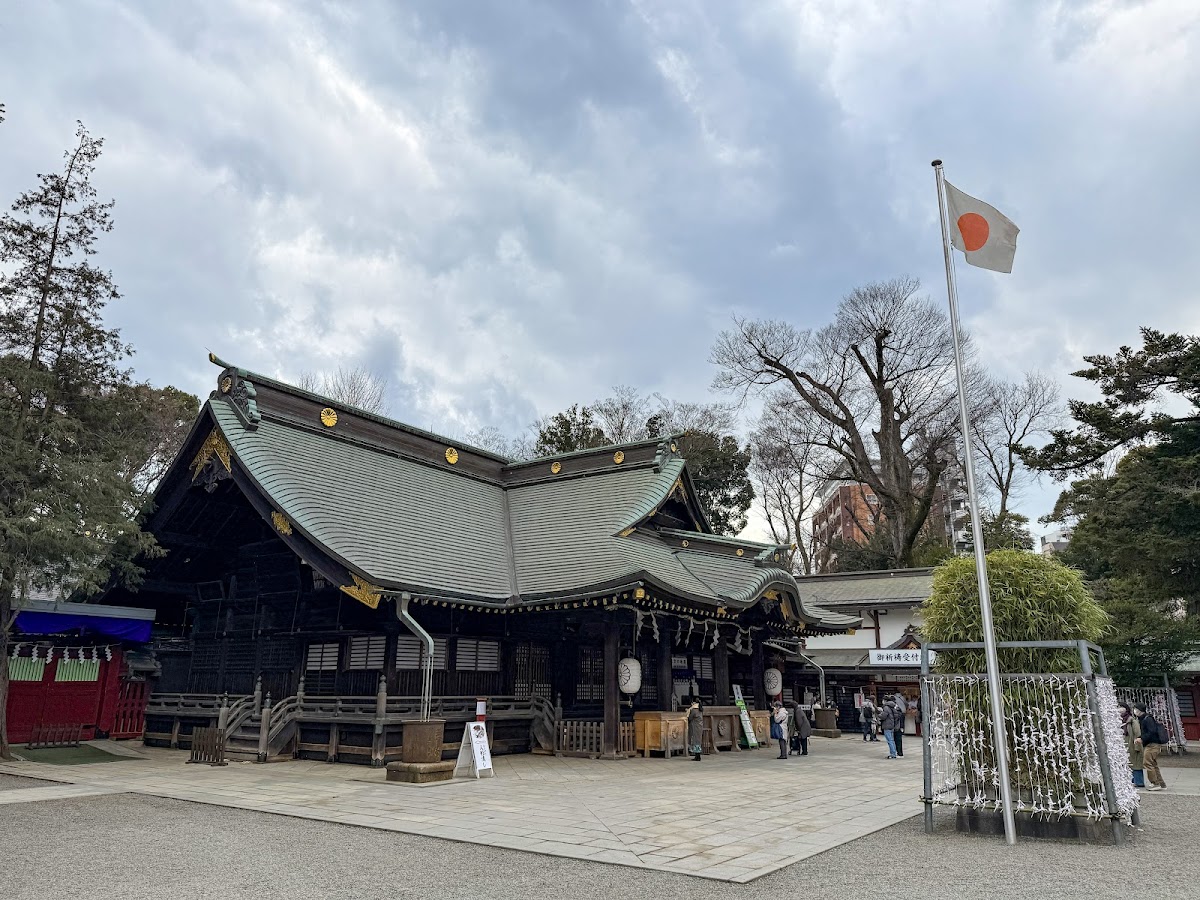
Okuni Shrine, located in Imozawa, Aoba-ku, Sendai City, Miyagi Prefecture, is one of the representative shrines of “Sendai, the City of Trees.” Its address is 27-14 Suezaka, Imozawa, Aoba-ku, Sendai City, Miyagi Prefecture, and it is situated in an environment surrounded by abundant nature.
The main deity enshrined is Okuninushi-no-Okami, and he is deeply revered by the local people as the god of fortune, “Daikoku-sama.” The vast grounds include a parking lot that can accommodate 300 cars, making it easily accessible for visitors from afar.
Blessings and Prayers
At Okuni Shrine in Sendai, we accept the following prayers at any time:
- First Shrine Visit: Prayers for the healthy growth of the baby
- Prayers for Safe Childbirth: Prayers for a healthy delivery for both mother and child
- Traffic Safety: Prayers for safe driving and accident-free driving
- Prayers for Good Relationships: Prayers for being blessed with good relationships
- Exorcism: Prayers to avoid misfortune during unlucky years
- Healing from Illness: Prayers for recovery from illness and maintaining good health
We also accept requests for off-site ceremonies such as ground-breaking ceremonies, and we are happy to assist with various consultations.
Access Information
Address: 27-14 Suezaka, Imozawa, Aoba-ku, Sendai City, Miyagi Prefecture 989-3212
Phone: 022-394-2720
FAX: 022-394-4192
Parking: 300 spaces available (free)
While public transportation is available, visiting by private car is more convenient. It is approximately a 30-minute drive from the center of Sendai City.
Goshuin (Shrine Seal) Information
Okuni Shrine in Sendai offers Goshuin (shrine seals) to visitors. They are available at the shrine office, and many people receive them as a memento of their visit. Those without a Goshuincho (stamp book) can purchase one on-site.
Okuni Shrine in Komagome, Tokyo
History and Origins
Okuni Shrine, located in Komagome, Toshima-ku, Tokyo, is a historical shrine founded in 1783 (Tenmei 3). In 1879 (Meiji 12), with the cooperation of Baron Junjiro Hosokawa, it was formally established as a shrine, and remains so to this day.
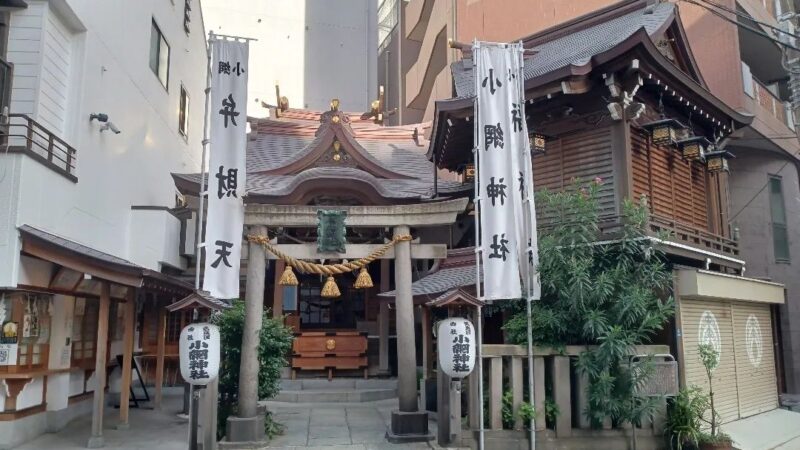
With a history dating back to the late Edo period, it is cherished by the residents of the Komagome area as the local guardian deity. Despite its central Tokyo location, it maintains a tranquil atmosphere, offering peace and solace to visitors.
Features of the Shrine Grounds
Okuni Shrine in Komagome is characterized by its calm atmosphere despite being located in a residential area. The compact yet meticulously maintained grounds provide a space where one can forget the hustle and bustle of everyday life.
Access Information
Located in Toshima-ku, Tokyo, it is within walking distance of Komagome Station on the JR Yamanote Line and Tokyo Metro Namboku Line. Its convenient location and easy access from the city center make it an attractive destination for casual visitors.
Okuni Shrine, Fukagawa City, Hokkaido
History Related to the Tondenhei (frontier soldiers)
Okuni Shrine, located in Ichimi-cho, Fukagawa City, Hokkaido, is a shrine with historical ties to the Tondenhei, founded in 1897 (Meiji 30). It has a history deeply intertwined with the development of Hokkaido.
The shrine’s founding dates back to 1897 (Meiji 30), when a commemorative monument was erected and a Shinto ritual was performed. In 1900 (Meiji 33), the officers of the 1st Battalion of the Tonden Infantry erected a small shrine on the scenic hill where it stands today. Initially, Amaterasu Omikami was enshrined, but in September 1912 (Taisho 1), a divided spirit was received from Izumo Taisha Shrine, and Okuninushi-no-Mikoto was enshrined alongside her, leading to the name “Okuni Shrine.”
History of Development
- Meiji 40 (1907): Main shrine, offering hall, worship hall, and shrine office were constructed.
- Taisho 1 (1912) August: Designated as a shrine receiving offerings from the government.
- Taisho 1 (1912) September: Ranked as a village shrine.
- Taisho 1 (1912) September 24: Received a divided spirit from Izumo Taisha Shrine.
As a shrine that has walked hand in hand with the development of Hokkaido and the region, it serves as a spiritual pillar for the local residents.
Access Information
Located in Fukagawa City, Hokkaido, it is accessible from the Fukagawa city center. As a valuable shrine where one can feel the history of Hokkaido’s development, it is a popular destination for history enthusiasts.
Difference from Okunitama Shrine in Fuchu City, Tokyo
When searching for “Okuni Shrine,” “Okunitama Shrine” in Fuchu City, Tokyo may appear in the search results. Although the names are similar, they are different shrines.
Okunitama Shrine is a shrine dedicated to Okunitama-no-Okami, the guardian deity of Musashi Province. It is one of the oldest shrines in Tokyo, believed to have been founded approximately 1900 years ago, in 111 AD. Okunitama-no-Okami is considered the same deity as Okuninushi-no-Kami and is worshipped as the god of Musashi Province’s development.
On the other hand, Okuni Shrines throughout Japan primarily enshrine Okuninushi-no-Okami as their main deity, each with its own unique founding history.
Okuni Shrines in Tokushima Prefecture
An Okuni Shrine also exists in Ikeda-cho, Miyoshi-gun, Tokushima Prefecture. In 1978, the “Tsukie Shinza” (Moon-Reflecting Deity Seat) was enshrined at this location, and then on March 26, 1981, a divine image was received from Izumo Taisha Shrine, leading to the establishment of the Okuni Shrine.
Although a relatively new shrine, built through the fervent faith of its founder, Asae Kawasaki, it attracts the devotion of the local community.
Amulets and Talismans Available at Okuni Shrines
Okuni Shrines throughout Japan offer a variety of amulets and talismans.
Main Items Offered
- Good Fortune Amulet: An amulet for wishing for improved luck
- Matchmaking Amulet: An amulet for wishing for a successful relationship
- Business Prosperity Amulet: An amulet for wishing for business development
- Traffic Safety Amulet: An amulet for wishing for safe driving
- Academic Success Amulet: An amulet for wishing for academic improvement
- Family Safety Amulet: An amulet for wishing for the safety and happiness of the family
- Exorcism Amulet: An amulet to ward off misfortune
The designs and types of amulets vary from shrine to shrine, so please check with the shrine office when you visit.
Annual Events at Okuni Shrines
Okuni Shrines hold various festivals and events throughout the year.
Main Annual Events
- January 1st: Saitansai (New Year’s Festival)
- January: Hatsumode (First Shrine Visit of the Year) Period
- February: Setsubun Festival
- Spring: Spring Grand Festival
- Summer: Summer Purification Ceremony
- Autumn: Autumn Grand Festival
- November: Shichi-Go-San Festival
- December: Year-End Purification Ceremony
The dates and content of events vary depending on the shrine. Please check the official website or announcement page of each shrine for details.
How to Visit and Manners
We will introduce the basic etiquette for visiting Okuni Shrine.
Procedure for Visiting the Shrine
- Bow before passing through the torii gate: Bow lightly before entering the sacred area.
- Purify yourself at the water basin: Purify your left hand, right hand, and mouth in that order.
- Walk along the edge of the path: The center is considered the path of the gods.
- Worship in front of the main hall: Two bows, two claps, and one bow is the basic procedure.
- Offer your donation: There are no set amounts, but offer it respectfully.
- State your wish specifically: Mentally state your name and address, and pray for your specific wish.
Attire for Visiting the Shrine
There are no specific dress code requirements, but clean attire that reflects the sacred nature of the place is desirable. If you are receiving a prayer, please dress appropriately and not too casually.
Points for Collecting Goshuin (Shrine Stamps)
In recent years, collecting Goshuin has become a popular hobby. Here are some points to keep in mind when receiving a Goshuin at Okuni Shrine.
Guidelines for Receiving a Goshuin (Shrine/Temple Seal)
- Receive after visiting: A goshuin is proof of your visit. Always visit the shrine before receiving it at the shrine office.
- Check reception hours: Visit during the shrine office’s reception hours.
- Prepare a goshuin notebook: It is recommended to prepare a dedicated goshuin notebook.
- Prepare the offering: Generally, it is around 300 to 500 yen. Please prepare the exact amount to avoid needing change.
- Be polite: Don’t forget to show gratitude to the shrine priests.
Comparison of Access to Okuni Shrines
Compare access methods to major Okuni Shrines throughout Japan.
Miyagi Prefecture, Sendai City
- Nearest Station: Approximately 30 minutes by car from JR Sendai Station
- Parking: 300 spaces available
- Recommended: Convenient access by private car
Tokyo, Komagome
- Nearest Station: Within walking distance of JR Komagome Station and Tokyo Metro Namboku Line Komagome Station
- Recommended: Convenient access by public transportation
Hokkaido, Fukagawa City
- Nearest Station: Accessible by car from JR Fukagawa Station
- Parking: Available
- Recommended: Accessible by private car
The Charm of Okuni Shrine
This summarizes the common charms of Okuni Shrines throughout Japan.
Benefits as a God of Fortune
Okuninushi-no-Okami, affectionately known as “Daikoku-sama,” is known for his diverse blessings. You can pray for protection in all aspects of life, including matchmaking, business prosperity, abundant harvests, and healing from illness. ### Locally Rooted Faith
Each Okuni Shrine is deeply intertwined with the history of its region. From the Okuni Shrine in Hokkaido, which tells the history of the Tondenhei (frontier soldiers), to the Okuni Shrine in Tokyo, which has existed since the Edo period, and the Okuni Shrine in Miyagi, which protects the “City of Trees,” each shrine is an integral part of its region’s identity.
A Serene Space
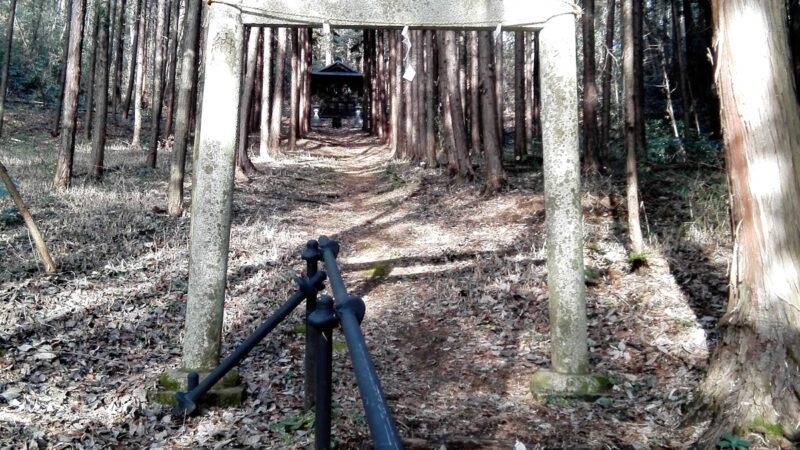
Whether located in urban areas or in nature-rich locations, each shrine offers visitors a quiet time for prayer. They are precious places to escape the hustle and bustle of everyday life and find peace of mind.
About Prayers at Okuni Shrines
Various types of prayers are available at Okuni Shrines.
Types of Prayers
While the types of prayers offered vary by shrine, the following are generally possible:
- Life Rituals: First shrine visit for a newborn, Shichi-Go-San (7-5-3) ceremony, coming-of-age ceremony, 60th birthday ceremony, etc.
- Family Safety: Prayers for safety in the home and health of the family
- Traffic Safety: Vehicle blessing, safe travel
- Business Prosperity: Business prosperity, success in business
- Exorcism: Prayers for protection against misfortune during unlucky years
- Prayers for Good Relationships: Matchmaking, successful relationships
- Healing from Illness: Recovery of health, recovery from illness
- Academic Success: Prayers for passing exams, academic improvement
How to Apply for a Prayer
- Advance Reservation: Advance reservations are recommended on days with major festivals or when crowds are expected.
- Same-Day Registration: Many shrines also accept same-day registrations.
- Offering Fee: The offering fee for a prayer is generally 5,000 yen or more.
- Duration: The prayer ceremony itself takes approximately 15-30 minutes.
On-site Ceremonies such as Groundbreakings
Many Ohkuni Shrines also offer on-site ceremonies, such as groundbreakings to pray for the safety of construction work and prayers for traffic safety for new cars. Please contact each shrine directly for details.
How to Check the Latest Information on Ohkuni Shrines
You can check the latest information on each Ohkuni Shrine using the following methods:
Official Websites
Many Ohkuni Shrines have official websites that post event schedules, announcements, access information, etc. We recommend checking before your visit.
Official Social Media Accounts
In particular, Ohkuni Shrine in Sendai City, Miyagi Prefecture, operates an official Instagram account (@ohkunijinja), where they post information about the shrine grounds, seasonal information, and event announcements.
Telephone Inquiries
If you have any questions or require more detailed information, you can contact each shrine directly by phone. Please contact them during the shrine office’s reception hours.
Summary
Daikoku Shrines are located throughout Japan, each with its own unique history and tradition, yet all are beloved by people as the god of fortune, “Daikoku-sama.” From the vast grounds of the Daikoku Shrine in Sendai City, Miyagi Prefecture, to the historic Daikoku Shrine in Komagome, Tokyo, and the Daikoku Shrine in Fukagawa City, Hokkaido, associated with the Tondenhei (pioneer soldiers), each plays a vital role as a center of local faith.
The faith in Okuninushi-no-Okami, known for his diverse blessings including matchmaking, business prosperity, healing from illness, and traffic safety, continues to be a source of spiritual support for many people today. From life rituals such as the first shrine visit for a newborn, Shichi-Go-San (a traditional rite of passage for children), and exorcism, to daily visits of gratitude, people are connected to the god in various ways.
The form of worship varies from person to person, whether it’s receiving a Goshuin (shrine stamp), obtaining an amulet, or quietly offering prayers. What’s important is to worship with a heart full of gratitude and respect for the god.
We encourage you to visit a nearby Okuni Shrine, or one you come across during your travels, and receive the blessings of Daikoku-sama, the god of fortune. We recommend checking the latest information on each shrine’s official website or social media before visiting.