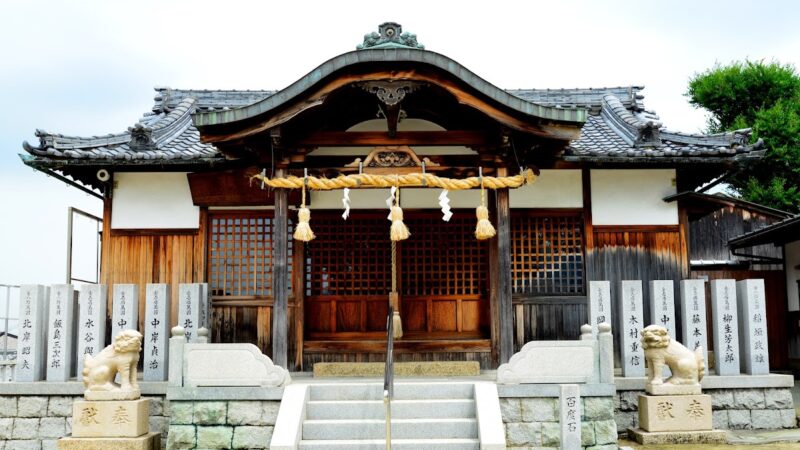
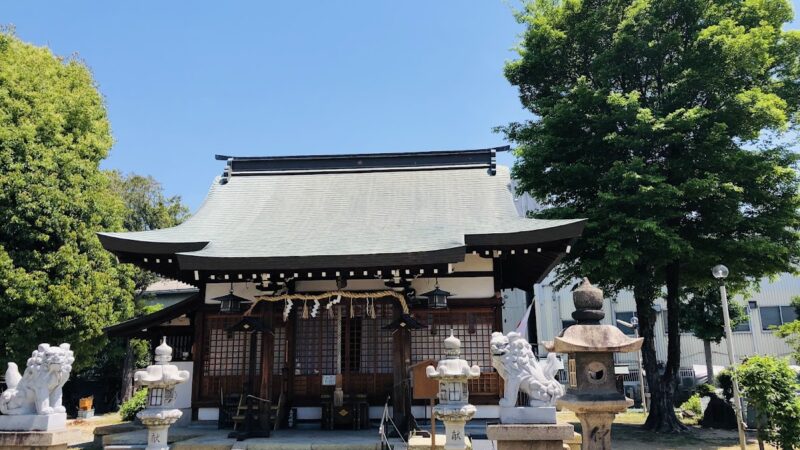
Complete Guide to Tenmangu Shrines: A List of Major Tenmangu Shrines Nationwide and the Deity of Learning Dedicated to Sugawara no Michizane
Tenmangu shrines are approximately 12,000 shrines throughout Japan dedicated to Sugawara no Michizane. Affectionately known as “Tenjin-sama” or “Tenjin-san,” they are revered as the god of learning and are deeply worshipped by students and those preparing for exams. This article comprehensively explains information about Tenmangu shrines, including their history, origins, major shrines nationwide, and proper etiquette for visiting.
Tenmangu shrines are a group of shrines dedicated to Sugawara no Michizane, with approximately 12,000 shrines throughout Japan. ## Table of Contents
- What is Tenmangu Shrine?
- Origin and History of Tenmangu Shrines
- About Sugawara no Michizane
- Faith and Benefits of Tenmangu Shrines
- List of Major Tenmangu Shrines and Tenman Shrines
- Architectural Style and Characteristics of Tenmangu Shrines
- How to Worship and Manners at Tenmangu Shrines
- Annual Events and Festivals of Tenmangu Shrines
What is Tenmangu Shrine?
Overview
Tenmangu shrines are dedicated to Sugawara no Michizane, a nobleman, scholar, and politician who was active during the Heian period. After his death, Michizane was deified as Tenman Daijizai Tenjin and came to be revered as “Tenjin-sama.”
Besides the name Tenmangu, it is also known by the following names:
- Tenman Shrine
- Tenjin Shrine
- Tenjin-sha
- Tenjin-gu
- Sugawara Shrine
- Tenman-sha
- Kitano Shrine
The head shrines of all Tenmangu shrines nationwide are said to be Kitano Tenmangu in Kyoto and Dazaifu Tenmangu in Fukuoka, and these two shrines are particularly famous as the “Two Great Tenmangu.”
Distribution and Number of Tenmangu Shrines
There are approximately 12,000 Tenmangu and Tenjin shrines throughout Japan, making it the third most common type of shrine after Inari Shrine and Hachiman Shrine. They are widely distributed from urban to rural areas and are objects of deep-rooted community worship.
The Origin and History of Tenmangu Shrines
The Legend of Sugawara no Michizane’s Vengeful Spirit
The spread of Tenmangu shrines throughout Japan is rooted in the tragic life of Sugawara no Michizane and the series of events that followed.
Michizane was highly favored by Emperor Uda and Emperor Daigo, rising to the position of Minister of the Right. However, in 901 (Engi 1), he was demoted and exiled to Dazaifu due to slander from Fujiwara no Tokihira, the Minister of the Left. After his death in despair in Dazaifu on February 25, 903 (Engi 3), a series of strange occurrences took place in Kyoto.
- 909: Fujiwara no Tokihira dies suddenly at the age of 39
- 923: Crown Prince Yasuakira dies
- 925: Prince Keiyori, grandson of Emperor Daigo, dies prematurely
- 930: Lightning strikes Seiryoden Palace, killing Fujiwara no Kiyotsura and others (Seiryoden Lightning Incident)
These calamities were feared to be the curse of Michizane’s vengeful spirit, and the imperial court decided to enshrine him as a god to appease his spirit.
Founding of Tenmangu Shrines
Hofu Tenmangu Shrine (Hofu City, Yamaguchi Prefecture) was founded in 904 (Engi 4) and claims to be “Japan’s first Tenmangu Shrine.” This is because the first Goryo-sai (a memorial service for the repose of Michizane’s spirit) was held in Hofu on the way to Kyoto.
Kitano Tenmangu Shrine (Kamigyo-ku, Kyoto City) was founded in 947 (Tenryaku 1). The imperial court constructed a magnificent shrine in Kitano to appease the vengeful spirit of Michizane, and it is considered one of the head shrines of all Tenmangu shrines nationwide.
Dazaifu Tenmangu Shrine (Dazaifu City, Fukuoka Prefecture) originated from a mausoleum built on the site where Michizane was buried, and the shrine building was constructed in 919 (Engi 19). This shrine is also revered as one of the head shrines of all Tenmangu shrines nationwide.
Spread of Tenjin Worship
Initially, Tenjin worship had a strong character of appeasing vengeful spirits, but as time passed, Michizane’s achievements during his lifetime came to be celebrated. In particular, because Michizane was an excellent scholar and man of letters, the belief in him as the god of learning became established, and during the Edo period, Tenjin statues were enshrined in terakoya (private schools), and the belief spread widely among the common people.
About Sugawara no Michizane
Life and Achievements
Sugawara no Michizane was born on June 25, 845 (Jōwa 12), into the Sugawara clan, a family of scholars. He excelled in poetry and song from a young age and was called a “child prodigy.”
Main Career Highlights:
- 867 (Jōgan 9): Passed the examination for the position of student of literature
- 870 (Jōgan 12): Passed the examination for the strategic planning examination
- 877 (Gangyō 1): Appointed as Junior Assistant Minister of the Ministry of Ceremonial Affairs
- 886 (Ninna 2): Appointed as Governor of Sanuki Province (present-day Kagawa Prefecture)
- 894 (Kanpyō 6): Proposed the abolition of the Japanese missions to Tang China (he had been appointed as the Ambassador to Tang China)
- 899 (Shōtai 2): Promoted to Minister of the Right
- 901 (Engi 1): Demoted to Dazaifu
- 903 (Engi 3): Died in Dazaifu at the age of 59
Michizane was also an excellent Chinese poet, leaving behind collections of poems and prose such as “Kanke Bunsō” and “Kanke Kōshū.” Furthermore, his suggestion to abolish the Japanese missions to Tang China greatly contributed to the development of Japan’s unique culture.
The Character of Michizane
Michizane excelled not only in academics but also in political acumen, gaining the trust of Emperor Uda and achieving unprecedented promotions. However, his rapid rise incurred the resentment of the Fujiwara clan, and he ultimately lost the political struggle and fell from power.
His life in Dazaifu was extremely difficult, and he composed the famous waka poem, “When the east wind blows, send forth your fragrance, plum blossoms; do not forget spring, even though your master is gone,” longing for the plum tree that once stood at his Kyoto residence. The “Flying Plum Legend,” in which this plum tree supposedly flew to Dazaifu overnight, is an important element of Tenmangu worship.
Tenmangu Faith and Benefits
God of Learning
The most representative benefits of Tenmangu are academic success and success in passing exams. Because Sugawara no Michizane was an excellent scholar, many students and those preparing for exams visit the shrine to pray for success. Especially during exam season, the shrine is bustling with worshippers, and it’s common to see them writing their wishes for success on ema (votive tablets) and offering them to the shrine.
Other Benefits
Besides academic success, Tenmangu Shrine is believed to offer the following benefits:
- Improvement in Writing: Due to Michizane’s reputation as an excellent poet and man of letters.
- Improvement in Performing Arts: Due to his talent in arts such as waka poetry and calligraphy.
- Protection from Misfortune and Disaster: Due to the shrine’s perceived powerful divine authority.
- Sincerity: Due to Michizane’s honest character.
- Honesty: Due to Michizane’s life, marked by his hatred of injustice.
Symbol of Tenmangu Shrine
Plum Blossom: As a flower loved by Michizane, the plum blossom crest is used as the shrine’s emblem. Many plum trees are planted on the grounds, and a plum blossom festival is held in early spring.
Ox: Sugawara no Michizane is said to have a deep connection with oxen, and many Tenmangu shrines feature statues of oxen called “Nade-ushi” (stroking oxen). It is believed that stroking these oxen will grant wisdom, and worshippers often stroke their heads and bodies. There are several legends regarding his connection with oxen, including the fact that Michizane was born in the Year of the Ox, and that he was buried in a place where an ox sat down and refused to move on his way to Dazaifu.
List of Major Tenmangu Shrines
While there are numerous Tenmangu shrines throughout Japan, here we introduce some of the most famous ones.
Major Tenmangu Shrines
Kitano Tenmangu Shrine (Kamigyo-ku, Kyoto City, Kyoto Prefecture)
- One of the head shrines of all Tenmangu shrines nationwide
- Founded in 947
- Main hall is a National Treasure, and there are many other Important Cultural Properties
- Famous for its monthly “Tenjin-san” festival on the 25th of each month
- The plum garden has approximately 1,500 plum trees of about 50 varieties
Dazaifu Tenmangu Shrine (Dazaifu City, Fukuoka Prefecture)
- One of the head shrines of all Tenmangu shrines nationwide
- Built on the tomb of Sugawara no Michizane
- One of Kyushu’s leading tourist destinations, attracting approximately 10 million visitors annually
- Home to the legendary “Flying Plum Tree”
- The approach to the shrine is lined with shops selling the famous Umegae Mochi (plum blossom rice cakes)
Osaka Tenmangu Shrine (Kita-ku, Osaka City, Osaka Prefecture)
- Affectionately known as “Tenma no Tenjin-san”
- Founded in 949
- Famous for the Tenjin Festival, one of Japan’s three major festivals (held annually on July 24th and 25th)
- Located in the heart of Osaka City, with excellent access
- Known for its blessings of academic success and improvement in performing arts
Hofu Tenmangu Shrine (Hofu City, Yamaguchi Prefecture)
- Claims to be “Japan’s first Tenmangu Shrine”
- Founded in 904
- The site where the first memorial service for Michizane was held on the way to Kyoto
- Beautiful view from Shunpuro
Main Tenman Shrines
Kameido Tenjin Shrine (Koto Ward, Tokyo)
- Known as “the Dazaifu of the East”
- Founded in 1662
- Famous for its wisteria blossoms
- Attracted the faith of Edo commoners as the god of learning
Yushima Tenmangu Shrine (Yushima Tenjin) (Bunkyo Ward, Tokyo)
- An ancient shrine founded in 458, with Michizane enshrined there in 1355
- One of the three great Tenjin shrines of Edo
- Known as a famous spot for plum blossoms
- Numerous votive tablets are dedicated during exam season
Yaho Tenmangu Shrine (Kunitachi City, Tokyo)
- Founded in 903
- Considered the oldest Tenmangu shrine in the Kanto region
- Founded by Sugawara no Michitake, the third son of Michizane
- Also known as the birthplace of traffic safety
Major Tenman Shrines and Sugawara Shrines
Nishiki Tenmangu Shrine (Nakagyo Ward, Kyoto City, Kyoto Prefecture)
- Located at the eastern end of Nishiki Market, Kyoto’s bustling downtown area
- Worshipped as the god of learning and business prosperity
- Affectionately known as “Nishiki no Tenjin-san”
Tsunashiki Tenjin Shrine (Kita Ward, Osaka City, Osaka Prefecture)
- Founded in 949
- Located in the Umeda downtown area
- Also known for its association with toothache relief
Sugawara Tenmangu Shrine (Nara City, Nara Prefecture)
- Built on the birthplace of the Sugawara clan
- There is a theory that this is the birthplace of Sugawara no Michizane.
- Dedicated to the ancestral deity of the Sugawara clan.
Major Tenjin Shrines and Tenjin-gu Shrines
Misaki Tenmangu (Minato-ku, Tokyo)
- Official name: “Tenmangu”
- One of the four shrines in Minato-ku
- Worshipped as the god of learning and performing arts
Yamaguchi Tenjin-gu (Furukuma, Yamaguchi City, Yamaguchi Prefecture)
- Founded in 1374
- One of the leading plum blossom viewing spots in Western Japan
Ueno Tenmangu (Chikusa-ku, Nagoya City, Aichi Prefecture)
- Founded in 1355
- One of the three major Tenjin shrines in Nagoya
- Famous for prayers for passing exams
Architectural Styles and Characteristics of Tenmangu Shrines
Structure of the Shrine Building
Many Tenmangu shrines are built in the Gongen-zukuri or Nagare-zukuri style. The main hall of Kitano Tenmangu Shrine is designated a National Treasure and preserves the magnificent architectural style of the Momoyama period.
Features of the Shrine Grounds
Plum Grove: Many Tenmangu shrines have plum groves, and a plum blossom festival is held in early spring. The sight of white and red plum blossoms in full bloom is spectacular.
Ox Statue: Statues of oxen, considered “divine messengers,” are placed on the shrine grounds. It is believed that visitors who stroke them will receive wisdom. Many people particularly stroke the heads, and many statues have a gleaming appearance in that area.
Arched Bridge: Shrines such as Dazaifu Tenmangu Shrine and Kameido Tenjin Shrine have arched bridges (taiko-bashi) that are said to represent the past, present, and future. Crossing them is believed to purify the body.
Treasure Hall: Major Tenmangu shrines have treasure halls that house items related to Sugawara no Michizane, ancient documents, and works of art.
How to Worship and Manners at Tenmangu Shrine
Basic Worship Etiquette
When visiting Tenmangu Shrine, follow the general manners for visiting shrines:
- Bow before passing through the torii gate
- Purify yourself at the water basin
- Hold the ladle in your right hand and wash your left hand
- Switch the ladle to your left hand and wash your right hand
- Switch the ladle back to your right hand, receive water in your left hand, and rinse your mouth
- Wash your left hand again
- Hold the ladle upright and rinse the handle
- Bow twice, clap twice, and bow once in front of the main hall
- Place your offering
- Ring the bell
- Bow deeply twice
- Clap your hands twice
- Recite your wish silently
- Bow deeply once
- Pet the Nadeushi (stroking cow) (if available)
- Receive an amulet or ema (votive tablet) (if desired)
Timing of Visits
Exam Season (December-March): The shrine is crowded with visitors praying for success in exams. Visiting early in the morning or on weekdays is recommended.
New Year’s Visit (January 1st-3rd): The shrine is bustling with many visitors.
Plum Blossom Season (February-March): Plum blossoms are in full bloom, and a plum blossom festival is held.
Tenjin Festival (July): The Tenjin Festival at Osaka Tenmangu Shrine is one of Japan’s three major festivals, featuring a boat procession and fireworks display.
25th of Every Month: Many Tenmangu shrines hold festivals on the 25th of each month, commemorating the death anniversary of Sugawara no Michizane. Kitano Tenmangu Shrine’s “Tenjin-san” festival is particularly famous.
How to Write on an Ema (Votive Tablet)
Many people dedicate ema at Tenmangu shrines to pray for success in exams:
- Write the name of your desired school or exam specifically.
- Use positive expressions, such as “Passed the entrance exam for XX University.”
- It’s safer not to write personal information (address or phone number).
- Write neatly (as a sign of respect to the god of learning).
Annual Events and Festivals at Tenmangu Shrines
Major Festivals
Hatsutenjin (January 25th)
- The first festival of the new year.
- Bustling with worshippers praying for success in exams.
Baika-sai (February 25th)
- A festival held on the anniversary of Michizane’s death.
- An outdoor tea ceremony is held at Kitano Tenmangu Shrine.
Kyokusui-no-en (Spring)
- An elegant event held at Dazaifu Tenmangu Shrine and other locations.
- Participants in Heian period attire recite waka poems.
Tenjin Festival (July 24th & 25th)
- Festival of Osaka Tenmangu Shrine
- One of Japan’s three major festivals
- Highlights include the boat procession, land procession, and fireworks display.
Brush Festival (November)
- An event to commemorate worn-out brushes
- Expressing gratitude for stationery.
End of Tenjin Festival (December 25th)
- The last festival of the year
- Bustling with people praying for success in their entrance exams in the new year.
Special Shinto Rituals
Usokae Shinji (Bullfinch Exchange Ritual)
- Mainly held in January
- Exchange of wooden carvings of bullfinches (uso)
- Meaning of exchanging the “lies” of the previous year for “truth.”
Goshinkisai (Divine Memorial Festival)
- The most important festival held on February 25th, the anniversary of Michizane’s death.
Tenmangu Shrines and Japanese Culture
Connection to Literature
Tenmangu shrines appear in many literary works. Because Sugawara no Michizane himself was a renowned Chinese poet, Tenmangu shrines are also considered sacred sites of literature and art.
Connection to Education
During the Edo period, Tenjin statues were almost always enshrined in terakoya (private schools), and children learned to read and write under the watchful eye of the god of learning. This tradition continues today, with many schools and cram schools receiving amulets for academic success from Tenmangu shrines.
Tenmangu Shrines in Modern Times
Even today, Tenmangu shrines enjoy immense popularity as the god of learning, and during exam season, many worshippers visit Tenmangu shrines throughout Japan. They are also important tourist destinations, with Dazaifu Tenmangu Shrine in particular attracting approximately 10 million visitors annually, making it one of Kyushu’s leading tourist spots.
In recent years, shrines have also adopted modern approaches, such as disseminating information through social media and catering to foreign tourists.
Summary
Tenmangu shrines are one of Japan’s most representative shrines, dedicated to Sugawara no Michizane, and have attracted the faith of people for over 1,000 years as the god of learning. There are approximately 12,000 such shrines throughout Japan, each fostering its own unique history and traditions in its respective region.
From prayers for success in exams to cultural sites for appreciating plum blossoms and as centers of local festivals, Tenmangu shrines continue to play an important role in modern times. Major Tenmangu shrines, including Kitano Tenmangu, Dazaifu Tenmangu, and Osaka Tenmangu, boast historical buildings and beautiful gardens, making them well worth a visit.
Whether you’re praying for academic success or simply interested in Japanese history and culture, why not visit a Tenmangu shrine near you? The experience of praying to the god of learning while surrounded by the fragrance of plum blossoms will surely be a memorable one.