Complete Guide to Nakamura Shrine (Osaka Prefecture) | Thorough Explanation of Deities, Blessings, Access, and History
Nakamura Shrine, located in Osaka Prefecture, is a shrine that has long been cherished by the local community. This article provides a detailed explanation of Nakamura Shrine’s deities, blessings, access methods, history, and highlights of the shrine grounds—all the information you should know before visiting.
Basic Information about Nakamura Shrine
Nakamura Shrine is located in Osaka Prefecture and has long been revered as the local guardian deity. Nestled in a quiet residential area and rural landscape, the shrine offers a peaceful retreat from the hustle and bustle of the city, making it a beloved place for both locals and visitors from afar.
Shrine Overview
The name Nakamura Shrine is believed to originate from the local place name “Nakamura.” There are several places named Nakamura within Osaka Prefecture, and each has functioned as a shrine rooted in its respective region. While not large in scale, the shrine has a history of playing a central role in the local community.
Deities and Divine Virtues
About the Main Deity
The deities enshrined at Nakamura Shrine may vary depending on the region and the history of the shrine, but generally, the following deities are worshipped:
Susanoo-no-Mikoto is often the main deity, and is revered as a god of protection against misfortune and disease. Susanoo-no-Mikoto is known in Japanese mythology as a brave god who slayed the Yamata no Orochi (eight-headed serpent), and is believed to possess the power to ward off calamities.
In addition, Amaterasu-Omikami and Emperor Ojin may also be enshrined. These deities are believed to bestow divine virtues such as national peace and security, abundant harvests, and lasting military fortune.
Expected Benefits
The main benefits you can expect at Nakamura Shrine are as follows:
- Protection from Evil and Disaster: Susanoo-no-Mikoto’s powerful energy protects you from all kinds of calamities.
- Family Safety: Maintaining the health and peaceful daily life of all family members.
- Business Prosperity: Business development and thriving business.
- Abundant Harvest: Bountiful crops and safe food supply.
- Matchmaking: Blessing yourself with good relationships and smooth interpersonal interactions.
- Healing from Illness: Recovery of health and protection from illness.
- Traffic Safety: Safety during daily commutes, school runs, and travel.
History and Origins of Nakamura Shrine
Origin of Founding
While the exact founding date of Nakamura Shrine is often unclear, as with many local shrines, its history is ancient, and it is believed to have attracted the faith of local people since at least before the Edo period.
The shrine’s founding is deeply connected to the development of the region and the advancement of agriculture. When cultivating new land, people worshipped the local deities and prayed for a bountiful harvest and safety. Nakamura Shrine was born within this historical context and developed as a guardian deity of the region.
Historical Changes
During the Edo period, it functioned as the village’s guardian shrine, and the entire village participated in the spring and autumn festivals. In this era, the shrine served not only as a place of worship but also as a meeting place where important village matters were decided.
With the Meiji era’s separation of Shinto and Buddhism, many shrines were reorganized, and Nakamura Shrine was no exception. During this period, the shrine’s rank was established, and its position as a regional shrine became clearer.
During the Showa era, despite the effects of war, it survived as a spiritual anchor for the local people and played an important role in the reconstruction of the community during the post-war reconstruction period.
In the Heisei and Reiwa eras, while preserving tradition amidst urbanization, efforts continue to meet the needs of worshippers in the new era.
Highlights of the Shrine Grounds
Main Hall and Worship Hall
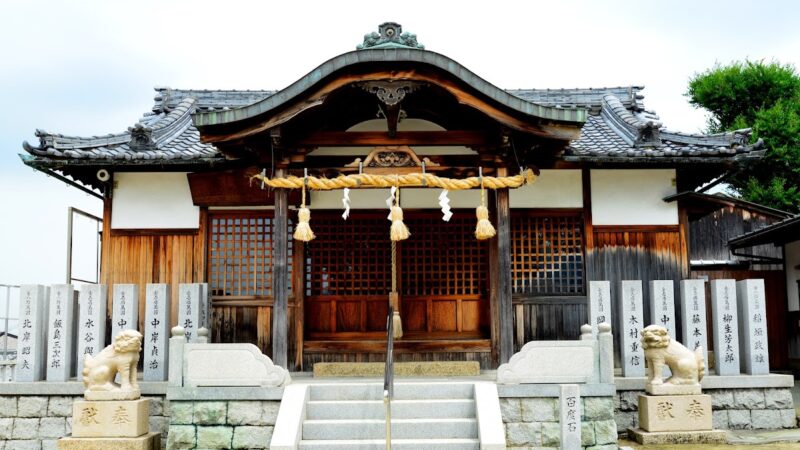
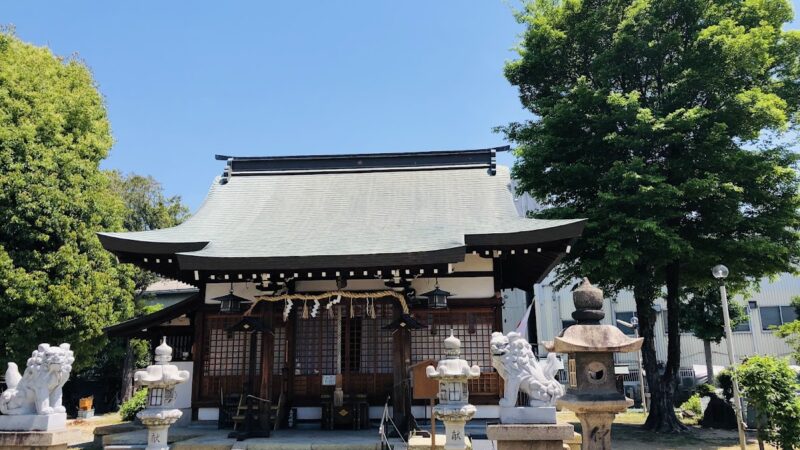
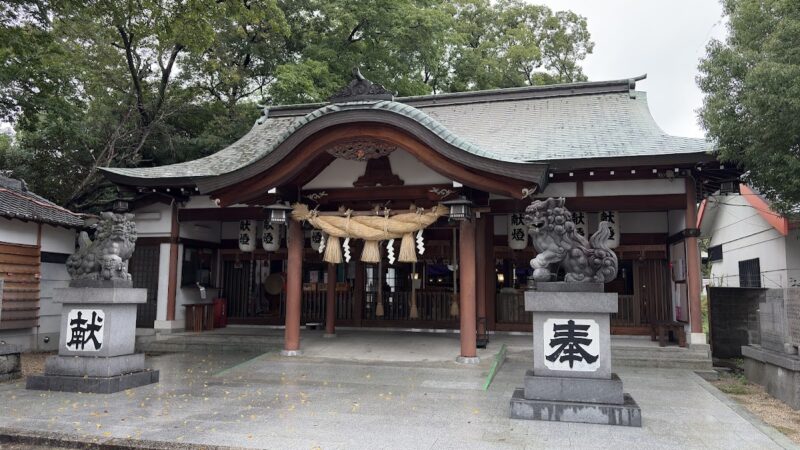
The main hall of Nakamura Shrine is built in the traditional style of shrine architecture. While not large in scale, the meticulously maintained shrine buildings speak to the deep faith of the local people. In the worship hall, you can see daily worshippers quietly offering their prayers.
Torii Gate and Approach
The torii gate at the entrance to the shrine serves as a boundary separating the secular world from the sacred realm. Passing through the torii gate and walking along the approach purifies the heart and prepares one to approach the gods. Trees that display different appearances in each season are planted on both sides of the approach, allowing visitors to enjoy the changing seasons.
Water Basin
The water basin, where one purifies the body and mind before worship, is also an important facility on the shrine grounds. Purifying one’s hands and mouth here is an important ritual before meeting the gods. It is believed that purifying oneself with pure water also purifies the heart.
Shrines and Subsidiary Shrines
Around the main shrine building, you may find several small shrines and subsidiary shrines. These enshrine various deities, such as Inari, Tenjin, and Kotohira, and each is believed to offer unique blessings.
Sacred Trees
The sacred trees, having stood for centuries, are living witnesses to the history of the shrine. Hundreds of years old trees are believed to possess sacred power, and worshippers can pray before them to receive this power.
Annual Events and Festivals
Main Annual Events
Nakamura Shrine holds various Shinto rituals and festivals throughout the year.
January
- New Year’s Day Festival: A Shinto ritual to pray for happiness in the new year.
- Tondo-yaki (Sagicho): A traditional event where New Year’s decorations and amulets are burned.
February
- Setsubun Festival: An event to ward off evil and invite good fortune by scattering beans.
- Kinensai: A major spring festival praying for a bountiful harvest.
Spring (March-May)
- Spring Grand Festival: A festival celebrating the arrival of spring and praying for the prosperity of the community.
Summer (June-August)
- Natsukoshi no Oharae: A Shinto ritual to purify oneself of sins and impurities accumulated over the past six months.
- Summer Festival: A lively festival where people from the community gather.
Autumn (September-November)
- Autumn Grand Festival: An important festival to give thanks for the harvest and pray for the peace and security of the community.
- Shichi-Go-San Pilgrimage: Celebrating children’s growth and praying for their healthy development
December
- Niiname-sai (Harvest Festival): A Shinto ritual offering new grain to the gods and giving thanks for the harvest
- Toshikoshi no Oharae (Great Purification Ceremony of the Year): Purifying oneself of the sins and impurities of the past year and preparing to welcome the new year with a fresh mind
Scenes from the Grand Festival
The Nakamura Shrine Grand Festival is one of the most important events in the region. The entire community is enveloped in a festive atmosphere with the procession of the portable shrine, devotional performances, and the opening of stalls. It is a valuable opportunity to pass on local culture to the next generation, including the dedication of drums by children and the performance of traditional Kagura (sacred dance).
How to Worship and Manners
Proper Worship Etiquette
There are manners to observe when worshipping at a shrine. Please follow the steps below.
1. Bowing at the Torii Gate
Bow before passing through the torii gate to obtain permission to enter the sacred area.
2. How to Walk on the Approach to the Shrine
The center of the approach is considered the path of the gods, so it is polite to walk along the edge.
3. How to Wash Your Hands
- Take the ladle with your right hand and wash your left hand.
- Switch the ladle to your left hand and wash your right hand.
- Switch the ladle back to your right hand, receive water in your left hand, and rinse your mouth.
- Wash your left hand once more.
- Hold the ladle upright, wash the handle, and return it to its original position.
4. Worship at the Main Hall
- Bow lightly before placing your offering.
- Ring the bell if there is one.
- Worship using the two bows, two claps, one bow method.
- Bow deeply twice.
- Clap your hands twice at chest height.
- Bring your hands together and pray.
- Bow deeply once.
Attire for Worship
While it’s acceptable to wear everyday clothes, remember that you are meeting the gods, so try to dress neatly and cleanly. Especially when receiving prayers or purification rituals, please avoid jeans and sandals, and formal attire is preferable.
Goshuin (Shrine Seals) and Amulets
About Goshuin
Goshuin are given as proof of visiting a shrine. Nakamura Shrine may also offer goshuin. When receiving a goshuin, please note the following:
- Always complete your prayers before receiving the goshuin.
- Prepare a goshuincho (avoid receiving it in a notebook or on paper).
- Check the shrine office’s opening hours.
- Prepare a donation (around 300-500 yen).
- Request using polite language.
Goshuin are not merely stamps; they are important for establishing a connection with the shrine. Please treat them with respect.
Amulets and Gifts
Nakamura Shrine offers a variety of amulets and gifts.
- Exorcism Amulet: For those in their unlucky year or those seeking protection from misfortune.
- Traffic Safety Amulet: For safe driving of cars and bicycles.
- Academic Success Amulet: For students and those taking exams who wish for academic success.
- Health Amulet: For recovery from illness and maintaining good health.
- Matchmaking Amulet: For those seeking a good match.
- Family Safety Amulet: For the happiness of all family members.
It is recommended to replace amulets with new ones approximately every year. Old amulets should be returned to the shrine and burned in a ceremonial burning.
Access Method
Access by Train
Access to Nakamura Shrine is generally by walking or taking a bus from the nearest station. As it is a shrine within Osaka Prefecture, access from Osaka City and neighboring cities is relatively convenient.
The exact nearest station and travel time vary depending on the shrine’s location, but generally:
- Approximately 10-20 minutes on foot from the nearest station
- Approximately 5 minutes on foot from the bus stop if using the bus from the station
We recommend checking the latest access information on the shrine’s official website or a map app beforehand.
Access by Car
If visiting by private car, check in advance whether the shrine has a parking lot. Smaller shrines may not have a dedicated parking lot.
- Approximately 30 minutes to 1 hour from Osaka city center using major roads
- Utilize car navigation or a smartphone map app
- During festivals, surrounding roads may be congested, so using public transportation is recommended.
Access by Bus
If using the bus from the nearest station, check the bus timetable in advance. Bus services may be infrequent, especially on holidays and during early mornings and evenings.
Nearby Tourist Attractions
Nearby Shrines and Temples
After visiting Nakamura Shrine, we recommend visiting other nearby shrines and temples. Osaka Prefecture boasts numerous historical temples and shrines, each possessing its own unique charm.
Local Attractions
Around the shrines, you’ll find many places where you can experience the region’s history and culture. Enjoy strolling through old streets, traditional shopping districts, and parks.
Gourmet Spots
After visiting the shrine, enjoying local specialty dishes is another pleasure of your trip. There are various restaurants offering Osaka’s unique flour-based food culture, as well as beloved local eateries.
Points to Note When Visiting
Visiting Hours
While the shrine grounds are generally open 24 hours for worship, the shrine office hours are limited. If you wish to obtain a Goshuin (shrine stamp) or amulet, please refer to the following times:
- Normal: Approximately 9:00 AM to 5:00 PM
- First three days of the New Year: May be extended from early morning until night
Photography
Photography is generally permitted on the shrine grounds, but please note the following points.
- Photography inside the main shrine is often prohibited.
- Be considerate of other worshippers.
- Remember that this is a sacred place and behave respectfully.
- Use of a tripod requires prior confirmation.
Bringing Pets
Pet policies vary by shrine. Generally, pets may be allowed on the grounds if carried or in a carrier bag, but it is recommended to check in advance.
Deepening Your Connection with the Shrine
Regular Visits
Regular visits are important for deepening your connection with the shrine. Visiting monthly (once a month) or at seasonal changes is believed to strengthen your connection with the deities.
As a Parishioner/Worshipper
Those living in the area can support the shrine as parishioners, and those living far away can support it as worshippers. You can support the shrine in various ways, such as helping with the annual festival or participating in cleaning activities.
Requesting Prayers and Supplications
If you have a significant life event or a special wish, you can request a formal prayer or supplication.
- First shrine visit (Omiyamairi)
- Shichi-Go-San (7-5-3) ceremony
- Prayer for protection against misfortune
- Prayer for family safety
- Prayer for business prosperity
- Prayer for traffic safety
- Prayer for recovery from illness
If you wish to have a prayer performed, please contact the shrine in advance to confirm the date, time, and offering fee.
The Charm of Nakamura Shrine
Warmth Rooted in the Community
The greatest charm of Nakamura Shrine is its warm atmosphere rooted in the community. Unlike large tourist shrines, it quietly watches over the community as an integral part of the daily lives of the local people.
Nature in Every Season
The trees on the shrine grounds display beautiful expressions in every season. Cherry blossoms and fresh greenery in spring, deep green in summer, autumn leaves in fall, and a crisp silence in winter. By visiting in each season, you can discover different charms.
A Place to Find Peace of Mind
Nakamura Shrine is a precious place to escape the hustle and bustle of the city and find quiet peace of mind. Through worship, you can be freed from the hustle and bustle of daily life and regain inner peace.
Summary
Nakamura Shrine is a beloved local shrine located in Osaka Prefecture. It offers blessings for protection against misfortune and family safety, and various Shinto rituals and festivals are held throughout the year.
When visiting, please observe proper etiquette and show respect to the deities. Receiving a Goshuin (shrine stamp) or amulet allows you to preserve your connection with the shrine in a tangible form.
There are several ways to access the shrine, including train, bus, and car, but it is recommended to check the latest information beforehand. Within the shrine grounds, there are various points of interest, such as the main hall and sacred trees, and you can also enjoy the changing seasons.
Nakamura Shrine is a valuable place that conveys the history and culture of the region to the present day. Please visit at least once and experience its tranquil atmosphere and sacred air. Regular visits to the shrine will deepen your connection with the gods, bringing peace and happiness to your daily life.
Visiting a shrine is not merely sightseeing; it is a valuable opportunity to experience traditional Japanese culture and reflect on yourself. We hope that your visit to Nakamura Shrine will bring peace and hope to your heart.