Myokokuji Temple Complete Guide | Visiting the 1100-Year-Old Cycad and the History of the Sakai Incident
Myokokuji Temple, located in Zaimokucho Higashi, Sakai Ward, Sakai City, Osaka Prefecture, is a renowned temple with a long history as a head temple (historical temple) of the Nichiren sect. It is a representative historical temple of Sakai, attracting many visitors with its 1100-year-old cycad, a nationally designated natural monument, the legend of the “night-crying cycad” that frightened Oda Nobunaga, and its role as the setting for the Sakai Incident at the end of the Edo period.
Basic Information about Myokokuji Temple
Myokokuji Temple, with its mountain name Kofusan, is a Nichiren sect temple that enshrines the Three Treasures as its principal image. It was founded in 1562 by Nikko, a scholar-monk of the Nichiren sect, and its founder is said to be the Sengoku period warlord Miyoshi Jikkyu. The name is also sometimes written as Myokokuji.
Within the temple grounds lies a magnificent dry landscape garden, and at its center stands a majestic cycad tree that has watched over the city of Sakai for over a thousand years. Known as a temple visited by powerful figures such as Oda Nobunaga and Tokugawa Ieyasu, and also serving as an imperial prayer temple, it boasts a unique history among the head temples of the Nichiren sect.
Location and Access Information
Location: 4-1-4 Zaimokucho Higashi, Sakai-ku, Sakai City, Osaka Prefecture
Myokokuji Temple is located in a quiet temple district in the heart of Sakai City, and is easily accessible by public transportation.
History of Myokokuji Temple
Founding and the Sengoku Period
Myokokuji Temple was founded in 1562 (Eiroku 5), in the midst of the Sengoku period. Its founder, Nichiko, was a renowned high priest of the Nichiren sect, and he established the temple in this location during a time when Sakai was a prosperous autonomous city. The temple’s founder, Miyoshi Jitsukyu, was a Sengoku period warlord who served as the deputy governor of Awa Province and was the younger brother of Miyoshi Nagayoshi.
Sakai was a thriving international trading city at the time, often called the Venice of the East, and powerful merchants held considerable influence. Myokoku-ji Temple developed as a key temple of the Nichiren sect amidst Sakai’s prosperity.
Connection with Oda Nobunaga
An essential part of Myokoku-ji Temple’s history is its relationship with Oda Nobunaga. Nobunaga, aiming for the unification of Japan, valued the control of the prosperous city of Sakai and frequently visited it. During one of these visits, he stopped by Myokoku-ji Temple and was struck by the magnificent cycad tree on its grounds.
This event marked the beginning of the legend of the “Crying Cycad,” which would later be passed down through generations. During Nobunaga’s time, Myokoku-ji Temple was recognized as one of the important temples in Sakai.
Development in the Edo Period
In the Edo period, Myokoku-ji Temple also gained the respect of Tokugawa Ieyasu. It is said that Ieyasu visited Myokokuji Temple before and after the Siege of Osaka, and promised to protect the temple during his administration of Sakai. During this period, Myokokuji Temple established its position as the head temple of the Nichiren sect and came to have many branch temples.
It also received designation as an imperial prayer temple, becoming one of Sakai’s religious centers as a temple of high status. Improvements to the temple grounds progressed, and it is believed that the prototype of the dry landscape garden seen today was formed during this period.
The Turmoil of the Late Edo Period and the Sakai Incident
The Sakai Incident, which occurred on February 15, 1868 (Keio 4), was what brought Myokokuji Temple to national prominence. This incident was an international issue that occurred during the chaotic period immediately following the Meiji Restoration, and Myokokuji Temple was the stage for it.
When French sailors who landed in Sakai caused trouble in the city, Tosa domain samurai on guard opened fire, killing or wounding 11 Frenchmen. Twenty samurai from the Tosa Domain, held responsible for this incident, were ordered to commit seppuku (ritual suicide) on the grounds of Myokokuji Temple.
The seppuku proceeded one after another in the presence of French representatives, but the French, unable to bear the gruesome sight, stopped their attendance midway. Ultimately, 11 men committed seppuku, and the remaining 9 were spared. This Sakai Incident became the first major diplomatic issue for the Meiji government, and Myokokuji Temple became a witness to this history.
Legend of the Sacred Tree, the Great Cycad
A Giant Tree Designated as a National Natural Monument
The most striking feature on the grounds of Myokokuji Temple is the Great Cycad, said to be over 1100 years old. This cycad is designated as a national natural monument, and is the only nationally designated natural monument in Sakai City.
It boasts over 120 trunks and branches of varying sizes, with a circumference of approximately 17 meters and a height of over 5 meters. Its majestic presence, a living witness that has watched over the city of Sakai for over a thousand years, overwhelms visitors.
While cycads naturally prefer warm climates, this magnificent cycad has grown remarkably well in Sakai and is known as one of the largest cycads in Japan.
Oda Nobunaga and the “Crying Cycad”
The most famous legend surrounding the large cycad at Myokokuji Temple is the story of the “Crying Cycad.” This legend is said to have shocked the great warlord Oda Nobunaga.
During the Tensho era, Oda Nobunaga visited Sakai and was captivated by the beauty of the magnificent cycad in the grounds of Myokokuji Temple. Nobunaga ordered, “Transplant this cycad to Azuchi Castle,” and, defying the temple’s objections, forcibly dug up the cycad and transported it to Azuchi Castle.
However, the cycad tree transplanted to Azuchi Castle began to cry out every night, “I want to go back to Sakai, I want to go back to Sakai.” This eerie nighttime crying terrified his retainers, and Nobunaga, finally enraged, ordered, “Then cut it down!”
However, when they tried to cut down the cycad, a bright red sap, like fresh blood, gushed from the cut, and it is said that Nobunaga was terrified by the sight. Ultimately, Nobunaga decided to return the cycad to Myokokuji Temple, and the great cycad was returned to Sakai.
This legend is still told today as a story that even Oda Nobunaga, feared as the ruler of Japan, could not resist the power of the sacred tree. In fact, it is said that traces of the transplant remain at the base of the great cycad, adding credibility to the legend.
Highlights of the Temple Grounds
Dry Landscape Garden
A magnificent dry landscape garden unfolds within the grounds of Myokokuji Temple. This garden, composed of white sand and stone arrangements, embodies the beauty of Japanese gardens influenced by Zen Buddhism, and its landscape, centered around a large cycad tree, soothes the hearts of visitors.
The garden is said to have been created during the Edo period and displays different expressions with each season. In spring, the fresh greenery is beautiful; in autumn, the autumn leaves color the garden; and in winter, the snow-covered cycad tree creates a fantastical atmosphere.
The flowing water and the figures of the mountains, expressed using the dry landscape garden technique, are designed so that visitors can enjoy different views depending on the viewing angle, allowing them to feel the profound depth of Japanese gardens.
Main Hall and Other Buildings
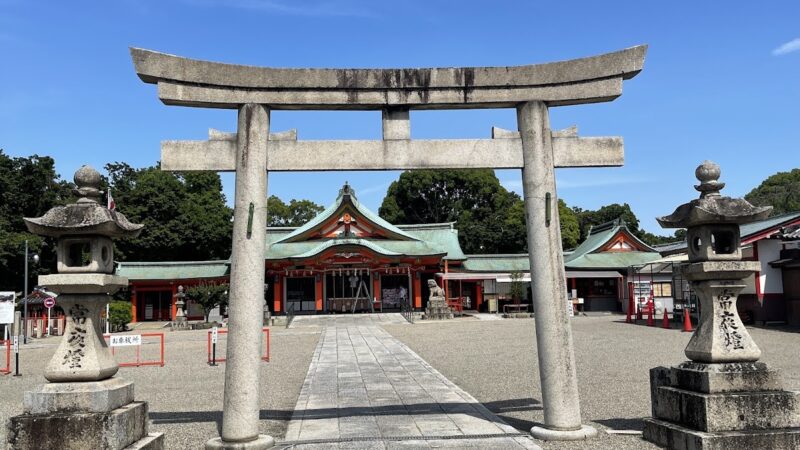
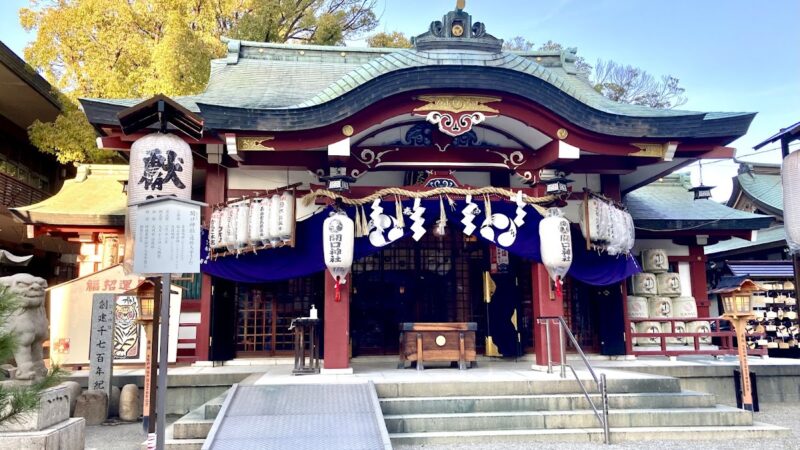
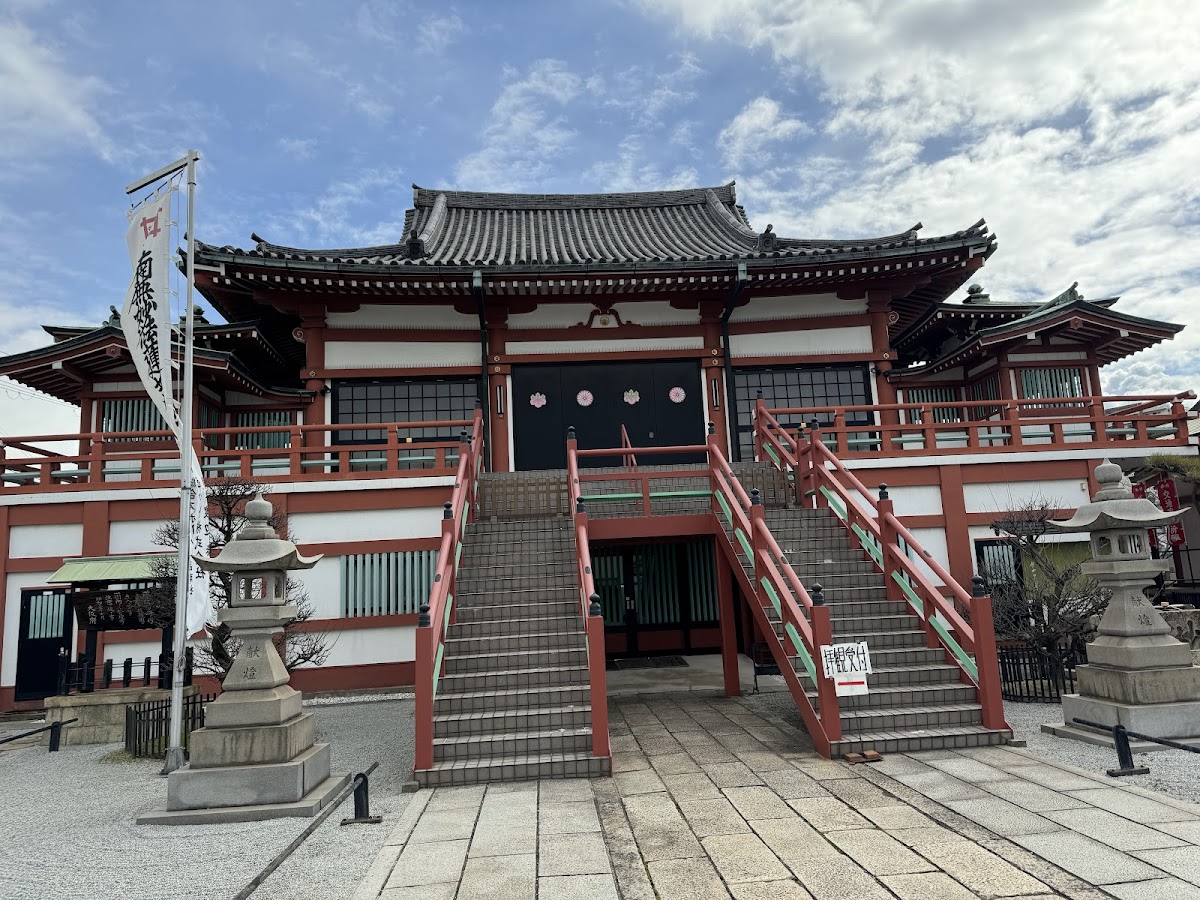
The main hall of Myokoku-ji Temple is a magnificent structure typical of Nichiren Buddhist temples. The principal images, the Three Treasures (Shakyamuni Buddha, Many Treasures Buddha, and the Ten Realms Mandala), are enshrined here, and daily religious services are held.
In addition to the main hall, the temple grounds contain various other buildings such as a guest hall, a priest’s quarters, and a bell tower, preserving the style of temple architecture that has continued since the Edo period. The site where the Tosa samurai committed seppuku during the Sakai Incident remains within the temple grounds, allowing visitors to feel the weight of history.
Remains of the Sakai Incident
The temple grounds contain historical sites and monuments related to the Sakai Incident. A stone monument stands at the site where the Tosa samurai committed seppuku, and memorial services for them continue to this day.
Furthermore, materials and explanatory panels related to the Sakai Incident are also installed, allowing visitors to learn about the turbulent times of the late Edo period. As a site of international issues during the major turning point of the Meiji Restoration, Myokokuji Temple also serves as an important place for historical education.
Cultural Properties and Treasures
Nationally Designated Natural Monument
As mentioned above, the large cycad tree at Myokokuji Temple is designated as a national natural monument. This giant tree, over 1100 years old, is botanically valuable and is protected as the only nationally designated natural monument in Sakai City.
The cycad tree is in good condition and is regularly managed by experts. Its remarkable vitality is a testament to its survival for over a thousand years, and it will undoubtedly continue to be protected as a symbol of Sakai for generations to come.
Temple Treasures and Important Cultural Properties
Myokokuji Temple houses many temple treasures accumulated over its long history. These include Buddhist statues, mandalas, and ancient documents related to the Nichiren sect, some of which are designated as Important Cultural Properties.
In particular, materials related to the temple’s founder, Nichiko, and documents from the time of Miyoshi Jitsukyu are invaluable historical sources for understanding Sakai during the Sengoku period. Furthermore, materials related to the Sakai Incident are also preserved, forming an important collection of materials for the study of the late Edo period.
Access
Myokokuji Temple is easily accessible via multiple public transportation options.
Access by Train
Nankai Koya Line: Get off at “Sakaihigashi Station,” approximately 8 minutes on foot west.
Hankai Line (Tram): Get off at “Myokokuji-mae Station,” approximately 3 minutes on foot.
Myokokuji-mae Station on the Hankai Line is named after the temple and is the closest access point. Visiting while riding the retro tram is a charming part of sightseeing in Sakai.
Access by Car
Hanshin Expressway Sakai Line: Approximately 10 minutes from the “Sakai Exit.”
Hanshin Expressway Wangan Line: Approximately 15 minutes from the “Ohama Exit.”
While a limited number of parking spaces are available for visitors, we recommend using public transportation due to limited availability.
Nearby Tourist Attractions
Myokokuji Temple is located in the temple district of Sakai City, and other historical temples such as Nansoji Temple are scattered around the area. Furthermore, tourist attractions such as the Sakai City Museum and the Emperor Nintoku Mausoleum are also nearby, making it ideal to visit as part of a sightseeing route exploring Sakai’s history and culture.
The birthplace of Akiko Yosano and the Sakai Traditional Industries Hall are within walking distance, allowing you to fully enjoy Sakai’s history and culture in one day.
Visiting Information
Visiting Hours and Admission Fee
Myokokuji Temple’s visiting hours are usually from 9:00 AM to 5:00 PM (last entry at 4:30 PM). However, these hours may change due to religious services and other events, so it is recommended to check before visiting.
The admission fee is approximately 400 yen for adults (may vary depending on the season), and includes admission to the temple gardens and the large cycad tree. Group and student discounts may be available.
Annual Events
As a Nichiren Buddhist temple, Myokokuji Temple holds various religious services and events throughout the year. In particular, the Oeshiki, a memorial service for Nichiren Shonin (around October 13th), is held on a grand scale, attracting many parishioners and followers.
Furthermore, a memorial service for the Sakai Incident is held annually, with a solemn ceremony praying for the repose of the souls of the Tosa samurai.
About Myokokuji Cemetery
Myokokuji Temple has an attached cemetery equipped with modern facilities. Despite its convenient location in the city center—an 8-minute walk from Sakaihigashi Station and a 3-minute walk from Myokokuji-mae Station—it is a popular cemetery offering perpetual memorial services in a quiet environment.
It accepts people of all religious denominations and sects, and while it is a representative tourist temple of Sakai, it also functions as a place of worship for local residents. It is equipped with barrier-free facilities, making it accessible to the elderly and those in wheelchairs.
The Charm and Points of Interest of Myokokuji Temple
Value for History Enthusiasts
Myokokuji Temple has appeared many times in important scenes of Japanese history, from the Sengoku period to the end of the Edo period. Its connections with powerful figures like Oda Nobunaga and Tokugawa Ieyasu, and its history as the stage for the Sakai Incident, an international incident immediately after the Meiji Restoration, give it a unique value not found in other temples.
For history buffs, visiting the actual sites of events they’ve read about in textbooks and history books will provide a deeper understanding and a greater sense of awe.
Attractions for Nature Lovers
The cycad tree, over 1100 years old, is botanically invaluable. Such a massive cycad is rare even in Japan, and its vitality and beauty captivate nature lovers.
The plants within the temple grounds, displaying different appearances with each season, offer a chance to enjoy their beauty throughout the year. The garden’s beauty is particularly striking during the fresh green season and the autumn foliage season.
Photography Spots
Myokokuji Temple is also a popular photography spot. Compositions centered around the cycad tree, the geometric beauty of the dry landscape garden, and the majestic appearance of the main hall offer plenty of photogenic subjects.
However, please be mindful of proper etiquette when taking photos, so as not to disturb worshippers or religious ceremonies. Prior permission is required for commercial photography.
Summary: The Significance of Visiting Myokokuji Temple
Myokokuji Temple is a representative temple of Sakai, where the natural wonder of a cycad tree over a thousand years old intersects with a rich history stretching from Oda Nobunaga to the Sakai Incident at the end of the Edo period. While possessing religious importance as the head temple of the Nichiren sect, it also widely welcomes visitors as a tourist temple.
With excellent access from Sakaihigashi Station and Myokokuji-mae Station, it’s a must-visit spot when sightseeing in Sakai. Strolling through the temple’s dry landscape garden, you can reflect on the legend of the “Crying Cycad” and learn about the history of the Sakai Incident, experiencing the depth of Japanese history firsthand.
In the quiet temple district of Sakai, the birthplace of Yosano Akiko, experience the unique atmosphere woven from history and nature. Myokokuji Temple is a temple with profound charm, offering different discoveries and emotions to each visitor.