About Isagawa Shrine (Isagawa-ni-imasu Omiwa-no-Miko Shrine)
Isagawa Shrine is a Shinto shrine located in Honkomori-cho, Nara City, Nara Prefecture. Its official name is “Isagawa-ni-imasu Omiwa-no-Miko Shrine,” and it has long been a place of worship as a subsidiary shrine of Omiwa Shrine.
It is said to have been founded in the first year of Emperor Suiko’s reign (593 AD), and is known as the oldest shrine in Nara City. It is affectionately known as “Komori Myojin” (Guardian Deity of Childbirth), and many worshippers visit it as a guardian deity for safe childbirth and child-rearing.
History and Origin
Founding History
According to the *Nihon Shoki* (Chronicles of Japan), the shrine’s origins date back to the first year of Empress Suiko’s reign (593 AD), when Ōmiwa no Kimi Shiratsutsumi, by imperial command, enshrined Himetataraisuzuhime no Mikoto, the child deity of Ōmiwa Shrine.
Ancient Beliefs
During the Nara period, the shrine already enjoyed deep reverence from the imperial court, and its name is frequently mentioned in the *Shoku Nihongi* (Continued Chronicles of Japan). In the *Engishiki Jinmyōchō* (Register of Shrines in the Engi Era) of the Heian period, it was listed as “Itsukawa-ni-imasu Ōmiwa Mikoto Shrine” and was a Myōjin Taisha (a major shrine), boasting one of the highest statuses in Yamato Province.
From the medieval period onward, it attracted the faith of ordinary people as “Komori Myōjin” (Guardian Deity of Childbirth), and was particularly revered by women as a god of safe childbirth and child-rearing.
Deities and Benefits
Main Deity
Himetataraisuzuhime-no-Mikoto
- Empress of Emperor Jimmu
- Child of Ōmononushi-no-Kami
- Guardian deity of safe childbirth, child-rearing, and fertility
Enshrined Deities
Sai-no-Ōkami – Enshrined on the west side as the father deity
Tamakushihime-no-Mikoto – Enshrined on the east side as the mother deity
The arrangement of these three deities represents “three parent and child deities,” forming a unique form of worship where the main deity is protected by both parents.
Main Benefits
- Prayer for Safe Childbirth – Divine virtue as the Empress Goddess
- Conception and Fertility – Faith as the Child-Guardian Deity
- Protection of Child-Rearing – Healthy growth of children
- Family Safety – Family bonds and peace
- Matchmaking – Successful marriage
Saikusa Festival
Festival Overview
The Saikusa Festival, held annually on June 17th, is the largest festival of Ikukawa Shrine. Also known as the “Lily Festival,” it is designated as a National Important Intangible Folk Cultural Property.
Festival Features
- Offering of Sasayuri Lilies – The shrine is decorated with Sasayuri lilies, the prefectural flower of Nara Prefecture.
- Ancient Costumes – A procession featuring participants in Heian period costumes.
- Offering of Sacred Food – A “Sanzue” (three branches) decorated with Sasayuri lilies is offered in sake barrels.
- Black and White Sake – Sacred sake brewed using ancient methods is offered.
Historical Significance
This is a valuable Shinto ritual that preserves the ancient forms of worship described in the Kojiki and Nihon Shoki, praying for the eradication of disease and good health. It is a quintessential early summer spectacle in Nara, attracting many tourists.
Highlights of the Shrine Grounds
Main Hall
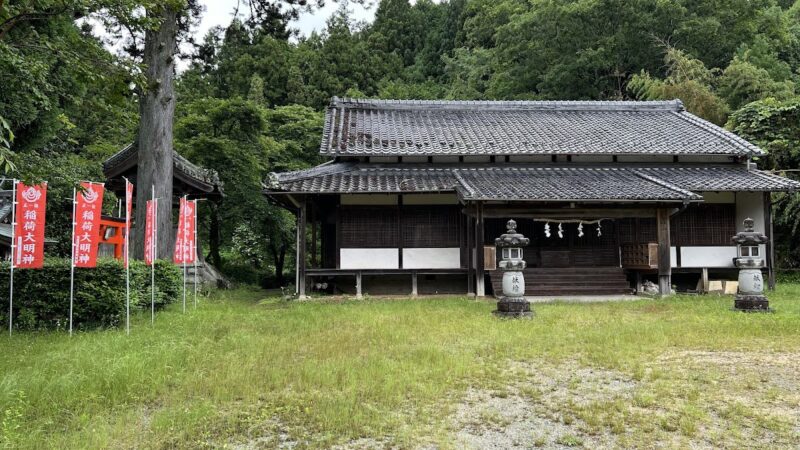
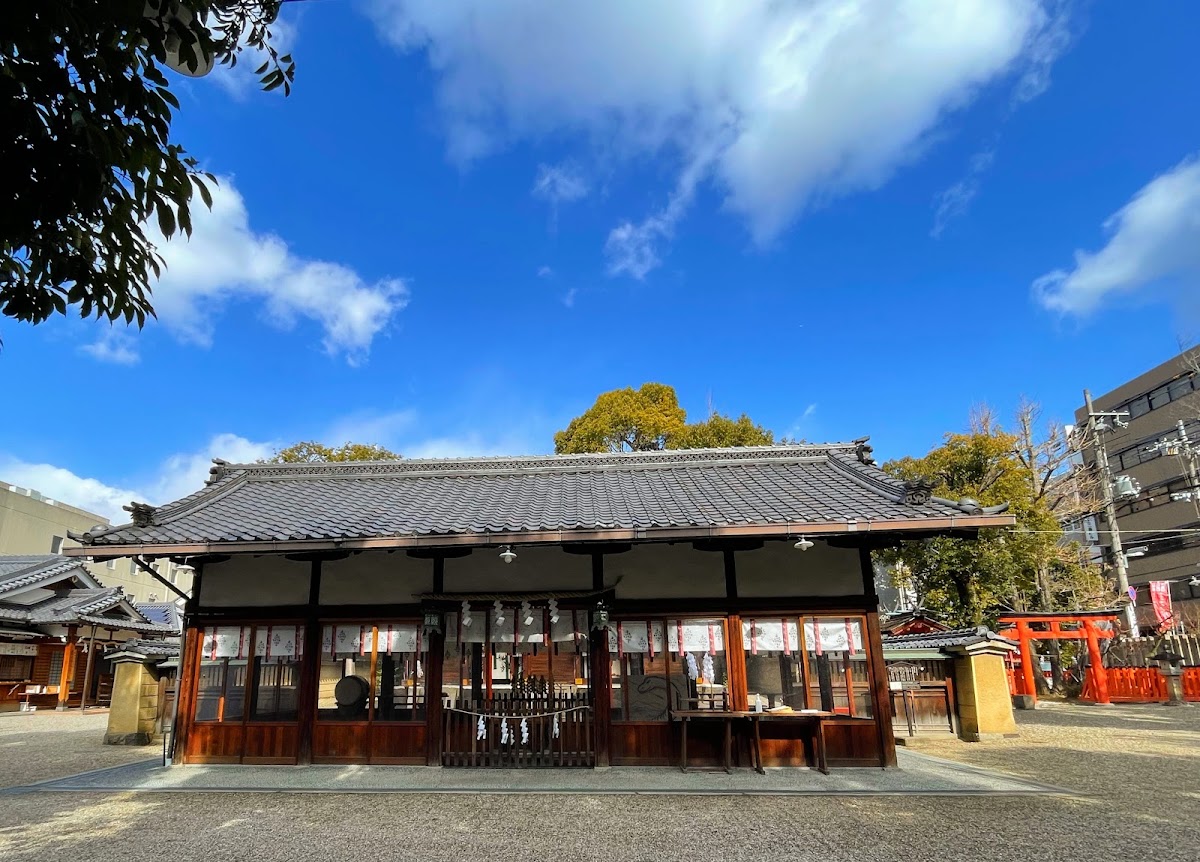
The main hall, retaining the architectural style of the late Edo period, exhibits a refined appearance in the three-bay nagare-zukuri style. It is characterized by its unique arrangement of three deities, a parent and child.
Main Hall
The main hall, welcoming visitors, is simple yet exudes a sense of dignity. Many votive tablets for safe childbirth are dedicated here.
Sacred Tree
Within the temple grounds stands a sacred camphor tree, estimated to be several hundred years old, revered as a symbol of vitality.
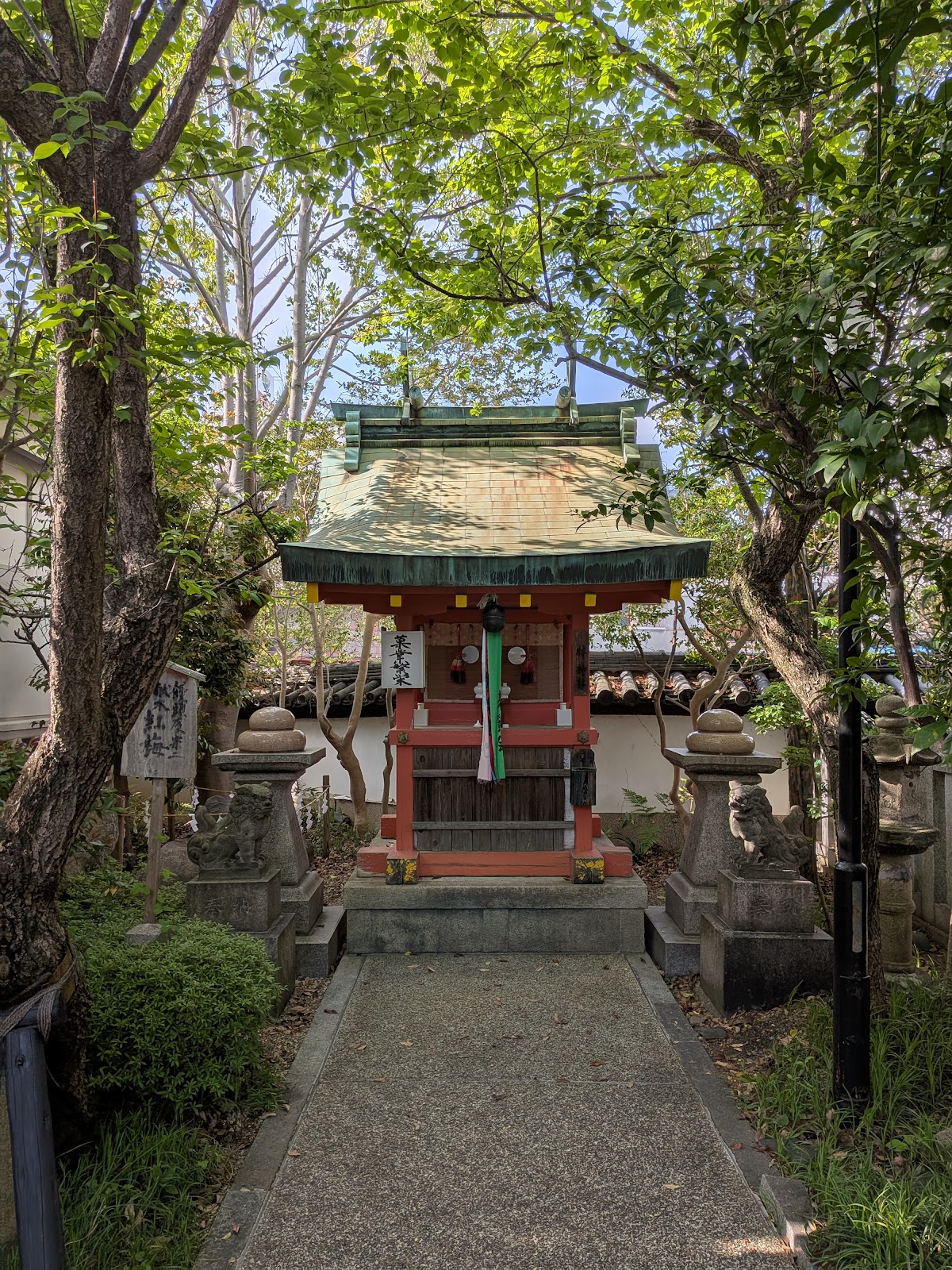
Shrines within the Precincts
- Sumiyoshi Shrine – God of safe voyages and waka poetry
- Kasuga Shrine – God of military success and good fortune
Points to Note When Visiting
Proper Worship Etiquette
- Bow at the Torii Gate – Bow before entering the sacred area
- Purify yourself at the Water Basin – Left hand → Right hand → Mouth → Left hand
- Worship in front of the Main Hall – Two bows, two claps, one bow
- Goshuin (Shrine Seal) and Amulets – Available at the shrine office (9:00 AM – 5:00 PM)
Recommended Time to Visit
- June 17th – The day of the Saegusa Festival, when the shrine is at its most vibrant
- Dog Day – An auspicious day for praying for safe childbirth; morning visits are recommended due to crowds
- First Shrine Visit – Around 30 days after birth, prayers are offered for the healthy growth of the baby.
Items Offered
- Safe Delivery Amulet – A popular amulet for pregnant women
- Child Protection Amulet – Prayers for the health and growth of children
- Sasayuri Ema (Votive Tablet) – A votive tablet related to the Saegusa Festival
- Goshuin (Shrine Seal) – Regular version and Saegusa Festival limited edition
Points to Note When Visiting
- The shrine grounds are not large, so please pray quietly.
- Crowds are expected during the Saegusa Festival.
- Safe delivery prayers may require reservations, so please check in advance.
- Photography is permitted, but please refrain from taking photos during rituals.
Access Information
Basic Information
Address 18 Honkomori-cho, Nara City, Nara Prefecture 630-8231
Phone 0742-22-0832
Visiting Hours Grounds are freely accessible (Shrine office hours: 9:00 AM – 5:00 PM)
Admission Fee
Free
Access by Train
From JR Nara Station
- Approximately 10-minute walk
- Exit the station and walk straight east along Sanjo Street
From Kintetsu Nara Station
- Approximately 5-minute walk
- Exit the station and walk south along Yasuragi-no-michi Street
- Most convenient station
Access by Bus
Get off at the “Honkomori-cho” bus stop (Nara Kotsu Bus) and it’s right there
Access by Car
Keinawa Expressway
- Approximately 15 minutes from Kizu IC
Parking
No dedicated parking available. Use nearby coin parking (several within a 3-minute walk)
Nearby Tourist Attractions
- Naramachi – 5-minute walk, preserved old townscape
- Gangoji Temple – 8-minute walk, World Heritage Site
- Kofukuji Temple – 10-minute walk, famous for its five-story pagoda
- Kasuga Taisha Shrine – 20-minute walk, World Heritage Site
- Nara Park – 15-minute walk, where you can interact with deer
Practical Advice for Visiting
Estimated Time Required
- Regular Visit – 15-20 minutes
- Including Goshuin (temple stamp) – 30 minutes
- Prayer for Safe Childbirth – 40-60 minutes
Attire
- Casual clothing is fine, but please wear clean clothes if receiving a prayer.
- A parasol is useful in summer (there is little shade on the temple grounds)
Crowds
- Weekdays – Relatively uncrowded
- Weekends and Holidays – Somewhat crowded, especially on the Day of the Dog
- Saegusa Festival – Extremely crowded, early arrival recommended
Summary
Isagawa Shrine boasts the oldest history in Nara and continues to attract deeply rooted local faith. As a guardian deity of safe childbirth and child-rearing, it warmly welcomes visitors at important milestones in their lives.
Despite its convenient location just a 5-minute walk from Kintetsu Nara Station, the shrine grounds maintain a tranquil atmosphere, making it ideal for a stop during Nara sightseeing. The Saegusa Festival in June, in particular, is a valuable opportunity to witness ancient traditions and is well worth seeing.
When visiting Nara, why not take some time to reflect on the bond between parent and child and the preciousness of life at this historic shrine?