Complete Guide to Munakata Shrine: A Thorough Explanation from the World Heritage Site and Head Shrine to Branch Shrines Nationwide
Munakata Shrine is a Shinto shrine dedicated to the three Munakata goddesses who appear in Japanese mythology. It has long been revered as a guardian deity of maritime safety and traffic safety, and there are over 6,000 branch shrines throughout Japan. This article provides a detailed explanation of Munakata Shrine, focusing on the head shrine, Munakata Taisha, which is registered as a World Cultural Heritage site, covering its history, enshrined deities, the composition of the three shrines, major branch shrines nationwide, and how to worship.
What is Munakata Shrine?: One of Japan’s Oldest Shrines
Munakata Shrine is a general term for shrines that enshrine the three Munakata goddesses. It is also written as 宗形神社, 胸形神社, or 胸肩神社. Known as one of Japan’s oldest shrines appearing in Japanese mythology, it is particularly revered as a guardian deity of maritime traffic and is found in many coastal areas along the Seto Inland Sea and the Kinki region.
About the Munakata Three Goddesses
The Munakata Three Goddesses are three goddesses born from the oath (ukei) between Amaterasu Omikami and Susanoo-no-Mikoto:
- Tagorihime-no-Kami – Enshrined at Okitsumiya Shrine
- Tagitsuhime-no-Kami – Enshrined at Nakatsumiya Shrine
- Ichikishimahime-no-Kami – Enshrined at Hetsumiya Shrine
These three goddesses are also known as “Michinushi-no-Muchi” and are said to have received a divine decree from Amaterasu Omikami to protect the “Umikitadochu,” that is, the sea route leading to the Korean Peninsula.
Munakata Taisha Shrine: The Head Shrine Registered as a World Heritage Site
Located in Munakata City, Fukuoka Prefecture, Munakata Taisha Shrine is the head shrine of approximately 6,200 Munakata shrines nationwide. In July 2017, it was registered as a World Cultural Heritage site as “Munakata-Okinoshima Island and Related Heritage Sites,” attracting international attention.
The Three-Shrine Structure of Munakata Taisha Shrine
Munakata Taisha Shrine has a unique form of worship consisting of three shrines:
Okitsugu Shrine
Located on Okinoshima Island, approximately 60 kilometers offshore in the Genkai Sea, it enshrines Tagorihime-no-kami. The entire island is considered a sacred object, and the prohibition against women entering is still observed today. National rituals have been performed there since ancient times, and with over 80,000 votive offerings unearthed, it is also known as the “Shosoin of the Sea.” General access is prohibited, and only the priests of Munakata Taisha Shrine land once a year to perform rituals.
Nakatsu-gu Shrine
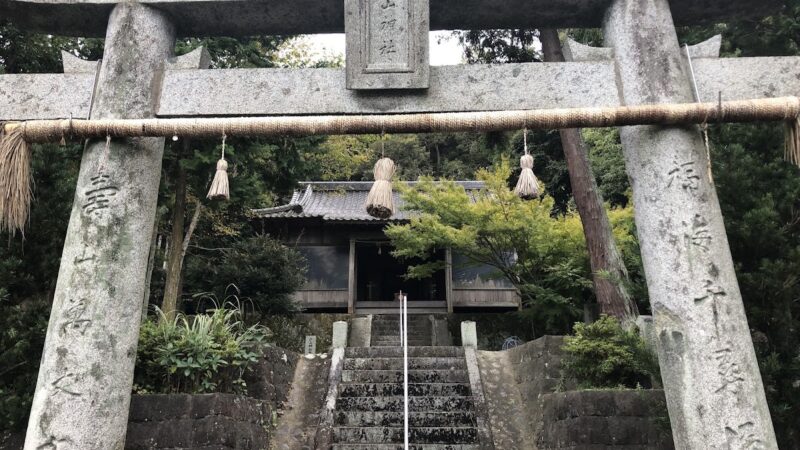
Located on Oshima Island, approximately 7 kilometers from Kaminato in Munakata City, this shrine enshrines Takitsuhime-no-kami. Oshima is the largest island in Fukuoka Prefecture, with a population of approximately 700 people. Nakatsu-gu Shrine has played an important role as a transit point connecting Okinoshima Island and the mainland. From the shrine grounds, visitors can enjoy a beautiful view of the Genkai Sea, and it is accessible by ferry from Kaminato.
Hetsu-gu Shrine
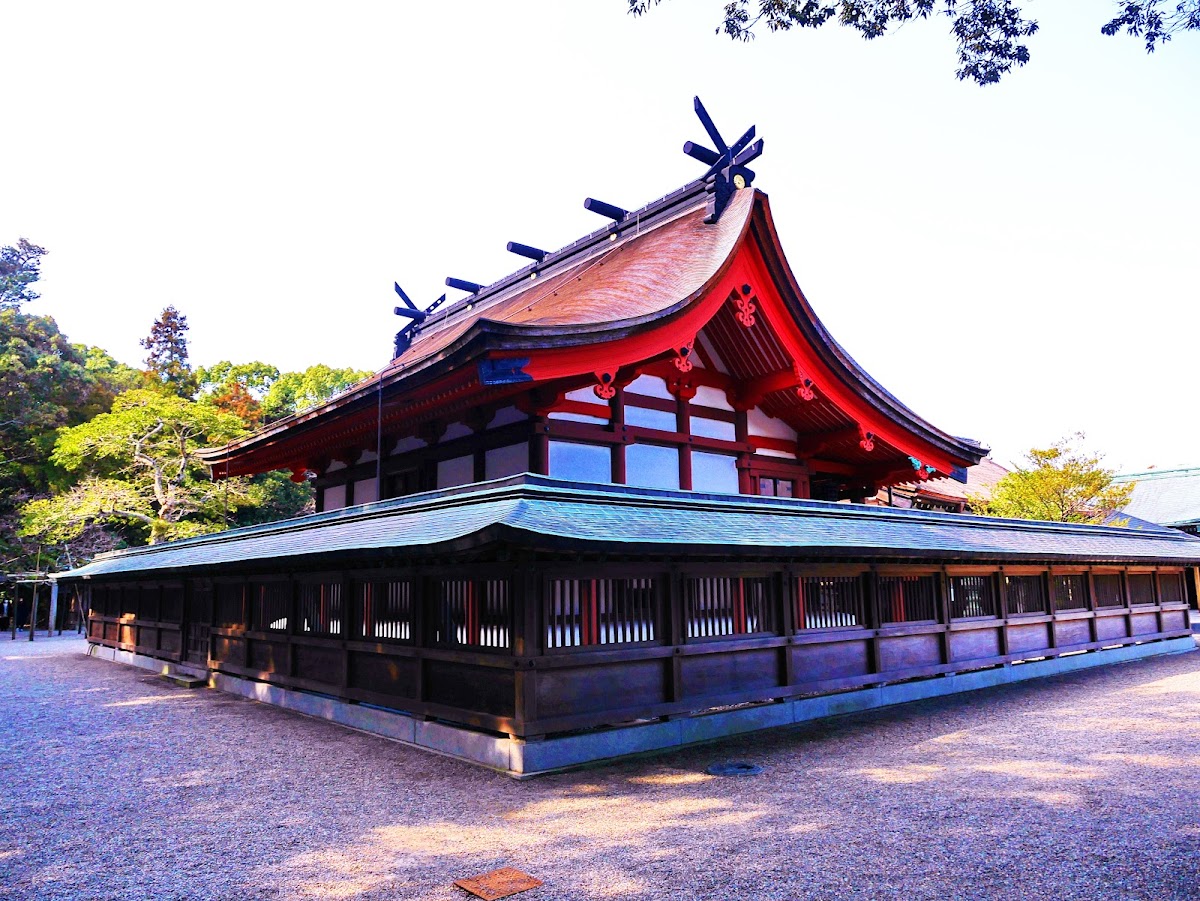
Located on the mainland of Tajima in Munakata City, Fukuoka Prefecture, this shrine enshrines Ichikishimahime-no-kami. Situated in the Tajima area along the Tsurikawa River, this Hetsu-gu Shrine is generally known as “Munakata Taisha.” Since the divided spirits of the other two shrines are also enshrined here, visitors can pay homage to all three goddesses in one place.
Takamiya Ritual Site: A Sacred Site of Ancient Rituals
Behind Hetsu-gu Shrine, on a small hill, lies the Takamiya Ritual Site. This is an ancient ritual site that existed even before the construction of the shrine buildings, and is considered the origin of the faith of Munakata Taisha. Important rituals are still performed today in this sacred space with its large stones. Excavations at the Shimotakamiya ritual site have unearthed numerous ritual artifacts dating from the 4th to the 9th centuries, proving the continuity of faith from ancient times.
Treasure Hall: A treasure hall housing national treasures
Within the grounds of Munakata Taisha is the Treasure Hall, which houses and displays important items from the approximately 80,000 offerings unearthed from Okinoshima Island. These sacred treasures are collectively designated as national treasures and are extremely valuable resources for understanding the realities of ancient rituals and interactions with the continent. Visitors can see a variety of offerings from the 4th to the 9th centuries, including triangular-rimmed bronze mirrors, gold rings, and glass beads.
Subsidiary Shrines and Highlights of the Shrine Grounds
Numerous subsidiary shrines are located within the grounds of Munakata Taisha Shrine:
- Second and Third Shrines – Located on either side of the Hetsumiya Worship Hall, enshrining the divided spirits of Okitsumiya and Nakatsumiya.
- Takamiya Shrine – Located near the Takamiya Festival Grounds.
- Orihata Shrine – Dedicated to the god of weaving.
- Konoe Shrine – Dedicated to the ancestral deity of the Munakata clan.
Furthermore, the grounds are home to several hundred-year-old camphor trees, creating a sacred atmosphere.
History and Origins of Munakata Taisha Shrine
The Munakata Clan and Maritime Transportation in Ancient Times
The Munakata clan was responsible for the rituals of Munakata Taisha Shrine. As an ancient powerful clan, they had deep ties with the Yamato court and played an important role in exchanges with the Korean Peninsula and mainland China. Descriptions of the Munakata deities appear in the *Nihon Shoki* and *Kojiki*, attesting to the ancient nature of their faith. The Munakata clan is considered a branch of the seafaring people, and they expanded their power through their navigation skills in the Genkai Sea and their control of maritime traffic. It is said that envoys and monks from the continent also visited Munakata Taisha Shrine to pray for safe voyages.
From the Medieval to the Early Modern Period
During the medieval period, the Munakata chief priest family was responsible for the operation of the shrine and also held power as lords of the surrounding region. During the Sengoku period, they received protection from the Ouchi, Otomo, and Mori clans, but after Toyotomi Hideyoshi’s conquest of Kyushu, they received protection from Kobayakawa Takakage, and subsequently from the Kuroda clan.
During the Edo period, they received reverence from the Fukuoka domain, and the shrine buildings were constructed and repaired. Chinkoku-ji Temple was founded as the family temple of successive generations of the Munakata chief priest family, and after a period of syncretism of Shinto and Buddhism, it faced the separation of Shinto and Buddhism in the Meiji era.
From the Modern Period Onward and World Heritage Registration
During the Meiji era, it was ranked as a Kanpei Taisha (a high-ranking shrine), attracting national reverence. After the war, it became a special shrine of the Association of Shinto Shrines, and remains so to this day. During the Heisei era, major reconstruction projects were undertaken, including the restoration of the shrine buildings and the improvement of facilities. Its designation as a World Cultural Heritage site in 2017 further increased its international recognition.
Major Munakata Shrines Nationwide
There are over 6,000 shrines throughout Japan that enshrine the three Munakata goddesses. Here are some of the major branch shrines.
Munakata Shrine in Kyoto Gyoen (Kyoto Prefecture)
The Munakata Shrine located within the Kyoto Gyoen National Garden is said to have been founded in 795 (Enryaku 14) when Fujiwara no Fuyutsugu, the ancestor of the Northern Fujiwara clan, obtained permission from Emperor Kanmu to invite the Munakata Shrine from Fukuoka Prefecture to serve as the guardian deity of Heian-kyo. It enshrines the three Munakata goddesses: Takirihime-no-Mikoto, Takitsuhime-no-Mikoto, and Ichikishimahime-no-Mikoto.
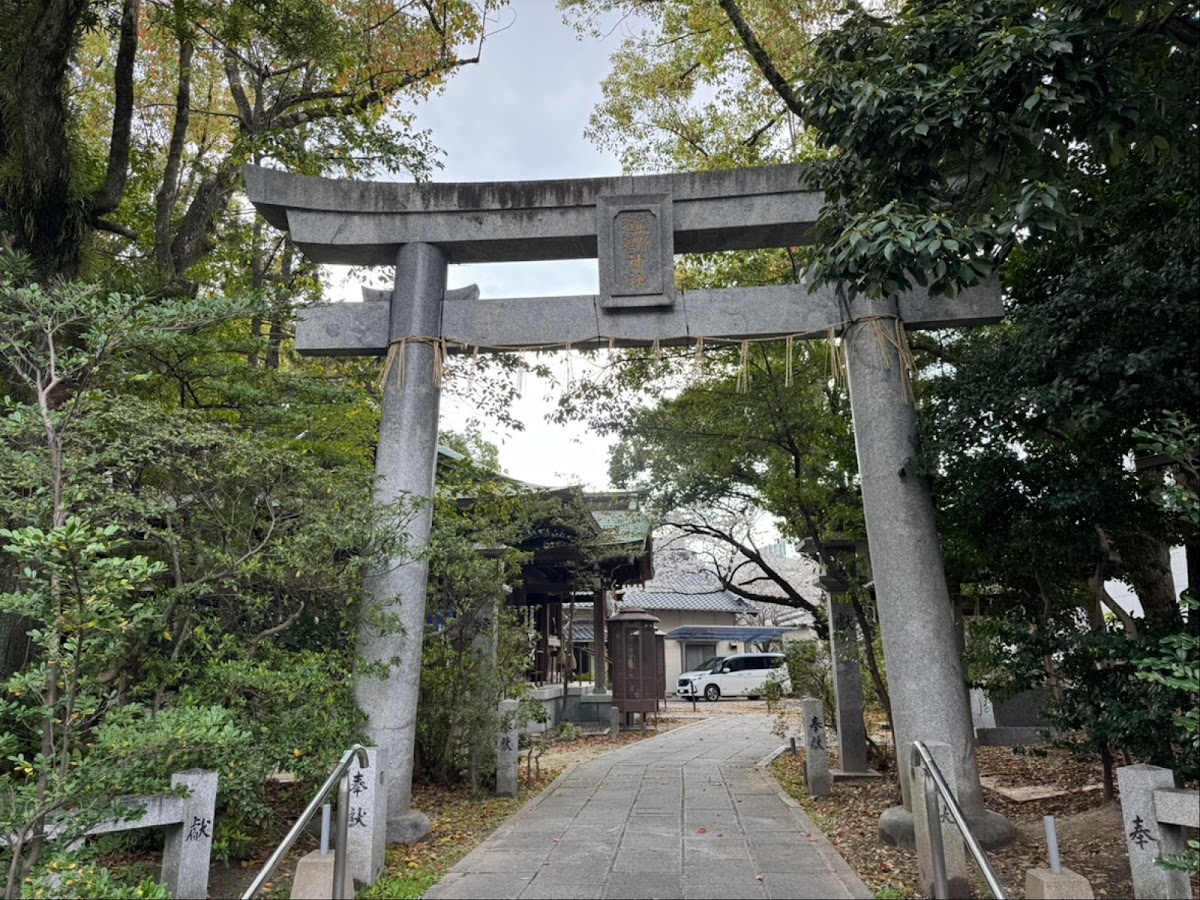
Located northwest of the Kyoto Imperial Palace, in the northwest (Inui) direction, it was considered important as a guardian deity of the capital. Even today, it stands along the walking paths of the Kyoto Imperial Garden, allowing for peaceful worship.
Munakata Shrines in Saitama Prefecture
Several Munakata Shrines are also located within Saitama Prefecture. According to oral tradition, some shrines are said to have been established in 701 AD (the first year of the Taiho era) during the reign of Emperor Monmu, when a divided spirit of Munakata Taisha was enshrined to quell the flooding of the Arakawa River and protect the transportation of boats and rafts. This shows that the deity was worshipped as a guardian deity of river transportation even in inland areas.
Munakata Shrines in Other Regions
- Seto Inland Sea Coast – Numerous shrines located in key locations for maritime traffic, such as Hiroshima, Okayama, and Kagawa prefectures.
- Kinki Region – Distributed in areas facing Osaka Bay and Harima Nada.
- Tokai Region – Several branch shrines around Ise Bay.
- Kanto Region – Shrines were established around Tokyo Bay due to the development of maritime transport during the Edo period.
While most Munakata Shrines throughout Japan are called “Munakata Shrine,” some regions also use spellings such as “Munakata Shrine” or “Munakata Shrine.”
Visiting and Accessing Munakata Taisha Shrine
Basic Information
Location: 2331 Tajima, Munakata City, Fukuoka Prefecture
Visiting Hours: Grounds are freely accessible (the shrine office and treasure hall have designated hours)
Parking: Free parking available (approximately 1000 spaces)
Official Website: https://munakata-taisha.or.jp/
Access Methods
By Train:
- Get off at JR Kagoshima Main Line “Togo Station,” then take a Nishitetsu bus for approximately 10 minutes and get off at “Munakata Taisha-mae”
- Get off at JR Kagoshima Main Line “Akama Station,” then take a Nishitetsu bus for approximately 15 minutes and get off at “Munakata Taisha-mae”
By Car:
- Approximately 20 minutes from Kyushu Expressway “Wakamiya IC”
- Approximately 40 minutes from Fukuoka City via National Route 3
Access to Nakatsu-gu (Oshima):
- Approximately 15 minutes by ferry from Kaminato Port to Oshima Island, then approximately 15 minutes on foot from Oshima Port.
- Ferry operates several times a day (please check beforehand).
Etiquette and Prayers for Worship
Worship at Munakata Taisha Shrine follows the general etiquette for visiting shrines:
- Bow before passing through the torii gate
- Purify your body and mind at the water basin
- Perform “two bows, two claps, one bow” in front of the main hall
- Visit the Second and Third Shrines as well
- Visiting the Takamiya Shrine is also recommended
Munakata Taisha Shrine accepts prayers for traffic safety, safe voyages, business prosperity, and family safety. Many worshippers visit specifically to pray for traffic safety.
Main Festival Events
Miare Festival (October 1st):
A magnificent maritime procession where the portable shrines are brought from Nakatsu-gu Shrine on Oshima Island and Okitsu-gu Shrine on Okinoshima Island to Hetsu-gu Shrine by boat, with hundreds of fishing boats participating.
Autumn Grand Festival (October 1st-3rd):
Following the Miare Festival, this is the largest festival of Munakata Taisha Shrine, featuring Shinto rituals and Yabusame (mounted archery) at the Takamiya festival grounds.
Spring Grand Festival:
A festival celebrating the arrival of spring.
In addition, monthly festivals, life cycle rituals (first shrine visit, Shichi-Go-San, exorcism, etc.), and off-site festivals are also held.
Modern Significance of Munakata Faith
As Guardian Deities of Traffic Safety
From ancient times’ safe voyages to modern-day traffic safety, the divine virtues of the Munakata deities have evolved with the times. Even in today’s automobile-dependent society, many people visit Munakata Taisha Shrine to pray for traffic safety. Munakata Taisha offers amulets and talismans for traffic safety, attracting worshippers from all over Japan.
Symbol of International Exchange
Munakata, which served as a gateway for exchange with the continent in ancient times, remains a symbolic presence of international exchange today. Since its designation as a World Heritage Site, the number of visitors from overseas has increased, making it a place that conveys Japanese spiritual culture.
Nature Worship and Environmental Protection
The primitive beliefs of Okinoshima Island still maintain a form of nature worship, considering the entire island as a sacred object. This form of belief resonates with modern environmental protection ideologies and offers important insights into coexisting with nature.
Nearby Attractions and Local Culture
History and Culture of Munakata City
Munakata City developed as a temple town for Munakata Taisha Shrine. The city boasts historical sites that tell the history of the Munakata clan, as well as ancient burial mounds and a local history museum. There are also many restaurants where you can enjoy fresh seafood from the Genkai Sea, making it a great place to combine a visit to the shrine with sightseeing. ### Chinkoku-ji Temple
Chinkoku-ji Temple, the family temple of successive generations of the Munakata Grand Priest family, is an ancient Shingon Buddhist temple said to have been founded by Kobo Daishi Kukai. The original main hall remains, and it houses important cultural properties. It is located about 10 minutes by car from Munakata Taisha Shrine.
Munakata Roadside Station
This facility sells Munakata’s local specialties, agricultural products, and marine products. It is close to Munakata Taisha Shrine, making it convenient to stop by before or after visiting the shrine.
Summary: The Charm of Munakata Shrine and the Significance of Visiting It
Munakata Shrine is one of the oldest shrines in Japan, enshrining the three Munakata goddesses who appear in Japanese mythology. Munakata Taisha Shrine, the head shrine, consists of three shrines: Okitsumiya, Nakatsumiya, and Hetsumiya, and was registered as a World Cultural Heritage site in 2017. The Munakata Grand Shrine offers a wide range of attractions, including 80,000 national treasures unearthed from the ancient ritual site on Okinoshima Island, the primitive ritual space of the Takamiya ritual grounds, and the valuable exhibits in the Treasure Hall.
The more than 6,000 branch shrines throughout Japan are revered in their respective regions as guardians of safe voyages and traffic safety. The Munakata faith, which has continued from ancient times to the present day, is an important part of the spiritual culture of Japan and holds significant meaning in considering international exchange and coexistence with nature.
When visiting Fukuoka Prefecture, be sure to visit Munakata Taisha Shrine and experience the world of Japanese mythology and the history of ancient faith. If possible, visit not only Hetsumiya Shrine but also Nakatsumiya Shrine on Oshima Island to feel the divine blessings of the three Munakata goddesses amidst the beautiful scenery of the Genkai Sea.