Complete Guide to Hōshōin Temple: A Thorough Explanation from the National Treasure Juniper Tree of Shōdoshima Island to Temples in Tokyo and Nagoya
The name “Hōshōin” is used for several temples throughout Japan. Each has its own unique history and cultural assets, offering different attractions to worshippers and tourists. This article comprehensively explains detailed information on each temple, focusing on the most famous Hōshōin on Shōdoshima Island, as well as those in Minato Ward, Tokyo, and Nagoya.
Shōdoshima Pilgrimage Site No. 54: Hōshōin Temple (Kagawa Prefecture)
Overview of Kōtōzan Kichijōji Hōshōin Temple
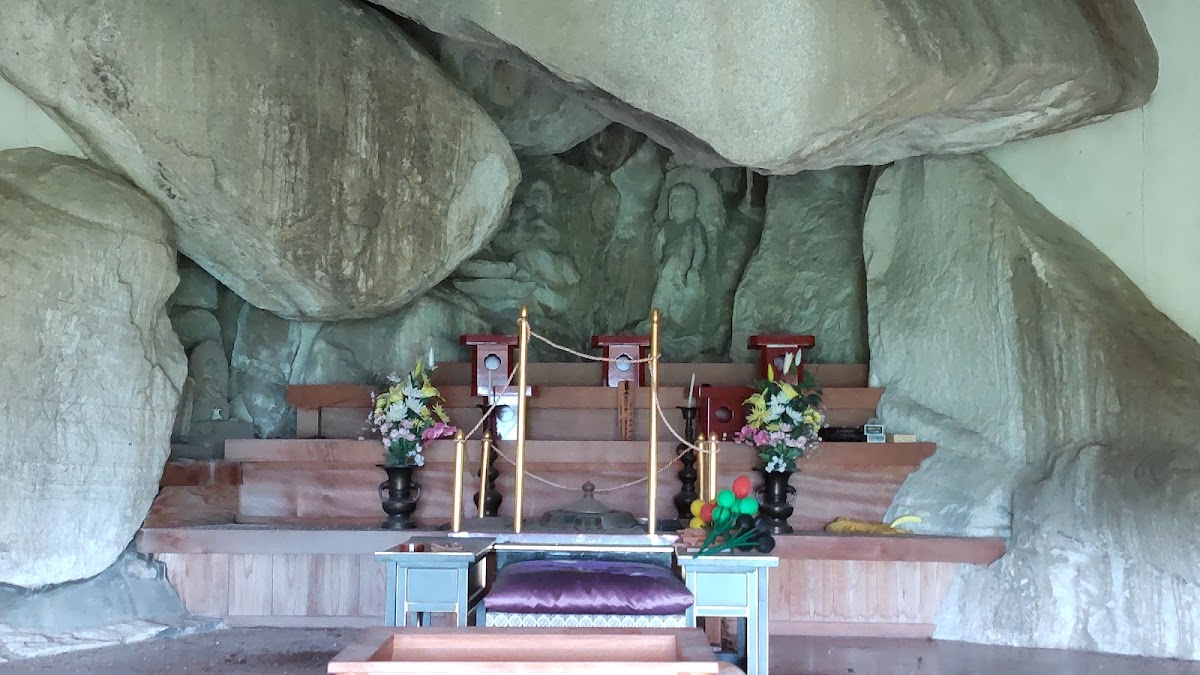
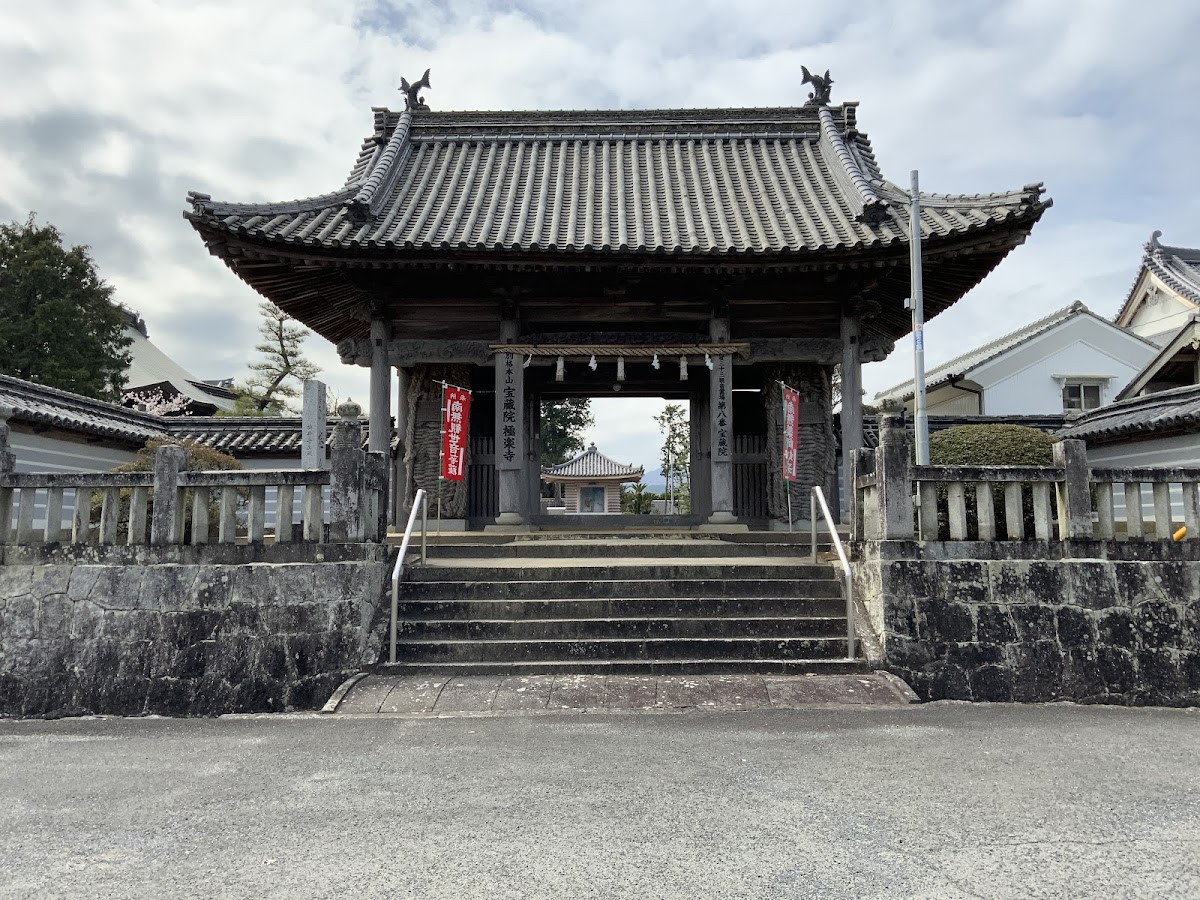
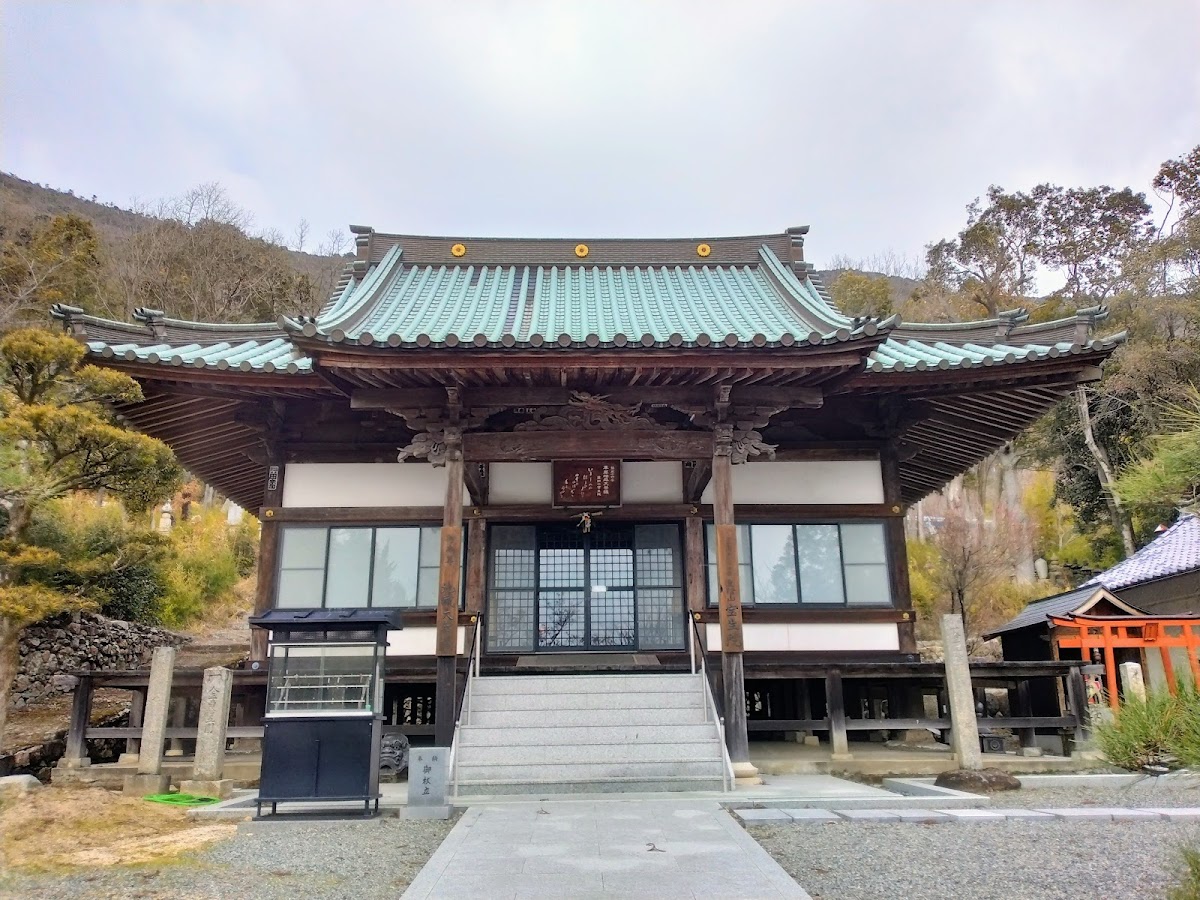
Located in Tonoshō-chō, Shōdo-gun, Kagawa Prefecture, Hōshōin Temple is officially called Ōtōzan Kichijōji Hōshōin and belongs to the Kōyasan Shingon sect. It is known as the 54th temple of the Shōdoshima Eighty-Eight Sacred Sites Pilgrimage, and also for its unique structure, with the 51st and 52nd temples located within the same grounds.
The principal image is Jizo Bodhisattva, and the vast temple grounds cover approximately 2,000 tsubo (about 6,600 square meters). It once flourished as a central temple of the Daikaku-ji sect, but now belongs to the Koyasan sect. Every year on February 15th, a Nirvana Ceremony is held, attracting many devotees.
Nationally Designated Special Natural Monument: “The Juniper Tree of Hoshō-in”
What makes Hoshō-in famous throughout Japan is the largest juniper tree in Japan that stands tall on its temple grounds. This juniper tree is designated a Nationally Designated Special Natural Monument, and its size and age are unparalleled.
Detailed Data on the Juniper Tree:
- Age: Estimated over 1,600 years
- Height: Approximately 20.9 meters (some sources say approximately 23 meters)
- Trunk Circumference: Approximately 16.9 meters at ground level (some sources say 17.28 meters)
- Crown: Nearly spherical shape
- Structure: Divides into approximately three main trunks from the base, with each trunk’s base circumference being 7-8 meters.
The Juniper tree (Juniperus chinensis) is a species of the cypress family, genus Juniperus, and is popular among bonsai enthusiasts. The Juniper tree at Hoshōin Temple is said to have been planted by Emperor Ōjin during his visit to Shōdoshima Island in the Kofun period, marking a remarkable 1,600 years of history.
Its impressive form, with branches extending far beyond the wall, deeply impresses visitors. It is the largest known Juniper tree and one of Japan’s most magnificent giant trees. ### Access Information and Visiting Guide
Location: Kamisho, Tonosho-cho, Shodo-gun, Kagawa Prefecture
Transportation Access:
- Approximately 10 minutes by car from Tonosho Port
- Parking available (also available to general visitors)
- Bus service available for those using public transportation
Visiting Hours: Generally, daytime visits are possible, but it is recommended to make a reservation or inquiry in advance. Especially for group visits, advance contact is necessary.
Admission Fee: Generally free, but special viewings inside the main hall require confirmation.
The Center of the Shodoshima Pilgrimage
Hōshōin Temple is an important base for the Shodoshima 88 Temple Pilgrimage. Because three temples (No. 51, 52, and 54) are located within the same grounds, it is a valuable location for pilgrims to efficiently complete the pilgrimage.
According to the Shodoshima Pilgrimage Association, Hōshōin Temple plays a central role in the design of the pilgrimage route and is a temple visited by many pilgrims.
Hōshōin Temple, Mita, Minato-ku, Tokyo
A Historic Temple of the Shingon Chizan Sect
Hōshōin Temple, located in Mita, Minato-ku, Tokyo, belongs to the Shingon Chizan sect. Situated close to Keio University, it is known for its tranquil atmosphere despite being in the heart of the city.
Founding and History:
- Founding: Established in Hatchobori in 1611 (Keichō 16)
- Relocation: Later relocated to its current location in Mita, Minato-ku
- Connection to Education: In 1875 (Meiji 8), a terakoya-style school, the predecessor of Aoyama Gakuin, was established on the temple grounds.
Due to this historical background, Hōshōin Temple is a venerable temple with a history dating back to the Edo period, and is valuable as a place that contributed to the development of modern education during the Meiji era.
Hoshōin as a Cemetery
Hoshōin, located in Minato-ku, Tokyo, is a Shingon-shu Chizan-ha Hoshōin Cemetery, offering valuable burial plots in the heart of Tokyo.
Cemetery Features:
- Sect: Shingon-shu Chizan-ha (Please inquire about acceptance of other sects)
- Location: Conveniently located a 7-minute walk from Mita Station on the Toei Asakusa Line and Mita Line
- Surrounding Environment: Located near Keio University in a quiet residential area of Minato-ku
Access Details:
- Nearest Station: 7-minute walk from Mita Station on the Toei Asakusa Line and Mita Line
- Address: Mita, Minato-ku, Tokyo
- Telephone: Advance contact is recommended for cemetery visits and grave viewings.
Cemetery Costs and Usage Guide
Regarding the price and cost estimates for burial plots at Hoshōin, due to its location in central Tokyo, they tend to be higher than typical suburban cemeteries. For specific pricing, please inquire directly with the temple.
Available Services:
- General burial plots
- Consultation regarding grave closure/relocation
- Perpetual memorial service (details to be confirmed)
When visiting the grave, take advantage of its convenient location within walking distance of Mita Station on the Toei Subway, creating an environment where you can easily visit.
Nagoya Osu Kannon (Shinfukuji Hōshōin)
Overview of Kitano-san Shinfukuji Hōshōin
Osu Kannon, located in Osu, Naka-ku, Nagoya City, is officially called Kitano-san Shinfukuji Hōshōin and is a Shingon Buddhist temple. It is affectionately known as “Osu Kannon” and is one of Nagoya’s representative tourist spots.
History and Background:
- Original Location: Osu, Mino Province (present-day Gifu Prefecture)
- Relocation: Relocated to its current location in 1612 (Keicho 17) by order of Tokugawa Ieyasu
- War Damage: The main hall was destroyed by fire during World War II
- Reconstruction: The main hall was rebuilt in 1970 (Showa 45)
Osu Bunko and National Treasures
Osu Kannon is academically extremely important because it houses a valuable collection of documents called the Osu Bunko.
Contents of the Collection:
- Total Number of Books: Approximately 15,000 volumes
- National Treasure: Valuable documents including a manuscript of the Kojiki
- Value: A first-class collection of materials for the study of Japanese classical literature and history
Due to the existence of the Osu Bunko, Hoshōin (Osu Kannon) is not merely a place of worship, but plays an important role in the preservation and study of Japanese culture. ### Osu Shopping Street and Sightseeing
Osu Kannon Temple is located in the heart of Osu Shopping Street, Nagoya’s bustling downtown area, offering a unique sightseeing experience combining temple visits with a stroll through the shopping district.
Access Information:
- Location: Osu, Naka-ku, Nagoya City
- Nearest Station: Immediately next to Osu Kannon Station on the Nagoya Municipal Subway Tsurumai Line
- Nearby Facilities: Osu Shopping Street, various restaurants, vintage clothing stores, electronics district, etc.
During monthly festivals and annual events, the temple is bustling with many visitors, playing a vital role as a cultural hub of Nagoya.
Comparison and Characteristics of Each Hōshōin Temple
Regional Characteristics
Hōshōin Temple, Shōdoshima Island:
- Main Feature: Japanese Juniper Tree, a Nationally Designated Special Natural Monument
- Sacred Site: Central to the Shōdoshima Eighty-Eight Sacred Sites
- Tourism Elements: Fusion of Natural Heritage and Faith
- Suitable Visitors: Pilgrims, Nature Lovers, Tourists
Hōshōin Temple, Minato Ward, Tokyo:
- Main Feature: Convenient Location in the City Center
- Function: Primarily Serves as a Burial Ground/Cemetery
- History: Founded in the Edo Period, Involved in Education
- Suitable Visitors: Grave Visitors, Residents/Workers of Minato Ward
Ōsu Kannon (Hōshōin Temple), Nagoya:
- Main Feature: Ōsu Bunko Library, Including National Treasures
- Location: Center of the Shopping District, Urban Temple
- Cultural Value: Treasure Trove of Academic Materials
- Suitable Visitors: Tourists, cultural heritage enthusiasts, local residents
Differences by Sect
Each Hōshōin temple belongs to the Shingon sect, but the sects differ:
- Shōdoshima: Kōyasan Shingon sect (originally Daikakuji sect)
- Minato-ku, Tokyo: Shingon Chizan sect
- Nagoya: Shingon sect (specific sect needs confirmation)
These sect differences affect the details of rituals and doctrines, but all inherit the tradition of Shingon Esoteric Buddhism, with Kūkai (Kūkai) as its founder.
Precautions When Visiting/Viewing
General Manners
When visiting each Hōshōin temple, please observe the following basic manners:
- Dress Code: Please dress appropriately and respectfully for a temple.
- Photography: Photography may be prohibited inside the main hall or in certain cultural properties, so please check in advance.
- Quietness: Please behave quietly on the temple grounds and be considerate of other visitors.
- Parking: Even if parking is available, using public transportation is recommended during busy times.
When Reservations Are Required
If you wish to visit as a group or for a special viewing, it is important to make a reservation or inquiry in advance by phone or other means. This is especially important in the following cases:
- Group visits (10 or more people, etc.)
- Special viewing of the main hall
- Detailed tour of cultural properties
- Visit to cemeteries and consultation on contracts (Minato Ward, Tokyo)
Participation in Annual Events
Various annual events are held at each Hōshōin temple:
Hōshōin, Shōdoshima:
- February 15th: Nirvana Ceremony
- Other Shingon Buddhist events
Ōsu Kannon:
- Monthly temple fairs
- Major Buddhist events such as New Year’s celebrations
Participating in these events will provide a deeper religious experience and cultural understanding.
Surrounding Sightseeing & Access Information
Shodoshima Island, Around Hoshōin Temple
Shodoshima Island has many other tourist attractions besides Hoshōin Temple:
- Angel Road: A sandy path that appears with the ebb and flow of the tide
- Kankakei Gorge: One of Japan’s three most beautiful gorges
- Olive Park: A theme park dedicated to olives, a specialty product of Shodoshima Island
- Twenty-Four Eyes Film Village: A facility recreating the filming locations of the movie
Taking advantage of its location just a 10-minute drive from Tonosho Port, a popular plan is to visit Hoshōin Temple as part of an island sightseeing tour.
Tokyo, Minato Ward, Around Hoshōin Temple
The Mita area of Minato Ward is known as an educational district:
- Keio University: Within walking distance
- Sengakuji Temple: A temple associated with the Akō Forty-Seven Ronin
- Shiba Park & Tokyo Tower: Reachable with a short walk
With convenient access—just a 7-minute walk from Mita Station on the Toei Asakusa Line and Mita Line—you can combine visiting the grave with exploring the surrounding area. ### Around Osu Kannon Temple, Nagoya
The Osu area is one of Nagoya’s leading shopping districts:
- Osu Shopping Street: A large shopping street with approximately 1,200 shops
- Nagoya Castle: Approximately 15 minutes by subway
- Sakae: The central shopping district of Nagoya
Located right next to Osu Kannon Station on the Tsurumai Subway Line, it’s an easy place to incorporate into a standard Nagoya sightseeing itinerary.
Cultural Assets and Preservation Activities of Hoshōin Temple
Protection of Special Natural Monuments
The juniper trees at Hoshōin Temple on Shodoshima Island are strictly protected as a nationally designated special natural monument. Regular health checkups by arborists and necessary treatments are carried out, and efforts continue to pass on its 1,600-year history to future generations.
It is also listed in the Japan Arborist Association database and is attracting attention as a model case for the protection of giant trees.
Public Access and Utilization of Cultural Properties
The Osu Library at Osu Kannon Temple is used for academic research and provides materials to researchers. Valuable documents, including the Kojiki manuscript (a national treasure), are preserved under appropriate temperature and humidity control, and efforts are underway to create a digital archive.
Regarding Grave Closure and Perpetual Memorial Services
Services at Hoshōin Temple, Minato Ward, Tokyo
In recent years, due to the declining birthrate, aging population, and population concentration in urban areas, the need for “grave closure” and “grave relocation” has increased. Hoshōin Temple in Minato Ward, Tokyo, also handles such consultations.
Services Offered:
- Acceptance of reburial from existing grave sites
- Support for grave closure procedures
- Consultation on perpetual memorial services (details to be confirmed)
Hoshōin Cemetery, conveniently located in the heart of Tokyo, is often considered as an option for those who wish to relocate their graves from distant locations to Tokyo.
Visitor Voices and Reputation
Hōshōin Temple, Shōdoshima Island
Visitors often comment on being “overwhelmed by the 1,600-year-old juniper tree” and calling it “the highlight of the Shōdoshima pilgrimage.” The unique atmosphere, where nature and faith are fused, is particularly highly praised.
Hōshōin Temple, Minato Ward, Tokyo
Visitors primarily appreciate its convenience, citing its “quiet and peaceful atmosphere despite being in the city center” and “easy access for visiting graves.”
Ōsu Kannon Temple, Nagoya
Many comments highlight its appeal as an urban temple, mentioning “enjoyable in conjunction with a stroll through the shopping street” and “a place where you can feel Nagoya’s culture.”
Summary: The Diverse Charms of Hōshōin Temples
Each temple bearing the name “Hōshōin” has its own unique history and characteristics.
Hōshōin Temple on Shōdoshima Island embodies the harmony of nature and faith, as a central point of the Shōdoshima pilgrimage, alongside its nationally designated special natural monument, the juniper tree. The giant trees, over 1,600 years old, evoke a sense of the passage of time and the mystery of life in visitors.
Hōshō-in Temple in Minato Ward, Tokyo boasts a history dating back to its founding in 1611 (Keichō 16) and functions as a valuable burial site in the heart of the city. Its convenient location, just a 7-minute walk from Mita Station, is a significant advantage for modern urban dwellers.
Ōsu Kannon (Hōshō-in Temple) in Nagoya combines academic value, including the Ōsu Bunko (a collection of national treasures), with tourist appeal due to its central location in the Ōsu shopping district.
Each Hōshō-in Temple, while inheriting the traditions of Shingon Buddhism, plays a unique role in its respective region. When planning a visit, understanding the characteristics of each temple and checking information beforehand will lead to a more fulfilling experience.
Visiting each Hōshō-in Temple is a great opportunity to understand the diversity of Japanese temple culture. Through historical temple architecture, valuable cultural assets, and locally rooted forms of faith, you can experience the profound depth of Japanese culture.