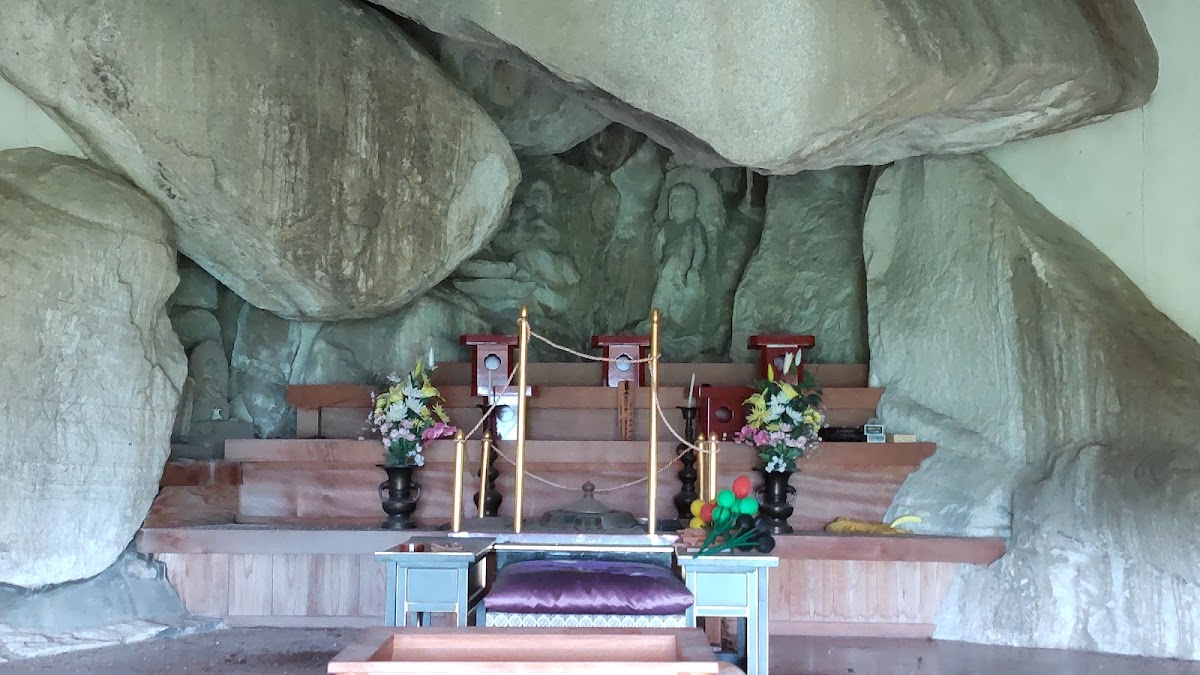
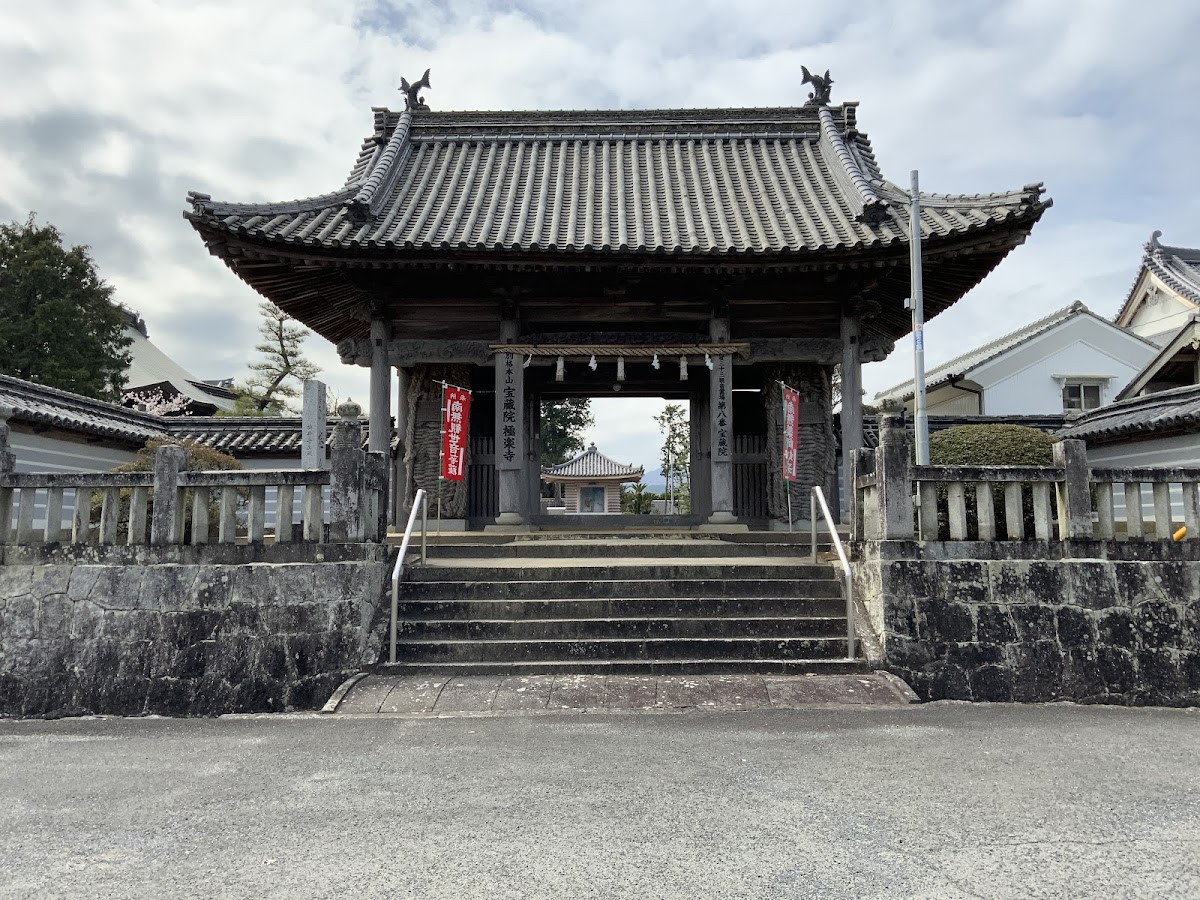
Complete Guide to Yakuri-ji Temple | History, Highlights, and Visiting Information for the 85th Temple of the Shikoku Pilgrimage
About Yakuri-ji Temple
Yakuri-ji Temple is a Shingon sect Daikaku-ji school temple located in Mure-cho, Takamatsu City, Kagawa Prefecture. Its official name is “Gokenzan Kanjizaiin Yakuri-ji.” As the 85th temple of the Shikoku 88 Temple Pilgrimage, it is a famous temple visited by many pilgrims and worshippers.
Located at the eighth station of Mt. Gokenzan (375 meters above sea level) within the Seto Inland Sea National Park, it boasts a spectacular view facing Yashima across from Dan-no-ura, a famous battlefield of the Genpei War. The mystical appearance of Mt. Gokenzan, resembling a sword thrusting from the ground, creates an impressive landscape that can be seen from afar.
The principal image is the Holy Kannon Bodhisattva, and the temple has a history of flourishing as a place of prayer for the Takamatsu Matsudaira clan, and as a temple founded by Kobo Daishi. It is especially believed to bring good fortune in business, academic success, and matchmaking, and is affectionately known locally as “Yakuri no Shōten-san.”
History and Origin of Yakuri-ji Temple
Legend of its Founding and Kōbō Daishi
Yakuri-ji Temple is said to have been founded in 829 AD (Tenchō 6). Legend says that while Kōbō Daishi (Kūkai) was training on Gokenzan Mountain, five swords fell from the heavens. The Daishi felt this was a miraculous sign and buried the five swords in the mountain to protect it. Because of this story, the mountain was named “Gokenzan” (Five Swords Mountain).
Later, the Daishi carved a statue of Kannon Bodhisattva and built a temple to enshrine it as the principal image. Furthermore, it is said that the temple was named “Yakuri-ji” (Eight Chestnut Temple) from a legend that when the Daishi planted eight roasted chestnuts, all of them sprouted and grew. The name “Yakuri” symbolizes prosperity and vitality, representing the character of the temple. ### Relationship with the Takamatsu Matsudaira Domain
During the Edo period, Yakuri-ji Temple played an important role as a place of prayer for the Takamatsu Matsudaira Domain. A special gate was used when the lord and samurai of the domain visited, and the “Nitenmon” gate, which still remains today, bears the Aoi crest. This gate is a valuable cultural asset, a Chinese-style gabled building with a cypress bark roof, featuring the Aoi crest on the roof and carvings said to be the work of a descendant of Hidari Jingoro.
Under the patronage of the Takamatsu Domain, Yakuri-ji Temple developed into a particularly prestigious temple among the Shikoku Pilgrimage sites, and many halls were built. Many of the buildings remaining on the temple grounds today attest to the prosperity of this era.
The Legend of Chujo-bo
Yakuri-ji Temple also has a legend related to a tengu (a mythical creature). It is said that a tengu named Chujo-bo lived on Mt. Gokenzan and protected the temple, and a “Chujo-bo Hall” has been built on the temple grounds. Chūjōbō is worshipped as a guardian deity of Shugendō (mountain asceticism), representing the unique form of worship at Yakuri-ji Temple, a fusion of mountain worship and Buddhism.
Highlights of the Temple Grounds
Main Hall
The Main Hall is the central building of Yakuri-ji Temple, housing the principal image, the Holy Kannon Bodhisattva. The hall is enveloped in a solemn atmosphere, and worshippers offer sutras and chant scriptures. As the 85th temple of the Shikoku Pilgrimage, many pilgrims pray here, accumulating merit for their pilgrimage.
The architectural style of the Main Hall is based on traditional Japanese style, and the inner sanctuary is adorned with intricate decorations. Excellent Edo period craftsmanship can be seen in the ceiling paintings and transom carvings.
Shōtendō Hall
The Shōtendō Hall is the reason why Yakuri-ji Temple is affectionately known as “Yakuri no Shōten-san.” It enshrines Kankiten (Shōten), and is believed to bring blessings for business prosperity, academic success, and matchmaking.
Shōten worship is considered to bring particularly powerful benefits within Esoteric Buddhism, attracting many worshippers. On specific days each month, Shōten’s festival is held, with rituals such as Goma fire ceremonies taking place. In front of the Shōten Hall, numerous votive tablets and offerings can be seen, imbued with prayers and wishes.
Chūjōbō Hall
This hall enshrines Chūjōbō, a tengu (mythical mountain spirit), and strongly reflects the traditions of mountain worship. Chūjōbō has been worshipped as the guardian deity of Yakuri-ji Temple and as the patron deity of Shugendō practitioners. A statue of Chūjōbō is enshrined inside the hall, and its imposing figure leaves a strong impression on worshippers.
In Shugendō, tengu are considered guardians of the mountains and guides of practitioners. The existence of Chūjōbō Hall indicates that Yakuri-ji Temple is not merely a pilgrimage site on the Shikoku Pilgrimage, but also a sacred place of mountain worship.
Nitenmon Gate
This is a prestigious gate used by samurai of the Takamatsu Domain when visiting Yakuri-ji Temple. Located just inside the main temple gate, the elegant building, with its curved gable roof and cypress bark roofing, welcomes visitors.
The roof bears the Aoi crest, indicating its connection to the Tokugawa family. The carvings are said to be the work of a descendant of Hidari Jingoro, and the intricate details are meticulously crafted. The name Nitenmon Gate comes from the two guardian deities, Jikokuten and Zochoten, enshrined on either side of the gate.
Goma-do Hall (Wake Hall)
This hall is used for Goma rituals and also serves as a wake hall. At Yakuri-ji Temple, a Shingon Buddhist temple, Goma rituals are regularly held, and the wishes of worshippers are sent to heaven with the flames.
The Goma ritual is an important Shingon Buddhist ceremony in which worldly desires are burned away by the power of fire, and wishes are fulfilled. In the Goma Hall, monks chant mantras while throwing wooden sticks into the flames, praying for the fulfillment of worshippers’ wishes. A statue of Fudo Myoo (Acala) is enshrined within the hall, its majestic form illuminated by the flames of the Goma ritual.
Sutra Copying Room
This facility offers a tranquil environment for sutra copying. Sutra copying is considered a practice for calming the mind and connecting with Buddhist teachings. At Yakuri-ji Temple’s sutra copying room, you can carefully copy scriptures such as the Heart Sutra, and your completed copy can be offered as a votive offering.
Sutra copying has a calming effect, providing a valuable time to escape the stresses of modern society and find inner peace. Even beginners receive careful instruction, so we recommend trying it during your visit.
Daishi Hall
This hall enshrines Kobo Daishi (Kukai) and is an important place of worship for pilgrims. In the Shikoku Pilgrimage, it is considered standard practice to visit both the main hall and the Daishi Hall at each temple. At the Daishido Hall, visitors offer prayers of gratitude to Kobo Daishi and for a safe pilgrimage.
A statue of Kobo Daishi is enshrined inside the hall, and its compassionate expression brings peace to worshippers. Many pilgrims clasp their hands together here, reflecting on their journey so far and renewing their resolve for the remainder of their pilgrimage.
Tahōtō Pagoda
The Tahōtō pagoda, standing within the temple grounds, is a symbolic structure of Esoteric Buddhism. It is a two-story pagoda with a unique structure: the upper story is circular, and the lower story is square. Inside the pagoda are enshrined Buddhist statues, including Dainichi Nyorai, representing the truth of the universe.
The Tahōtō pagoda harmonizes with the landscape of Gokenzan Mountain, adding a solemn atmosphere to the temple grounds. Especially during the seasons of fresh greenery and autumn leaves, one can enjoy the beautiful scenery where nature and architecture are integrated.
Eleven-Faced Kannon
In addition to the main deity, Shō Kannon, an Eleven-Faced Kannon is also enshrined within the temple grounds. The Eleven-Faced Kannon is a manifestation of Kannon Bodhisattva, said to have eleven faces on its head, watching over and saving all sentient beings from all directions.
Each of the eleven faces has a different expression, conveying various emotions such as compassion, anger, and laughter. This symbolizes Kannon Bodhisattva’s ability to provide salvation in the most appropriate way according to the diverse circumstances of sentient beings.
Holy Kannon
The principal image, the Holy Kannon Bodhisattva, is a precious Buddha statue said to have been carved by Kobo Daishi himself. The Holy Kannon is the basic form of Kannon Bodhisattva, depicted with one face and two arms. It is believed to relieve the suffering of sentient beings with a compassionate heart and attracts many worshippers.
The Holy Kannon, enshrined in the main hall’s shrine, is usually a hidden Buddha and not open to the public, but its miraculous powers have been known since ancient times, and many worshippers visit seeking its blessings.
Suigu Bodhisattva
The Suigu Bodhisattva is worshipped as a Bodhisattva who grants all wishes and requests. Especially known as a guardian deity for women, it is believed to bring blessings for safe childbirth, child-rearing, and family harmony.
Zuigu Bodhisattva is a deity in Esoteric Buddhism, often depicted with eight arms, each holding various ritual implements, and dedicated to saving sentient beings. The Zuigu Bodhisattva at Yakuri-ji Temple attracts the devotion of many female worshippers.
Bell Tower and Temple Bell
A historic temple bell hangs in the bell tower on the temple grounds. The sound of the bell is believed to dispel worldly desires and purify the mind. Worshippers can ring the bell, and its clear sound resonates across Mount Gokenzan.
The temple bell was cast during the Edo period, and its inscription includes the temple’s history and the names of its donors. From the bell tower, one can enjoy a magnificent view of the Seto Inland Sea while ringing the bell.
Jizo Hall and the Twelve Zodiac Guardian Deities
The Jizo Hall enshrines Jizo Bodhisattva and attracts worshippers seeking protection for children and memorial services for stillborn babies. It also houses the twelve zodiac guardian deities, allowing worshippers to pay homage to the deity corresponding to their zodiac sign.
Each of the twelve zodiac signs has a designated guardian deity: the Rat is Senju Kannon, the Ox and Tiger are Kokuzo Bodhisattva, the Rabbit is Monju Bodhisattva, and so on. Knowing your own guardian deity allows for a deeper faith.
Statue of Mokushoku Iku Shonin
A statue of Mokushoku Iku Shonin is also enshrined on the temple grounds. Mokushoku Iku was a high-ranking monk during the Edo period who dedicated himself to social work and the propagation of Buddhism in various regions. He had a deep connection with Yakuri-ji Temple, and the statue was erected to commemorate his achievements.
Access to Yakuri-ji Temple
Access by Cable Car
Yakuri-ji Temple is located at the 8th station of Mt. Gokenzan, so many visitors use the cable car. It’s about a 20-30 minute walk from Kotoden Shido Line’s “Yakuri Station” to the Yakuri Cable Car Trailhead Station.
The cable car ride takes about 4 minutes to the mountaintop station, and from there it’s about a 5 minute walk to Yakuri-ji Temple. From the cable car, you can enjoy magnificent views of the Seto Inland Sea and Takamatsu city, and appreciate the beauty of nature throughout the seasons.
Cable car operating hours vary depending on the season, so it’s recommended to check in advance. Also, please note that the service may be suspended during typhoons or strong winds.
Visiting on Foot
Those confident in their physical fitness can also hike up the mountain trail. The journey from the trailhead to Yakuri-ji Temple takes about 40-50 minutes, and along the way you’ll find stone steps and signposts that evoke the atmosphere of a pilgrimage route.
Visiting on foot offers a valuable opportunity to experience the traditional pilgrimage. However, since the path is uphill, appropriate clothing and shoes, along with sufficient hydration, are necessary.
Access by Car
If visiting by car, it’s approximately 15 minutes from the Shido IC on the Takamatsu Expressway, or approximately 30 minutes from the Takamatsu Chuo IC. There is parking near the cable car station, from where you can take the cable car.
Since there is limited parking space on the mountaintop, you will generally need to use the parking lot at the base of the cable car. During peak seasons, the parking lot can get crowded, so it’s recommended to allow ample time for your visit.
Visiting Information
Visiting Hours and Sutra Copying Hours
While Yakuri-ji Temple is generally open for worship from sunrise to sunset, the sutra copying office is usually open from 7:00 AM to 5:00 PM. As a temple on the Shikoku Pilgrimage, you can receive a Goshuin (temple stamp).
Since the opening hours may change depending on the season, it is recommended to check the official website for the latest information if you want to be sure to receive a sutra copy. ### Admission Fee
While entry to the temple grounds is generally free, a round-trip fee is required for the cable car. Additional fees may apply for special viewings and visits to the treasure hall.
Annual Events
Yakuri-ji Temple holds various Buddhist services and events throughout the year. Visitors can participate in Buddhist events such as the New Year’s Day visit, the Setsubun bean-throwing ceremony, the spring and autumn equinox services, and the Obon memorial service.
In particular, many worshippers visit on the Shōten festival day, and special services such as the Goma fire ritual are held. Participating in these events allows for a deeper religious experience.
Nearby Attractions
Nature of Gokenzan Mountain
Gokenzan Mountain, where Yakuri-ji Temple is located, is designated as part of the Seto Inland Sea National Park and is blessed with abundant nature. Visitors can enjoy beautiful scenery throughout the seasons, from cherry blossoms in spring, fresh greenery in early summer, and autumn leaves in fall.
From near the summit, you can enjoy panoramic views of the islands floating in the Seto Inland Sea, Takamatsu city, and Yashima, and on clear days, you can even see as far as the Shikoku Mountains.
Yashima and the Genpei Battlefield
Across Dan-no-ura from Yakuri-ji Temple lies Yashima, the site of the Genpei War. Yashima is also home to Yashima-ji Temple, the 84th temple of the Shikoku Pilgrimage, and many pilgrims visit both Yakuri-ji and Yashima-ji together.
Visiting the Genpei battlefield allows you to reflect on Japanese history, making your pilgrimage to Yakuri-ji Temple even more fulfilling.
The Stone Culture of Mure Town
Mure Town, where Yakuri-ji Temple is located, is known as a production area for high-quality Aji stone. Within the town, you can find stone processing workshops and a stone folklore museum, allowing you to experience traditional stone culture.
Training and Faith at Yakuri-ji Temple
As a Pilgrimage Site on the Shikoku Pilgrimage
Yakuri-ji Temple is the 85th temple on the Shikoku 88 Temple Pilgrimage, attracting many pilgrims. The Shikoku Pilgrimage is a journey of approximately 1,200 kilometers, following in the footsteps of Kobo Daishi, and Yakuri-ji Temple is an important final stop.
Pilgrims, clad in white robes and carrying a Kongo staff, chant sutras and offer sutras at each temple. At Yakuri-ji Temple, they visit both the main hall and the Daishi Hall, accumulating merit for their pilgrimage.
Center of Shōten Worship
Yakuri-ji Temple is also a center of Shōten worship, known as “Yakuri no Shōten-san.” Kankiten (Shōten) is a deity in Esoteric Buddhism, particularly believed to bring blessings for business prosperity, academic success, and matchmaking.
On the monthly Shōten Ennichi (festival day for Shōten), many believers gather for Goma rituals and special prayers. The devotion to Shōten is a significant characteristic of Yakuri-ji Temple, dating back to the Edo period.
Sutra Copying and Meditation
Yakuri-ji Temple also offers opportunities for spiritual cultivation through sutra copying and meditation. By quietly copying scriptures in the sutra copying room, one can calm their mind and connect with the teachings of Buddha.
Furthermore, the tranquil environment of the temple grounds is suitable for meditation, allowing for a valuable time to reflect on oneself away from the hustle and bustle of everyday life.
Cultural Properties and Treasures of Yakuri-ji Temple
Buildings
The grounds of Yakuri-ji Temple contain numerous valuable buildings remaining from the Edo period. The Nitenmon Gate, Main Hall, Shōtendo Hall, and Tahōtō Pagoda, among others, each demonstrate excellent architectural techniques and possess high cultural value.
In particular, the carvings and cypress bark roof of the Nitenmon Gate represent the pinnacle of the craftsmanship of the time and are well worth carefully observing.
Buddhist Statues and Paintings
Many Buddhist statues are enshrined within the temple grounds, including the principal image, the Holy Kannon Bodhisattva. These statues were created from the Heian period to the Edo period, showcasing the characteristics of Buddhist art from each era.
Furthermore, the Buddhist paintings and mandalas preserved as temple treasures are important materials for esoteric Buddhist art. During special exhibitions, these valuable cultural artifacts can be viewed up close.
Summary
Yakuri-ji Temple, as the 85th temple on the Shikoku Pilgrimage and a center of Shōten worship, is a temple beloved by many pilgrims. It possesses multifaceted charm, including its history founded by Kobo Daishi, the mystical scenery of Mt. Gokenzan, abundant cultural assets, and various blessings.
While easily accessible by cable car, a walk offers a traditional pilgrimage experience. The temple grounds offer numerous points of interest, including the main hall, Shōten-dō hall, Chūjōbō-dō hall, and Nitenmon gate, and it is recommended to take your time exploring them.
Nestled amidst the beautiful nature of Setonaikai National Park, Yakuri-ji Temple is valuable not only as a place of worship but also as a place to heal the soul. When you visit Takamatsu, be sure to stop by Yakuri-ji Temple and experience its history and charm.