Complete Guide to Yamamoto Hachimangu Shrine: History of Yao City, Goshuin (Shrine Seal), and Access Information
What is Yamamoto Hachimangu Shrine?
Yamamoto Hachimangu Shrine is a Shinto shrine located in Yamamoto-cho 1-chome, Yao City, Osaka Prefecture. Formerly a village shrine, it has been deeply revered by local residents for over 300 years. Situated in a prime location just north of Kawachi-Yamamoto Station on the Kintetsu Osaka Line, on the west bank of the Tamagushi River, and south of the Tateishi Road, it is known as a valuable shrine that conveys the history of the region despite its small grounds.
The main deity enshrined is Hondawake-no-Mikoto, also known as Emperor Ojin, and it is believed to offer various blessings, including military success, protection from evil and good fortune, and safe childbirth and child-rearing.
History of Yamamoto Hachimangu Shrine
Founding and Development of Yamamoto Shinden
The founding of Yamamoto Hachimangu Shrine dates back to the first year of the Kyoho era (1716). During this period, land reclamation was flourishing in Kawachi Province, and Yamamoto Shinden was one such project. Yamanaka Shōbei Masanaga and Motoyama Yaemon Shigehide (Kagaya), the developers of Yamamoto Shinden, played a central role in promoting the development.
An important aspect of land reclamation was the establishment of a shrine to protect the new land. The developers invited a divine spirit from Iwashimizu Hachimangu Shrine in Yawata City, Kyoto Prefecture, and established Yamamoto Hachimangu Shrine as the guardian shrine of Yamamoto Shinden. Iwashimizu Hachimangu Shrine is one of the head shrines of all Hachimangu shrines nationwide, and receiving a divided spirit from it was an important ritual to pray for the peace and prosperity of the region.
From the Edo Period to the Meiji Period
Throughout the Edo period, Yamamoto Hachimangu Shrine became the center of faith for the developers and farmers of Yamamoto Shinden. Prayers have been offered at this shrine for a bountiful harvest in Nitta, protection from floods, and the eradication of disease—prayers closely tied to the lives of those engaged in agriculture.
In the Meiji era, a modern shrine system was established, and Yamamoto Hachimangu Shrine was designated a village shrine. This rank signified its formal recognition as a local shrine, and it continued to play a central role in the local community.
Changes Since the Showa Era
In 1956 (Showa 31), the shrine building was renovated, establishing its current basic form. The fact that the shrine was rebuilt with donations from local residents during the post-war reconstruction period demonstrated the continuation of faith and community unity.
Furthermore, from 1994 (Heisei 6) to 1997 (Heisei 9), extensive renovations were carried out on all facilities except the shrine building. The torii gate, purification fountain, and grounds were improved, creating a comfortable environment for visitors. These renovations strengthened the shrine’s functions as a modern shrine while preserving its traditions.
Deities and Benefits
Main Deity: Hondawake-no-Mikoto (Emperor Ojin)
The main deity of Yamamoto Hachimangu Shrine is Hondawake-no-Mikoto. This is the divine name of Emperor Ojin, the 15th Emperor of Japan, and he is widely worshipped throughout Japan as Hachiman-sama. Emperor Ojin is known as an emperor who contributed to the introduction of continental culture and the development of the nation. While he is considered a god of war and victory, he has also been revered as a god of agriculture and safe childbirth.
Expected Benefits
Yamamoto Hachimangu Shrine is believed to offer the following benefits:
- Long-lasting Military Fortune and Victory: Based on the original nature of Hachiman, prayers for success in competitions and passing exams.
- Protection from Misfortune and Bringing Good Fortune: Exorcism of misfortune and bringing good fortune at important life stages.
- Family Safety: Health and safety of family members, and harmony within the home.
- Business Prosperity: Development of businesses and business success.
- Safe Childbirth and Child-rearing: Prayers for safe childbirth and the healthy growth of children.
- Abundant Harvest: Abundant harvests and gratitude for nature’s blessings.
Highlights of the Shrine Grounds
Shrine Architecture
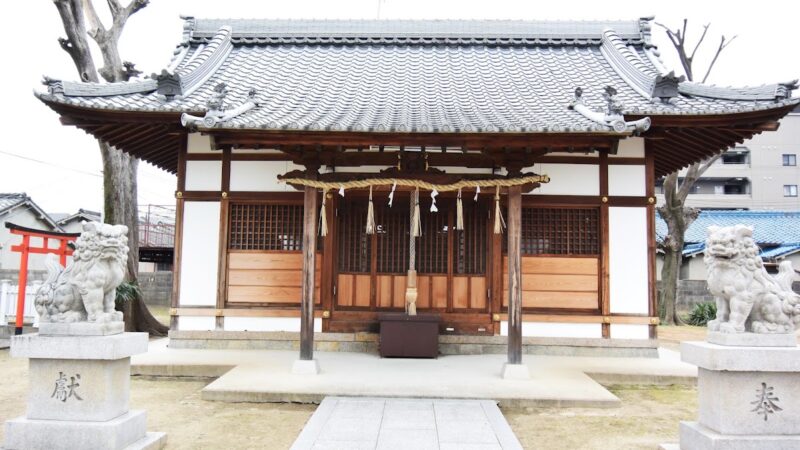
The shrine buildings of Yamamoto Hachimangu Shrine were rebuilt in 1956 (Showa 31) and follow the traditional style of shrine architecture. The main hall, though small, is meticulously constructed and integrated with the worship hall. Viewed from the front, its simple yet dignified appearance is striking.
Torii Gate and Approach
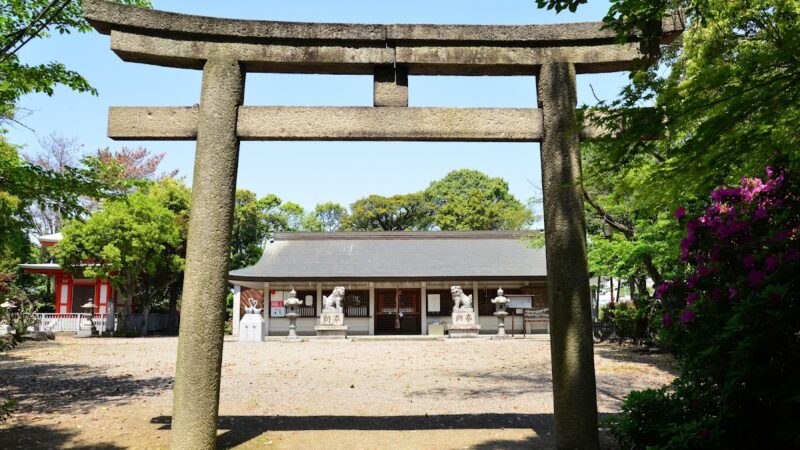
A torii gate stands at the entrance to the shrine grounds, and an approach path leads to the main hall. The approach path, renovated during the Heisei era, is kept clean, creating a tranquil atmosphere despite its urban location. Its location facing Tateishi Street gives it a unique presence as a sacred space amidst the hustle and bustle of the city.
Water Basin
The water basin, where worshippers purify themselves before praying, was also renovated during the Heisei era. Worshippers cleanse their hands and mouths here before proceeding to the main hall.
Atmosphere of the Shrine Grounds
Despite being located in an urban area just north of Kintetsu Kawachi-Yamamoto Station, the shrine grounds maintain a calm atmosphere. Although small, the grounds function as a place of daily worship for local residents and a space for quiet prayer.
About Subsidiary Shrines
There may be subsidiary shrines dedicated to deities other than the main deity within the grounds of Yamamoto Hachimangu Shrine, but detailed information is limited. In typical Hachiman shrines, Inari shrines and Tenmangu shrines are often enshrined as subsidiary shrines, and it is possible that Yamamoto Hachiman Shrine also has subsidiary shrines that reflect local beliefs.
When visiting, it is recommended to not only visit the main shrine but also tour the entire grounds and offer gratitude to each deity.
Annual Events and Festivals
Major Festivals
Yamamoto Hachiman Shrine holds various festivals throughout the year. Particularly important is the annual grand festival, where local residents gather for a portable shrine procession and offering ceremonies.
The annual grand festival of Hachiman shrines is generally held in the autumn, to express gratitude for a bountiful harvest and to pray for the peace and prosperity of the community. Yamamoto Hachiman Shrine also holds its annual grand festival in the autumn, serving as an important opportunity to strengthen the bonds of the local community.
New Year’s Visit and Annual Events
During the New Year, the shrine is bustling with visitors for their first shrine visit of the year, who come to pray for safety and happiness throughout the year. Furthermore, traditional Japanese annual events such as the Setsubun Festival, the Summer Purification Ceremony, and the Shichi-Go-San Festival are also held.
These events are deeply intertwined with the daily lives of the local residents, and visiting the shrine at each seasonal turning point provides an opportunity to become aware of the changing seasons and milestones in life.
Goshuin Information
About the Issuance of Goshuin
Yamamoto Hachimangu Shrine offers goshuin (shrine stamps). You can receive a goshuin as a memento of your visit to the shrine and as proof of your faith. Goshuin are cherished as proof of worship and a record of the connection you have made with the gods.
When receiving a goshuin, it is considered polite to first formally pray at the main hall before visiting the shrine office. It is important to bring your goshuin book and make your request politely.
Characteristics of the Goshuin
The goshuin of Yamamoto Hachimangu Shrine features the shrine’s name, “Yamamoto Hachimangu,” written in ink and stamped in red. With its simple yet dignified design, it is a valuable memento of your visit.
The offering fee (donation) for a Goshuin (temple/shrine stamp) is generally around 300 to 500 yen, but it is recommended to check the latest information before visiting.
Manners when receiving a Goshuin
- Always complete your prayers before receiving a Goshuin.
- Open your Goshuincho (stamp book) and hand it over.
- Request using polite language.
- Have the offering fee ready.
- Wait quietly while the stamp is being written.
A Goshuin is not a stamp rally; it is a sacred record of your connection with the shrine. It is important to treat it with respect.
Access
Access by Train
The easiest way to access Yamamoto Hachimangu Shrine is by train.
It is conveniently located about a 3-minute walk from Kintetsu Osaka Line “Kawachi-Yamamoto Station”. Exit the north exit of the station, cross the Tamagushi River, and proceed along Tateishi Kaido; the shrine will be immediately visible. Because it’s very close to the station, even first-time visitors can arrive without getting lost.
It’s about a 20-minute ride on the Kintetsu Osaka Line from Osaka city center, and easily accessible from Nara.
Access by Car and Parking
If you are visiting by car, information regarding the shrine’s parking is limited, so it is recommended to check in advance. Because it is a small shrine located in an urban area, dedicated parking may be limited.
There are coin-operated parking lots nearby, but using public transportation is recommended. Especially during festivals, the area may be crowded, so access by train is convenient.
Landmarks in the Area
- North side of Kintetsu Kawachi-Yamamoto Station
- West bank of Tamagushi River
- Along Tateishi Kaido Road
Using these landmarks, you can easily find the shrine.
Manners and Etiquette for Visiting a Shrine
Basic Etiquette for Visiting a Shrine
There are traditional manners for visiting a shrine. Following the following steps when visiting Yamamoto Hachimangu Shrine will ensure a more fulfilling experience.
- Bow at the Torii Gate: Bow before passing through the torii gate to show respect for entering the sacred area.
- Walking the Path: The center of the path is considered the path of the gods, so walk along the edges.
- Purification at the Water Basin:
- Take the ladle with your right hand and purify your left hand.
- Switch the ladle to your left hand and purify your right hand.
- Switch the ladle back to your right hand, receive water in your left hand, and rinse your mouth.
- Finally, stand the ladle upright and purify the handle.
- Worship at the Main Hall:
- Quietly place your offering in the offering box.
- Ring the bell if there is one.
- Perform the two bows, two claps, and one bow (bowing deeply twice, clapping twice, and bowing deeply once).
- Bow Upon Exit: Turn around and bow when leaving the torii gate.
Attire and Mindset for Visiting a Shrine
While there are no strict dress code regulations for visiting a shrine, it is desirable to wear clothing that reflects the sacred nature of the place. Avoid overly revealing or dirty clothing, and aim for clean and understated attire.
Furthermore, visiting a shrine is an act of expressing gratitude to the gods and praying for daily safety. It’s important to express gratitude not only for requests but also for everyday blessings.
The Relationship Between Yamamoto Hachimangu Shrine and the Community
As the Center of the Community
For over 300 years since its founding, Yamamoto Hachimangu Shrine has functioned as a spiritual pillar of the local community. Beginning with land reclamation in the Edo period, and continuing through the Meiji, Taisho, Showa, Heisei, and Reiwa eras, it has always been at the center of the faith and lives of the local residents.
Festivals and annual events are valuable opportunities for local residents to gather and serve as places for intergenerational exchange. In particular, the annual grand festival sees participation from a wide range of age groups, from children to the elderly, deepening community bonds.
Its Role in Urbanization
Yamamoto-cho in Yao City is an urban area that has developed around Kintetsu Kawachi-Yamamoto Station, but within this urban area, Yamamoto Hachimangu Shrine remains a valuable presence that conveys history and tradition. Even amidst increasing urbanization, shrines remain unchanged, preserving the history of the region and offering peace of mind to people.
In modern society, shrines are not merely religious institutions; they also serve as places to learn about local history, connect with nature, and find inner peace. Yamamoto Hachimangu Shrine, with its multifaceted functions, has become an indispensable presence in the community.
Nearby Tourist Attractions
Tamagushi River and Cherry Blossom Trees
The Tamagushi River, flowing just east of Yamamoto Hachimangu Shrine, is known for its beautiful cherry blossom trees in spring. The riverside promenade is perfect for a stroll, allowing visitors to enjoy the changing seasons in conjunction with their shrine visit.
Around Kawachi-Yamamoto Station
The area around Kintetsu Kawachi-Yamamoto Station is lined with shopping streets and restaurants, allowing visitors to enjoy meals and shopping after their visit to the shrine. This area has developed as the center of local life, possessing a unique atmosphere where traditional shops and new establishments coexist.
Other Shrines and Temples in Yao City
Yao City is dotted with other historical shrines and temples. If you have time, visiting other shrines in the city will allow you to gain a deeper understanding of Yao’s history and culture.
The Charm of Yamamoto Hachimangu Shrine
The Weight of History
Founded in 1716 (Kyoho 1), Yamamoto Hachimangu Shrine boasts a history of over 300 years, a living witness to the region’s origins in land reclamation during the Edo period and continuing to the present day. Though small, its historical weight is evident in the atmosphere of the shrine grounds and the deep faith of the local residents.
Easy Access
Its location, just a 3-minute walk from the station, is a major attraction, making it easily accessible for visitors. It’s a convenient environment for both tourists and local residents to visit regularly.
A Tranquil Space
Despite its urban location, the shrine grounds maintain a quiet and peaceful atmosphere. It’s a precious space where you can escape the hustle and bustle of everyday life and offer prayers with a calm heart.
A Sense of Community Integration
The deep affection this shrine has for the local community is evident from the well-maintained grounds and the lively atmosphere of its festivals. Visitors can experience the warmth of the local community and the continuation of tradition.
Precautions During Visits
Visiting Hours
While the shrine grounds are generally open for worship throughout the day, the availability of Goshuin (shrine stamps) and prayers at the shrine office may be limited to specific times. If you wish to receive a Goshuin or request prayers, it is recommended to contact the shrine in advance to confirm the hours.
Photography
Photography is generally permitted on the shrine grounds, but consideration should be given to avoiding disturbing other visitors. Particular caution is needed during festivals and crowded times. Also, photography may be restricted in certain areas, such as inside the main hall; please check if you are unsure.
Respect and Silence
Shrines are sacred places. Please refrain from speaking loudly or running around, and worship quietly. This is especially important for those with young children; use this as a good opportunity to teach them proper etiquette.
Summary
Yamamoto Hachimangu Shrine is a historic shrine located in Yamamoto-cho, Yao City, Osaka Prefecture. Since its founding in 1716, it has served as the guardian shrine of Yamamoto Shinden and a spiritual pillar of the local community for over 300 years.
The main deity enshrined is Emperor Ojin (Homudawake-no-Mikoto), who was invited from Iwashimizu Hachimangu Shrine. It is believed to offer various blessings, including military success, protection from misfortune and good fortune, family safety, and business prosperity. Conveniently located just a 3-minute walk from Kintetsu Kawachi-Yamamoto Station, the shrine grounds maintain a tranquil atmosphere despite being in an urban area, providing a precious space to escape the hustle and bustle of everyday life and find peace of mind.
With the reconstruction of the shrine building in 1956 and the development of the grounds between 1994 and 1997, it functions as a modern shrine while preserving its traditions. The shrine also offers Goshuin (stamped seals), which are popular as a memento of their visit.
As a place to learn about local history, express gratitude to the gods, and find peace of mind, Yamamoto Hachimangu Shrine will continue to be an indispensable presence in the community. If you have the opportunity to visit Yao City, please be sure to stop by. It is a small shrine, but it is imbued with a rich history and the warm faith of the local people.