Complete Guide to Jōkōji Temples: A Thorough Explanation of the History, Characteristics, and Visiting Information of Jōkōji Temples Nationwide
There are several temples named Jōkōji throughout Japan. Each possesses its own unique history and cultural value, and has been passed down to the present day as a place of worship rooted in its local community. This article will provide a detailed explanation of Jōkōji temples throughout Japan, focusing on the particularly famous Jōkōji Temple in Yao City, Osaka Prefecture.
Jōkōji Temple in Yao City, Osaka Prefecture: The Birthplace of Kawachi Ondo
Overview and History of Hatsuhiyama Jōkōji Temple
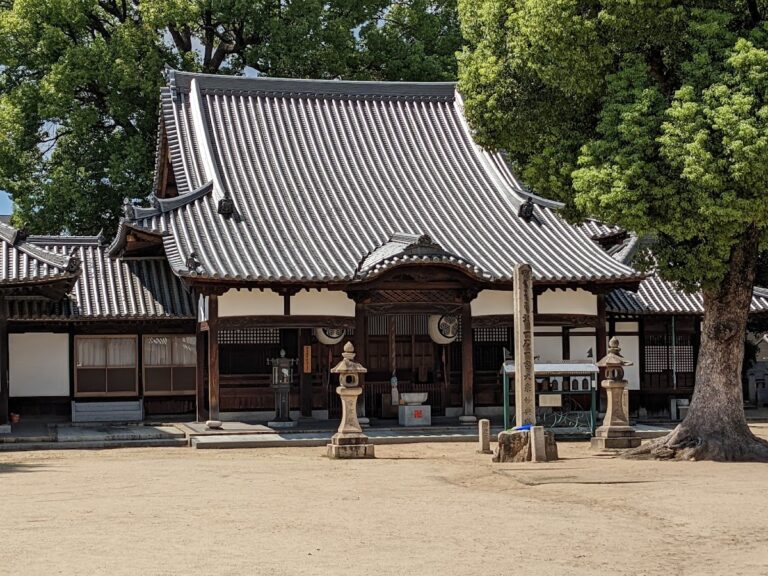
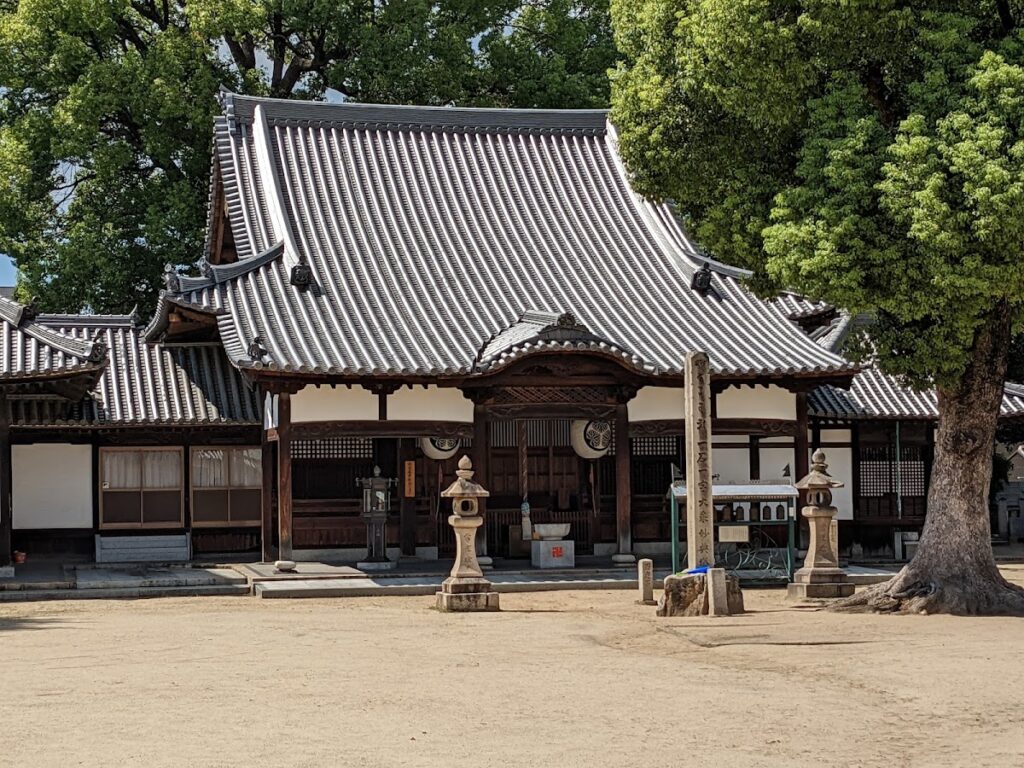
Located in Honmachi, Yao City, Osaka Prefecture, Jōkōji Temple belongs to the Nanzenji branch of the Rinzai school of Zen Buddhism, and its mountain name is Hatsuhiyama. As a branch temple of Konchiin, a sub-temple of Nanzenji Temple, it is affectionately known locally as “Yao Jizōson.”
The principal image is a Jizō Bodhisattva, a historically significant Buddhist statue said to have been created by Ono no Takamura during the Kōnin era (around 810-824). The temple’s founding dates back to the Nara period, and it is believed to have been established by the monk Gyōki. Initially called “Shindōji,” it was later renamed to its current name.
Restoration during the Nanboku-chō and Muromachi Periods
During the wars of the Nanboku-chō period, Jōkōji Temple was once destroyed by fire and fell into ruin. However, it was restored in 1385 by the local lord Fujiwara no Moritsugu, and the following year, the Jizō statue and Amida Hall were rebuilt. During the Muromachi period, the temple had close ties with the shogunate, receiving a plaque bearing the inscription “Hatsuhiyama” handwritten by Ashikaga Yoshimitsu.
Cultural Value as the Birthplace of Kawachi Ondo
The most distinctive feature of Jōkōji Temple is its reputation as the “birthplace of Kawachi Ondo.” A monument commemorating this is erected beside the temple gate, highlighting its historical significance as the birthplace of Kawachi Ondo, a traditional Japanese performing art.
Kawachi Ondo is a folk song sung during Bon Odori (Bon Festival dance), characterized by its unique rhythm and melody. The Jizo Bon festival held at Jōkōji Temple is considered the origin of this Ondo culture.
Remnants of Osaka Castle and Historical Heritage
Remnants of Osaka Castle stones are preserved on the temple grounds. These are believed to be stones intended for use during the reconstruction of Osaka Castle in the early Edo period, but were left behind for some reason. These remaining stones are a valuable historical site that conveys the history from the Sengoku period (Warring States period), including the Siege of Osaka, to the Edo period.
The temple grounds also contain the graves of Todo family soldiers who died in the Siege of Osaka, making it a place where one can feel the history of the Sengoku period firsthand.
Fifth Pilgrimage Site of the Osaka Thirteen Buddhas Pilgrimage
Jōkōji Temple is designated as the fifth pilgrimage site of the Osaka Thirteen Buddhas Pilgrimage. The Thirteen Buddhas belief is a unique form of Buddhist faith in Japan, a pilgrimage aimed at commemorating the deceased. As a sacred site visited by many worshippers, it serves as a center of faith in the region.
Annual Events and Festivals at Yao Jōkōji Temple
Yao Jizō Procession
Jōkōji Temple holds various traditional events every year. In particular, the “Yao Jizō Procession” is known as an important religious event in the region. This service involves traditional rituals expressing faith in Jizō Bodhisattva, and is attended by many parishioners.
Sanmon Segaki Ceremony (Yao Jizō Bon Odori)
Known as a summer tradition, the Sanmon Segaki Ceremony is commonly known as the “Yao Jizō Bon Odori.” During this event, Kawachi Ondo songs are sung, and a Bon Odori dance is held on the temple grounds. This traditional Bon Odori, unique to the birthplace of Kawachi Ondo, holds significant importance in terms of preserving regional culture.
Daihannya Ceremony and Jizō Bon Festival
The Daihannya Ceremony is held at the beginning of the year. Through the traditional ritual of reciting the Great Prajnaparamita Sutra, prayers are offered for peace and prosperity throughout the year. The Jizo Bon Festival is also an important annual event, where a memorial service is held to express gratitude to Jizo Bodhisattva and to pray for the healthy growth of children.
New Year’s Eve Bell Ringing
On New Year’s Eve, the temple bell is rung, and general visitors are welcome to ring it. This is a traditional Buddhist event where many people participate, symbolizing the purification of the 108 worldly desires and the welcoming of the new year with a pure heart.
Grounds and Facilities of Yao Jōkōji Temple
Columbarium and Perpetual Memorial Graves
Jōkōji Temple offers columbariums and perpetual memorial graves to meet modern needs. In today’s society, with its declining birthrate and aging population, the demand for perpetual memorial services, which provide peace of mind even without successors, is increasing. The temple grounds have well-maintained columbarium facilities, and detailed information is provided.
Access and Visiting Information
Jōkōji Temple, located in Honmachi, Yao City, Osaka Prefecture, is within walking distance of Kintetsu Yao Station on the Kintetsu Osaka Line. Despite its urban location, the temple grounds are quiet, making it an ideal place to escape the hustle and bustle of the city and find peace of mind.
Jōkōji Temple in Nara City, Nara Prefecture
Overview of Shinoo-san Jōkōji Temple
There is also a temple named Jōkōji in Nara City, Nara Prefecture. This is an independent temple of the Shingon Ritsu sect, with the mountain name Shinoo-san and Fudo Myoo as its principal deity.
Founding and Historical Changes
The founding year and founder are unclear, but it is believed that it originally existed as a small hermitage before being moved to its current location in Enpō 1 (1673). It was once abolished due to the anti-Buddhist movement of the Meiji era, but was rebuilt in Showa 27 (1952).
Cultural Value
The wooden standing statues of the Fudo Myoo Triad, housed at Jokoji Temple in Nara City, are designated as a Nara Prefecture Cultural Property. The principal image, the Great Holy Fudo Myoo Triad, is said to have been created by Hozan Tankai, the head priest of Hozanji Temple, and the temple is known for its connection to Hozanji. Other temple treasures include hanging scrolls, which are preserved as part of the local cultural heritage.
Jokoji Temple in Fujisawa City, Kanagawa Prefecture
There is also a Jokoji Temple in Fujisawa City, Kanagawa Prefecture. It is a temple featured on the Fujisawa City official tourism website as a tourist spot along the Odakyu Enoshima Line. Located within walking distance of Shonandai Station, it functions as a place of worship for the local community.
Jokoji Temple in Koto Ward, Tokyo
Sacred Site of the Six Amida Pilgrimage of Edo
Jokoji Temple in Koto Ward, Tokyo, is known as the sixth sacred site of the “Six Amida Pilgrimage of Edo.” The Edo Roku Amida Pilgrimage was a popular pilgrimage among common people during the Edo period, involving visits to six temples enshrining Amida Buddhas.
It is also positioned as a tourist spot in Koto Ward, and is utilized as a local tourist resource along with its historical value.
Other Jōkōji Temples
Jōkōji Temple in Kakogawa City, Hyogo Prefecture
There is also a Jōkōji Temple in Kannō-chō, Kakogawa City, Hyogo Prefecture. As a temple deeply rooted in the community, it attracts the faith of its parishioners.
Jōkōji Temple (Jōkōji Temple) in Amagasaki City, Hyogo Prefecture
In the Oda district of Amagasaki City, there is a Jōkōji Temple (Jōkōji Temple, Jigen-in Temple). Historically, it appears as “Jōkōji Temple,” and in the “Taiheiki” (Chronicle of Great Peace), in the entry for August 16, 1362 (Kōan 2), it is described as “Jōkōji Temple’s stronghold.” In the medieval period, it was located within the Tomishima Manor, and in the early modern period, it was part of the territory of the Katagiri clan of the Koizumi Domain in Yamato Province. The local guardian shrine is Kōdaijinja Shrine, and the temple belongs to the Shingon sect, Zentsuji branch.
Jōkōji Temple in Aizuwakamatsu City, Fukushima Prefecture
Jōkōji Temple, located on Nanokamachi Street in Aizuwakamatsu City, Fukushima Prefecture, is a Tendai sect temple. It was established in 706 as a Ritsu sect temple, later converted to the Shingon sect, and then in 1623, after receiving a license from the Great Abbot Tenkai, it converted to the Tendai sect.
The main hall is a large building, approximately 14.5 meters long and 18 meters deep. The principal image is Amida Buddha, with Kokuzō Bosatsu enshrined on the right, and a memorial hall behind it. Unusually for temple architecture, the main hall is two stories high, with a study on the second floor.
Jōkōji Temple in Shōdoshima Town, Kagawa Prefecture
There is also a Jōkōji Temple in Naeba, Shōdoshima Town, Shōzu District, Kagawa Prefecture. Located in the unique environment of an island in the Seto Inland Sea, it functions as a temple supporting the local faith.
Meaning and Origin of the Temple Name “Jōkōji”
The temple name “Jōkōji” means “eternal light” in Buddhism, that is, the light that constantly emanates from the body of the Buddha. It is a temple name that expresses the teaching that the Buddha’s compassion always illuminates all sentient beings, and the fact that the same temple name is adopted throughout Japan is thought to be based on this universal Buddhist thought.
Significance and Modern Value of Visiting Jōkōji
Inheritance of History and Culture
Jōkōji temples throughout Japan play an important role in conveying the history and culture of their respective regions. In particular, the tradition of Kawachi Ondo at Jōkōji in Yao City, Osaka Prefecture, has high value as an intangible cultural asset and is at the core of the regional identity.
A Place of Peace of Mind
In modern society, temples are precious spaces where one can find peace of mind. In the tranquil atmosphere of the temple grounds, one can have time to reflect on oneself, away from the hustle and bustle of everyday life.
Significance and Modern Value of Visiting Jōkōji
Center of the Local Community
Many Jōkōji temples play a role in strengthening community bonds through annual events and memorial services. Events such as Bon Odori (Bon dance) and Jizō-bon (Jizo festival) provide opportunities for intergenerational interaction.
Points to Note When Visiting Jōkōji Temple
Etiquette for Visiting Temples
When visiting a temple, it is important to observe basic etiquette. Bowing at the temple gate, remaining quiet within the grounds, and performing a gassho (palms together in prayer) in the main hall are all expected behaviors that show respect for a Buddhist temple.
Photography
Photography is generally permitted within the temple grounds, but there may be restrictions on photographing inside the main hall or of Buddha statues. Please check in advance or follow any posted notices.
Participation in Events
If you wish to participate in annual events, it is recommended to contact the temple in advance to confirm details. Especially for popular events such as the New Year’s Eve bell ringing and Bon Odori, obtaining information about participation methods and times beforehand will ensure a smooth experience.
Summary
There are temples named Jōkōji throughout Japan, each possessing its own unique history and cultural value. Hatsuhiyama Jōkōji in Yao City, Osaka Prefecture, holds an important position as the birthplace of Kawachi Ondo (a type of folk dance) and as a temple of the Rinzai sect’s Nanzenji branch. It also boasts a wealth of historical relics from the Sengoku and Edo periods, including remnants of Osaka Castle and the tombs of the Tōdō family.
Jōkōji in Nara City, a Shingon Ritsu sect temple, houses a Fudo Sanzon standing statue, a prefectural designated cultural property, and has a history of overcoming the anti-Buddhist movement and being rebuilt. Jōkōji in Kōtō Ward, Tokyo, is a sacred site of the Edo Six Amida Pilgrimage, and Jōkōji in Aizuwakamatsu City is a Tendai sect temple associated with the great monk Tenkai, each with its own distinctive history.
These Jōkōji temples are more than just religious institutions; they continue to play an important role in modern times as places that transmit local history and culture and deepen community bonds. Visiting Jōkōji temples throughout Japan will allow you to experience the diversity and depth of Japanese Buddhist culture.
The quiet time spent within the temple grounds provides a precious opportunity for self-reflection amidst the hustle and bustle of modern life. Experiencing the atmosphere of these historic temples and feeling the faith and culture that our ancestors have preserved and passed down will bring us spiritual enrichment.