Complete Guide to Yamada Shrine | A Thorough Explanation of the Deities, History, and Highlights of this Historic Shrine in Tsuzuki Ward, Yokohama City
Yamada Shrine, located in Minami-Yamada-cho, Tsuzuki Ward, Yokohama City, is a historic shrine with a history of over a thousand years. In 1990, the main hall was registered as a Yokohama City Historic Building, and it continues to be revered as a center of local faith. This article comprehensively explains detailed information about Yamada Shrine, including its enshrined deities, history, subsidiary shrines, the legend of the sacred pond, and access methods.
Basic Information on Yamada Shrine
Yamada Shrine is located in Minami-Yamada-cho, Tsuzuki Ward, Yokohama City, and is within walking distance of Higashi-Yamada Station. Situated along the old Nakahara Road, it has long been cherished by local residents as the tutelary deity of the Yamada area.
Location: Minami-Yamada-cho, Tsuzuki-ku, Yokohama City
Nearest Station: Higashi-Yamada Station, Yokohama Municipal Subway Green Line
Shrine Rank: Former Village Shrine
The current Yamada Shrine was established in 1910 (Meiji 43) through the merger of 13 shrines, and its history inherits the lineage of several ancient shrines.
Deities Enshrined
Due to the circumstances of the merger, Yamada Shrine enshrines numerous deities. The main deities enshrined are as follows:
Main Deities
- Amaterasu Omikami: From Shinmei Shrine
- Takeminakata no Kami: From Suwa Shrine
- Honda Wake no Mikoto: From Hachiman Shrine
- Ukanomitama no Kami: From Inari Shrine
- Amenominakanushi no Kami: From Myoken Shrine
These deities are the enshrined deities of various shrines that were gathered at Yamada Shrine during the Meiji era’s shrine consolidation. The enshrined deities of each of the 13 consolidated shrines are still worshipped at Yamada Shrine today, and the shrine is revered for its diverse divine virtues.
Divine Virtues
The deities enshrined at Yamada Shrine possess a wide range of divine virtues, including Amaterasu Omikami, the ancestral deity of the Imperial Family, as well as gods of martial prowess, abundant harvests, and business prosperity. Therefore, worshippers visit the shrine with various wishes, such as family safety, business prosperity, protection from evil, academic success, and safe childbirth.
History and Origins of Yamada Shrine
History from Ancient Times
Evidence of human habitation in the Yamada area dates back to the Stone Age, with stone tools unearthed in various locations. While the exact start of settlement is uncertain, it is certain that the land has a history spanning several thousand years.
During the Heian period, in the second year of the Jōgan era (860 AD) under Emperor Seiwa, Suwa Shrine was established. This is one of the origins of the present-day Yamada Shrine. Furthermore, during the Ninpei era (1151-1154) of Emperor Konoe’s reign, Kamata Hyoe Masakiyo, a retainer of Minamoto no Yoshitomo, resided in this area, and his territory was vast, spanning 10 villages in the county.
Founding of Myoken Shrine
In Bun’an 2 (1445), during the reign of Emperor Hanazono, the 85th abbot of Suwayama Daifumon-in Kannonkyo-ji Temple, Shoo Sojo, enshrined a divided spirit of the Myoken Shrine in Omiya-machi, Chichibu County. This Myoken Shrine later became the central site of Yamada Shrine.
In ancient times, it was called Myoken Daimyojin and was revered as the tutelary deity of Yamada. Myoken worship personifies the North Star and the Big Dipper, and was worshipped as a guardian deity of direction and a god of navigation.
Shrine Consolidation in the Meiji Era
In 1910 (Meiji 43), due to the Meiji government’s policy of consolidating shrines, 13 shrines, including the village shrine Shinmei Shrine, Suwa Shrine (founded in 875), Hachiman Shrine, and Inari Shrine, were merged into the site of Myoken Shrine. At this time, the shrine’s name was changed to Yamada Shrine, resulting in its current form.
The shrines merged are as follows:
- Shinmei Shrine (Village Shrine)
- Suwa Shrine (Founded in 875)
- Hachiman Shrine
- Inari Shrine
- 9 other shrines
This consolidation made Yamada Shrine a central shrine, gathering the faith of the entire region.
The Legend of the Divine Serpent and the Creation of the Sacred Pond
An interesting legend remains from the time of the shrine consolidation in the Meiji era. It is said that the divine serpent of Suwa Shrine appeared in the dream of the Hattori Shinto priest, seeking a pond to inhabit, and so a pond was dug on the mountain where Yamada Shrine stands.
This sacred pond is said to have abundant water, with spring water flowing endlessly. Previously, turtles lived in the surrounding rice paddies, and these turtles were released into the sacred pond as messengers of the gods. Furthermore, many votive tablets depicting turtles have been dedicated to Yamada Shrine, indicating that the worship of the sacred pond and turtles continues to this day.
Developments Since the Heisei Era
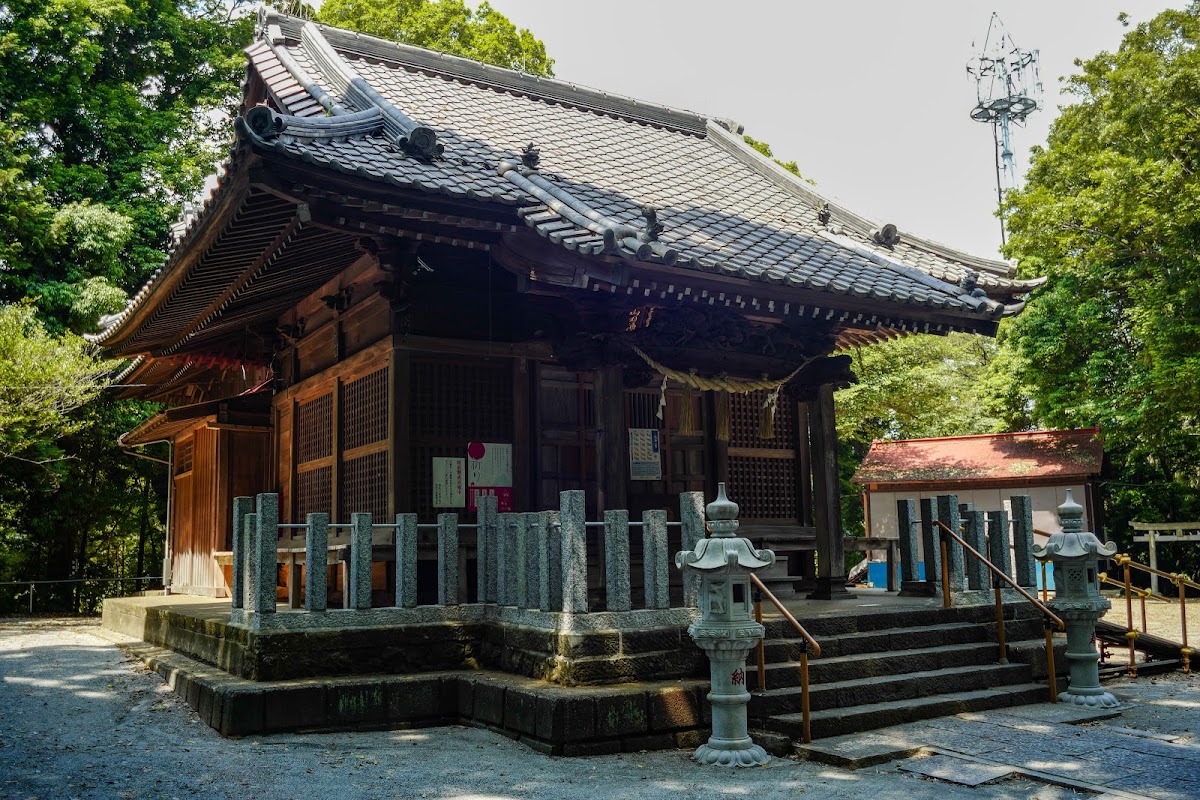
In March 1990 (Heisei 2), the main hall of Yamada Shrine was registered as a Yokohama City Historic Building. This recognized its architectural value and historical importance. Even today, the main hall is beautifully preserved and welcomes visitors.
Subsidiary Shrines (Auxiliary Shrines)
Within the grounds of Yamada Shrine, there are several subsidiary shrines (absentary shrines). These were worshipped as independent shrines before the merger, or were later established.
Kasuga Shrine
This shrine enshrines a divided spirit of Kasuga Taisha Shrine. Kasuga Shrine is known as the tutelary shrine of the Fujiwara clan and enshrines Takemikazuchi-no-Mikoto, Futsunushi-no-Mikoto, Amenokoyane-no-Mikoto, and Himegami. It is worshipped as the god of learning and military fortune.
Ishi Shrine
This shrine preserves an ancient form of worship where a stone is the sacred object. Stone worship is a form of ancient Japanese nature worship and is worshipped as a guardian deity of the region.
Inari Shrine
This shrine enshrines Ukanomitama-no-Kami and is worshipped as the god of abundant harvests and business prosperity. Inari worship is one of the most widely practiced forms of Shinto in Japan and occupies an important position within the grounds of Yamada Shrine.
Each of these shrines within the grounds possesses its own unique divine virtues and responds to the diverse wishes of worshippers.
Highlights of Yamada Shrine
Main Hall Registered as a Historic Building
The main hall, registered as a historical building by Yokohama City in 1990, is the greatest highlight of Yamada Shrine. The shrine retains the characteristics of Meiji-era shrine architecture, featuring intricate carvings and decorations. While the architectural style is based on the Shinmei-zukuri style, it possesses a unique form due to its history of merging multiple shrines.
A Bell at a Shrine?
Yamada Shrine boasts a magnificent bell, unusual for a shrine, dating back over 100 years. This is a remnant of the Myoken Shrine’s original syncretic Shinto-Buddhist belief system. Before the Meiji-era separation of Shinto and Buddhism, the integration of Shinto shrines and Buddhist temples was common, and the Yamada Shrine bell is a valuable legacy that conveys this history.
The Sacred Pond and Back Approach
The sacred pond, associated with the legend of the divine serpent, is an important element in creating the mystical atmosphere of Yamada Shrine. The back approach leading to the pond is called “Sacred Pond Path,” offering a tranquil walk.
The sacred pond still holds water and is home to turtles, considered messengers of the gods. Surrounded by trees, the pond offers a healing space that allows you to forget the hustle and bustle of the city. ### Water Basin and Place of Worship
The water basin at Yamada Shrine is a place for purifying the mind and body before worship. Pure water constantly flows, welcoming visitors.
Furthermore, a place of worship is provided within the shrine grounds. The direction indicated by the green triangular stone on the right points towards Ise Grand Shrine. At this place of worship, one can worship Ise Grand Shrine from afar, expressing reverence for Amaterasu Omikami.
Turtle Ema (Votive Tablets)
Many votive tablets depicting turtles are offered at Yamada Shrine. This stems from the belief that turtles in the sacred pond are messengers of the gods. Turtles are also symbols of longevity, and worshippers offering these tablets pray for good health, long life, and family safety.
Topography and Landscape of Yamada Shrine
Former Scenic Beauty
According to old historical records, the sacred grounds of Yamada Shrine were formerly known for their exceptional scenic beauty. From the front of the shrine, one could see the Nakagawa rice paddies, with the clear stream of Hayabuchi flowing between them. Behind the shrine, hills met each other, connecting to the distant green mountains of Yamauchi, creating a perfect, ethereal atmosphere of the sacred grounds.
Although the landscape has changed due to surrounding development, the shrine grounds still retain a rich natural environment, allowing one to feel the remnants of the past.
The Place Name “Yamata”
The place name Yamata is said to mean “rice fields in the mountains.” This region is a mix of hilly terrain and rice paddies, and agriculture has been practiced here since ancient times. Yamata Shrine developed as a place of worship closely intertwined with this agricultural culture.
The meaning embedded in the place name still reflects the significance of Yamata Shrine today. Its history as a shrine that prays for abundant harvests and protects the region’s agriculture and livelihoods is reflected in the place name.
The Traditional Festival “Mushiokuri”
Yamata Shrine has traditionally held the “Mushiokuri” festival. The Mushiokuri festival is an agricultural ritual to drive away pests in rice cultivation and pray for a bountiful harvest.
This festival, which has continued since the Edo period, involves villagers carrying torches parading along the rice paddy paths, beating drums and bells to drive away pests. While pest damage has decreased in modern times due to advances in pesticides, the festival remains a cherished tradition.
The Mushiokuri festival is a testament to Yamada Shrine’s deep roots in the community as an agricultural deity, and it is an important festival that conveys prayers for a good harvest.
Annual Festivals
Yamada Shrine holds various festivals throughout the year. The main festivals are as follows:
Grand Festival
This is Yamada Shrine’s most important festival, held every autumn. A grand festival is held involving the entire community, including a procession of portable shrines and devotional performances. Parishioners and devotees gather to express gratitude for the past year and pray for prosperity in the coming year.
New Year’s Day Festival
This festival celebrates the start of the new year and prays for peace throughout the year. Many visitors come for their first shrine visit of the year, vowing their New Year’s resolutions before the gods.
Other Festivals
- Spring Festival
- Summer Purification Ceremony
- Autumn Festival
- Niiname-sai (Harvest Festival)
- Year-End Purification Ceremony
These festivals are based on traditional Japanese annual events and shape the rhythm of local religious life.
Access
Access by Train
Approximately a 10-minute walk from Higashi-Yamada Station on the Yokohama Municipal Subway Green Line. Head towards the old Nakahara Road from the station, and after passing through the residential area, you will see the torii gate of Yamada Shrine.
Access by Car
Located along the old Nakahara Road, it is also easily accessible by car. However, parking space is limited, so we recommend using public transportation during major festivals.
Nearby Attractions
Around Yamada Shrine, there are many spots where you can experience the history and nature of Tsuzuki Ward. You can also enjoy exploring the surrounding area during your visit.
Etiquette for Visiting
Here are the basic etiquette rules for visiting Yamada Shrine.
How to Walk Along the Approach
Bow when passing through the torii gate. Avoid walking in the center of the approach, as it is considered the path of the gods.
How to Wash Your Hands
- Take the ladle in your right hand and wash your left hand.
- Switch the ladle to your left hand and wash your right hand.
- Take the ladle back in your right hand, receive water in your left hand, and rinse your mouth.
- Wash your left hand.
- Stand the ladle upright to wash the handle and return it to its original position.
How to Bow
At Yamada Shrine, bow using the “two bows, two claps, one bow” method.
- Place your offering in the offering box.
- Ring the bell.
- Bow deeply twice.
- Clap your hands twice.
- Silently recite your wish.
- Finally, bow deeply once.
Shrine Office and Goshuin (Shrine Seals)
At the shrine office of Yamada Shrine, amulets, talismans, and votive tablets are available. The turtle-shaped votive tablets are particularly popular as a unique item offered at Yamada Shrine.
Goshuin (shrine seals) are also available, but the shrine priests may be absent due to outings, etc. If you wish to receive a Goshuin, it is recommended to inquire with the shrine in advance.
The Significance of Yamada Shrine
Yamada Shrine is not merely a historical building or tourist spot. For over a thousand years, it has been the center of faith for the people of this region, sharing both their joys and sorrows.
From the ancient rice-farming culture, the faith of samurai in the Middle Ages, the village communities of the early modern period, to the modern urbanized society. Even as times change, Yamada Shrine has always remained a spiritual pillar for the community. The history of enshrining 13 deities together demonstrates the tolerance and inclusiveness of the region’s diverse beliefs. Furthermore, the legend of the divine snake and the worship of turtles convey the Japanese spirit of valuing harmony with nature.
Even today, Yamada Shrine functions as a central hub for the local community. Festivals serve as a place for residents to interact, and the shrine grounds are cherished as a space for relaxation. In the increasingly urbanized Tsuzuki Ward of Yokohama City, Yamada Shrine is a valuable presence that conveys history and tradition to the present day.
Precautions for Visiting
Please note the following points when visiting Yamada Shrine:
Attire
As this is a sacred place, please avoid revealing clothing and wear clean attire. Formal attire is especially desirable if receiving prayers.
Photography
Photography is generally permitted within the shrine grounds, but photography inside the main hall or during festivals may be restricted. It is recommended to check before taking photographs.
Pets
Regulations regarding bringing pets onto the shrine grounds vary by shrine. We recommend checking in advance.
Prayer Reservations
Reservations may be required for prayers. Also, priests may be absent due to outings, etc., so please inquire with the shrine in advance.
Yamada Shrine’s Monthly Message
Yamada Shrine displays a “Monthly Message,” offering lessons and seasonal words for visitors. These messages convey traditional Japanese values and views of nature, providing much insight for those of us living in the modern age.
When visiting, please take a look at this “Monthly Message” and keep it in mind.
Summary
Yamada Shrine, located in Minami-Yamada-cho, Tsuzuki-ku, Yokohama City, is a historical shrine with origins in the Suwa Shrine, founded in 860 (Jogan 2), and was established in 1910 (Meiji 43) by merging 13 shrines on the site of the Myoken Shrine, founded in 1445 (Bun’an 2).
Yamada Shrine enshrines numerous deities, including Amaterasu Omikami and Takeminakata-no-kami, and offers diverse blessings such as family safety, business prosperity, protection from evil, and academic success. In 1990, the main hall was registered as a Yokohama City Historic Building, recognizing its architectural and historical value.
With its unique worship practices, including a sacred pond associated with a legend of a divine serpent, a rare temple bell, and votive turtle paintings, the shrine preserves the history and culture of the region. Several smaller shrines, such as Kasuga Shrine, Ishi Shrine, and Inari Shrine, are also located within the grounds, catering to diverse religious beliefs.
Its convenient location, approximately a 10-minute walk from Higashi-Yamada Station, attracts many visitors, not just local residents. In the increasingly urbanized Tsuzuki Ward of Yokohama City, Yamada Shrine continues to play a vital role as a center of the local community, preserving its history and traditions.
Why not visit Yamada Shrine, with its history spanning over a thousand years, and experience its solemn atmosphere and lush natural surroundings in a peaceful setting?