Heidenji Temple Complete Guide | History and Highlights of Shizuoka Prefecture’s Oldest Rinzai Zen Temple with National Treasures
Located in Makinohara City, Shizuoka Prefecture, Heidenji Temple is one of the oldest Zen temples in the Enshu region, founded in 1283 during the Kamakura period. This ancient temple, belonging to the Myoshinji branch of the Rinzai school, is known for possessing the oldest of the eight National Treasures in Shizuoka Prefecture: the “Imperial Edict of Emperor Shomu.”
This article comprehensively introduces information you should know before visiting Heidenji Temple, from its historical background to its National Treasures, cultural properties, highlights within the temple grounds, and access information.
History and Origins of Heidenji Temple
Founding in the Kamakura Period and Founding Abbot Ryūhō Kōun Zenji
Heidenji Temple was founded in 1283 by Ryūhō Kōun Zenji. Zen Master Ryūhō Kōun was the son of Uesugi Yorishige and is said to have been the uncle of Ashikaga Takauji, the first shogun of the Muromachi shogunate. Due to the noble lineage of its founder, Hirata-ji Temple was positioned as a temple of high status from its inception.
Hirata-ji Temple, whose mountain name is Kyūkōzan, is a Rinzai Zen temple that has played a central role in Buddhist culture in the Enshū region since the Kamakura period. As an ancient temple boasting a history of over 740 years since its founding, it continues to attract the faith of the local community.
Transition from the Sengoku Period to the Edo Period
Hirata-ji Temple, as a powerful temple in the Sagara region, was revered by numerous warlords, including the Imagawa, Takeda, and Tokugawa clans. In the medieval period, temples were not merely religious facilities but also centers of regional politics and culture, and Hirata-ji Temple was no exception.
However, the main hall was destroyed by fire during the turmoil at the end of the Sengoku period. Although this historical loss was significant, the main hall was rebuilt in 1786 (Tenmei 6) during the mid-Edo period by Tanuma Okitsugu, the lord of the Sagara domain. Tanuma Okitsugu was a well-known senior official of the Edo shogunate, and under his patronage, Hirata-ji Temple was able to regain its former grandeur.
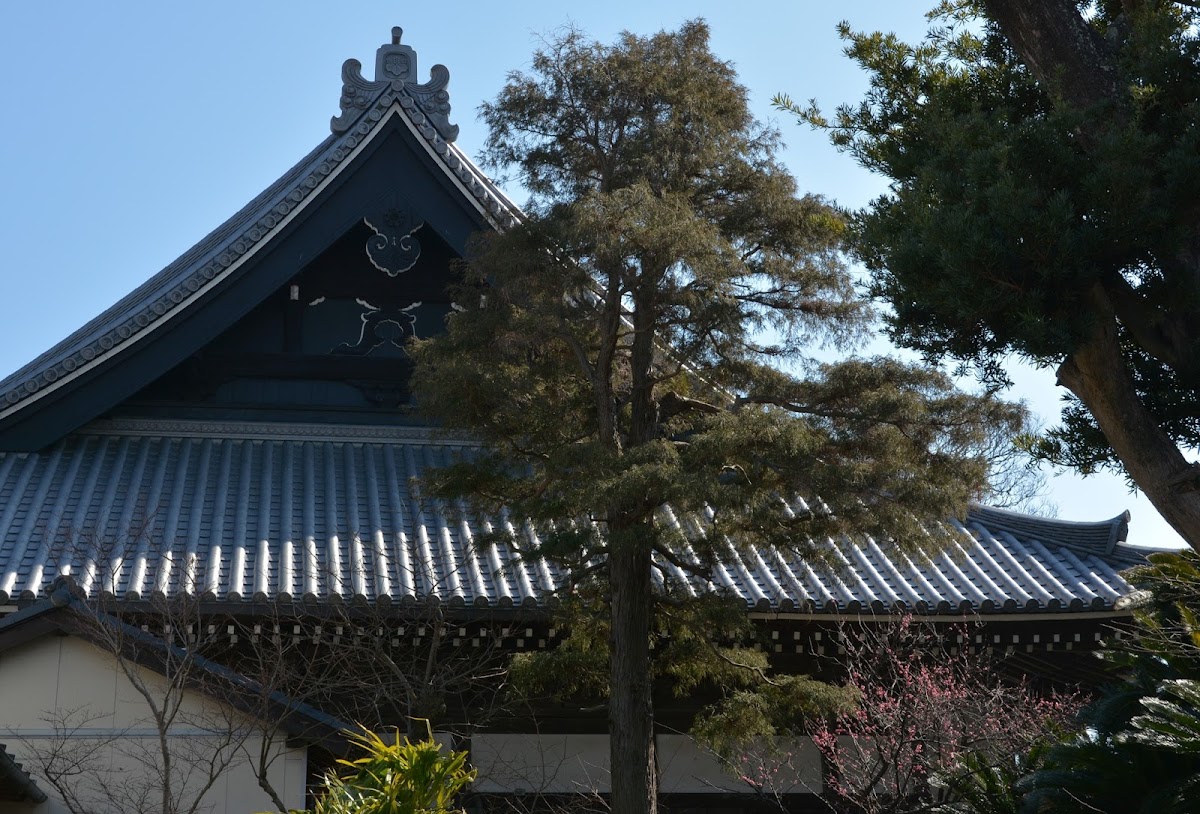
This rebuilt main hall still stands today, a valuable structure that preserves the architectural style of the mid-Edo period.
Hirata-ji Temple After the Meiji Restoration
Despite the impact of the anti-Buddhist movement after the Meiji Restoration, Hirata-ji Temple continued to exist as a center of local faith. Currently belonging to the Myoshin-ji branch of the Rinzai school, it is an important cultural property of Makinohara City, Shizuoka Prefecture, and a tourist attraction, welcoming many worshippers and history enthusiasts.
The Value of the National Treasure “Emperor Shomu’s Imperial Rescript”
Shizuoka Prefecture’s Oldest National Treasure
The greatest treasure possessed by Hirata-ji Temple is the “Emperor Shomu’s Imperial Rescript,” designated as a National Treasure. This imperial decree was issued by Emperor Shomu in the 21st year of the Tenpyo era (749 AD) during the Nara period, and is considered the oldest of the eight national treasures located in Shizuoka Prefecture.
Emperor Shomu prayed for “peace and harmony throughout the land” and donated land and property to 12 major temples throughout Japan, including Todai-ji Temple. This decree is the imperial edict issued at that time, and is an extremely important historical document for understanding Buddhist policy and the way the state was governed at the time.
Historical Significance of the Imperial Decree
Emperor Shomu’s imperial decree is a first-class historical document that shows the relationship between Buddhism and the state during the Nara period. Emperor Shomu’s reign, as symbolized by the construction of the Great Buddha, was an era in which Buddhism was the cornerstone of national governance, and this decree serves as concrete evidence of that policy.
Hirata-ji Temple was founded in 1283, more than 500 years after the date of the decree (749 AD). There are various theories as to how this precious imperial decree came to be held at Hirata-ji Temple, but it can be said to demonstrate Hirata-ji Temple’s status as an influential temple in the Sagara region.
Non-Public Cultural Properties
Unfortunately, this national treasure is usually not open to the public, and ordinary visitors cannot see it directly. It is strictly managed from the perspective of preserving valuable cultural properties. However, it may be displayed on special occasions or for research purposes, so those interested are advised to check in advance.
Cultural Properties and Temple Treasures of Hirata-ji Temple
Prefectural and Municipal Designated Cultural Properties
In addition to national treasures, Hirata-ji Temple houses many other valuable cultural properties. Many are registered as prefectural or municipal designated cultural properties, making the entire temple a treasure trove of cultural assets.
Valuable cultural properties from the Kamakura period to the Edo period, including Buddhist statues such as the gilded bronze Kannon statue, ancient documents, and paintings, have been passed down, telling the story of Hirata-ji Temple’s long history and importance to the region.
Stone Pagoda (Tahōtō)
To the right of the temple grounds stands an old, weathered stone pagoda (Tahōtō). While weathered over many years, its appearance clearly demonstrates the characteristics of medieval stone art, making it an important historical relic that conveys the depth of Hirata-ji Temple’s history.
Stone pagodas are a type of memorial tower that was frequently constructed from the Kamakura period to the Muromachi period, and Hirata-ji Temple’s pagoda may also tell the story of its founding.
Highlights of the Temple Grounds
Main Hall and Temple Layout
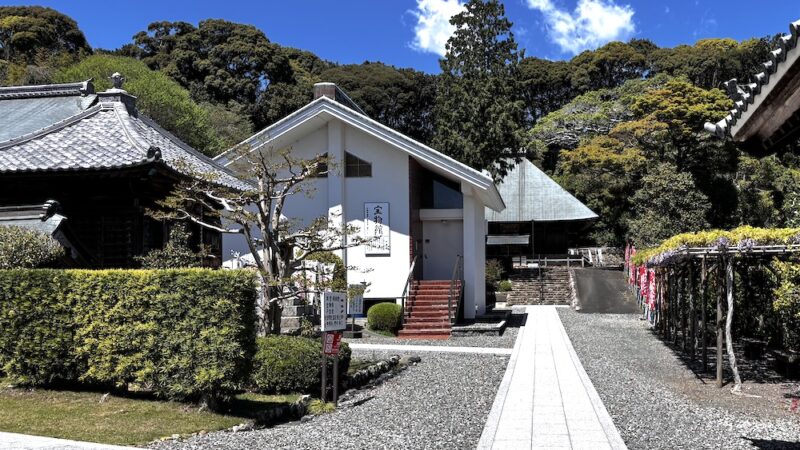
The main hall, rebuilt in 1786 by Tanuma Okitsugu, exhibits characteristics of mid-Edo period Zen Buddhist architecture. The principal image is Shakyamuni Buddha, and the hall possesses a simple yet solemn atmosphere typical of Zen temples.
The temple grounds are surrounded by a pine forest, and the dense pines create a solemn religious atmosphere. The spacious grounds exude the dignity of a Zen temple, offering visitors a tranquil and peaceful experience.
Pine Forest and Natural Environment
A defining feature of Hirata-ji Temple’s grounds is its vast area densely covered with pine trees. This pine forest is not merely a scenic element; it has served as a training environment for Zen practitioners and as a windbreak for the region.
Located west of Sagara Port, at the foot of a beautifully shaped mountain known locally as “Sagara Fuji,” Hirata-ji Temple enjoys a privileged natural environment. The quiet surroundings of the pine forest provide an ideal space to experience the spirit of Zen.
Grave and Memorial of Tamaki Miura
Within the temple grounds lies the grave of Tamaki Miura, a world-renowned opera singer. Tamaki Miura was a leading Japanese soprano who achieved international fame for her role in “Madame Butterfly,” and her grave was established here due to her connection with Hirata-ji Temple.
A monument has also been erected, and the temple attracts many visitors, including music fans and those who wish to commemorate the achievements of Tamaki Miura. The presence of a grave of a modern Japanese cultural figure within a historical Zen temple demonstrates that Hirata-ji Temple has remained a cultural hub across generations.
Hirata-ji Temple’s Connection to the Region
Role in the History of the Sagara Region
Hirata-ji Temple is not merely a religious facility; it has played a crucial role in the history of the Sagara region. In the Middle Ages, it received patronage from samurai warriors, and in the Edo period, it was rebuilt by Tanuma Okitsugu, the lord of the Sagara domain, always remaining a central presence in the region.
Even today, it remains an important historical asset of Makinohara City, forming one of the elements that shape the region’s identity. For the local people, Hirata-ji Temple is a cultural heritage inherited from their ancestors and a source of pride.
Value as a Tourism Resource
As a temple housing national treasures, Hirata-ji Temple is also an important tourism resource for Makinohara City. It attracts a diverse range of visitors, including history enthusiasts, cultural property fans, and those interested in Zen.
As a temple possessing one of Shizuoka Prefecture’s eight National Treasures, it is a highly worthwhile spot for tourists from both within and outside the prefecture.
Access and Visiting Information
Location and Basic Information
Address: Ooe, Makinohara City, Shizuoka Prefecture
Hirata-ji Temple is located near Sagara Port in Makinohara City, making it easily accessible from central Shizuoka Prefecture.
Transportation Access
Public Transportation:
The temple is accessible on foot from the nearest station. For detailed access information, it is recommended to inquire with the Makinohara City Tourism Association or the temple in advance.
Car:
If using the Tomei Expressway, the temple is accessible by car from the nearest interchange. There is parking available for visitors on the temple grounds.
Notes for Visitors
Hirata-ji Temple is a temple that continues to engage in religious activities. Please note the following points when visiting the temple:
- The national treasure “Emperor Shomu’s Imperial Edict” is usually not open to the public.
- Please pray quietly within the temple grounds.
- Please take photographs only within permitted areas.
- To protect cultural properties, please refrain from entering areas other than those designated.
Contact Information
For detailed information such as visiting hours and whether there are any special viewings, please contact the temple directly or the Makinohara City Tourism Association. It is especially important to check in advance for information on events such as special exhibitions of national treasures.
Nearby Tourist Attractions
Highlights of Makinohara City
When visiting Hirata-ji Temple, we recommend also visiting other tourist attractions in Makinohara City.
Around Sagara Port: Sagara Port, located near Hirata-ji Temple, was once a hub for maritime transport and still functions as a vibrant fishing port. There are many restaurants where you can enjoy fresh seafood.
Makinohara Plateau: Known as one of Japan’s leading tea-producing regions, the Makinohara Plateau offers beautiful views of tea plantations. Tea picking experiences and tea factory tours are also available.
Other National Treasures in Shizuoka Prefecture
Shizuoka Prefecture has eight National Treasures, including the Emperor Shomu’s Imperial Edict at Hirata-ji Temple. Those interested in visiting National Treasures should also consider visiting other National Treasures.
Annual Events at Hirata-ji Temple
As a Rinzai Zen temple, Hirata-ji Temple holds various Buddhist services and events throughout the year. Zen meditation sessions are also held, and the general public may be able to participate.
For detailed information on annual events, please contact the temple directly or check the Makinohara City tourist information.
Summary: The Charm and Significance of Visiting Hirata-ji Temple
Hirata-ji Temple, with its history of over 740 years since its founding in 1283, is the oldest Zen temple in Enshu and holds a special place among Shizuoka Prefecture’s cultural heritage.
Main Features of Hirata-ji Temple:
- An ancient temple of the Myoshin-ji branch of the Rinzai school, founded in 1283
- Houses the oldest national treasure in Shizuoka Prefecture, the “Imperial Edict of Emperor Shomu”
- Founded by Zen Master Ryuho Koun, uncle of Ashikaga Takauji
- Main hall rebuilt by Tanuma Okitsugu (1786)
- Majestic grounds surrounded by pine trees
- Burial place of world-renowned opera singer Miura Tamaki
Hirata-ji Temple, possessing national treasures, is not only of high cultural value but also functions as a center of local faith, making it a precious space where history and the present coexist.
When visiting Shizuoka Prefecture, be sure to visit Hirata-ji Temple and experience the spirit of Zen that has continued since the Kamakura period, as well as its precious cultural assets, including national treasures. Spending time in the tranquil grounds surrounded by pine trees will be a special experience away from everyday life.
Hirata-ji Temple, where you can experience the rich nature and historical culture of Makinohara City, is a hidden gem of a temple in Shizuoka Prefecture and well worth visiting.