Complete Guide to Daitakuji Temple: History, Highlights, and Access Information
Daitakuji Temple is a well-known temple name found throughout Japan. This article provides comprehensive information useful for those considering a visit, covering its historical background, architectural style, highlights within the temple grounds, worship procedures, and access information.
What is Daitakuji Temple?
There are several temples named Daitakuji throughout Japan. Each temple has its own unique history and characteristics, and has long been cherished as a center of local faith. The name “Daitakuji” evokes images of abundant water and vast land, and in many cases, these temples are built in naturally blessed environments.
Origin of the Name Daitakuji Temple
The place name and temple name “Daitakuji” have been found throughout Japan since ancient times. This often originates from the region’s topography or water sources, and has been used to represent a rich natural environment. As a temple name, “Daitakuji” reflects the characteristics of the land and is deeply connected to the faith of the local residents.
History of Osawa-ji Temple
Osawa-ji temples throughout Japan were founded under different historical contexts. Many were established between the Heian and Kamakura periods, built by influential local figures and ascetic monks.
Background of Founding
Many Osawa-ji temples were founded by local powerful families and devout believers during the process of Buddhism spreading throughout Japan. People at that time needed temples to spread Buddhist teachings in their communities and to serve as places for prayer and memorial services. It is believed that Osawa-ji temples were born in response to these needs of the times.
Changes Through the Ages
Since its founding, Osawa-ji temples have experienced numerous changes throughout history. Some temples were caught in the ravages of war during the Sengoku period, and during the Edo period, they became deeply rooted in local communities with the establishment of the danka system (parishioner system). Although they faced difficulties during the anti-Buddhist movement after the Meiji Restoration, they survived with the support of local residents and continue to exist today.
Changes Through the Ages
Since its founding, Osawa-ji temples have experienced many changes throughout history. Some temples were caught in the ravages of war during the Sengoku period, and during the Edo period, they became deeply rooted in local communities with the establishment of the danka system. ### Successive Chief Priests and the Temple’s Development
The history of Osawa-ji Temple has been supported by the efforts of successive chief priests. Each chief priest not only spread Buddhist teachings but also engaged in a wide range of activities, including temple maintenance, promotion of cultural activities, and contributions to the local community. These efforts have shaped Osawa-ji Temple into what it is today.
Sect and Principal Image
The sect of Osawa-ji Temple varies depending on its location and founding history. Temples belonging to major Japanese Buddhist sects such as Tendai, Shingon, Soto, and Rinzai can be found.
Characteristics of the Sect
Each sect has its own unique doctrines and methods of practice. Tendai considers the Lotus Sutra as its fundamental scripture, while Shingon emphasizes the practice of esoteric Buddhism. Soto and Rinzai Zen sects are characterized by practice centered on seated meditation (zazen). The atmosphere of the temple and the content of its events also differ depending on the sect to which Osawa-ji Temple belongs.
Main Image and Attendant Deities
The main image enshrined at Osawa-ji Temple varies depending on the sect and local beliefs. A diverse range of Buddhist statues, including Amida Buddha, Shakyamuni Buddha, Yakushi Buddha, and Kannon Bodhisattva, are enshrined as the main image. Attendant deities are typically placed on either side of the main image, creating a three-figure arrangement.
Highlights of the Temple Grounds
The grounds of Osawa-ji Temple offer numerous points of interest, including historically valuable buildings and beautiful gardens.
Main Hall (Kondo)
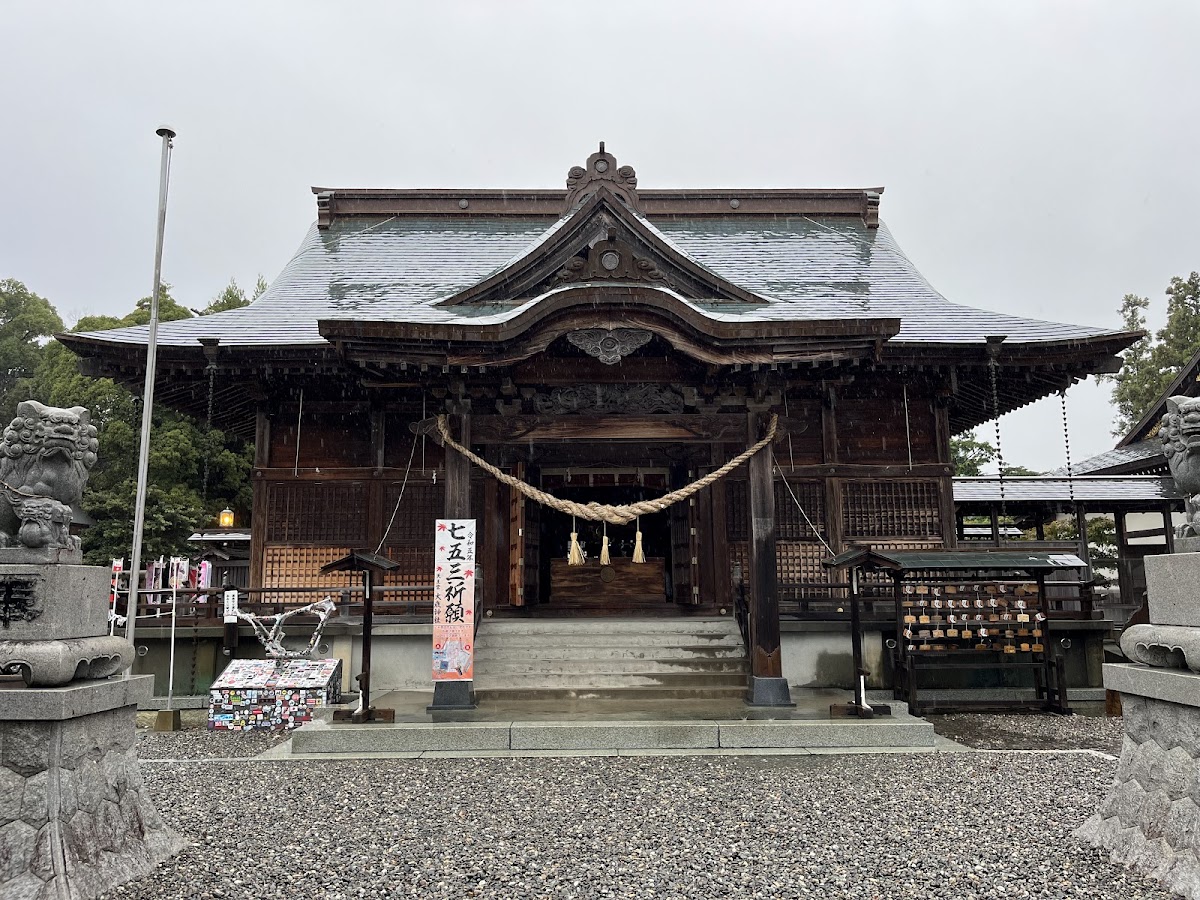
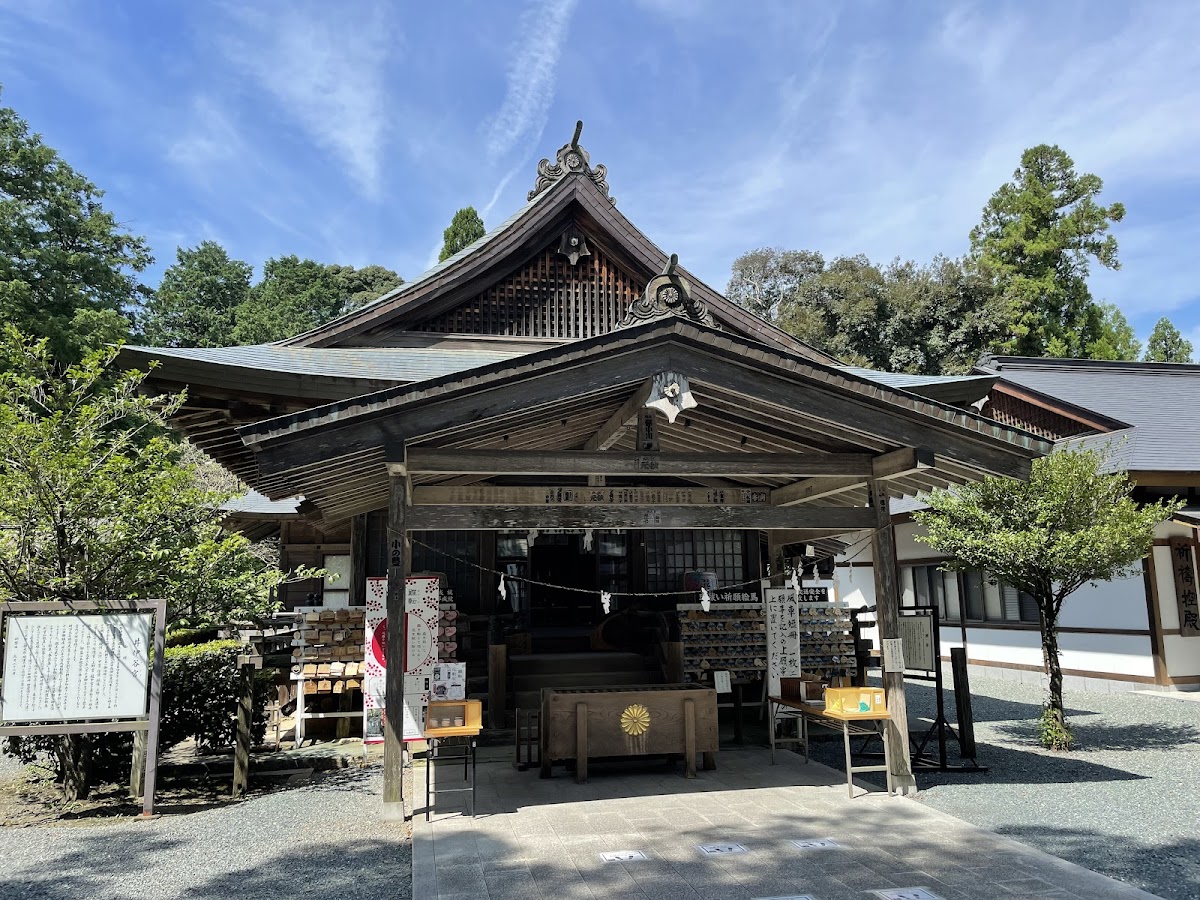
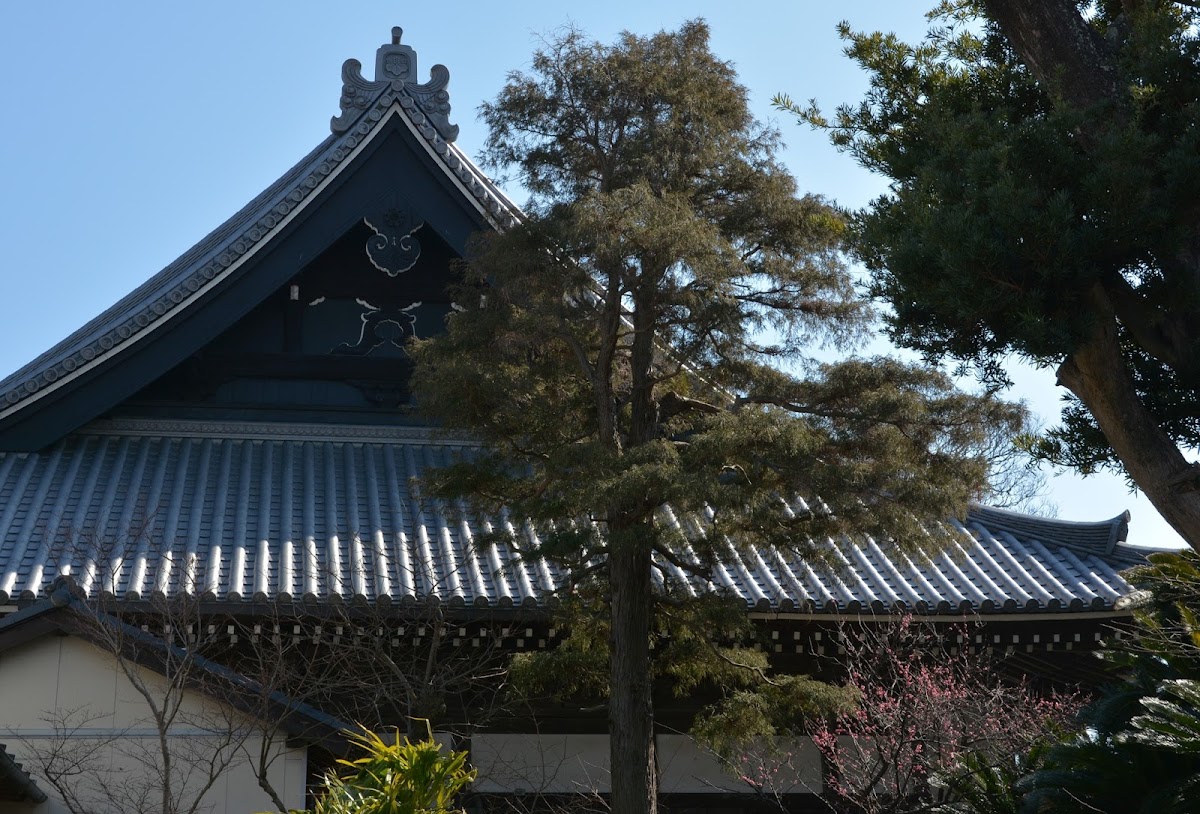
The main hall, the heart of the temple, is the most important building housing the main image. Many of Osawa-ji Temple’s main halls follow traditional Japanese architectural styles, allowing visitors to appreciate the architectural beauty of their hip-and-gable roofs and intricately carved transoms.
Temple Gate (Nio-mon)
The temple gate, standing at the entrance to the temple, is a symbolic structure separating the secular world from the sacred realm. In many cases, Nio statues (guardian deities) are enshrined, welcoming visitors. The architectural style of the temple gate also varies from temple to temple, with diverse forms such as the two-story gate style and the four-legged gate style being common.
Gardens and Natural Environment
Many Osawa-ji temples are located in areas rich in nature. The temple grounds feature dry landscape gardens and pond gardens, allowing visitors to enjoy the beauty of each season. They display different expressions with each season, such as cherry blossoms in spring, fresh greenery in early summer, autumn leaves, and snowscapes in winter.
Bell Tower and Bell
The bell tower is a building for hanging the temple bell. It has played a role in announcing the time of daily services, including the ringing of the bell at the end of the year, known as the New Year’s Eve bell. Older bells have inscriptions carved into them, making them valuable historical documents for understanding the temple’s history.
Treasure Hall and Cultural Properties
Osawa-ji temple houses valuable cultural properties that have been passed down through its long history. The temple houses a diverse collection of treasures, including Buddhist statues, paintings, scriptures, and crafts, which can sometimes be viewed during special exhibitions.
Annual Events and Memorial Services
Osawa-ji Temple holds various religious events and memorial services throughout the year.
New Year’s Events
To welcome the new year, the temple is bustling with visitors on New Year’s Day. A New Year’s memorial service called Shushō-e is held to pray for peace throughout the year.
Spring Events
In spring, the Hanamatsuri (Buddha’s Birthday) is held to celebrate the birth of Buddha. Ancestor memorial services are also held during the spring equinox. During cherry blossom season, events to admire the cherry blossoms on the temple grounds are sometimes held.
Summer Events
During Obon, the Urabon-e is held to commemorate the spirits of ancestors. The Segaki-e (feeding of hungry ghosts) ceremony is also an important summer Buddhist service. Traditional local events such as lantern floating and Bon Odori (Bon dance) are sometimes held on the temple grounds.
Autumn Events
In addition to the autumn equinox services, some temples offer special viewings and nighttime illuminations during the autumn foliage season. Harvest thanksgiving services are also held, showcasing the deep connection between local agriculture and faith.
Winter Events
On New Year’s Eve, the temple bell is rung to dispel the 108 worldly desires. Many temples allow general visitors to ring the bell, allowing them to experience the solemn atmosphere of welcoming the new year.
Etiquette and Manners for Visiting
When visiting Osawa-ji Temple, it is important to know the basic etiquette for visiting.
Etiquette at the Temple Gate
When passing through the temple gate, bow before entering. Since the center of the gate is considered the path for Buddha and gods, it is polite to walk along the sides.
Purification at the Water Basin
Before approaching the main hall, purify your hands and mouth at the water basin. Scoop water with the ladle, purify your left hand, then your right hand, and finally rinse your mouth. Rinse the ladle handle with water before returning it.
Worship at the Main Hall
Before the main hall, quietly place your offering, then clasp your hands together and bow. Unlike Shinto shrines, clapping is not practiced. Pray wholeheartedly, and finally bow.
Manners on the Temple Grounds
Behave quietly on the temple grounds and be considerate of other worshippers. Photography is only permitted in designated areas; note that photography inside the main hall and of Buddha statues is often prohibited.
Access to Osawa-ji Temple
Access to Osawa-ji Temple varies depending on its location. General access methods are described below.
Access by Public Transportation
Many temples can be accessed on foot or by bus from the nearest station. The distance and travel time from the station vary depending on the temple, so it is recommended to check in advance. If using the bus, check the timetable and consider return trips if the route has infrequent service.
Access by Car
If accessing by car, check the route from the nearest interchange in advance. Entering the temple name into your car’s navigation system will usually provide directions. It’s also a good idea to check the availability and capacity of parking in advance.
Parking Information
Many temples have parking lots for visitors. Some are free, others are paid. During major events, congestion is expected, so aim to arrive early or consider using public transportation.
Visiting Information
Before visiting Osawa-ji Temple, please check the basic information regarding visiting hours.
Visiting Hours
Generally, temple visiting hours are from 9 AM to 4 PM or 5 PM. Closing times may vary depending on the season. Special visiting hours and events may differ from the usual hours.
Admission Fee
While entry to the temple grounds is free at many temples, there may be a fee for special viewings of the main hall, treasure hall, gardens, etc. Fees vary by temple, but are generally around 300 to 500 yen.
Closed Days
Many temples are open year-round, but facilities such as treasure halls may be closed on specific days or during certain periods. Also, general admission may be restricted during religious services or events, so it is recommended to check in advance.
Nearby Tourist Attractions
When visiting Osawa-ji Temple, you can enjoy a more fulfilling trip by also visiting nearby tourist attractions.
Nearby Temples and Shrines
Many other historical temples and shrines are scattered around Osawa-ji Temple. Planning a temple and shrine pilgrimage route will allow you to gain a deeper understanding of the local religious culture.
Historical Buildings
Some areas around temples retain old townscapes and historical buildings. Visiting samurai residences, merchant houses, and old private houses allows you to experience the lifestyle and culture of the time.
Natural Scenery
Osawa-ji Temple is located in a naturally rich environment, making the surrounding hiking trails and observation decks particularly appealing. You can refresh your mind and body while enjoying the changing seasons.
Cultural Significance of Osawa-ji Temple
Osawa-ji Temple has played an important role not only as a religious facility but also as a cultural center of the region.
Connection with the Local Community
Temples have long contributed to various aspects of the local community, including education, healthcare, and welfare. They have taught reading and writing to children as temple schools, provided relief for the poor, and served as the center of local festivals and events.
Protection of Cultural Properties
Osawa-ji Temple also plays a role in protecting and passing on valuable cultural properties. A variety of cultural assets, including buildings, Buddhist statues, paintings, crafts, and ancient documents, are protected by the temple and passed down to future generations.
Art and Faith
Temples have also been places of artistic activity. Various arts and cultures, such as Buddhist art, calligraphy, tea ceremony, and flower arrangement, have developed on the temple grounds. Osawa-ji Temple may have also functioned as a center for such cultural activities.
Training and Experience Programs
In recent years, many temples have offered programs that allow the general public to experience Buddhist culture.
Zen Meditation Experience
Some Zen temples offer Zen meditation experiences. Instruction for beginners is also provided, offering a valuable opportunity to calm the mind and confront oneself.
Sutra Copying Experience
Copying Buddhist scriptures is believed to enhance concentration and calm the mind. Many temples offer sutra copying experiences, and even beginners can easily participate.
Shojin Ryori (Vegetarian Cuisine)
Some temples offer shojin ryori (vegetarian cuisine) based on Buddhist teachings. Made using only plant-based ingredients such as vegetables and tofu, without meat or fish, shojin ryori is a healthy and flavorful food culture.
Temple Lodging Experience
Some temples operate temple lodgings (accommodations attached to the temple), which are open to the public. Guests can experience daily temple life by participating in morning services and listening to monks’ talks. ## Preservation and Future of Osawa-ji Temple
The preservation and transmission of historical temples is a crucial issue in modern society.
Building Maintenance
Temple buildings, being wooden structures, require regular repairs. Maintenance is carried out using traditional techniques, including roof replacement, reinforcement of pillars and beams, and repainting.
Cultural Property Protection Activities
Protecting cultural properties held by temples requires appropriate environmental management and restoration. Regular surveys and restoration work by experts ensure the preservation of valuable cultural heritage.
Collaboration with the Community
The preservation and utilization of temples require the cooperation of local residents, government, and experts. Many temples conduct preservation activities and cultural events in collaboration with the community.
Passing on to the Next Generation
Passing on the traditions and culture of temples to the next generation is a crucial issue in modern society. Various initiatives are being undertaken, including Buddhist education for young people, promotion of temple culture, and information dissemination using digital technology.
Advice for Visitors
Here is some practical advice to help you when visiting Osawa-ji Temple.
Attire
While no special attire is required for temple visits, it is polite to avoid revealing or flashy clothing. Especially when entering the main hall, please be considerate and remove your hat.
What to Bring
If you collect temple stamps (Goshuin), please bring your stamp book. Comfortable walking shoes are recommended when walking around the temple grounds. Bringing a parasol or hat in the summer and warm clothing in the winter will make your visit more comfortable.
Photography Etiquette
Even in areas where photography is permitted, please be considerate of other visitors. Permission is required in advance for the use of tripods and commercial photography.
Respect for Silence
Temples are places of prayer and meditation. Please refrain from loud conversations and noisy behavior, and strive to maintain a quiet atmosphere.
Summary
Osawa-ji Temple, with its long history and rich culture, has been deeply rooted in the local community. The beautiful architecture of the temple grounds, the changing seasons, and the solemn religious ceremonies offer visitors much inspiration and learning.
Visiting a temple is not merely sightseeing; it’s a precious opportunity to experience traditional Japanese culture and spirituality. When visiting Osawa-ji Temple, respecting its history and culture and offering prayers with a quiet heart will lead to a deeper experience.
In modern society, temples have become havens for people seeking peace of mind. Osawa-ji Temple continues to provide tranquility and healing to its visitors. We encourage you to visit and experience its charm firsthand.
The preservation and continuation of temples are supported by the interest and support of each and every one of us. It is important that we continue to show interest so that the history and culture of Osawa-ji Temple can be passed on to future generations.