Complete Guide to Tokushoji Temple | Tracing the History of the Chūjōhime Legend and the Twenty-Five Bodhisattva Procession
Tokushoji Temple, located in Arida City, Wakayama Prefecture, is an ancient temple of the Seizan Jōdo sect, widely known as “the temple of Chūjōhime.” Situated at the foot of Mt. Hibari, this temple continues to fascinate many visitors with its deep history dating back to the Tenpyō period of the Nara era and the traditional events that are still passed down today.
This article provides a comprehensive explanation of Tokushoji Temple’s historical background, the details of the Chūjōhime legend, its valuable cultural assets, and the annual Twenty-Five Bodhisattva Procession.
History and Origins of Tokushoji Temple
Founding and the Legend of Chūjōhime
The history of Tokushoji Temple is deeply intertwined with the story of Chūjōhime, who was born in the 19th year of the Tenpyō era (747 AD) during the Nara period. According to the ancient record, the “Tokushōji Chronicle,” the temple was built in 759 AD (Tenpyō Hōji 3) on the site where Chūjōhime, the daughter of Fujiwara no Toyonari, the Minister of the Right at the time, perished.
Chūjōhime was a child conceived by Fujiwara no Toyonari and his wife after their prayers at Hase-dera Temple. However, her fate changed drastically when her mother, Murasaki no Mae, died when she was three years old, and when her father remarried Teruyo no Mae when she was seven. Persecuted by her stepmother, Chūjōhime was abandoned at the age of thirteen on Hibariyama in Itoga (the current location of Tokushōji Temple), far from the capital of Nara.
Three Years of Training and Copying of the Praise of the Pure Land Sutra
It is said that Chūjōhime, abandoned in this place, did not despair but embraced Buddhism, copying one thousand volumes of the “Praise of the Pure Land Sutra” within three years. This astonishing merit and faith became a legend passed down through generations.
The princess’s pure faith and life filled with hardship touched the hearts of many, and the area of Itoga came to be revered as a sacred place associated with Princess Chujo. Legend has it that she later returned to the capital, shaved her head at Taima-dera Temple, became a nun, and completed a mandala woven from lotus threads.
Development as a Temple
After Princess Chujo attained rebirth in paradise, Ito Harutoki, who served her, built a hermitage in this area and named it “An’yo-an,” which is considered the beginning of Tokusho-ji Temple. Later, it developed as a temple of the Seizan Jodo sect and has been affectionately known as “Chujo-hime-dera” (Princess Chujo Temple) to this day.
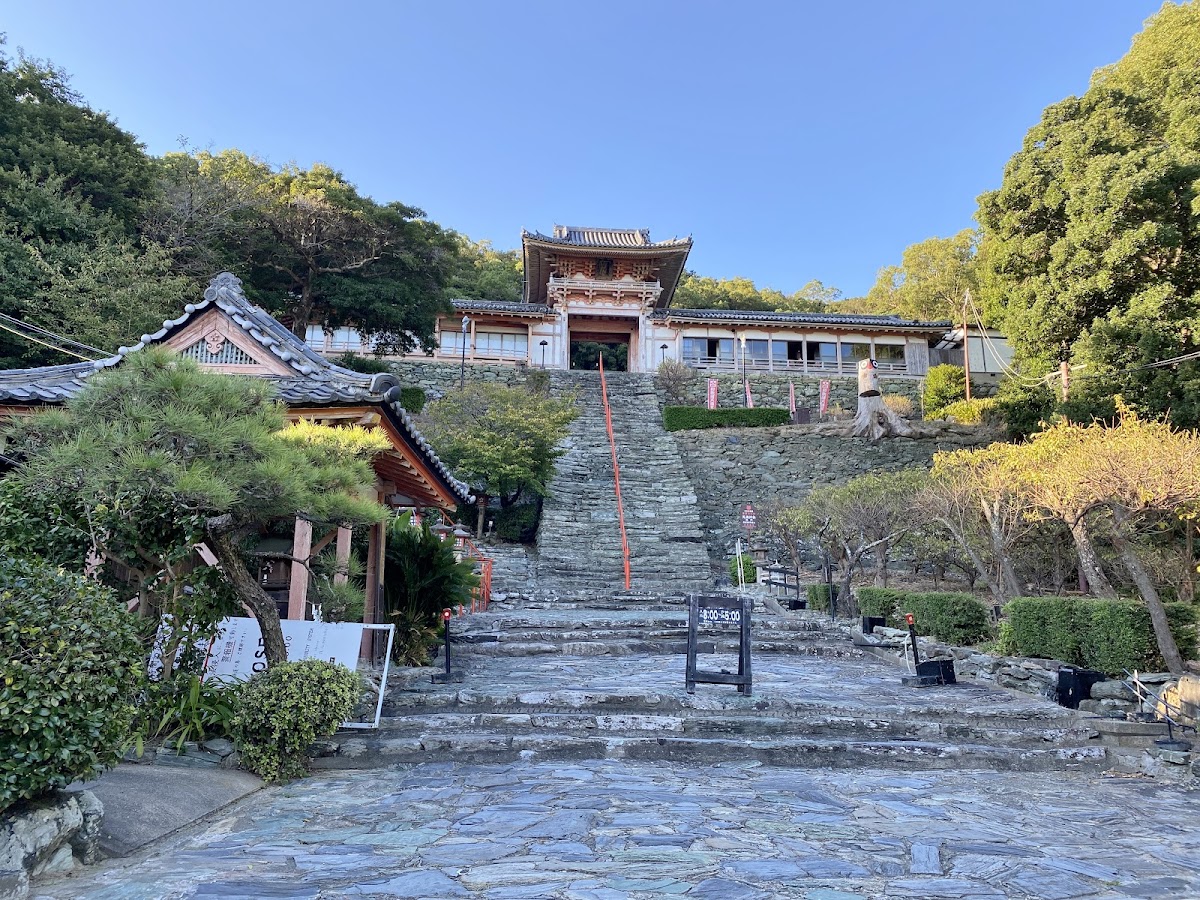
With its mountain name Hibari-yama and enshrining Amida Buddha as its principal image, Tokusho-ji Temple has been protected by the local people as a center of Pure Land Buddhism and as an important cultural heritage site that preserves the legend of Princess Chujo.
Temple Grounds Buildings and Highlights
Main Hall
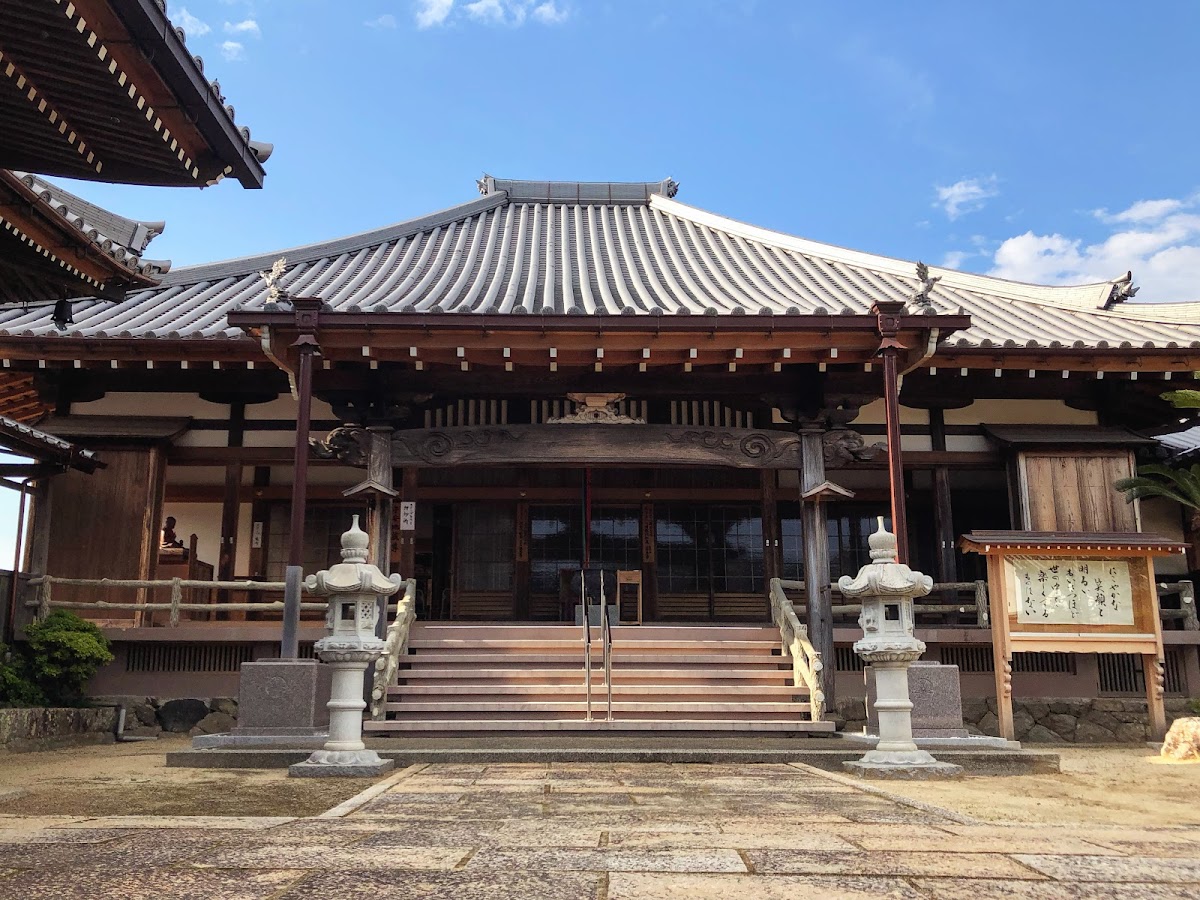
The main hall of Tokushoji Temple is the central building enshrining Amida Buddha as the principal deity. During the Twenty-Five Bodhisattva Procession held annually on May 14th, this main hall is the final destination, playing a crucial role as a sacred space symbolizing the Pure Land.
Inside the main hall are artifacts and Buddhist statues associated with Princess Chujo, allowing visitors to offer prayers in a serene atmosphere.
Founder’s Hall
The Founder’s Hall is a building constructed to commemorate the founding of Tokushoji Temple. During the Twenty-Five Bodhisattva Procession, this hall serves as the starting point, where children dressed as Bodhisattvas proceed to the main hall.
The path from the Founder’s Hall to the main hall represents Princess Chujo’s journey to the Pure Land and is an important stage in the Raigo-e ceremony.
Other Buildings
Besides the main hall and the founder’s hall, the temple grounds also contain the priest’s quarters, bell tower, and treasure house. These buildings maintain the temple’s functions while also serving to store and display valuable cultural artifacts.
The treasure house, in particular, houses numerous treasures related to Princess Chūjō, and can be viewed by reservation.
Cultural Properties and Temple Treasures of Tokushōji Temple
Nationally Designated Important Art Object: Taima Mandala Painting
The “Taima Mandala Painting (colored on silk)” owned by Tokushōji Temple is a valuable cultural artifact designated as a Nationally Important Art Object. This mandala painting depicts the imagery of a mandala said to have been woven by Princess Chūjō at Taima-dera Temple using lotus threads, and holds high value as an artistic expression of Pure Land Buddhism.
The Taima Mandala is a representative work of Pure Land Buddhist art, depicting in detail the Pure Land of Amida Buddha. The version housed at Tokushoji Temple is known for its special significance, deeply connected to the legend of Princess Chujo.
Lotus Thread Embroidered Triad Attributed to Princess Chujo
Within the temple grounds lies the “Lotus Thread Embroidered Triad,” attributed to Princess Chujo. This is a three-figure Buddha embroidery using threads taken from lotus stems, a precious artifact demonstrating Princess Chujo’s faith and artistic talent.
Lotus thread is extremely fine and difficult to work with, making this work a testament to the princess’s extraordinary skill and perseverance.
Three Sutras in Gold Ink on Dark Blue Ground and the Praising Pure Land Sutra
The “Three Sutras in Gold Ink on Dark Blue Ground,” attributed to Princess Chujo, is another important treasure of Tokushoji Temple. This sutra, with its text written in gold ink on dark blue paper, is a beautiful work that inherits the tradition of Heian period decorated sutras.
Furthermore, the “Sutra of Praise for the Pure Land,” which Princess Chujo is said to have copied over three years in Itoga, is an indispensable cultural asset when discussing the temple’s history. These scriptures convey the princess’s deep faith and scholarly aptitude.
Viewing Temple Treasures
These precious temple treasures are usually kept under strict security in the treasure house, but viewing is possible with prior reservation. This is a valuable opportunity to directly experience Princess Chujo’s faith and art, so we highly recommend making a reservation when visiting Tokushoji Temple.
Twenty-Five Bodhisattva Procession (Raigo-e Ceremony)
Overview and Historical Significance of the Event
The Twenty-Five Bodhisattva Procession, held annually on May 14th at Tokushoji Temple as part of the “Princess Chujo Memorial Ceremony,” is a representative traditional event of Tokushoji Temple. This ceremony recreates the scene of Princess Chujo’s journey to the Pure Land on the anniversary of her death, and is formally called the “Raigo-e Ceremony of Itoga Tokushoji Temple.”
In 1968, it was designated as a Wakayama Prefecture Intangible Cultural Property (Intangible Folk Cultural Property) and is protected as an important cultural heritage of the region. This event is highly regarded by researchers and cultural heritage enthusiasts as a valuable opportunity to learn about a part of ancient Buddhist culture.
Content and Progress of the Procession
In the Twenty-Five Bodhisattva Procession, local elementary school students dress up as the 25 Bodhisattvas, including Kannon Bodhisattva and Seishi Bodhisattva, and parade through the temple grounds in colorful costumes and masks.
The procession departs from the founder’s hall and proceeds to the main hall. This route represents the “Raigo” scene, where Amida Buddha, accompanied by the 25 Bodhisattvas, comes to welcome Princess Chujo to the Pure Land, visually demonstrating an important doctrine in Pure Land Buddhism.
Connection with the Community
The Twenty-Five Bodhisattva Procession is a tradition passed down through generations through the participation of local children. For children, it is a valuable experience to learn about the local history and culture, and also an important event that strengthens the bonds of the local community.
Every year, many worshippers and tourists visit to witness this event, and it also plays a role in promoting the cultural appeal of Tokushoji Temple and Arita City nationwide.
Religious Significance of the Raigo-e Ceremony
The Raigo-e Ceremony is not merely a historical reenactment, but has deep religious significance. In Pure Land Buddhism, the “Raigo concept,” which states that Amida Buddha comes to welcome the deceased accompanied by 25 bodhisattvas at the time of death, is an important doctrine, and this ceremony embodies that teaching.
Through this procession, worshippers can renew their wish for rebirth in paradise and reflect on the faith of Princess Chujo.
The Complete Legend of Princess Chujo
From Birth to Life in the Capital
Princess Chujo was born in 747 (Tenpyo 19) to Fujiwara no Toyonari, the Minister of the Right, and his wife, Murasaki no Mae. Because she was a child conceived after her parents prayed at Hase-dera Temple, she was raised with great care from a young age. However, she suffered the tragedy of losing her mother at the age of three.
At the age of seven, her life took a dark turn when her father remarried Teruyo-no-mae. It is said that her stepmother ostracized her and subjected her to various forms of persecution.
Life in Seclusion at Itoga
At the age of thirteen, due to her stepmother’s machinations, Chūjōhime was abandoned on Hibariyama Mountain in Itoga, Kii Province, far from the capital. Though placed in a desperate situation, she transformed her adversity into the power of faith, undertaking an astonishing ascetic practice of transcribing 1,000 volumes of the “Praise of the Pure Land Sutra” over three years.
During this period, while living a simple life, the princess demonstrated deep devotion to Buddhism, and her faith became a legend passed down through generations. The location of Tokushoji Temple is precisely the setting for Princess Chujo’s secluded life in Itoga, and a sacred site that forms the core of the legend of Princess Chujo.
Return to the Capital and Life at Taima-dera Temple
After three years in Itoga, Princess Chujo was able to return to the capital. Afterward, she shaved her head and became a nun at Taima-dera Temple (Katsuragi City, Nara Prefecture), devoting herself to Buddhist practice.
At Taima-dera Temple, a miraculous legend remains that she wove a mandala overnight using thread taken from lotus stems. This “Taima Mandala” is an anecdote that marks the climax of the Princess Chujo legend and is still preserved at Taima-dera Temple as a masterpiece of Pure Land Buddhist art.
Rebirth in Paradise and the Continuation of the Legend
Due to her deep faith and numerous meritorious deeds, Princess Chujo was even called an incarnation of a Bodhisattva during her lifetime. On May 14th, the anniversary of her death, it is said that she was welcomed by Amida Buddha and the 25 Bodhisattvas and departed for the Pure Land.
The 25 Bodhisattva Procession held at Tokushoji Temple recreates this scene of her passing, and it is an important event that conveys the faith and life of Princess Chujo to the present day.
Tokushoji Temple and surrounding tourist spots
Itoga Inari Shrine
Near Tokushoji Temple is Itoga Inari Shrine. This shrine is also deeply connected to the history of the region, and many people visit it in conjunction with their visit to Tokushoji Temple. Its location evokes a sense of the history of Shinto-Buddhist syncretism.
Arita City’s tourist resources
Arita City, where Tokushoji Temple is located, is not only famous as a mandarin orange producing area, but is also a cultural region dotted with historical temples and shrines. Many cultural assets such as Jomyoji Temple, Ninpeiji Temple, and Susa Shrine are located in the surrounding area, making it a great place to enjoy historical walks.
Connection to the Kumano Kodo Pilgrimage Route
Arida City is located along the Kumano Kodo pilgrimage route and has long been a region passed through by pilgrims on their way to Kumano. A popular sightseeing plan combines a visit to Tokushoji Temple with a walk along the Kumano Kodo.
Visiting Information and Access
Basic Information
- Location: 229 Nakaban, Itoga-cho, Arida City, Wakayama Prefecture
- Sect: Seizan Jodo Sect
- Mountain Name: Hibariyama
- Principal Image: Amida Buddha
- Other Name: Chujohime-dera Temple
Visiting Information
While visiting the temple grounds is generally free, advance reservations are required to view the treasure house. During the Chujohime-e Festival (May 14th), many visitors come, so early arrival is recommended.
Access Information
By Train:
- Approximately 15 minutes on foot from Itoga Station on the JR Kisei Main Line
By Car:
- Approximately 10 minutes from the Arita Interchange on the Hanwa Expressway
- Parking available (congestion is expected during events)
Inquiries
For detailed information regarding visits and reservations for viewing treasures, please contact the Arita City Tourism Association or Tokushoji Temple directly. Telephone inquiries are recommended.
Cultural Value and Contemporary Significance of Tokushoji Temple
Inheritance of Buddhist Culture
Tokushoji Temple is a valuable cultural heritage site that conveys the history of Pure Land Buddhism, which has continued since the Nara period. In particular, the Twenty-Five Bodhisattva Procession is an important event in Buddhist cultural research, as it visually expresses the Raigo (welcoming) concept that has existed since the Heian period.
Core of Regional Identity
Tokushoji Temple and the legend of Princess Chujo form the core of the identity of the Itoga district in Arita City. Through annual events, the bonds of the local community are strengthened, and traditional culture is passed down through generations.
Symbol of Female Faith
Chujo-hime, a woman who persevered in her faith despite adversity, has attracted the devotion of many. Especially for female worshippers, she remains a deeply revered figure, symbolizing the strength to overcome difficulties.
Value as a Tourist Resource
In addition to its cultural heritage value, Tokushoji Temple is also an important tourist resource for Arita City. The narrative of the Chujo-hime legend, the allure of its annual events, and the surrounding natural environment combine to attract many tourists from both Japan and abroad.
Points to Consider When Visiting Tokushoji Temple
Best Time to Visit
The best time to visit Tokushoji Temple is undoubtedly May 14th, the day of the Chujo-hime Festival. You can witness the precious traditional event of the Twenty-Five Bodhisattva Procession up close and experience the charm of Tokushoji Temple to the fullest.
However, this day is extremely crowded with worshippers, so those who wish to visit at a more leisurely pace may want to consider visiting on a different day. You can enjoy the beauty of the temple grounds during the seasons of fresh greenery and autumn leaves.
Estimated Time Required
If you only visit the temple grounds, it will take about 30 minutes. However, if you include viewing the treasures, it’s best to allow about an hour. If you plan to combine it with other nearby tourist spots, we recommend allocating about half a day.
Attire and Items to Bring
Please wear appropriate attire for visiting a temple. Especially if you wish to view the treasures, it is preferable to wear attire that is not too casual. Also, since there are slopes and stairs on the temple grounds, we recommend wearing comfortable shoes.
Photography
General photography on the temple grounds is permitted, but there may be restrictions on photographing treasures and Buddha statues. Always check and obtain permission before taking pictures.
Summary: The Faith and Culture Transmitted by Tokushoji Temple
Tokushoji Temple has woven a history spanning over 1200 years, centered on the faith and life of a single woman named Chujo-hime. The legends of the Tenpyo era, the precious cultural artifacts, and the continuing traditional events all speak to the richness of Japanese Buddhist culture.
Nestled quietly at the foot of Mount Hibari, this temple teaches us, living in the modern age, the power of faith, the strength to overcome adversity, and the importance of preserving tradition. When visiting Arida City in Wakayama Prefecture, be sure to visit Tokushoji Temple and experience the story of Princess Chujo and the depth of Japanese Buddhist culture.
The Twenty-Five Bodhisattva Procession on May 14th each year is a special day to reaffirm the desire for rebirth in paradise and the bonds of the community. Participating in this event will provide a profound cultural experience that goes beyond mere sightseeing. Tokushoji Temple is an irreplaceable place where past and present, faith and culture, and community and tradition intersect.