Tokumanji Temple Complete Guide: Exploring the History and Cultural Heritage of Tone Town
Tokumanji Temple, located in the Fukawa district of Tone Town, Kita-Soma District, Ibaraki Prefecture, is an ancient temple of the Shingon-shu Buzan sect, situated on a hill overlooking the Tone River. Located on the historical site of Fukawa Castle ruins, it houses numerous valuable temple treasures, including nationally designated important cultural properties. This article provides detailed information you should know before visiting Tokumanji Temple, including its history, cultural assets, highlights, and access methods.
History and Origins of Tokumanji Temple
History of Founding and Restoration
The official name of Tokumanji Temple is “Kaishuzan Tamon-in Tokumanji,” and it belongs to the Shingon-shu Buzan sect. While there are no clear records of its founding date, the oldest verifiable history is its restoration by Abbot Yusei during the Genki era (1570-1573). This record is found in Akamatsu Sōtan’s “Tonegawa Zushi,” a local history book from the Edo period.
Initially, Tokumanji Temple was built near its current location in front of the temple gate. However, after the downfall of the Toshima clan, who ruled the area, it was relocated to its current site, the former site of Fukawa Castle. This relocation meant that Tokumanji Temple took on the role of not only a religious institution but also a historical symbol of the region.
Relationship with Fukawa Castle
The site where Tokumanji Temple stands was once the location of Fukawa Castle, a medieval fortress. Fukawa was a vital transportation hub utilizing the Tone River’s waterway, a place where many travelers passed through. Its location on a hill overlooking the Tone River suggests a strategically important position at the time.
Even today, visitors can enjoy the surrounding scenery from the temple grounds, and it attracts many visitors, especially during the cherry blossom and autumn foliage seasons. The unique location of a temple built on castle grounds is one of Tokumanji Temple’s most distinctive features.
Cultural Properties and Treasures of Tokumanji Temple
Nationally Designated Important Cultural Property: Kongoban Ryokai Mandala
The most important treasure of Tokumanji Temple is the “Kongoban Ryokai Mandala.” This mandala is the only nationally designated Important Cultural Property in Tone Town and is a valuable cultural asset that expresses the worldview of Shingon Esoteric Buddhism.
The Kongoban Ryokai Mandala visually represents the two worlds of Esoteric Buddhism, the Vajradhatu and the Garbhadhatu, and holds high value as Buddhist art. The existence of this cultural property indicates that Tokumanji Temple was not merely a local temple, but an important religious and cultural center.
Principal Image: Jizo Bodhisattva Statue
During the Genroku era (1688-1703), a Jizo Bodhisattva statue was brought from Rokuharamitsu-ji Temple in Kyoto and became the principal image of Tokumanji Temple. This Jizo Bodhisattva statue is carefully preserved as a hidden Buddha image and can only be viewed once a year during its public unveiling.
During the unveiling, a market called the “Jizo Market” is held, attracting many worshippers. This traditional event continues to this day and is an important cultural event in the region.
Infanticide Ema and Kunio Yanagita
In the corridor of the main hall of Tokumanji Temple, a unique ema (votive tablet) called the “Infanticide Ema” is kept. This ema is known to have had a profound impact on Kunio Yanagita, known as the father of Japanese folklore.
The Infanticide Ema is a valuable folk artifact that conveys the harsh realities of rural society during the Edo period. Kunio Yanagita had deep ties to Tone Town, and there are descriptions of this ema in the nearby Kunio Yanagita Memorial Park. This ema demonstrates that Tokumanji Temple is not merely a religious facility, but an important place that conveys the history and culture of the region.
Highlights of Tokumanji Temple
Buildings within the Temple Grounds
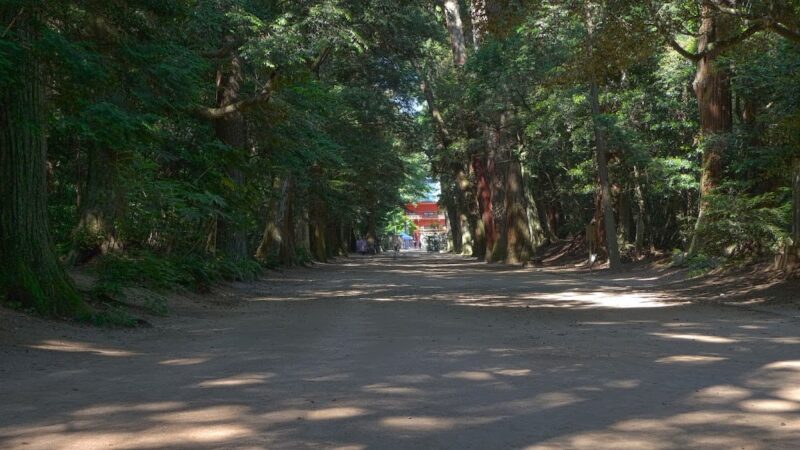
The grounds of Tokumanji Temple contain several buildings, including the main hall. Following the path beside the stone pillar inscribed with “Tokumanji,” you’ll find yourself in a temple grounds with more sights to see than you might expect.
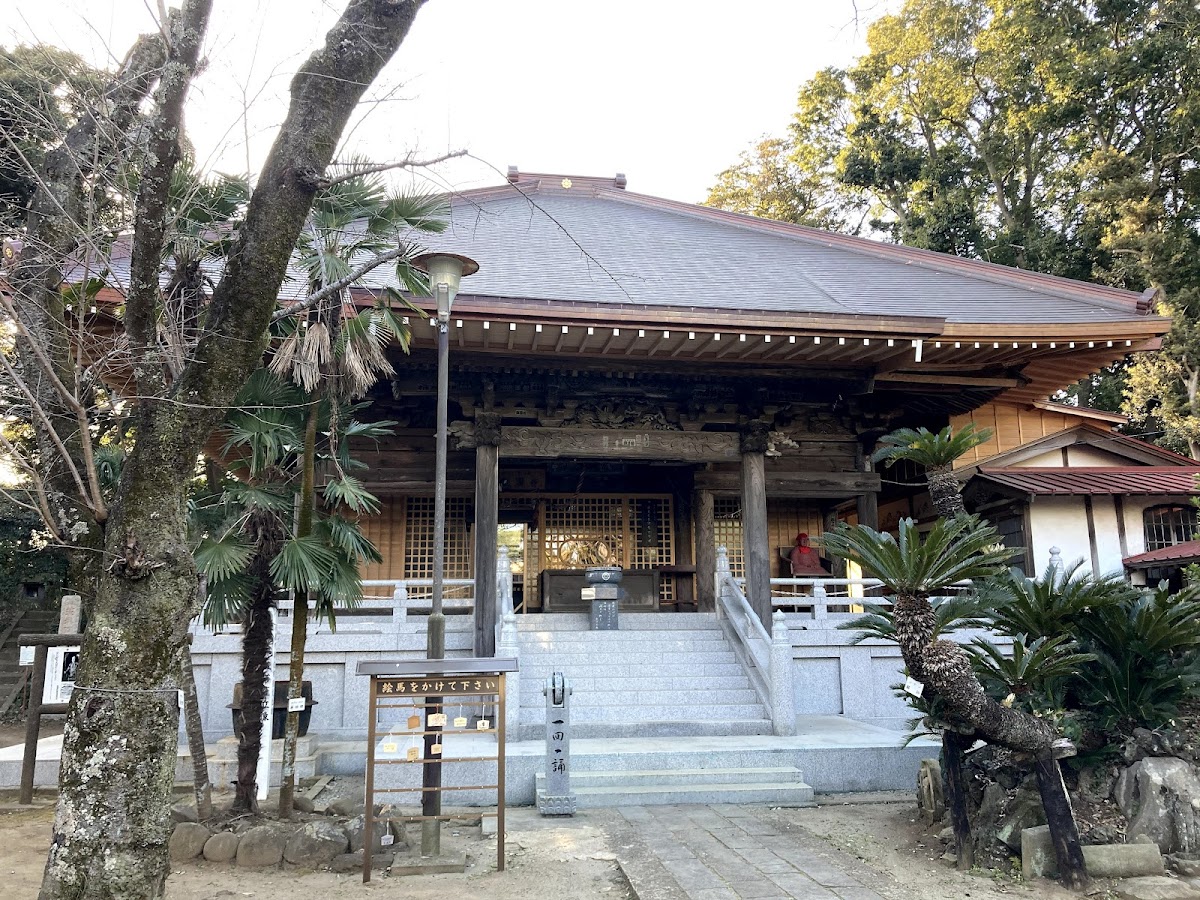
The main hall is a magnificent structure typical of Shingon Buddhist temples, and houses the principal image, a statue of Jizo Bodhisattva. The bell tower is one of the temple’s symbolic buildings, visible from afar.
The Jizo Hall is also an important building on the grounds, attracting many worshippers as a center of Jizo worship. Statues of the Seven Lucky Gods are also placed within the grounds, making it a popular place to receive blessings.
Nirvana Statue
A statue of Nirvana (Nehanzo) is also enshrined on the temple grounds. The Nirvana statue depicts the Buddha’s death and is an important motif in Buddhist art. The reclining Buddha statue at Tokumanji Temple is a precious Buddhist statue that visitors can view up close.
Seasonal Nature
Tokumanji Temple is blessed with a rich natural environment, allowing visitors to enjoy the scenery of each season.
In spring, the cherry blossoms in the temple grounds are in full bloom, attracting many visitors for cherry blossom viewing. The contrast between the view, which takes advantage of the temple’s elevated location, and the cherry blossoms is magnificent.
In autumn, the autumn leaves color the temple grounds, allowing visitors to enjoy the beautiful autumn scenery in a tranquil atmosphere. The sight of the trees changing color leaves a deep impression on visitors.
Annual Events at Tokumanji Temple
Jizo Market (Jizo Festival)
The most important annual event at Tokumanji Temple is the “Jizo Market,” held once a year. On this day, the main image of Jizo Bodhisattva is unveiled, attracting many visitors. A market is also held at the Jizo Market, and it is a traditional event that is passed down as a gathering place for local people.
The Origin of Tazunemai
Tokumanji Temple has deep ties to Tazunemai, a traditional local performing art. Tazunemai is an important cultural heritage of Tone Town, and Tokumanji Temple is considered one of the places related to its origin.
Access to Tokumanji Temple
Basic Information
- Address: 3004 Nunokawa, Tone-machi, Kita-Soma-gun, Ibaraki Prefecture 300-1622
- Phone Number: 0297-68-2442
- Sect: Shingon-shu Buzan-ha
- Mountain Name: Kaijuzan
- Temple Name: Tamon-in
Access by Car
Tokumanji Temple is located immediately to the left after crossing the Sakae Bridge over the Tone River. If accessing by car, using the Sakae Bridge as a landmark will make it easy to find. Located on a hill near the Tone Town Hall, it is easily accessible from the town center.
When using car navigation, entering the address or phone number is recommended for accurate directions. There is parking space for visitors on the temple grounds, but it is expected to be crowded during events such as the Jizo Market, so it is recommended to visit with plenty of time to spare.
Access by Public Transportation
If using public transportation, the nearest stations are Fusa Station or Sanuki Station on the JR Narita Line. From the station, you will need to take a bus or taxi. The Tone Town Community Bus also operates, so it is convenient to check the timetable in advance.
Tourist Attractions Around Tokumanji Temple
Yanagita Kunio Memorial Park
If you visit Tokumanji Temple, you should definitely stop by the Yanagita Kunio Memorial Park. This facility allows you to learn about the relationship between Yanagita Kunio, the father of folklore studies, and Tone Town, and also contains descriptions of the Tokumanji Temple’s infanticide ema (votive tablets). Since it is close to Tokumanji Temple, visiting both together will allow you to gain a deeper understanding of Tone Town’s history and culture.
Scenery of the Tone River
The Tone River, which flows near Tokumanji Temple, is one of Japan’s major rivers. From the area around Sakaebashi Bridge, you can enjoy the magnificent scenery of the Tone River, and the view at sunset is particularly spectacular. A stroll along the riverbank is also recommended, allowing you to feel the history of Fukawa, which once flourished as a key point for water transport.
Historical Buildings in Tone Town
Besides Tokumanji Temple, there are many other historical buildings scattered throughout the Fukawa area. Some places retain the atmosphere of the Edo period, making it a great place for a historical walk. There is a tourist information center near the Tone Town Hall, so obtaining detailed information before your visit will make your experience more fulfilling.
Points to Note When Visiting Tokumanji Temple
Manners for Visiting the Temple
Tokumanji Temple is a temple that still functions as a place of worship. When visiting, please observe the following manners.
- Please behave quietly within the temple grounds.
- Photography is only permitted in designated areas.
- Do not touch buildings or cultural artifacts.
- Please take all your trash with you.
- Please remove your hat when praying in the main hall.
About Goshuin (Temple Seals)
Goshuin are available at Tokumanji Temple. If you wish to receive a goshuin, please bring your goshuincho (stamp book) and speak to a staff member at the temple office. Limited edition goshuin may be available on special days, such as during the Jizo Market.
Best Time to Visit
Tokumanji Temple is open for visits throughout the year, but the following times are particularly recommended:
- Spring (late March to early April): Cherry blossom season
- Autumn (mid to late November): Best time to see autumn leaves
- Jizo Market Day: The main image is unveiled and you can experience traditional events
Cultural Significance of Tokumanji Temple
A Place that Tells the History of the Region
Tokumanji Temple is an indispensable presence when talking about the history of Tone Town. Its location on the site of Fukawa Castle, its restoration during the Genki era, the main image brought from Kyoto, and even the folk artifact of infanticide ema (votive tablets)—this temple condenses the multi-layered history of the region.
Fukawa flourished as a transportation hub utilizing the Tone River’s water transport, and many travelers passed through this area. It is thought that Tokumanji Temple also functioned as a place to pray for the safety of these travelers.
Connection to Folklore
The existence of infanticide ema, which attracted the attention of Kunio Yanagita, indicates that Tokumanji Temple is also an important place from a folkloric perspective. This votive picture holds significant academic value as a valuable historical document conveying the realities of rural society during the Edo period.
Kunio Yanagita spent his childhood in Tone Town and had a deep interest in the local folk culture. The infanticide votive picture at Tokumanji Temple is said to have greatly influenced his folklore research, and it occupies an important position in the history of Japanese folklore studies.
Center of Shingon Esoteric Buddhism
As a temple of the Buzan branch of the Shingon sect, Tokumanji Temple is also a center of esoteric Buddhist faith in the region. The Kongoban Ryokai Mandala, a nationally designated Important Cultural Property, is an important ritual implement that visually represents the doctrines of Shingon Esoteric Buddhism, and speaks to the depth of esoteric Buddhist faith in this region.
The fact that Jizo Bodhisattva is the principal deity also demonstrates the characteristic fusion of popular belief and esoteric Buddhism in Japanese Buddhism. The practice of unveiling the statue only once a year preserves the unique Japanese religious culture of worshipping hidden Buddha images.
Preservation and Future of Tokumanji Temple
Protection of Cultural Properties
Tokumanji Temple houses valuable cultural properties, including nationally designated important cultural properties, making their proper preservation and management a crucial issue. Cultural properties such as the Kongoban Ryokai Mandala require preservation under appropriate environmental conditions, including temperature and humidity control, and the temple and local government are working together to protect them.
As a Center of the Local Community
Even in modern times, Tokumanji Temple functions as an important hub for the local community. Traditional events such as the Jizo Market bring together local people and foster intergenerational exchange.
In rural areas facing depopulation and an aging population, the social role of temples is changing, but Tokumanji Temple will continue to play an important role as a place to transmit history and culture, and as a place to nurture community bonds.
Summary
Tokumanji Temple in Tone-machi, Ibaraki Prefecture, is an ancient temple of the Shingon-shu Buzan sect, built on the historical site of the former Fukawa Castle. Tokumanji Temple houses numerous valuable cultural artifacts, including the nationally designated Important Cultural Property, the Kongoban Ryokai Mandala, a Jizo Bodhisattva statue brought from Kyoto, and an infanticide votive picture that deeply impacted Kunio Yanagita.
Since its restoration by Abbot Yusei during the Genki era, Tokumanji Temple has played a vital role as the religious and cultural center of the region. Its location on a hill overlooking the Tone River, the changing seasons, and the annual Jizo Market, a traditional event, leave a profound impression on visitors.
Indispensable to tracing the history of Tone Town, Tokumanji Temple is not merely a tourist spot, but a place where the region’s memory and culture are condensed. When visiting the Fukawa area, be sure to stop by Tokumanji Temple and experience its history and culture. Spending time in its tranquil grounds will be a precious experience that allows you to forget the hustle and bustle of modern life.