Tokuzo-ji Temple Complete Guide | A Thorough Explanation of History, Cultural Assets, and Perpetual Memorial Services
About Tokuzo-ji Temple
Tokuzo-ji Temple is a Rinzai Zen temple of the Daitoku-ji school located in Suwa-cho, Higashimurayama City, Tokyo. Its official name is “Fukuju-zan Tokuzo-ji,” and it was founded in 1560 during the Sengoku period (Eiroku 3), with its founding date said to be during the Genna era (1615-1623). As a venerable temple boasting a long history of over 450 years, it has been a center of faith for the local community.
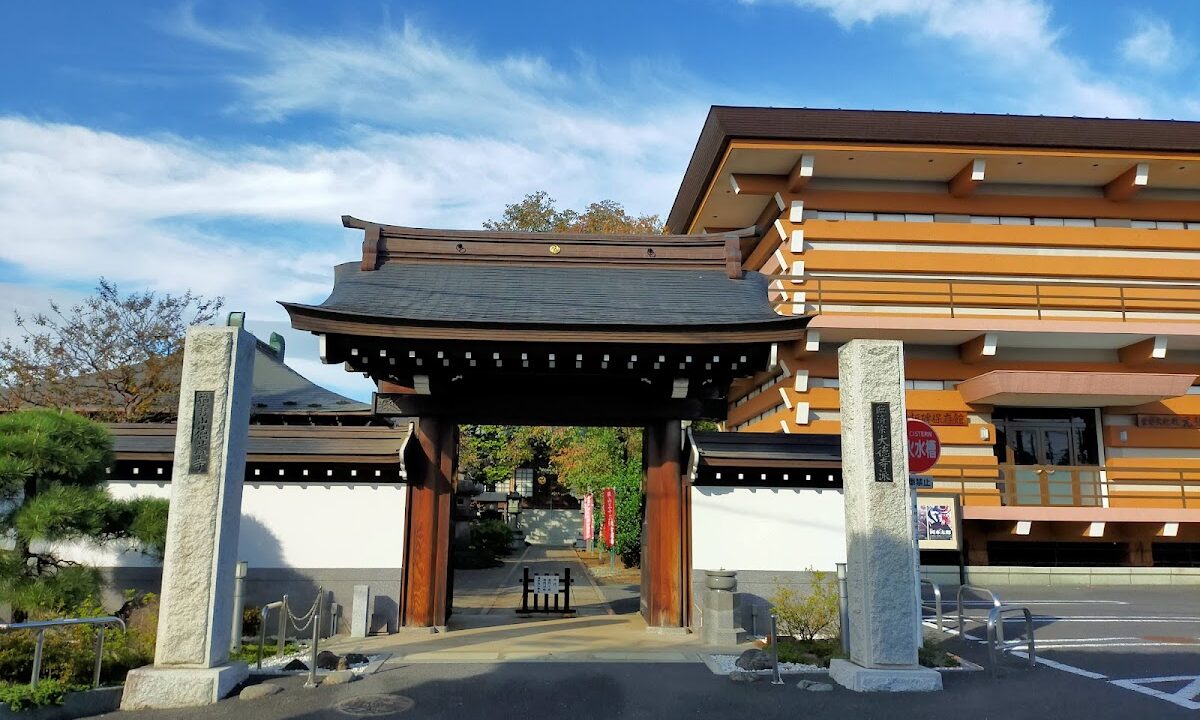
The temple is located at the foot of Mt. Hakkoku, in a quiet environment surrounded by abundant nature. The temple grounds include the main hall, guest hall, priest’s quarters, and Eishun-an, and a new temple gate was constructed in 2010. Even today, while preserving its traditions, it welcomes many visitors as a temple open to the community.
About the Rinzai Zen Daitoku-ji School
Tokuzo-ji Temple belongs to the Rinzai Zen Daitoku-ji school, a branch of Zen Buddhism. The Rinzai school traces its origins to Zen Master Linji Yixuan of China and was introduced to Japan during the Kamakura period. The Daitoku-ji school has its head temple, Daitoku-ji, in Kyoto, and is known for its deep connection to the tea ceremony and its close ties to tea masters such as Sen no Rikyu.
Based on the teachings of Zen, it aims to attain enlightenment by contemplating one’s true nature through seated meditation (zazen). It emphasizes practice in daily life and the importance of focusing on “the here and now.”
History of Tokuzo-ji Temple
Circumstances of its Founding
Tokuzo-ji Temple is believed to have been founded in Eiroku 3 (1560). This was during the height of the Sengoku period (Warring States period), a time when Oda Nobunaga was expanding his power. The temple is said to have been founded during the Genna era (1615-1623), which coincides with the period after Tokugawa Ieyasu established the Edo Shogunate and defeated the Toyotomi clan in the Summer Siege of Osaka, ushering in an era of peace.
From its inception, it belonged to the Daitoku-ji branch of the Rinzai school of Zen Buddhism and has attracted the faith of the local people. It has a history of developing as a temple deeply rooted in the community, having survived the turbulent times from the Sengoku period to the early Edo period.
Connection to the Nanboku-cho Period
Among the cultural artifacts held by Tokuzo-ji Temple are numerous items related to the Nanboku-cho period. In particular, the Genko stone monument, a nationally designated important cultural property, bears an inscription from Genko 3 (1333), making it a valuable historical document of this period.
The Nanboku-cho period began with the Kenmu Restoration by Emperor Go-Daigo and was a time when the imperial court was divided into North and South due to conflict with Ashikaga Takauji. This region also saw the activities of various warlords, and its connection to Nitta Yoshisada is particularly noteworthy. Nitta Yoshisada is known as a warrior who overthrew the Kamakura Shogunate, and he left his mark on this region as well.
Development since the Modern Era
In September 1968 (Showa 43), with the cooperation of many people, a two-story reinforced concrete, log-cabin style preservation hall was completed to properly preserve the stone steles, stone tools, and pottery stored at Tokuzo-ji Temple. This established a system for passing on valuable cultural assets to future generations.
In 1982 (Showa 57), the main hall, guest hall, priest’s quarters, and Eishun-an were renovated and completed, transforming the temple into one with modern facilities. In 2010 (Heisei 22), a new temple gate was also constructed, further enhancing the temple’s appearance.
Cultural Properties of Tokuzo-ji Temple
Nationally Designated Important Cultural Property: “Genko Stone Monument”
The most important cultural property held by Tokuzo-ji Temple is the Genko Stone Monument, a nationally designated Important Cultural Property. This monument, bearing an inscription from Genko 3 (1333), is highly valued as a valuable historical document conveying the history of the Nanboku-cho period.
A stone monument is a stone memorial erected for memorial services and remembrance, and was mainly erected from the Kamakura period to the Muromachi period. The Genko Stone Monument is in good condition and is an important historical document for understanding the beliefs and social conditions of the time.
Higashimurayama City Tangible Folk Cultural Property
Tokuzo-ji Temple also possesses several cultural properties designated as Higashimurayama City Tangible Folk Cultural Properties. Representative examples include the Hiyoku Monument and the Animal-legged Bone Repository.
A Hiyoku Monument is a stone monument erected to commemorate two people bound by a deep relationship, such as a married couple or parent and child. The animal-legged ossuary is an ossuary decorated with animal feet, demonstrating the high level of craftsmanship of the time.
Exhibits at the Stone Monument Preservation Museum
Completed in 1968, the Stone Monument Preservation Museum displays numerous stone monuments, stone tools, and pottery, including the Genko-era stone monument, a nationally designated Important Cultural Property. The log-cabin style building provides an environment suitable for the preservation of cultural artifacts, protecting valuable materials from changes in humidity and temperature.
Through these cultural artifacts, visitors can learn about the history of this region and the beliefs of its people. The museum is regularly open to the public, providing a valuable learning opportunity for those interested in history.
Jizo Statue at the Site of Shoi-ji Temple
Immediately to the right upon entering the temple grounds, the Jizo statue at the site of the former Shoi-ji Temple is enshrined in a glass case. This Jizo statue was formerly enshrined at the nearby Shoi-ji Temple. After Shoi-ji Temple was abandoned, Tokuzo-ji Temple took over and has carefully preserved it ever since.
Jizo Bodhisattva is revered as a Buddha who relieves people’s suffering and especially protects children. This Jizo statue has long been cherished by the local people.
11th Temple of the Sayama Thirty-Three Kannon Pilgrimage
Tokuzo-ji Temple is the 11th temple of the Sayama Thirty-Three Kannon Pilgrimage and serves as a center of Kannon worship. The Sayama Thirty-Three Kannon Pilgrimage is a Kannon pilgrimage route that stretches from western Tokyo to southwestern Saitama Prefecture, and it is believed that one can receive the blessings of Kannon by visiting all 33 temples.
What is a Kannon Pilgrimage?
A Kannon pilgrimage is a pilgrimage route that visits temples where Kannon Bodhisattva is the principal deity or main object of worship. Kannon Bodhisattva has been widely worshipped since ancient times as a compassionate Buddha who hears the cries of suffering people and extends a helping hand.
The number thirty-three is based on the teaching of the Lotus Sutra that Kannon Bodhisattva transforms into 33 different forms to save people. It is believed that by visiting all 33 sacred sites, one can encounter all forms of Kannon (Goddess of Mercy) and accumulate merit.
Significance of the Pilgrimage
The pilgrimage to the 33 Kannon sacred sites of Sayama is popular not only for deepening one’s faith but also as an opportunity to refresh one’s mind and body and experience the history and culture of the region. Many pilgrims visit Tokuzo-ji Temple, finding peace of mind in the quiet temple grounds and offering prayers to Kannon.
During the pilgrimage, one can receive a Goshuin (temple stamp) at each site, which is cherished as a record of the pilgrimage. Tokuzo-ji Temple also bestows Goshuin upon visitors, making it a memorable part of the pilgrimage.
Perpetual Memorial Tower “Jukai”
In modern society, the issue of grave inheritance is becoming increasingly common. Many people face difficulties managing graves due to various circumstances such as having no children, living far away, or lacking successors.
What is Perpetual Memorial Service?
Perpetual memorial service is a system in which a temple takes responsibility for performing memorial services in perpetuity. Even without owning a personal or family grave, you can have your ashes interred in a communal grave or ossuary managed by a temple, ensuring that the temple continues to provide perpetual memorial services.
Tokuzo-ji Temple has established the “Jukai” perpetual memorial stupa, offering a place of perpetual memorial services that can be used with peace of mind by those who are concerned about succession issues or future anxieties.
Features of “Jukai”
Tokuzo-ji Temple’s “Jukai” perpetual memorial stupa can be used by anyone, regardless of their religious affiliation or sect. This reflects the temple’s respect for the diverse forms of faith in modern times.
By choosing perpetual memorial services, you can gain peace of mind knowing that you will be properly memorialized after your death without burdening anyone. Furthermore, you will be freed from the costs and hassle of managing and maintaining a grave.
Consultation and Inquiries
We accept consultations regarding perpetual memorial services at any time. Please feel free to contact us with any questions or concerns you may have regarding fees, procedures, memorial service methods, etc. At our temple, we work closely with each individual, considering their circumstances and wishes, to determine the most appropriate form of memorial service.
It is possible to apply for this service yourself during your lifetime, and many people choose to decide on their memorial arrangements while they are still healthy, allowing them to live the rest of their lives with peace of mind.
Access to Tokuzo-ji Temple
Location
Tokuzo-ji Temple is located in Suwa-cho, Higashimurayama City, Tokyo. Situated in a naturally rich environment at the foot of Mt. Hakkoku, it boasts convenient access from central Tokyo.
Address: 1-26-3 Suwa-cho, Higashimurayama City, Tokyo
Access by Train
The nearest stations are Higashimurayama Station on the Seibu Shinjuku Line and Seibu Kokubunji Line, or Musashi-Yamato Station on the Seibu Tamako Line. The temple is accessible on foot or by bus from these stations.
Higashimurayama Station is a major station where express trains also stop, and is conveniently located approximately 30 minutes from Seibu Shinjuku Station and 15 minutes from Kokubunji Station, making it easily accessible from central Tokyo.
Access by Car
The temple is located approximately 20 minutes from the Tokorozawa Interchange on the Kan-Etsu Expressway and approximately 25 minutes from the Kunitachi-Fuchu Interchange on the Chuo Expressway. Parking is available, making it accessible by car.
Although the surrounding area is residential, the temple is nestled in a quiet environment surrounded by the greenery of Hakkokuyama Mountain, allowing for a peaceful visit.
Reasons to Choose Tokuzo-ji Temple
Over 450 Years of History and Tradition
Since its founding in 1560 (Eiroku 3), Tokuzo-ji Temple has supported local faith for over 450 years. The tradition cultivated over these long years, combined with its adaptability to changing times, is the reason it is trusted by many.
Preservation of Valuable Cultural Assets
The temple houses and appropriately preserves numerous valuable cultural assets, including the Genko-era stone monument, a nationally designated Important Cultural Property. It serves as a valuable learning site for those interested in history and culture.
Perpetual Memorial Services Responding to Modern Needs
We have established the “Jukai” perpetual memorial pagoda to address issues of succession and anxieties about the future, accepting people of all faiths and denominations. Our flexible approach to meeting the diverse needs of modern society is highly regarded.
Role as a Kannon Pilgrimage Site
As the 11th temple of the Sayama Thirty-Three Kannon Pilgrimage, it serves as a center of Kannon worship. It provides pilgrims with a place of peace and a place to deepen their faith.
Convenient Access
While easily accessible from the city center, it is located in a naturally rich environment at the foot of Mt. Hakkoku. Many visitors appreciate the quiet environment that allows for peaceful worship.
Manners and Etiquette for Visiting
Etiquette on the Temple Grounds
Temples are places of worship and training. Please be quiet on the temple grounds, refraining from speaking loudly or running around. When taking photographs, please be considerate of other visitors.
Etiquette for Visiting the Temple
When passing through the temple gate, bow once before proceeding to the main hall. Place your offering in the offering box and quietly clasp your hands together in prayer. In Zen Buddhism, bowing with hands clasped together is the basic practice.
If you wish to receive a Goshuin (temple stamp), please visit the Goshuin office after completing your prayers. Remember that the Goshuin is proof of your visit, not a stamp rally.
Dress Code
There are no specific dress code requirements, but clean, understated attire appropriate for a temple is preferred. Avoid overly revealing or flashy clothing.
Frequently Asked Questions
Visiting Hours
The temple grounds are generally open during the day, but there may be time restrictions for visiting the main hall and the preservation hall. It is recommended to check by phone in advance.
About Goshuin
You can receive Goshuin for the Sayama Thirty-Three Kannon Pilgrimage. Bring your Goshuincho (stamp book) and receive it after your prayers.
Cost of Perpetual Memorial Service
The cost of a perpetual memorial service varies depending on the type of interment and the content of the memorial service. Please contact us directly for details. We will explain everything carefully and provide consultation.
About Religious Affiliation
Tokuzo-ji Temple belongs to the Rinzai sect, Daitoku-ji branch, but we accept requests for perpetual memorial services regardless of religious affiliation. Please feel free to contact us.
About Parking
We have a parking lot for visitors. However, it can get crowded during memorial services, so we recommend contacting us in advance if you are visiting in a large group.
How to Contact Us
Inquiries to Tokuzo-ji Temple are accepted by phone. Please feel free to contact us with any questions regarding perpetual memorial services, viewing cultural properties, temple stamps, or other inquiries.
We strive to provide careful and personalized service, tailored to each individual’s situation and wishes. We value creating a comfortable atmosphere where even first-time visitors can feel at ease.
Summary
Tokuzo-ji Temple is a venerable temple of the Rinzai sect, Daitoku-ji branch, with a history of over 450 years. It houses valuable cultural assets, including the Genko-era stone monument, a nationally designated Important Cultural Property, which are open to the public in the Stone Monument Preservation Hall.
As the 11th temple on the Sayama Thirty-Three Kannon Pilgrimage, it serves as a center of Kannon worship. Furthermore, it has established the “Jukai” perpetual memorial pagoda, catering to modern needs and accepting people of all faiths and denominations. It provides a safe and secure place for memorial services for those facing issues such as succession problems and anxieties about the future.
Located in a naturally rich environment at the foot of Mt. Hakkoku in Suwa-cho, Higashimurayama City, Tokyo, yet easily accessible from central Tokyo, it attracts many visitors. While preserving its history and traditions, Tokuzo-ji Temple continues to evolve with the times, remaining a central hub of faith and a spiritual haven for the people.
If you are interested in worship, perpetual memorial services, or viewing cultural assets, please consider visiting. In the tranquil temple grounds, you can find peace of mind, connect with history, and spend precious time reflecting on yourself.