Complete Guide to Jifuku-ji Temples | A Summary of History, Principal Deities, and Access Information for Jifuku-ji Temples Nationwide
There are several temples named “Jifuku-ji” throughout Japan. Each belongs to a different sect, possesses its own unique history and principal deity, and is cherished as a center of local faith. This article provides detailed information on major Jifuku-ji temples located in Kyoto, Tokushima, Saitama, Osaka, Hannan City, and other areas, including their history, principal deities, points of interest within the temple grounds, annual events, and access methods.
What is Jifuku-ji? | Characteristics of Temples Spread Across Japan
The name “Jifuku-ji” means a temple that brings good fortune to the region, and these temples have attracted the faith of local residents throughout the country. The sects are diverse, including Tendai, Jodo, Shingon, and Shingon Chizan, each preserving its own unique teachings and traditions.
This article focuses particularly on Jifuku-ji temples that attract many visitors and possess high historical and cultural value, providing detailed explanations of the characteristics of each temple.
Kyoto’s Jifuku-ji Temple | A Famous Temple Known as the “Higiri Yakushi”
History and Overview of Kyoto’s Jifuku-ji Temple
Located on Shichihonmatsu-dori, Izumi-sagaru, Kamigyo-ku, Kyoto City, Jifuku-ji Temple is known as the 5th temple on the Kyoto Twelve Yakushi Pilgrimage. Situated on Shichihonmatsu-dori, south of Izumi-dori, it is a tranquil temple nestled in a quiet residential area.
Principal Image | The Faith of Higiri Yakushi
The principal image of Kyoto’s Jifuku-ji Temple is Yakushi Nyorai (Medicine Buddha), and it is particularly revered as the “Higiri Yakushi.” This Yakushi Nyorai is said to have been the personal devotional image of the monk Dokū, and it is believed that making a wish on a specific day will cure hearing impairments.
Higiri Yakushi is a form of faith where worshippers choose a day to make a wish, and it is believed that the wish will be granted by that date. The Yakushi Nyorai of Kyoto’s Jifuku-ji Temple is particularly known for its miraculous powers related to hearing.
Temple Grounds Guide and Highlights
The grounds of Jifuku-ji Temple in Kyoto offer a tranquil space far removed from the hustle and bustle of the city. The main hall houses a statue of Yakushi Nyorai (Medicine Buddha). Although small, the grounds are meticulously maintained, showcasing different expressions throughout the seasons.
Access Information
- Location: Shichihonmatsu-dori, Izumi-sagaru, Kamigyo-ku, Kyoto City
- Nearest Station: Approximately 13 minutes on foot from JR Sanin Main Line “Enmachi Station”
- City Bus: Immediately after alighting at the Kyoto City Bus “Shichihonmatsu Izumi” bus stop
Jifuku-ji Temple in Ishii-cho, Tokushima Prefecture | A Famous Ancient Temple Known for its Wisteria
History of Jifuku-ji Temple, Tokushima
Located in Ishii-cho, Myozai-gun, Tokushima Prefecture, Jifuku-ji Temple is widely known as the “Temple of Wisteria.” Its mountain name is Hōjuzan, and its temple name is Kongōōin. As one of the six Jizō pilgrimage sites in Awa Province, it attracts many visitors.
Principal Image and Role as a Pilgrimage Site
Tokushima Jifuku-ji Temple is counted among the six Jizō pilgrimage sites in Awa Province, and its principal image is Jizō Bodhisattva. It serves as a base for pilgrims visiting six temples in eastern Tokushima Prefecture, attracting many visitors.
Wisteria Trellis on the Temple Grounds | 200-Year-Old Purple Wisteria
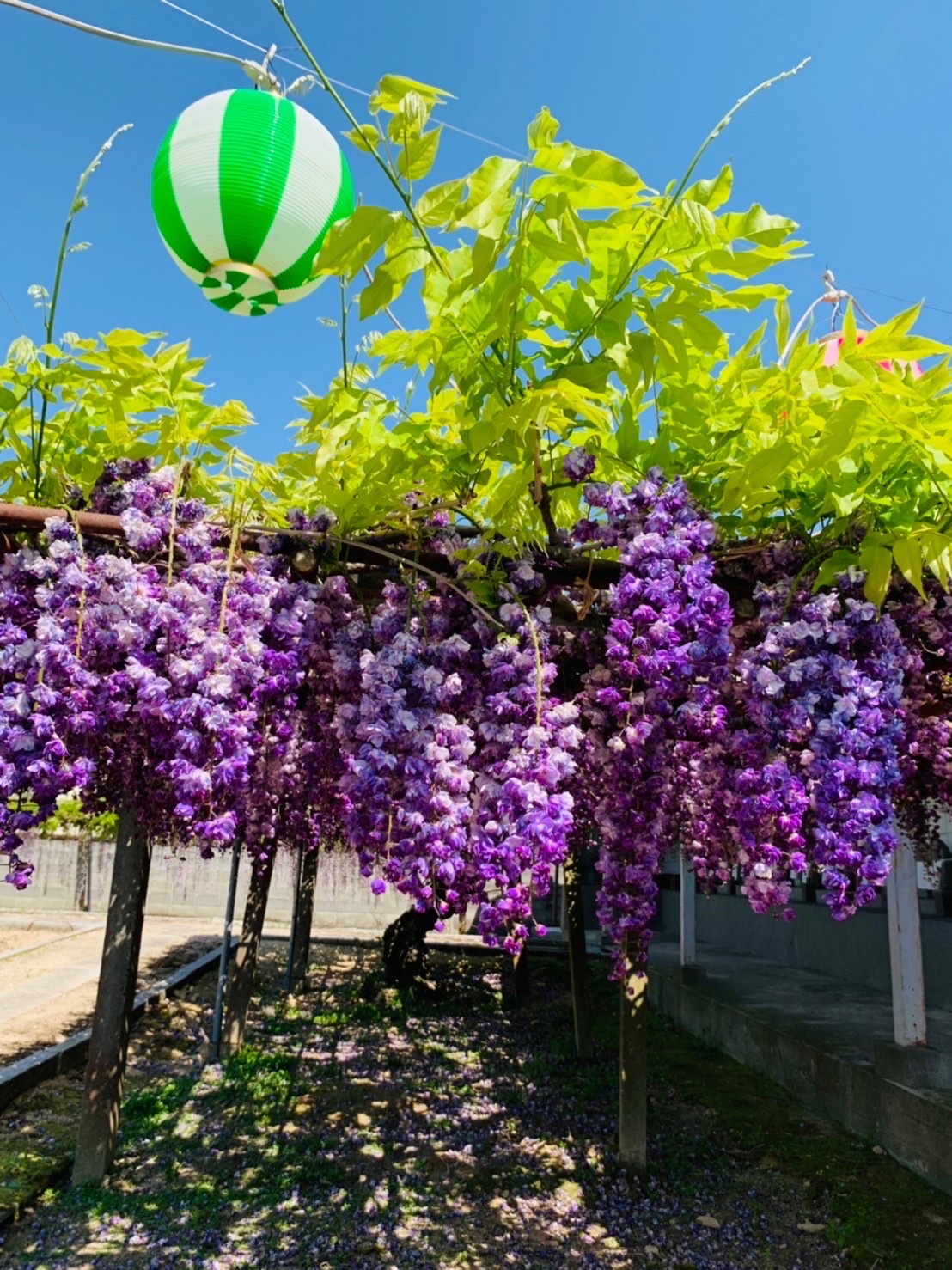
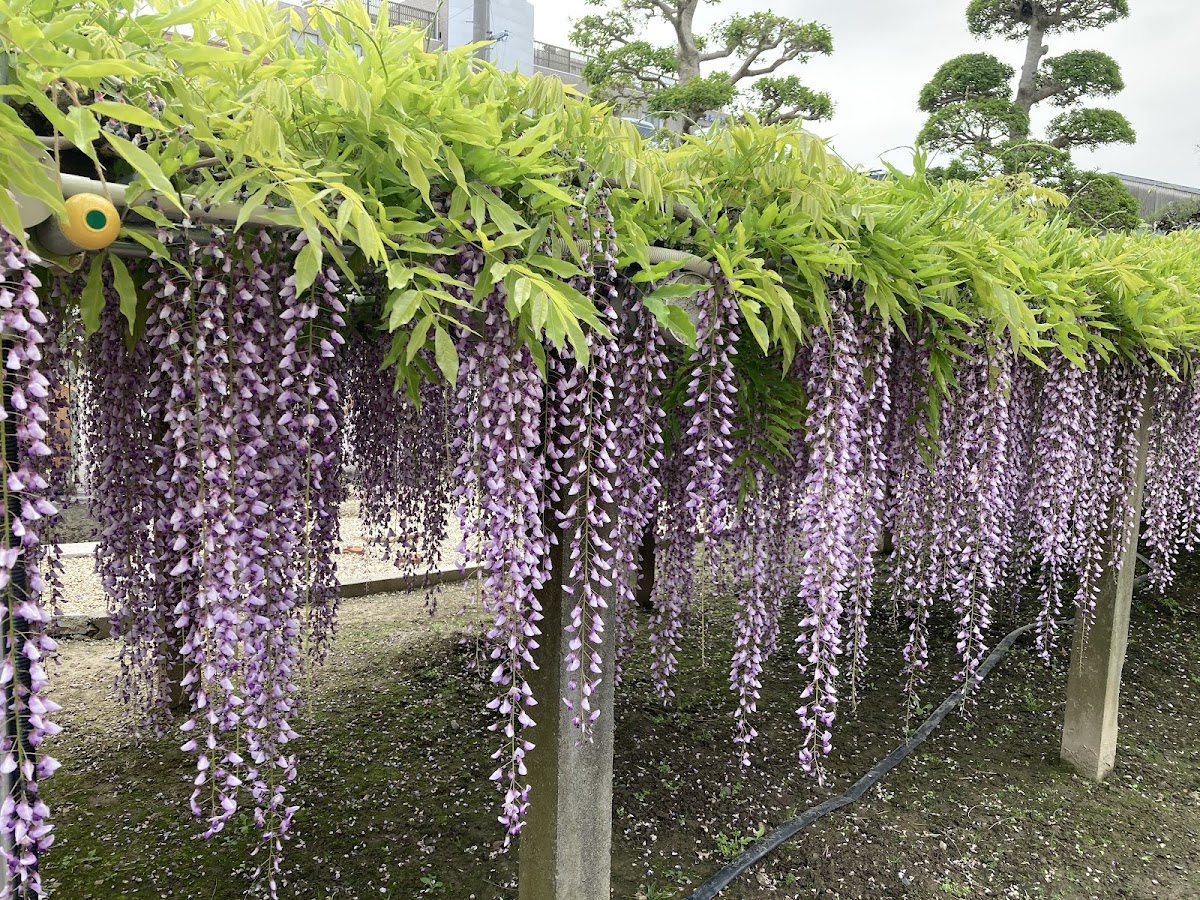
The greatest attraction at Tokushima Jifuku-ji Temple is the wisteria trellis on its grounds. There are trellises of both purple and white wisteria. The purple wisteria, in particular, is a giant tree over 200 years old, boasting a magnificent scale extending 30 meters from north to south. The wisteria, also designated as the town flower of Ishii Town, captivates visitors with its beautiful clusters of purple flowers during the blooming season.
Annual Events | Wisteria Festival
The Wisteria Festival is held annually from mid-April to early May. In 2026 (Reiwa 8), the festival is scheduled to take place from April 15th to April 30th. During this period, many tourists visit, and the temple grounds are enveloped in the fragrance of wisteria and beautiful scenery.
The Wisteria Festival is a major regional event, featuring not only wisteria viewing but also sales of local specialty products and various other events.
Sutra Copying Experience
Tokushima Jifuku-ji Temple offers a Heart Sutra copying experience that takes about 10 minutes and is popular with visitors. It’s a valuable opportunity to calm the mind and connect with Buddhist teachings through sutra copying.
Access Information
- Location: Ishii-cho, Myōzai-gun, Tokushima Prefecture
- Access: Approximately 15 minutes by car from the Aizumi IC on the Tokushima Expressway
- Parking: Temporary parking available during the Wisteria Festival
Jifuku-ji Temple in Wako City, Saitama Prefecture | A Temple Protected by Jizo Bodhisattva
Overview of Jifuku-ji Temple in Wako City
Located at 2-18-1 Shirako, Wako City, Saitama Prefecture, Jifuku-ji Temple belongs to the Tendai sect. Its mountain name is Zuiōzan, and its temple name is Jizōin. It is affectionately known to the local people as “a temple protected by Jizo Bodhisattva.”
Tendai Sect Teachings and Jizo Worship
The Tendai sect is one of the major Buddhist sects in Japan, founded by Saichō. Jifuku-ji Temple in Wako City conducts religious services and events based on the teachings of the Tendai sect. The worship centered on Jizo Bodhisattva is particularly revered by local residents as a guardian deity of children.
Temple Grounds Guide
The grounds of Jifuku-ji Temple in Wako City consist of the main hall, Jizo Hall, and priest’s quarters. The grounds are well-maintained, and seasonal flowers welcome visitors.
Reception and Information
- Address: 2-18-1 Shirako, Wako City, Saitama Prefecture 351-0101
- Phone: 048-461-2032
- Reception Hours: Available at the temple office (advance contact recommended)
Annual Events
Jifuku-ji Temple in Wako City holds various Buddhist events throughout the year. These include the Obon (Buddhist festival) memorial service, the Higan (autumn equinox) memorial service, and the Jizo Bon (Jizo festival), all deeply rooted in the local community and attended by many parishioners.
Access and Map
- Location: 2-18-1 Shirako, Wako City, Saitama Prefecture
- Nearest Station: Within walking distance from Wako-shi Station on the Tobu Tojo Line, Tokyo Metro Yurakucho Line, and Fukutoshin Line
- Parking: Parking available on the temple grounds
Jifuku-ji Temple in Ibaraki City, Osaka Prefecture | An Ancient Temple Associated with Fujiwara no Kamatari
History of Jifuku-ji Temple in Ibaraki City
Jifuku-ji Temple, located in Ibaraki City, Osaka Prefecture, is a temple belonging to the Jodo sect. Its mountain name is Kuwahara-yama, and temple tradition attributes its founding to Fujiwara no Kamatari, making it a temple with a very deep history.
Teachings of the Jodo Sect and Amida Buddhism
The Jodo sect is a Buddhist sect founded by Honen Shonin, and its teachings emphasize believing in the original vow of Amida Buddha and praying for rebirth in the Pure Land by chanting the Nembutsu. At Jifuku-ji Temple in Ibaraki City, Buddhist services and chanting ceremonies based on the teachings of the Jodo sect are held.
Temple Grounds and Main Hall
The grounds of Jifuku-ji Temple in Ibaraki City contain various buildings, including the main hall, creating a historical atmosphere. The main hall houses an Amida Buddha statue, where daily services are performed.
Access Information
- Location: Ibaraki City, Osaka Prefecture
- Access: Take a bus from JR Kyoto Line “Ibaraki Station” or Monorail “Minami-Ibaraki Station”
Jifuku-ji Temple in Hannan City, Osaka Prefecture | A Historic Temple Along the Kumano Kaido Road
History and Origins of Jifuku-ji Temple in Hannan City
Located in Yamanakadani, Hannan City, Osaka Prefecture, Jifuku-ji Temple stands beside the Kumano Kaido (historical road). The current main hall was relocated in 1885 (Meiji 18) from Shinko-ji Temple, which had been abolished during the Meiji Restoration’s reforms, making it a relatively new temple. ### Principal Image | Amida Triad
The principal image of Jifuku-ji Temple in Hannan City is the “Amida Triad,” created during the Edo period. This triad, with Amida Buddha at the center and Kannon Bodhisattva and Seishi Bodhisattva as attendants, is a prime example of Edo period Buddhist sculpture.
Koyasu Jizo
Jifuku-ji Temple in Hannan City is also known for its “Koyasu Jizo” (guardian deity of childbirth), attracting many visitors praying for safe childbirth and the healthy growth of their children. It continues to be a center of local child-rearing faith, attracting fervent devotion.
Temple Grounds Guide
Located along the historic Kumano Kaido road, the grounds of Jifuku-ji Temple retain the atmosphere of yesteryear, offering a tranquil space. In addition to the main hall, there is a Jizo hall dedicated to the Koyasu Jizo, which is constantly visited by worshippers.
Access Information
- Location: Yamanakadani, Hannan City, Osaka Prefecture
- Nearest Station: Within walking distance from Yamanakadani Station on the JR Hanwa Line
- Parking: Parking available nearby
Jifuku-ji Temple in Kita Ward, Tokyo | A Temple Affectionately Known as Jujo-yama
Overview of Jifuku-ji Temple in Kita Ward
Jifuku-ji Temple, located in Nakajujo, Kita Ward, Tokyo, is a temple belonging to the Chizan branch of the Shingon sect. Its mountain name is Jujo-yama, and it is known as “Jujo-yama Jifuku-ji” or simply “Jifuku-ji.” The temple is located near a shopping street frequently featured in the media, making it a local landmark.
Teachings of the Chizan Branch of the Shingon Sect
The Chizan branch of the Shingon sect is a branch of the Shingon sect founded by Kobo Daishi Kukai, and its head temple is Chishaku-in in Kyoto. Jifuku-ji Temple in Kita Ward performs Goma prayers and other rituals based on the teachings of Shingon Esoteric Buddhism.
Access Information
- Location: Nakajujo, Kita-ku, Tokyo
- Nearest Station: Within walking distance from JR Saikyo Line “Jujo Station”
Etiquette and Manners for Visiting Jifuku-ji Temple
Basic Etiquette for Visiting Temples
When visiting Jifuku-ji Temple, please observe the following basic etiquette:
- Bow at the Temple Gate: Bow before entering the temple grounds.
- Purification at the Water Basin: Purify your hands and mouth before praying.
- Praying at the Main Hall: Quietly join your hands in prayer and pray with sincerity.
- Offering a Money Token: Offer what you can afford.
- Bow Upon Exit: Bow again when leaving the temple grounds.
Photography
Photography is permitted on the temple grounds at many temples, but photography inside the main hall or of Buddha statues may be prohibited. Please check in advance or follow any posted notices. Especially during events such as the Wisteria Festival, consideration should be given to avoiding disturbing other visitors.
Clothing and Belongings
No special clothing is required, but please avoid revealing clothing and wear clean, presentable attire. If you are visiting pilgrimage sites, it is a good idea to bring a pilgrimage notebook and white robes.
Tourist Attractions Around Jifuku-ji Temple
Around Jifuku-ji Temple, Kyoto
Around Jifuku-ji Temple in Kyoto, there are many of Kyoto’s most famous tourist attractions, including Kitano Tenmangu Shrine, Kinkaku-ji Temple, and Nijo Castle. Visiting as part of the Kyoto Twelve Yakushi Pilgrimage is highly recommended.
Around Jifuku-ji Temple, Tokushima
The area around Jifuku-ji Temple in Tokushima is ideal as a base for the Awa Six Jizo Pilgrimage. Ishii Town is also a thriving agricultural area, with numerous direct sales outlets where you can purchase fresh local produce.
Around Jifuku-ji Temple, Wako City
Wako City has good access to central Tokyo, making it a convenient place to visit in conjunction with sightseeing in the city. Furthermore, there are plenty of parks and commercial facilities nearby.
Frequently Asked Questions
Q1: How many Jifuku-ji temples are there nationwide?
A1: There are several temples named “Jifuku-ji” throughout Japan. Besides Kyoto, Tokushima, Saitama, Osaka (Ibaraki City and Hannan City), and Tokyo, which are introduced in this article, Jifuku-ji temples are scattered throughout the country. Each has its own unique history and characteristics.
Q2: When is the wisteria festival at Jifuku-ji in Tokushima held?
A2: The wisteria festival at Jifuku-ji in Ishii-cho, Tokushima Prefecture, is held annually from mid-April to early May. In 2026, it was scheduled from April 15th to April 30th. The period may change depending on the blooming conditions, so it is recommended to check official information before visiting.
Q3: What is the Higen Yakushi at Jifuku-ji in Kyoto? **
A3: A “Nichigen Yakushi” refers to a Yakushi Nyorai (Medicine Buddha) statue where worshippers can choose a date to make a wish, and it is believed that their wish will be granted by that date. The Yakushi Nyorai at Jifuku-ji Temple in Kyoto is particularly believed to cure hearing impairments, and many worshippers with hearing-related wishes visit the temple.
Q4: Can I experience sutra copying at Jifuku-ji Temple?
A4: Jifuku-ji Temple in Ishii-cho, Tokushima Prefecture, offers a Heart Sutra copying experience that takes about 10 minutes. Other Jifuku-ji temples may also hold sutra copying sessions, so please inquire directly with each temple.
Q5: Is a reservation necessary to visit Jifuku-ji Temple?
A5: Reservations are not necessary for regular visits, but if you wish to visit as a group, request special prayers, or experience sutra copying, it is recommended to contact the temple by phone in advance. Also, since the head priest may be absent, it is best to contact the temple in advance if you wish to be sure of receiving assistance.
Q6: What kind of blessings can be expected from the Koyasu Jizo at Jifuku-ji Temple in Hannan City?
A6: The Koyasu Jizo is an object of worship for prayers for safe childbirth and the healthy growth of children. Pregnant women and parents with young children visit the temple to pray for safe delivery and successful child-rearing.
Summary | Experiencing Japanese Temple Culture Through a Jifuku-ji Temple Pilgrimage
Jifuku-ji temples throughout Japan, each with its own distinct sect, history, and principal image, have gathered the faith of local people and been cherished as temples that bring good fortune.
From Kyoto’s Higiri Yakushi, Tokushima’s famous wisteria spot, Saitama’s Jizo statue, to Osaka’s historic ancient temple, each Jifuku-ji temple has its own unique charm. Visiting a local Jifuku-ji temple during your travels or business trips is a great opportunity to gain a deeper understanding of Japanese temple culture.
The time spent praying before the principal image enshrined in the main hall and calming your mind in the tranquil atmosphere of the temple grounds is a precious experience in modern society. We encourage you to visit the various Jifuku-ji temples throughout Japan and experience the unique history, culture, and faith of each temple and the local people.
When visiting, please observe the temple’s rules and manners, and offer your prayers quietly and sincerely to gain a deeper experience. Please use the official websites and contact information of each Jifuku-ji temple to check for information on annual events and special occasions in advance, and enjoy a fulfilling visit.