Complete Guide to Oi Shrine | A Power Spot for Safe Childbirth and Fertility in Shimada City, Shizuoka Prefecture [History, Benefits, and Obi Festival]
Oi Shrine, located in Oi-cho, Shimada City, Shizuoka Prefecture, is a venerable shrine with a history of over 1100 years as the guardian deity of the Oi River. Because it enshrines three goddesses, it is widely revered as a guardian deity for children, particularly for safe childbirth, first shrine visits, and Shichi-Go-San (a traditional Japanese rite of passage for children). Furthermore, the Shimada Grand Festival (Obi Festival), held once every three years, is considered one of Japan’s three most unusual festivals, attracting many worshippers from all over the country.
This article comprehensively explains everything you need to know before visiting Oi Shrine, including its history, enshrined deities and benefits, highlights of the grounds, prayer information, and access methods.
History and Origins of Oi Shrine
Background of its Founding and Deep Connection to the Oi River
While the exact founding date of Oi Shrine is unknown, the *Nihon Sandai Jitsuroku*, compiled in 865 AD (Jōgan 7) during the Heian period, contains a record stating, “Oi Shrine of Suruga Province was granted the rank of Senior Sixth Rank…”, confirming its existence at least by the latter half of the 9th century. This means it is a very old shrine, dating back over 1100 years.
The existence of the Oi River is deeply connected to the background of Oi Shrine’s establishment. The Oi River has long been known as a turbulent river with a large volume of water and a fast current, as evidenced by the saying, “Even a horse can cross the eight ri of Hakone, but the Oi River is impossible to cross.” Oi Shrine was founded to express gratitude for the blessings of the Oi River’s water and to protect people from floods, thus enshrining the spirit of the Oi River.
Status as a Shrine Listed in National Histories
Oi Shrine is counted among the “Shrines Listed in National Histories” (Kokushi Kenzaisha). This refers to shrines mentioned in the Six National Histories (Nihon Shoki, Shoku Nihongi, Nihon Koki, Shoku Nihon Koki, Nihon Montoku Tenno Jitsuroku, and Nihon Sandai Jitsuroku), indicating its high status as a shrine recognized by the imperial court since ancient times.
Under the modern shrine ranking system of the Meiji era, it was ranked as a prefectural shrine, and is currently designated as a Beppyo Shrine by the Association of Shinto Shrines. A Beppyo Shrine is a special title for shrines designated by the Association of Shinto Shrines, and is proof of its historical significance, with only about 300 such shrines nationwide.
Oi Shrine Network in the Oi River Basin
In the Oi River basin in central Shizuoka Prefecture, there are approximately 50 “Oi Shrines.” These are a group of shrines centered on the worship of the water deity of the Oi River, and Oi Shrine in Oi-cho, Shimada City, holds a central and head shrine position among them. This illustrates the widespread local faith that expressed gratitude for the flood control and blessings of the Oi River.
Deities and Divine Characteristics
A Shrine Dedicated to Three Goddesses
The most distinctive feature of Oi Shrine is that all three deities are goddesses. The three deities enshrined are as follows:
Mizuhanome-no-kami
A goddess known as the goddess of water. She possesses divine virtues related to irrigation, flood control, and flood prevention, and is worshipped as the god who governs the waters of the Oi River. She is an ancient water deity appearing in the Kojiki and Nihon Shoki.
Haniyasuhime-no-kami
A goddess revered as the goddess of earth. She possesses divine virtues related to the blessings of the earth, land stability, and as the guardian deity of agriculture. By being worshipped together with the water deity, she symbolizes the harmony of water and earth.
Amaterasu Omikami
The supreme deity of Japanese mythology, the goddess who presides over the sun. Also known as the ancestral deity of the Imperial family, she symbolizes the source of life as the sun goddess.
This combination of three goddesses, each presiding over the three elements of “water, earth, and sun,” represents the fundamental power that nurtures life, and is believed to exert particularly strong power in protecting women and children.
Benefits of Ooi Shrine
Safe Childbirth, Conception, and Child-Rearing Protection
Because all three deities are goddesses, Ooi Shrine is especially famous for prayers for safe childbirth. It is deeply connected to the custom of “Obi-iwai,” a ceremony held on the Day of the Dog in the fifth month of pregnancy to pray for a safe delivery, and many pregnant women visit the shrine to pray for a safe delivery.
Furthermore, it is believed to offer strong blessings for all prayers related to a child’s growth, including those for couples hoping to conceive, first shrine visits, and Shichi-Go-San (a traditional Japanese rite of passage for children). It is believed that the goddess’s gentle, enveloping protective power watches over mothers and children.
Protection from Misfortune
Oi Shrine widely performs prayers for protection from misfortune. During the unlucky years of life (men: 25, 42, 61 / women: 19, 33, 37), one can pray for protection from calamities and for peaceful days.
Safe Travel and Traffic Safety
The Oi River was known as a difficult section of the Tokaido road, and many travelers visited the shrine to pray for safe passage across the river. Because of this history, it is also worshipped as a god of safe travel and traffic safety.
Protection from Water Disasters and Flood Control
As the shrine enshrines the spirit of the Oi River, it is also believed to offer protection from floods and ward off water-related disasters. It is revered by those involved in fishing and water-related work.
Shimada Grand Festival (Obi Festival) – One of Japan’s Three Unusual Festivals
Origin and Characteristics of the Obi Festival
What makes Ooi Shrine famous throughout Japan is the “Shimada Grand Festival (Obi Festival),” held every three years (in the years of the Ox, Dragon, Goat, and Dog) in October. This festival is a unique event counted among Japan’s “Three Unusual Festivals,” and is officially the annual grand festival of Ooi Shrine.
The most distinctive feature of the Obi Festival is the large votive obi, which can be several tens of meters long. The sight of the beautiful, colorful obi parading through the town is breathtaking, and it symbolizes an offering to the goddess. This obi is also a symbol of prayers for safe childbirth, and is deeply connected to the fact that the deity enshrined at Ooi Shrine is a goddess.
Festival Highlights
The Obi Festival features a variety of traditional performing arts, including a portable shrine procession, a children’s procession, traditional work songs, and hand dances. The procession, especially the one modeled after a daimyo’s procession, and the sight of the children in their colorful costumes are must-sees.
During the festival, Shimada City is completely immersed in the festive atmosphere, attracting over 100,000 visitors from within and outside the prefecture. Check the next festival year and be sure to experience this precious festival.
Highlights of the Shrine Grounds
Main Hall and Worship Hall
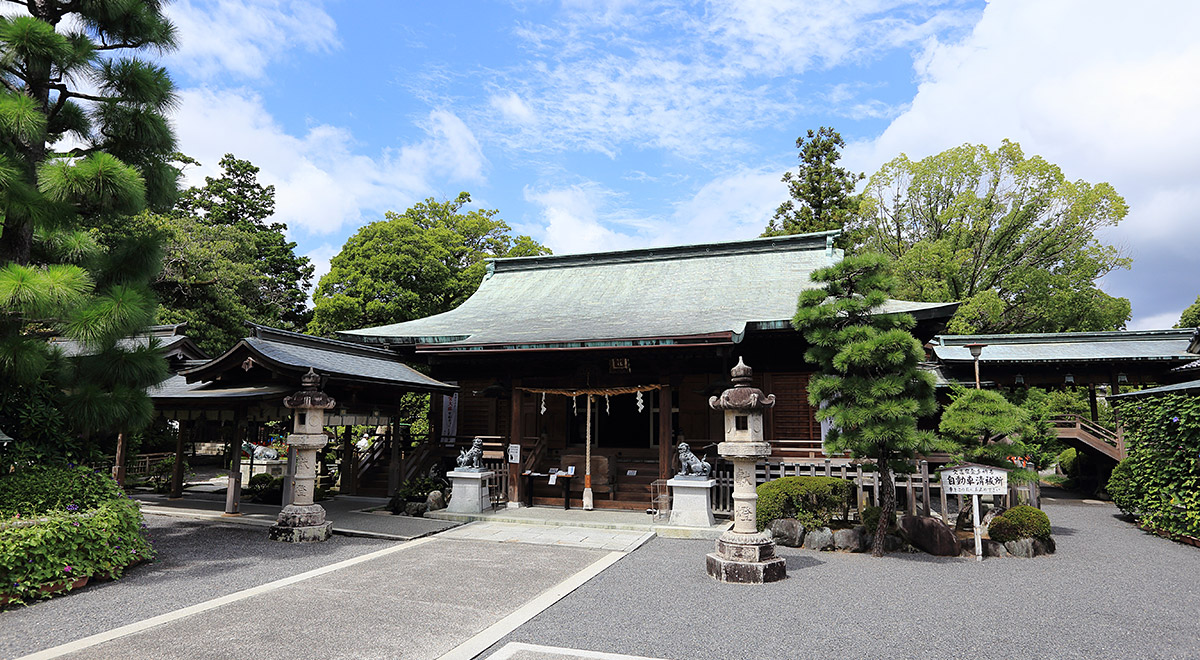
The main hall of Ooi Shrine is built in the traditional style of shrine architecture. A magnificent shimenawa (sacred rope) hangs in front of the worship hall, creating a solemn atmosphere. The shrine grounds are filled with a tranquil and refreshing atmosphere, providing an environment where one can pray with peace of mind.
Subsidiary Shrines and Monuments
Within the grounds of Ooi Shrine, there are several subsidiary shrines and monuments. Each has its own history and demonstrates faith in various deities other than the main deity. By strolling through the grounds and visiting these subsidiary shrines, you can offer deeper prayers.
The Legend of the White Snake
Ooi Shrine has a legend about a white snake. White snakes have been considered messengers of the gods since ancient times and are symbols of good fortune and business prosperity. This legend is one of the elements that enhances the mystique of Ooi Shrine.
Sacred Trees and Nature
The shrine grounds are filled with lush greenery, including sacred trees believed to be several hundred years old. It offers an environment where you can leave the hustle and bustle of the city and pray peacefully amidst nature.
Prayer and Worship Information
Reception Hours and Types of Prayer
Reception Hours: 8:30 AM – 5:00 PM (Open year-round)
*If you wish to request a prayer, it is recommended to inquire by phone in advance.
Main Types of Prayers:
- Prayer for Safe Childbirth (Obi-iwai – Celebration of Birth with a Baby’s Belt)
- First Shrine Visit (Omiyamairi – First Shrine Visit for a Newborn)
- Prayer for Shichi-Go-San (7-5-3 Festival)
- Protection from Evil Spirits
- Prayer for Traffic Safety
- Prayer for Family Safety
- Prayer for Business Prosperity
- Prayer for Success in Exams
- Other Various Prayers
Offering Fee (Prayer Fee)
Please inquire directly with the shrine regarding the offering fee for prayers. Generally, 5,000 yen and up is a guideline.
Items Available
At Ooi Shrine, you can receive items such as amulets, talismans, votive tablets, and goshuin (shrine stamps). The safe childbirth amulet is particularly popular, and many worshippers travel long distances to obtain it.
Goshuin (Shrine Stamp)
Goshuin can be obtained at the shrine office. Please visit during reception hours and bring your goshuincho (stamp book). The offering fee is usually around 300 to 500 yen.
Access and Transportation Information
Access by Train
Approximately 7 minutes on foot from Shimada Station on the JR Tokaido Main Line
Exit the north exit of Shimada Station and proceed straight north. Ooi Shrine is located near the site of the Masugata (square enclosure) at the western end of Shimada-juku. Its proximity to the station and easy access on foot are major advantages.
Access by Car
Approximately 20 minutes from Yoshida IC on the Tomei Expressway
Approximately 15 minutes from Shimada-Kanaya IC on the Shin-Tomei Expressway
For car navigation, please search for “2316 Ooi-cho, Shimada City, Shizuoka Prefecture” or “Ooi Shrine”.
Parking
There is parking available for visitors within and around the shrine grounds. Parking is usually available during normal visits, but it may become full during peak times such as New Year’s Day or the Obi Festival. Temporary parking may be set up during major festivals, so it is recommended to check in advance.
Address and Contact Information
Address: 2316 Oi-cho, Shimada City, Shizuoka Prefecture 427-0019
Phone: 0547-35-2228
Official Website: https://www.ooijinjya.org/
Nearby Tourist Attractions
History of Shimada-juku and the Tokaido Road
Ooi Shrine is located in Shimada-juku, a former post town on the old Tokaido Road. The surrounding area is dotted with historical sites that retain the atmosphere of Shimada-juku, as well as historical spots such as the Oi River Crossing Ruins. You can enjoy a historical walk along the Tokaido Road in conjunction with your visit to the shrine.
Oigawa Railway
The Oigawa Railway, famous for its steam locomotive (SL) trains, starts in Shimada City. A popular route is to enjoy a retro SL train ride followed by a visit to Ooi Shrine.
Horai Bridge
Horai Bridge, recognized by the Guinness Book of World Records as the world’s longest wooden pedestrian bridge, is a representative tourist spot in Shimada City. It is located about 10 minutes by car from Oi Shrine.
Shimada City Museum
This museum allows you to learn about the history of Shimada-juku and the Oi River. A visit is recommended to gain a deeper understanding of the historical background of Oi Shrine.
Manners and Points for Worship
Basic Worship Etiquette
- Bow Before Passing Through the Torii Gate
As a sign of respect before entering the sacred area, bow before the torii gate.
- Purify at the Water Basin
Purify your left hand, right hand, and mouth in that order, and finally rinse the handle of the ladle.
- Two Bows, Two Claps, One Bow
In front of the main hall, bow deeply twice, clap twice, and finally bow deeply once. ### Appropriate Attire for Visiting a Shrine
For regular visits, clean and understated clothing is acceptable. However, if you are receiving a prayer, avoid overly casual attire (shorts, sandals, etc.) and opt for slightly more formal attire such as a collared shirt or suit.
Photography
Photography is generally permitted within the shrine grounds, but photography inside the main hall or during prayers is often prohibited. Please observe proper etiquette and be considerate of other visitors.
Annual Events and Festivals
New Year’s Visit
Many visitors come for their first shrine visit of the year during the first three days of January. The shrine is bustling with people praying for good health and safety for their families in the new year. If you wish to avoid crowds, visiting during the Matsunouchi period (until January 7th), outside of the first three days, is recommended.
Setsubun Festival
On Setsubun (February 3rd or 4th), Shinto rituals such as bean-throwing are performed. Many visitors come to pray for protection against evil.
Grand Festival (Shimada Grand Festival/Obi Festival)
This is the largest festival, held once every three years in October. Please check the official website in advance for the next scheduled date.
Shichi-Go-San Season
October and November are peak seasons for Shichi-Go-San visits. Weekends and holidays are particularly crowded, so consider visiting on a weekday.
Frequently Asked Questions (FAQ)
Q: I would like to receive a prayer for safe childbirth at Ooi Shrine. Do I need a reservation?
A: Reservations are usually not required, but it can get crowded on holidays and auspicious days. If you want to be sure to receive the prayer, we recommend calling in advance (0547-35-2228). Reception hours are from 8:30 AM to 5:00 PM.
Q: Can I receive a prayer for safe childbirth on days other than the Day of the Dog?
A: Yes, prayers for safe childbirth are accepted at any time, not just on the Day of the Dog. Please choose a day when you are feeling well to visit. Q: Can I get a Goshuin (temple/shrine stamp)?
A: Yes, you can get a Goshuin at the shrine office. Please bring your Goshuincho (stamp book) and make a request during reception hours.
Q: Is parking free?
A: Parking for visitors is generally free. However, this may change during major festivals and other events, so please check in advance.
Q: When is the Obi Matsuri (sash festival) held?
A: The Obi Matsuri is held once every three years, in October of the Year of the Ox, Dragon, Goat, and Dog. The exact dates can be found on the official website or through the Shimada City Tourism Association.
Q: Is it possible to visit with a pet?
A: Generally, most shrines do not allow pets on their grounds. We recommend checking with the shrine in advance.
Q: How long does the prayer take?
A: The prayer itself takes about 20-30 minutes, but including registration and waiting time, it’s best to allow about an hour.
Summary
Oi Shrine is a representative shrine of Shizuoka Prefecture with a history of over 1100 years, enshrining three goddesses. It is widely worshipped as a guardian deity of women and children, and is associated with prayers for safe childbirth, first shrine visits for newborns, and Shichi-Go-San (a traditional Japanese rite of passage for children). Its Obi Festival, held once every three years, is nationally known as one of Japan’s three most unusual festivals.
Located just a 7-minute walk from JR Shimada Station, it’s a valuable spot where you can experience the history and culture of the Oi River while visiting the shrine. It’s recommended not only for those praying for safe childbirth or the healthy growth of children, but also for those seeking protection from evil, safe travels, or simply wanting to visit a historical shrine.
When visiting Shimada City, Shizuoka Prefecture, be sure to visit Oi Shrine and feel the gentle protective power of the three goddesses. In the tranquil atmosphere of the temple grounds, you will be able to offer your prayers with a peaceful heart.