Complete Guide to Watatsu Shrine | History, Goshuin (Shrine Seal), and Access Information for Sado’s Ichinomiya
Watatsu Shrine, located in Hamochi Iioka, Sado City, Niigata Prefecture, is a prestigious shrine that has long been revered by the islanders as the Ichinomiya (first-ranked shrine) of Sado Province. It is listed in the Engishiki Jinmyocho (a list of shrines compiled in the Heian period) and is known as the guardian deity of safe travel by land and sea. This article comprehensively introduces information useful for visiting Watatsu Shrine, including its history and origins, highlights of the grounds, goshuin information, and access methods.
What is Watatsu Shrine?
Watatsu Shrine is a shrine located in Hamochi Iioka, Sado City, Niigata Prefecture, and has been revered as the Ichinomiya of Sado Province. It enshrines Itakeru-no-Mikoto as its main deity, and also enshrines Ooyatsuhime-no-Mikoto and Tsumatsuhime-no-Mikoto as subordinate deities. These deities are all considered children of Susanoo-no-Mikoto and are known as the younger sisters of Isotakeru-no-Mikoto.
The shrine is listed as the first of the nine shrines in Sado Province in the Engishiki Jinmyocho (a list of shrines compiled in 927 AD), indicating its high status since ancient times. On May 14, 1871, it was designated a National Shrine of the lower rank, and after World War II, it became a Special Shrine under the jurisdiction of the Association of Shinto Shrines.
The Rank and Historical Position of Watari Shrine
Watari Shrine is the highest-ranking shrine among the nine Shikinaisha (shrines listed in the Engishiki) on Sado Island, known as “Ichinomiya” (first-ranked shrine). Shikinaisha refer to historically significant shrines listed in the Engishiki Jinmyocho, signifying their official recognition by the imperial court at the time. While there were nine Shikinaisha in Sado Province, Watari Shrine was positioned as the foremost among them, enjoying deep reverence from the islanders.
History and Origins of Wataritsu Shrine
The Mystery of its Founding and its Ancient Appearance
Unfortunately, the exact founding date of Wataritsu Shrine is unknown. This is because a major flood of the Hamochi River in June of Bunmei 2 (1470) washed away the shrine buildings, the temple’s administrative offices, and all the ancient documents. This flood resulted in the loss of valuable records detailing the shrine’s founding date and history.
However, its inclusion in the Engishiki Jinmyocho (a list of shrines compiled in the Heian period) confirms that it was already an important shrine at least by the early Heian period. While the full role Wataritsu Shrine played in ancient Sado remains shrouded in mystery, its status as a first-rank shrine has been passed down to the present day.
The Great Flood of 1470 and the Relocation
The most significant turning point in the history of Wataritsu Shrine was the great flood of the Hamochi River in Bunmei 2 (1470). This disaster swept away everything from the shrine buildings, ancient documents, to the temple’s administrative offices that were located on the original site. Following this tragedy, the shrine was relocated to its current location.
The current shrine grounds are situated on a hill along the Hamochi River, with Mount Imoseyama, the sacred mountain, behind it. It is believed that this location was chosen to avoid flood damage, and for over 500 years, it has continued to attract the faith of the islanders.
Developments since the Modern Era
In the Meiji era, in 1871 (Meiji 4), Wataru Shrine was designated a National Shrine of the Lower Rank, establishing its status as a national shrine. This was a recognition of its ancient history and its status as the Ichinomiya (first-ranked shrine). After World War II, with the abolition of the old shrine ranking system, the title of National Shrine of the Lower Rank was lost, but it continues to maintain its important status as a Special Shrine of the Association of Shinto Shrines.
Deities and Divine Virtues
Main Deity: Itakeru-no-Mikoto
Itakeru-no-Mikoto, the main deity of Watari Shrine, is a god appearing in Japanese mythology as the son of Susanoo-no-Mikoto. According to the *Nihon Shoki* (Chronicles of Japan), Itakeru-no-Mikoto traveled to the Korean Peninsula with his father and brought back many tree seeds to Japan, planting them throughout the land. For this reason, he has been revered as the “god of trees” and the “god of afforestation.”
In Sado, Itakeru-no-Mikoto is said to have promoted construction techniques using the island’s timber for houses, ships, and vehicles, and was also skilled in shipbuilding and navigation. Therefore, he has been deeply revered by the islanders as a guardian deity of land and sea, and especially as a guardian deity of traffic safety.
Enshrined Deities: Ooyatsuhime-no-Mikoto and Tsumatsuhime-no-Mikoto
Ooyatsuhime-no-Mikoto and Tsumatsuhime-no-Mikoto, enshrined alongside Itakeru-no-Mikoto, are both his sisters. These three deities are considered a family of “tree gods” and are revered as guardian deities of industries related to forestry, construction, and shipbuilding. Considering Sado’s long history of prosperity in shipbuilding and shipping, it’s clear that the worship of these deities was deeply intertwined with the island’s industrial development.
Divine Virtues and Faith
The divine virtues of Wataru Shrine are diverse, but it attracts worshippers particularly in the following areas:
- Traffic Safety: As a deity protecting land and sea transportation, many worshippers visit to have their cars blessed and pray for safe voyages.
- Industrial Development: Protection of industries such as forestry, construction, and shipbuilding.
- Family Safety: As a guardian deity of wooden buildings, worshippers pray for the safety of their homes.
- Good Fortune and Prosperity: Due to its divine power as the Ichinomiya (first shrine), worshippers pray for the fulfillment of various wishes.
During the New Year’s visit season, many worshippers come from all over the island, praying for safety and prosperity throughout the year.
Highlights of the Shrine Grounds
Imosebashi Bridge and Approach
Visiting Wataru Shrine begins with crossing the Imosebashi Bridge, with its beautiful vermilion railings, which spans the Hamochi River. The bridge’s name originates from Mount Imose, the sacred mountain towering behind it. Upon crossing the bridge, the first thing you see is the large torii gate. Located along National Route 81, this gate is an important landmark indicating the presence of Watari Shrine.
First and Second Torii Gates
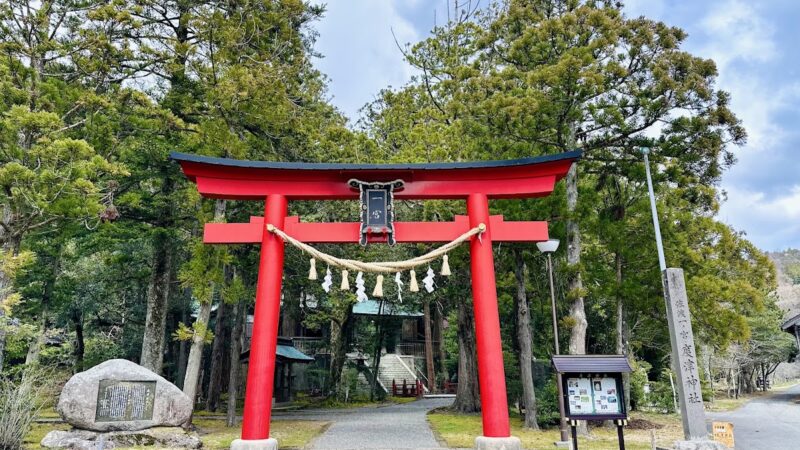
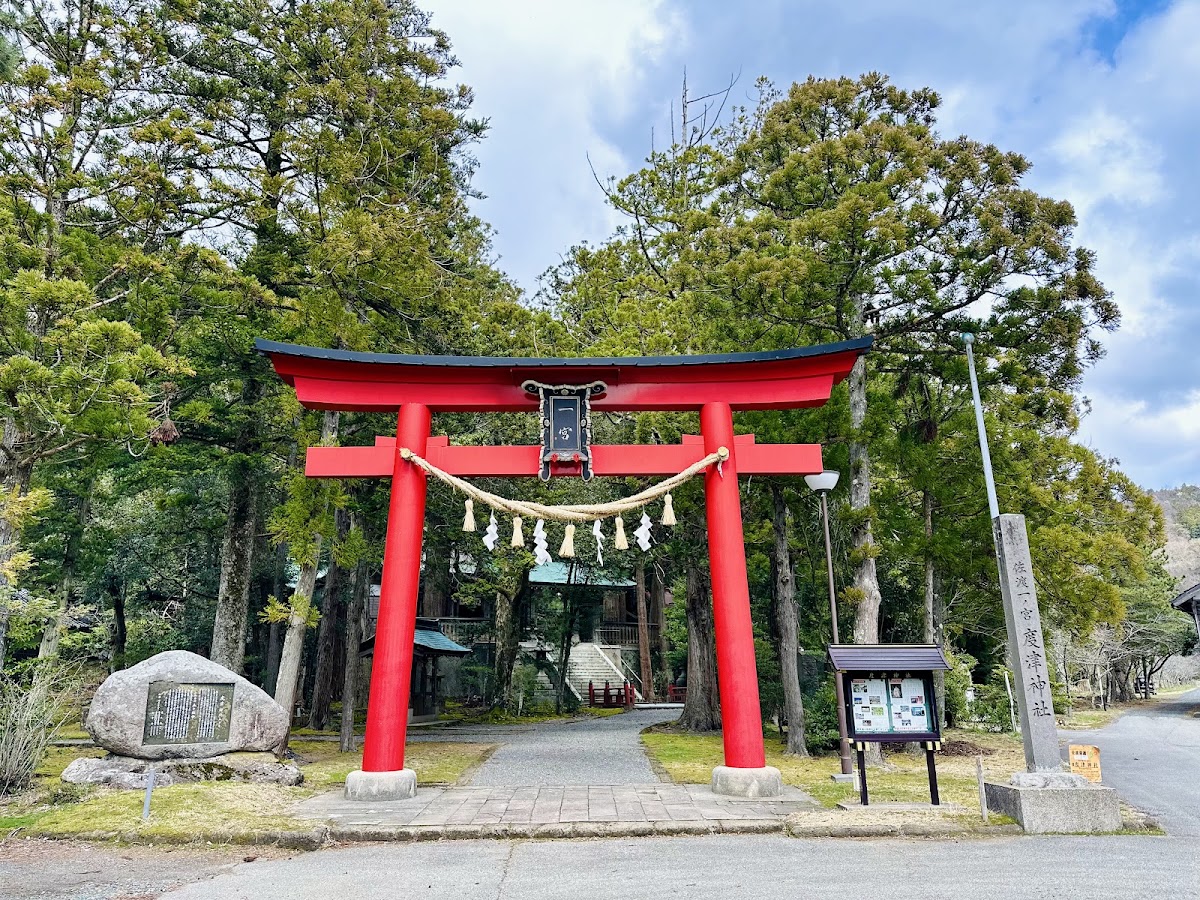
The entrance to the shrine grounds faces southwest, and the red first torii gate bears a plaque inscribed with “Ichinomiya” (first shrine). This plaque is a proud symbol indicating that Watari Shrine is the Ichinomiya (first-ranked shrine) of Sado Province. Passing through the first torii gate, the path continues, leading to the second torii gate. Walking along the path, you can feel the tranquil atmosphere surrounded by trees.
Worship Hall and Main Shrine
After passing through the second torii gate, the worship hall appears via the sacred gate. The current shrine building is based on a reconstruction after the 1470 flood, and has undergone further repairs and renovations since then. At the worship hall, visitors can offer their prayers, and beyond that sits the main shrine.
The shrine grounds are meticulously maintained, and a pure, clean atmosphere permeates the air. When visiting, quietly join your hands and express your gratitude and wishes to the gods, including Isotakeru-no-Mikoto.
Sacred Mountain: Imoseyama
Imoseyama, towering behind Watotsu Shrine, is revered as the sacred mountain of the shrine. The mountain itself is considered sacred and the source of the shrine’s divine power. Looking up at Imoseyama from the shrine grounds, one can feel the ancient Japanese form of worship where nature and gods are one.
Goshuin Information
Watotsu Shrine offers Goshuin (shrine stamps). Goshuin are popular among many visitors as proof of their visit and as a way to forge a connection with the shrine.
Features of the Goshuin
The Goshuin of Watotsu Shrine features the calligraphy and red seal of “Sado Province’s Ichinomiya” and “Watotsu Shrine.” The Goshuin (temple/shrine seal) signifying the prestige of this Ichinomiya (first-ranked shrine) is especially valuable for those undertaking pilgrimages to Sado Island or visiting other Ichinomiya shrines.
How to Obtain a Goshuin
You can obtain a Goshuin at the shrine office. After your visit, go to the shrine office, present your Goshuin book, and make a request. By paying a small offering (usually around 300 yen), you will receive a carefully inscribed Goshuin. Please note that the shrine office may be unattended, so if you want to be sure to receive a Goshuin, it is recommended to contact them in advance.
Access Information
Basic Information
Address: 550-4 Hamochi Iioka, Sado City, Niigata Prefecture
Phone: 0259-88-2030 (Shrine Office)
Visiting Hours: Grounds are open freely (Shrine office is open only during the day)
Parking: Available (Free)
Access to Sado Island
Sado Island, where Watatsu Shrine is located, can be accessed from the mainland by ferry or jetfoil.
From Niigata Port:
- Car Ferry: Approximately 2 hours 30 minutes to Ryotsu Port
- Jetfoil: Approximately 1 hour to Ryotsu Port
From Naoetsu Port:
- Car Ferry: Approximately 2 hours 40 minutes to Ogi Port
Watatsu Shrine is close to Ogi Port, so the route from Naoetsu Port to Ogi Port is convenient.
Access within the Island
From Ogi Port:
- Approximately 15 minutes by car
- Bus: Get off at the “Hamochi Iioka” bus stop on the Niigata Kotsu Sado Bus, then a short walk.
From Ryotsu Port:
- Approximately 1 hour by car
- Bus: Get off at the “Hamochi Iioka” bus stop on the Niigata Kotsu Sado Bus.
Located along National Route 81, access by car is the most convenient. Entering “Wataru Shrine” or the address into your car navigation system will ensure you arrive without any problems.
Rental Car Information
Renting a car is convenient for sightseeing on Sado Island. Both Ryotsu Port and Ogi Port have rental car offices, operating in conjunction with ferry arrivals. Besides Wataru Shrine, you can efficiently visit other island attractions such as the Sado Gold Mine and the Toki Forest Park.
Nearby Tourist Attractions
When visiting Wataru Shrine, we recommend also visiting nearby tourist attractions.
Kusakari Shrine
One of Sado’s Shikinaisha (shrines listed in the Engishiki, an ancient Japanese legal text), and like Wataritsu Shrine, it is a historically significant shrine. Located in a different area of the Hamochi district, it is a center of local faith.
Osaki Hakusan Shrine Noh Stage
Sado is known as an island where Noh theater flourishes, and many Noh stages remain on the island. The Noh stage at Osaki Hakusan Shrine is particularly well-preserved and a valuable spot for understanding Sado’s culture.
Edo Higan Cherry Tree at Hojo-bo
An ancient tree located in the Hamochi district, it blooms magnificently with cherry blossoms in spring. This Edo Higan cherry tree, estimated to be several hundred years old, symbolizes the richness of Sado’s nature.
Quaterme Sado
A hot spring facility located in the Hamochi district, perfect for relaxing after visiting the shrines. You can soak in the hot springs while enjoying the ocean view, relieving the fatigue of your journey.
Nearby Restaurants
Chobokuri
This restaurant offers dishes made with local ingredients. You can enjoy the bounty of Sado’s sea and mountains, and it’s popular with tourists.
Sumibi Kushiyaki Enman
This izakaya (Japanese pub) boasts charcoal-grilled skewers. Loved by locals, it’s a great place to enjoy a night out in Sado.
Gakkogura Cafe
This cafe, renovated from a former elementary school, offers a nostalgic atmosphere where you can enjoy meals and tea. They have a wide variety of dishes using Sado-produced ingredients, making it a recommended spot for a break during sightseeing.
Annual Events at Dotsu Shrine
Dotsu Shrine holds various festivals throughout the year.
Hatsumode (First Shrine Visit of the Year)
As the most prestigious shrine on Sado Island, many worshippers visit from all over the island for Hatsumode. The shrine is especially lively from New Year’s Day through the third day, with the grounds filled with people praying for safety and prosperity in the new year.
Annual Grand Festival
The annual grand festival, held every autumn, is the most important festival of Watari Shrine. It includes a portable shrine procession and the dedication of sacred dances, with the local community uniting to worship the deity.
Monthly Festivals
These are regular monthly festivals that support the daily rituals of the shrine. General worshippers are welcome to attend.
Manners and Points for Visiting a Shrine
Etiquette for Visiting a Shrine
When visiting Wataru Shrine, please observe the following basic etiquette:
- Bow before passing through the torii gate: As a sign of respect before entering the sacred area, bow before the torii gate.
- Walk along the edge of the path: The center of the path is considered the path of the gods, so walk along the edge.
- Purify yourself at the water basin: Purify your hands and mouth before proceeding to the main hall.
- Two bows, two claps, one bow: In front of the main hall, bow twice, clap your hands twice, and finally bow once.
Attire
There are no specific dress code requirements, but please be mindful that this is a sacred place and wear clean, understated clothing. Formal attire is especially desirable when attending festivals such as the annual grand festival.
Photography
Photography is generally permitted within the shrine grounds, but please be considerate and refrain from taking photos inside the main hall or during festivals. It is also important to be considerate of other worshippers and avoid causing any inconvenience.
The Charm of Watari Shrine
The greatest charm of Watari Shrine lies in the coexistence of its prestigious status as the Ichinomiya (first-ranked shrine) of Sado Province, with a history spanning over 1000 years, and its familiar faith rooted in the lives of the islanders. While possessing an ancient history listed in the Engishiki Jinmyocho (a list of shrines compiled in the Heian period), it remains a beloved guardian deity of traffic safety.
The scenery created by the shrine buildings quietly standing on the banks of the Hamochi River, the sacred mountain Imoseyama towering behind it, and the vermilion Imose Bridge, showcases a beautiful harmony between Sado’s nature and history. Having overcome the ordeal of the great flood of 1470, and continuing to attract worshippers in its current location for over 500 years, the shrine’s powerful spiritual efficacy speaks volumes.
When visiting Sado Island, we highly recommend visiting Watari Shrine and experiencing its prestige and history while offering a peaceful prayer. You can pray for safe travels and happiness, receiving the protection of gods including Isotakeru-no-Mikoto.
Summary
Wataru Shrine, located in Sado City, Niigata Prefecture, is a prestigious shrine that has attracted the faith of islanders from ancient times to the present day as the Ichinomiya (first-ranked shrine) of Sado Province. It is a Shikinaisha (shrine listed in the Engishiki Jinmyocho) and enshrines Isotakeru-no-Mikoto as its principal deity, protecting safe travel by land and sea.
Although the details of its founding are unknown due to the loss of ancient documents in the great flood of the Hamochi River in 1470, its status as the Ichinomiya and the faith it garnered have remained unwavering. The path to the shrine, crossing the Imose Bridge and passing through the first and second torii gates, is a precious time to shift one’s mind from the secular world to the sacred realm.
Wataru Shrine is also famous as a New Year’s visit spot, attracting many worshippers from all over the island. When visiting Sado Island, be sure to visit this historic Ichinomiya shrine and experience the island’s history, culture, and the blessings of the gods. Including receiving a Goshuin (shrine stamp) and exploring the surrounding tourist spots, you’re sure to enjoy a fulfilling trip to Sado.