Complete Guide to Mito Toshogu Shrine | History, Goshuin (Shrine Seals), Access, and Highlights Explained in Detail
Mito Toshogu Shrine is a prestigious shrine located in Mito City, Ibaraki Prefecture, dedicated to Tokugawa Ieyasu. Known as one of the “Three Great Toshogu Shrines” alongside Nikko Toshogu and Kunozan Toshogu, it attracts many visitors as a historical building associated with the Mito Tokugawa family. This article comprehensively explains everything you need to know before visiting, from the historical background of Mito Toshogu Shrine and its highlights to goshuin information, access methods, and points to consider when visiting.
What is Mito Toshogu Shrine?
Mito Toshogu Shrine was founded in 1621 (Genna 7) by Tokugawa Yorifusa, the first lord of the Mito domain. It enshrines Toshodai Gongen (Tokugawa Ieyasu) as its deity and has been revered as the guardian deity of the Mito domain.
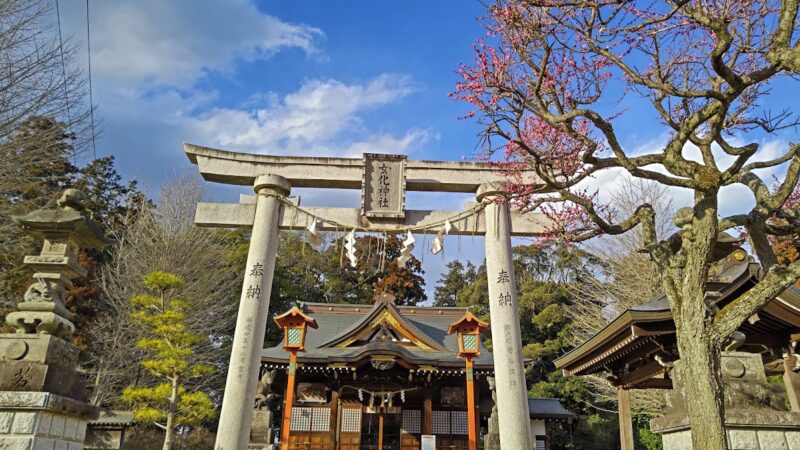
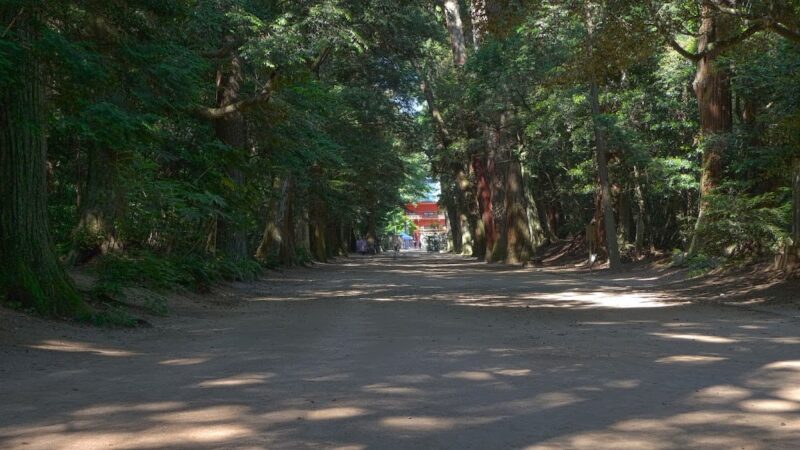
The current shrine building was rebuilt in 1873 (Meiji 6) and is designated as a cultural property of Ibaraki Prefecture. The grounds are lined with ancient trees hundreds of years old, creating a tranquil atmosphere that makes you forget the hustle and bustle of the city.
Located in the heart of Mito City, yet surrounded by abundant nature, the shrine grounds are popular not only with history buffs but also with those seeking a peaceful place of worship.
History of Mito Toshogu Shrine
Origin of Founding
The founding of Mito Toshogu Shrine dates back to 1621, shortly after the death of Tokugawa Ieyasu. Tokugawa Yorifusa, the first lord of the Mito domain, enshrined the Toshogu deity within Mito Castle out of reverence for his father, Tokugawa Ieyasu.
Yorifusa was born as the eleventh son of Ieyasu and dedicated himself to the development of Mito as the lord of the 250,000-koku domain. The construction of the Toshogu Shrine served to demonstrate the prestige of the Mito Domain, one of the three main branches of the Tokugawa family, and to perpetuate the legacy of Tokugawa Ieyasu to future generations.
Development by Successive Lords
After its construction, the Mito Toshogu Shrine was carefully protected and developed by successive lords of the Mito Domain. In particular, the second lord, Tokugawa Mitsukuni (known as Mito Kōmon), devoted himself to the repair of the shrine buildings and the expansion of the grounds.
While Mitsukuni valued Confucianism, he also held deep respect for Shinto, positioning the Toshogu Shrine as the spiritual pillar of the Mito Domain. Subsequently, successive lords held grand festivals, including the annual grand festival, further enhancing the shrine’s status.
###### Meiji Restoration and Reconstruction
In 1873 (Meiji 6), after the Meiji Restoration, the Mito Toshogu Shrine suffered a large-scale fire, destroying many of its buildings. However, thanks to the efforts of local philanthropists and former Mito domain samurai, the shrine was rebuilt within the same year.
This rebuilt shrine is the main hall that remains today and is protected as a designated cultural property of Ibaraki Prefecture. Since the Meiji era, it has continued to attract the faith of Mito citizens and has maintained its presence as a central point of local history and culture.
From Post-War to the Present
During the Mito air raids of World War II, a large part of Mito city was destroyed, but Mito Toshogu Shrine miraculously escaped the flames. After the war, as the region recovered, the number of worshippers increased, and it became a bustling place for annual events such as New Year’s visits and Shichi-Go-San (a traditional rite of passage for children).
Today, it is a representative historical shrine of Ibaraki Prefecture, attracting tourists and history enthusiasts. Furthermore, for local people, it continues to be a familiar shrine they visit at important milestones in their lives.
Highlights of the Shrine Grounds
Main Hall (Ibaraki Prefecture Designated Cultural Property)
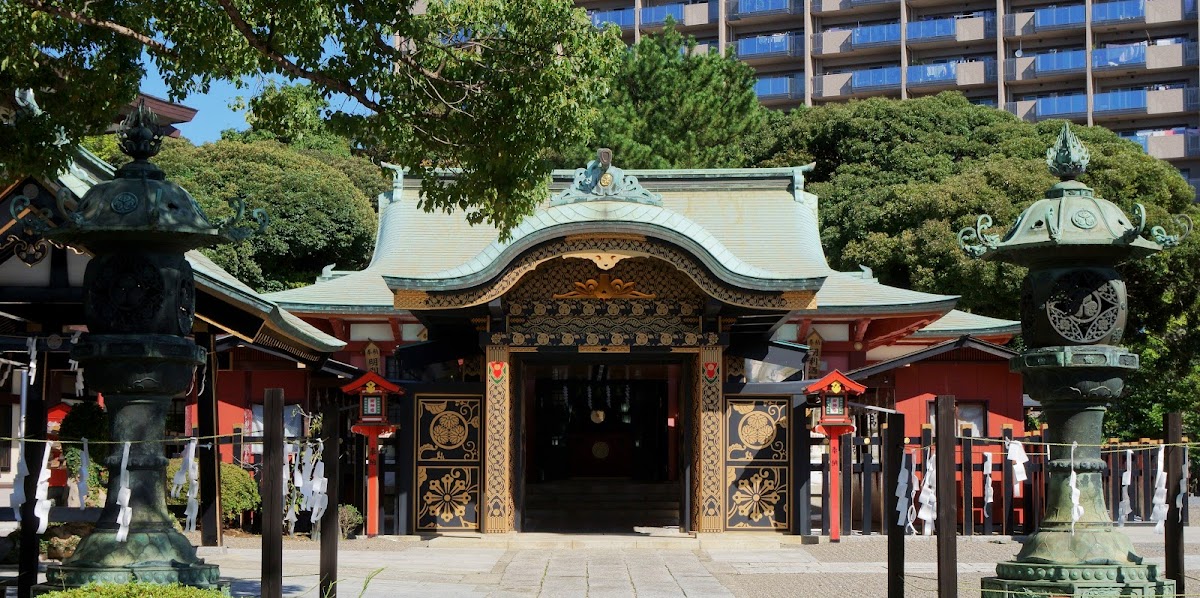
The main hall of Mito Toshogu Shrine is a Gongen-zukuri style building rebuilt in 1873 and designated as a cultural property of Ibaraki Prefecture. Gongen-zukuri is a unique architectural style that connects the main hall and the worship hall with a stone corridor, and is a characteristic of Toshogu shrine architecture, also seen at Nikko Toshogu Shrine.
The carvings and decorations of the main hall represent the pinnacle of Edo period craftsmanship, and the meticulously crafted details captivate viewers. In particular, the carvings of dragons, phoenixes, and lions are highly regarded as masterpieces that combine strength and elegance.
Worship Hall
The worship hall is a place where worshippers offer prayers and, like the main hall, possesses a solemn atmosphere. A wide approach leads to the worship hall, allowing for a peaceful and calming environment for worship.
Inside the main hall, the Tokugawa family crest, the “Three-Leaf Aoi” emblem, is placed throughout, indicating the shrine’s connection to the Tokugawa family.
Sacred Trees and Trees on the Shrine Grounds
Several ancient trees, estimated to be several hundred years old, stand on the shrine grounds, creating a sacred atmosphere. In particular, the large ginkgo tree standing beside the approach to the shrine displays magnificent yellow foliage in autumn, captivating many worshippers and photography enthusiasts.
These trees are living witnesses that have quietly watched over the long history of Mito Toshogu Shrine, and are an important element in forming the natural beauty of the shrine grounds.
Stone Lanterns and Water Basin
Numerous stone lanterns donated during the Edo period remain on the shrine grounds. These lanterns bear the names of the donors and the year of donation, testifying to the deep faith of the time.
The water basin is a place to purify oneself before worship, where one can cleanse their hands and mouth according to traditional customs. The purification fountain at Mito Toshogu Shrine is simple yet dignified, creating a fitting space to begin one’s visit.
Shrine Office and Gift Shop
The shrine office handles the issuance of Goshuin (shrine stamps) and the acceptance of various prayer requests. The gift shop offers amulets, ema (votive tablets), and omikuji (fortune slips), attracting many visitors seeking mementos of their visit or to make wishes.
Mito Toshogu Shrine offers a variety of amulets, including those for family safety, traffic safety, and academic success, each imbued with the blessings of Tokugawa Ieyasu.
Goshuin Information
Types and Designs of Goshuin
Mito Toshogu Shrine offers standard Goshuin. The Goshuin features the calligraphy of “Mito Toshogu” and the shrine’s red seal. The simple yet powerful calligraphy of the Goshuin makes it popular among Goshuin collectors.
The design of the Goshuin (temple/shrine stamp) may vary slightly depending on the season, but it generally maintains a traditional style. Limited edition Goshuin may also be offered during special festivals.
Goshuin Reception Hours and Location
Goshuin are issued at the shrine office. Reception hours are usually from 9:00 AM to 4:30 PM, but these may change depending on festivals and events, so it is recommended to check in advance.
If you bring your Goshuincho (stamp book), it will be written directly for you, but during busy times, pre-written Goshuin may be available. The offering fee is generally around 300 to 500 yen.
Goshuincho Sales
Mito Toshogu Shrine also sells original Goshuincho. These Goshuincho, featuring Mito Toshogu Shrine’s design, are perfect as a souvenir of your visit and as a starting point for your Goshuin pilgrimage.
The Goshuincho designs often feature motifs of the Tokugawa family crest or the shrine buildings, resulting in a dignified finish.
Annual Events and Festivals
Grand Festival (April 17th)
The most important festival of Mito Toshogu Shrine is the Grand Festival, held annually on April 17th. This day is close to the anniversary of Tokugawa Ieyasu’s death, and a grand ceremony is held to commemorate his virtues and express gratitude.
During the Grand Festival, a solemn ceremony is conducted by Shinto priests, and many local officials and devotees attend. It is a valuable opportunity to experience the history and prestige of Mito Toshogu Shrine through traditional Shinto rituals.
First Shrine Visit of the New Year
During the first three days of the New Year, many worshippers visit the shrine for their first shrine visit of the year. The shrine grounds are bustling with people praying for safety and prosperity in the new year, and especially in the early morning of New Year’s Day, one can welcome the start of the new year in a sacred atmosphere.
During the first shrine visit period, special amulets and protective arrows are given out, allowing visitors to receive blessings for the new year.
Shichi-Go-San (7-5-3 Festival)
In November, many families visit Mito Toshogu Shrine for Shichi-Go-San. This traditional event, praying for the healthy growth of children, is beloved by the local people.
The sight of children in their finest attire having their pictures taken against the backdrop of the shrine’s beautiful natural scenery is a characteristic autumn scene at Mito Toshogu Shrine.
Other Events
Various Shinto rituals are held throughout the year, including the Setsubun Festival, the Summer Purification Ceremony, and the Autumn Festival. These events offer valuable opportunities to experience traditional Japanese culture and foster the faith of the local people.
Access
Access by Train
The nearest station to Mito Toshogu Shrine is Mito Station on the JR Joban Line. From Mito Station, it’s approximately a 20-minute walk or you can take a bus.
Walking Route from Mito Station:
From the north exit of Mito Station, head north along National Route 50 towards San-no-maru. It’s located near the Mito Castle ruins and Kodokan, making it a recommended visit in conjunction with a historical walk.
Access by Bus:
From the Mito Station North Exit Bus Terminal, take an Ibaraki Kotsu bus and get off at the “Toshogu-mae” or “Mito Ichiko-mae” bus stop. It’s about a 5-minute walk from there. Buses run every 10 to 15 minutes.
Access by Car
If traveling by car, it’s about 20 minutes from the Joban Expressway “Mito IC” or about 25 minutes from the Kita-Kanto Expressway “Mito Minami IC”.
For car navigation systems, it’s convenient to enter “Mito Toshogu” or the address “2-5-13 Miyamachi, Mito City, Ibaraki Prefecture”.
Parking Information
Mito Toshogu has free parking for visitors. The parking lot has space for approximately 20 cars and can become full during busy periods such as New Year’s Day and the annual festival.
On days when congestion is expected, we recommend using nearby paid parking lots or public transportation. There are several coin-operated parking lots within Mito City that are within walking distance.
Manners and Etiquette for Visiting a Shrine
How to Pass Through the Torii Gate
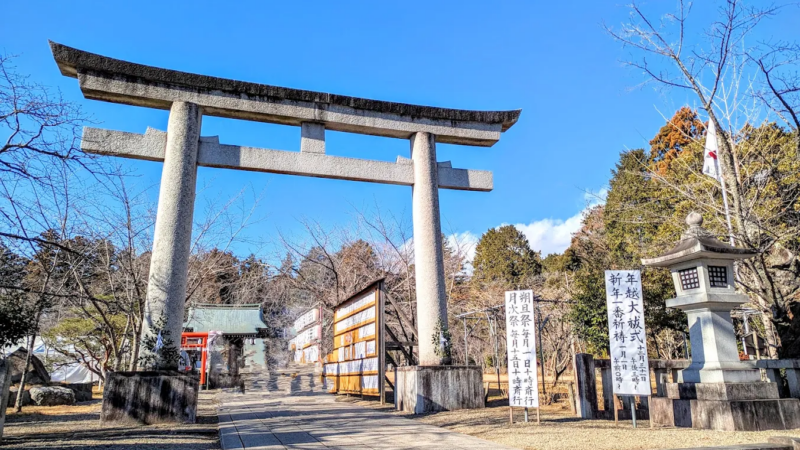
When entering the shrine grounds, you must first pass through the torii gate. The torii gate is the boundary separating the sacred realm from the secular world, and it is considered proper etiquette to bow before passing through it. When passing through the torii gate, avoid the center of the path and walk on either the left or right side.
How to Wash Your Hands at the Water Basin
Before praying, purify your body and mind at the water basin. The correct way to perform the ritual hand-washing is as follows:
- Take the ladle with your right hand and wash your left hand.
- Switch the ladle to your left hand and wash your right hand.
- Take the ladle back into your right hand, receive water in your left hand, and rinse your mouth.
- Wash your left hand again.
- Hold the ladle upright, rinse the handle, and return it to its original position.
Etiquette for Worship
The basic way to worship in front of the main hall is “two bows, two claps, one bow”:
- Place your offering in the offering box.
- If there is a bell, ring it.
- Bow deeply twice (two bows).
- Clap your hands twice at chest height (two claps).
- With your hands clasped together, silently recite your wish.
- Finally, bow deeply once (one bow).
Precautions within the Shrine Grounds
The shrine grounds are a sacred place, so please observe the following:
- Refrain from loud conversations and noise.
- Smoking and eating are prohibited except in designated areas.
- Pets are generally prohibited (excluding assistance dogs such as guide dogs).
- Photography is permitted, but please be considerate of the ceremony and other visitors.
- Please take all your trash with you.
Nearby Tourist Attractions
Kodokan
Located about a 5-minute walk from Mito Toshogu Shrine, Kodokan is an educational institution established in 1841 as the domain school of the Mito Domain. Founded by Tokugawa Nariaki, the 9th lord of the Mito Domain, it functioned as a place for educating the children of samurai.
Currently designated as a National Special Historic Site, part of the building is open to the public. It is also known as a famous spot for plum blossoms, with approximately 800 plum trees blooming in early spring.
Mito Castle Ruins
Near Mito Toshogu Shrine, the remains of Mito Castle can be found. Mito Castle was a castle that functioned as the center of Mito from the medieval period to the Edo period, and the main gate and earthworks have now been restored.
The area around Mito Castle ruins has been developed into a historical park with walking paths, allowing visitors to enjoy a historical stroll.
Kairakuen Garden
Kairakuen Garden, considered one of Japan’s three most famous gardens, is located about a 10-minute drive from Mito Toshogu Shrine. Created in 1842 by Tokugawa Nariaki, Kairakuen Garden is nationally renowned as a plum blossom viewing spot, boasting approximately 3,000 plum trees of about 100 varieties.
During the plum blossom season (late February to mid-March), the “Mito Plum Blossom Festival” is held, attracting many tourists. Besides plum blossoms, there are other attractions such as seasonal flowers, a bamboo grove, and the Kobuntei Pavilion.
Ibaraki Prefectural Museum of History
This museum, where you can learn about the history and culture of Ibaraki Prefecture, is about a 15-minute drive from Mito Toshogu Shrine. It exhibits historical materials from Ibaraki Prefecture’s prehistoric and ancient periods to the modern era, and also houses valuable materials related to the Mito Domain and the Tokugawa family.
Special exhibitions and themed exhibitions are held regularly, allowing visitors to gain a deeper understanding of Ibaraki Prefecture’s history.
Benefits of Mito Toshogu Shrine
Good Fortune and Career Advancement
Tokugawa Ieyasu is known as the unifier of Japan who survived the Sengoku period and established the Edo Shogunate. Therefore, Mito Toshogu Shrine is believed to bring good fortune and career advancement, attracting many visitors praying for improved career prospects and promotions.
Health and Longevity
Ieyasu lived to the unusually old age of 75 and is known for his excellent knowledge of health management. For this reason, Mito Toshogu Shrine is believed to bring benefits of health and longevity.
Academic Success
The Mito domain was known for its emphasis on learning, and it had many educational facilities, including the Kodokan. Mito Toshogu Shrine also has an aspect as a shrine dedicated to the god of learning, attracting students and those preparing for exams to pray for academic success.
Family Safety and Protection from Misfortune
Mito Toshogu Shrine, dedicated to Tokugawa Ieyasu, is known for its blessings of family safety and protection from misfortune. Visitors praying for family happiness and protection from disaster visit throughout the year.
Cultural Properties of Mito Toshogu Shrine
Ibaraki Prefecture Designated Cultural Property
The main hall of Mito Toshogu Shrine is designated as a cultural property of Ibaraki Prefecture. Although rebuilt in 1873, it is valued as a precious building that faithfully reproduces the architectural style of the Edo period.
The Gongen-zukuri structure and the detailed carvings are important cultural heritage that convey the high level of craftsmanship of the time.
Historical Documents
Mito Toshogu Shrine houses historical documents and offerings related to the Tokugawa family and the Mito domain. These documents are valuable historical materials for studying the history of the Mito domain and the nature of faith in the Edo period.
Some of these documents are sometimes made public on special occasions, attracting attention from history researchers and enthusiasts.
Best Time to Visit
Spring (March-May)
Spring is one of the best seasons to visit Mito Toshogu Shrine. From late March to early April, cherry blossoms bloom, enveloping the grounds in a vibrant atmosphere. The annual festival on April 17th is also held in spring, offering a solemn opportunity to witness the ceremony.
The weather is mild, making it an ideal time for historical walks, including visits to the surrounding Kairakuen Garden and Kodokan.
Autumn (September-November)
Autumn is a beautiful season for autumn foliage, with the large ginkgo tree on the grounds displaying magnificent yellow leaves. Mid-to-late November is particularly beautiful, attracting many photography enthusiasts.
It’s also the time for Shichi-Go-San (a traditional Japanese rite of passage for children), offering a beautiful contrast between children in their festive attire and the autumn leaves.
New Year’s Visit (January)
New Year’s visits are among the busiest events at Mito Toshogu Shrine throughout the year. Many worshippers visit to pray for good fortune in the new year, creating a lively atmosphere.
Although it’s a cold time of year, visiting the shrine in the refreshing air is a valuable experience that refreshes both mind and body.
Summary
Mito Toshogu Shrine is a prestigious shrine dedicated to Tokugawa Ieyasu, and is an important cultural heritage site in Ibaraki Prefecture with a history of over 400 years. Founded by Tokugawa Yorifusa, the first lord of the Mito domain, it developed as a center of local faith under the patronage of successive lords.
The shrine grounds offer many attractions, including the main hall (a designated cultural property of Ibaraki Prefecture), ancient trees hundreds of years old, and historical stone lanterns. The shrine also offers a variety of experiences for visitors, including the issuance of Goshuin (shrine stamps) and a full range of annual events.
Its convenient location within walking distance of Mito Station is also a major draw. Nearby are numerous historical sites associated with the Mito domain, such as the Kodokan, Mito Castle ruins, and Kairakuen Garden. Visiting these together allows for a deeper understanding of Mito’s history and culture. Mito Toshogu Shrine, believed to offer various blessings such as good fortune, career advancement, health and longevity, and academic success, is a must-visit shrine when you’re in Ibaraki Prefecture. Why not spend some precious time in its tranquil grounds, calming your mind and reflecting on the legacy of Tokugawa Ieyasu?
Mito Toshogu Shrine offers different charms to each visitor, whether history buffs, goshuin (shrine stamp) collectors, tourists, or local worshippers. Its profound history and dignified atmosphere are sure to provide visitors with a special experience.