
Complete Guide to Ibaraki Prefecture Gokoku Shrine | History, Goshuin (Seal Stamps), Access, and Highlights Explained in Detail
Ibaraki Prefecture Gokoku Shrine, located on Sakurayama in Mito City, Ibaraki Prefecture, is a solemn shrine dedicated to the spirits of those from Ibaraki Prefecture who died in battle from the end of the Edo period to World War II. Adjacent to Kairakuen Garden and known as a famous cherry blossom viewing spot, this shrine was founded through the deep respect and reverence of the people of Ibaraki Prefecture. This article provides a thorough explanation of everything you need to know before visiting, from the history of Ibaraki Prefecture Gokoku Shrine to its goshuin (seal stamps), highlights within the grounds, annual events, and access methods.
What is Ibaraki Prefecture Gokoku Shrine?
Ibaraki Prefecture Gokoku Shrine was founded in November 1941 (Showa 16) at its current location on Sakurayama in Mito City, as a shrine to comfort the spirits of those who sacrificed their precious lives for the country and to protect the Japanese people, in the hope of eternal peace and prosperity for our nation. Currently, the shrine enshrines approximately 63,494 deities and serves as a memorial shrine that tells the history of Ibaraki Prefecture, as well as a symbol of peace, attracting many worshippers. The grounds are lush and tranquil, and numerous memorials and monuments praying for peace and prosperity have been erected.
The Role and Significance of Gokoku Shrines
Gokoku shrines are shrines dedicated to those who sacrificed their lives to protect the country, and are established throughout Japan. Ibaraki Prefecture Gokoku Shrine is the central shrine for those who died in war in Ibaraki Prefecture, serving as a spiritual haven for bereaved families and residents of the prefecture.
The shrine’s crest is a “circle with a cherry blossom crest,” a fitting symbol given the place name Sakurayama (Cherry Blossom Mountain).
History of Ibaraki Prefecture Gokoku Shrine
Founding as a Shrine for the Deceased (1878)
The origins of Ibaraki Prefecture Gokoku Shrine date back to 1878 (Meiji 11). The shrine’s origins lie in its construction as a “Chinreisha” (a shrine dedicated to the repose of souls) within the grounds of Tokiwa Shrine, where the current Toko Shrine stands, to enshrine approximately 1,800 Mito domain samurai who perished around the time of the Meiji Restoration (after 1853).
During the turbulent period at the end of the Edo period, many Mito domain samurai lost their lives. The Chinreisha, built to appease their spirits, was truly a shrine dedicated to the Mito domain samurai who died protecting Mito and Japan.
Renaming and Relocation to Ibaraki Prefecture Gokoku Shrine (1941)
In the Showa era, the number of enshrined deities (war dead) increased due to the successive wars, including the First Sino-Japanese War, the Russo-Japanese War, and World War I. Because the grounds of Tokiwa Shrine became too small, in November 1941, a shrine building was constructed at its current location on Sakurayama, adjacent to Kairakuen Garden, and the shrine was relocated as an independent shrine.
At this time, the shrine was renamed “Ibaraki Prefecture Gokoku Shrine,” marking a new beginning as a shrine where the respect and reverence of all Ibaraki residents converged.
From the Post-War Period to the Present
Even after World War II, Ibaraki Prefecture Gokoku Shrine continued to hold memorial services and commemorative events to enshrine those from Ibaraki Prefecture who died in the war. Currently, prayers for protection against misfortune, safe childbirth, and successful relationships (love) are also offered, and the shrine is cherished as a symbol of peace.
About the Enshrined Deities
Ibaraki Prefecture Gokoku Shrine enshrines approximately 63,494 individuals from Ibaraki Prefecture who died in the war from the end of the Edo period to World War II.
Periods of the War Dead Enshrined Here
- Late Edo Period/Meiji Restoration: Mito Domain samurai from 1853 onwards
- Satsuma Rebellion: War dead of 1877
- First Sino-Japanese War: War dead of 1894-1895
- Russo-Japanese War: War dead of 1904-1905
- World War I: War dead of 1914-1918
- Manchurian Incident/Second Sino-Japanese War: War dead from 1931 onwards
- World War II: War Dead of 1941-1945
These spirits are those who sacrificed their precious lives for their country. At Ibaraki Prefecture Gokoku Shrine, we pray for eternal peace and comfort their spirits.
Highlights of the Shrine Grounds
Main Hall and Worship Hall
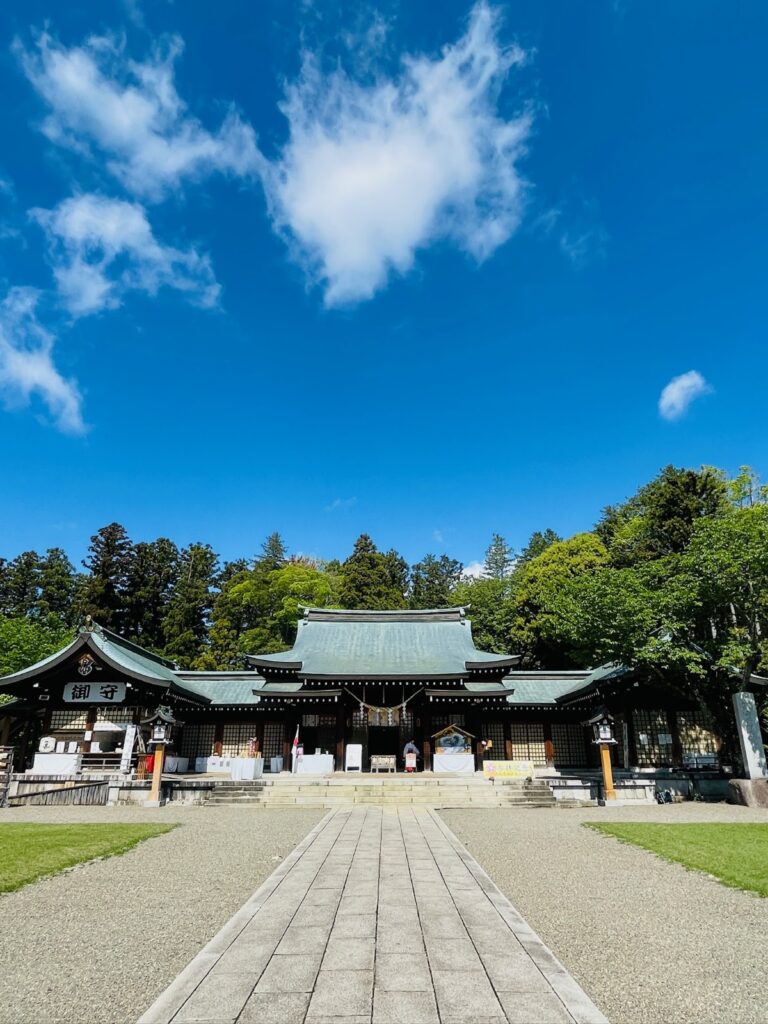
The shrine buildings, constructed in 1941, are majestic wooden structures. A spacious approach leads to the worship hall, creating a peaceful environment for worship.
Memorial Monuments
Many memorial monuments and monuments, praying for peace and prosperity, stand within the shrine grounds. Each monument bears the names of those who died in specific units or battlefields, preserving history for the present day.
Flower-decorated Water Basin
In recent years, Ibaraki Prefecture Gokoku Shrine has installed beautiful flower-decorated water basins seasonally, delighting visitors. The water basin, adorned with colorful flowers, has become a popular photo spot and is even featured on social media.
Cherry Blossoms of Sakurayama
Sakurayama, where Ibaraki Prefecture Gokoku Shrine is located, is one of Mito City’s most famous cherry blossom viewing spots. In spring, the shrine grounds and surrounding area are adorned with cherry blossoms, attracting many visitors. Many tourists also visit Kairakuen Garden, making it a representative spring scene in Mito.
Lush Green Grounds
The shrine grounds are lush with greenery, allowing visitors to experience the beauty of nature throughout the seasons. A stroll through the tranquil atmosphere is highly recommended.
Annual Events and Festivals
Ibaraki Prefecture Gokoku Shrine holds various festivals and events throughout the year.
Spring Grand Festival
The annual grand festival, held every spring, involves a Shinto ritual to comfort the spirits of the enshrined deities and pray for peace. Many bereaved families and related parties attend, creating a solemn atmosphere. ### Autumn Grand Festival
An annual grand festival is also held in autumn, and like the spring festival, a Shinto ritual for memorial services and prayers for peace is performed.
Mitama Festival
In summer, the Mitama Festival is held to comfort the spirits of the enshrined deities. Lanterns are lit throughout the shrine grounds, creating a mystical atmosphere.
New Year’s Visit
Many worshippers visit the shrine for their first shrine visit of the new year. It is bustling with people praying for peace and safety throughout the year.
Other Events
Monthly festivals and various prayer ceremonies are held as needed. For detailed schedules, we recommend checking the official website.
Goshuin (Shrine Seals) and Other Items
About Goshuin
Ibaraki Prefecture Gokoku Shrine offers goshuin as proof of worship. Goshuin can be obtained at the shrine office, and the carefully handwritten goshuin are popular as souvenirs of worship.
Goshuincho (stamp books) are also available, featuring original designs from Ibaraki Prefecture Gokoku Shrine.
Amulets and Souvenirs
Various amulets, talismans, and votive tablets are available at the shrine’s office.
- Exorcism Amulet: An amulet for protection against misfortune
- Safe Childbirth Amulet: An amulet for safe childbirth
- Matchmaking Amulet: An amulet for finding a good partner
- Traffic Safety Amulet: An amulet for safe traffic safety
- Academic Success Amulet: An amulet for academic success
These amulets are carefully crafted with each individual wish in mind.
How to Visit and Etiquette
Basic Visiting Etiquette
- Passing Through the Torii Gate: Bow before passing through the torii gate.
- Purifying at the Water Basin: Purify your left hand, right hand, and mouth in that order.
- Walking Along the Path: The center of the path is considered the path of the gods, so walk along the sides.
- Worshiping in Front of the Main Hall: Worship using the two bows, two claps, and one bow ritual.
- Leaving the Torii Gate: Turn around and bow.
Mindset as a Memorial Shrine
Ibaraki Prefecture Gokoku Shrine is a memorial shrine dedicated to those who died in war. When visiting, please be mindful of showing gratitude and respect to those who sacrificed their lives for their country, and worship quietly.
Access Information
Location
1-2-1 Mikawa, Mito City, Ibaraki Prefecture 310-0912
Access by Public Transportation
From JR Mito Station
- By Bus: Take the Ibaraki Kotsu bus bound for Mikawa from the north exit of Mito Station, get off at the “Sakurayama” bus stop, and walk for approximately 3 minutes (total travel time approximately 15 minutes).
- By Taxi: Approximately 10 minutes from Mito Station.
From Kairakuen Garden
- Approximately 10 minutes on foot (from the east gate of Kairakuen Garden).
Access by Car
- Joban Expressway: Approximately 20 minutes from Mito IC
- Kita-Kanto Expressway: Approximately 15 minutes from Mito-Minami IC
Parking
There is a free parking lot for visitors on the temple grounds. Due to limited spaces, congestion is expected during festivals and cherry blossom season. In that case, you can use the parking lots around Kairakuen Garden.
Nearby Tourist Attractions
Kairakuen Garden
One of Japan’s three most famous gardens, located about a 10-minute walk from Ibaraki Prefectural Gokoku Shrine. It’s famous for its plum blossoms, and the “Mito Plum Blossom Festival” is held there in spring.
Tokiwa Shrine
A shrine dedicated to Tokugawa Mitsukuni (Mito Kōmon), the second lord of the Mito Domain, and Tokugawa Nariaki, the ninth lord. It’s located on the site of the Chinreisha Shrine, the origin of Ibaraki Prefectural Gokoku Shrine, and has historical ties to the area.
Tōko Shrine
A shrine located within the grounds of Tokiwa Shrine, dedicated to Fujita Tōko, a senior retainer of the Mito Domain. The current location of Tōko Shrine is the former site of the Chinreisha Shrine.
Kōdōkan
The domain school of the Mito Domain, known as one of the largest domain schools in Japan. It’s also a famous spot for plum blossoms and is designated a National Special Historic Site as a historical building.
Mito Art Tower
As a hub for contemporary art, it hosts a variety of events in the fields of music, theater, and fine arts. The 100-meter-tall tower is a landmark of Mito.
Best Season for Visiting
Spring (Late March – Early April)
The cherry blossoms on Sakurayama are in full bloom, making it the most beautiful season. Combined with the plum blossoms at Kairakuen Garden, you can fully enjoy spring in Mito. However, it gets crowded with tourists.
Early Summer (May – June)
The fresh greenery is beautiful, and the weather is mild, making it a suitable season for visiting. It’s relatively uncrowded, allowing for a peaceful visit.
Autumn (October – November)
The Autumn Grand Festival is held, and the autumn foliage can be enjoyed. On clear autumn days, it’s a refreshing time to visit.
New Year’s Visit (January 1st – 3rd)
The shrine is bustling with visitors praying for peace and safety in the new year. Although it is a cold season, you can welcome the New Year in a solemn atmosphere.
Prayers at Ibaraki Prefectural Gokoku Shrine
At Ibaraki Prefectural Gokoku Shrine, in addition to prayers for remembrance and peace, various other prayers are also accepted.
Main Prayers
- Exorcism: Exorcism of bad luck during unlucky years
- Prayer for Safe Childbirth: Prayers for safe childbirth and the health of mother and child
- Matchmaking: Prayers for good relationships
- Family Safety: Prayers for the safety and prosperity of the family
- Traffic Safety: Prayers for protection from traffic accidents
- Business Prosperity: Prayers for the prosperity of business
- Academic Success: Prayers for academic success
If you wish to make a prayer, it is recommended that you contact the shrine office in advance.
Shrine Office and Visiting Hours
Visiting Hours
The shrine grounds are generally open all day, but the shrine office’s reception hours are as follows:
- Shrine Office Hours: 9:00 AM – 5:00 PM (approximate)
*Hours may change due to festivals and events. Please check the official website or call for details.
Contact Information
For the latest information on Ibaraki Prefecture Gokoku Shrine and festival schedules, please check the official website or social media (Instagram). Telephone inquiries are also accepted.
Summary of the Charms of Ibaraki Prefecture Gokoku Shrine
Ibaraki Prefecture Gokoku Shrine is a memorial shrine that tells the history of Ibaraki Prefecture and plays a role as a symbol of peace. Since its founding in 1878 (Meiji 11), it has enshrined approximately 63,494 war dead from Ibaraki Prefecture, and continues to comfort their spirits.
Since relocating to its current location in Sakurayama, Mito City in 1941 (Showa 16), the lush grounds have displayed beauty throughout the seasons, and are especially bustling with worshippers and tourists during the cherry blossom season in spring. The solemnity of this memorial shrine, combined with beautiful touches such as flower arrangements in the water basin, creates a harmonious atmosphere that soothes the hearts of visitors.
Visiting it along with other nearby attractions like Kairakuen Garden and Tokiwa Shrine allows for a deeper understanding of Mito’s history and culture. When visiting Mito, we highly recommend visiting Ibaraki Prefecture Gokoku Shrine and offering a prayer for peace.
Notes on Visiting Ibaraki Prefecture Gokoku Shrine
Attire
While there are no specific dress code requirements for visiting, it is preferable to wear modest, understated clothing, considering it is a memorial shrine. Formal attire or equivalent is recommended if you plan to offer prayers or receive blessings.
Photography
Photography is generally permitted within the shrine grounds, but restrictions may apply inside the main hall or during ceremonies. Please also be considerate of other visitors. When taking photos at designated photo spots such as the flower arrangement water basin, please observe proper etiquette.
Regarding Pets
We recommend checking in advance whether pets are allowed at the shrine. Generally, there may be restrictions at memorial shrines.
Accessibility Information
The shrine grounds are mostly flat, but there are some steps. If you wish to visit in a wheelchair, we recommend consulting with the shrine office in advance.
Ibaraki Gokoku Shrine is an important shrine symbolizing the history and peace of Ibaraki Prefecture. Let us offer our prayers for peace in quiet, with gratitude and respect for those who died in the war.
