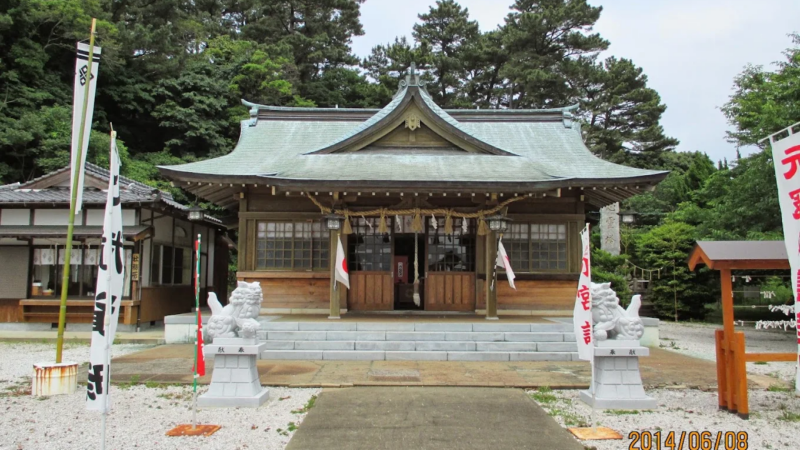
Myosenji Temple Complete Guide | A Thorough Explanation of History, Access, Goshuin (Temple Seals), and Prayers
There are several temples named Myosenji throughout Japan. Most belong to the Nichiren sect, and each has its own unique history and characteristics. This article provides a comprehensive explanation of Myosenji Temple, which attracts many visitors and attention, from its historical background to its current activities.
What is Myosenji Temple? – Characteristics and Overview of Nichiren Sect Temples
Myosenji is the name of a temple belonging to the Nichiren sect, scattered throughout Japan. The Nichiren sect is a Buddhist sect founded by Nichiren Shonin during the Kamakura period, and its fundamental scripture is the Lotus Sutra. Each Myosenji temple has a long history as a place of faith rooted in its local community.
As a Nichiren sect temple, Myosenji Temple’s basic practice is chanting the mantra “Namu Myoho Renge Kyo.” Many temples house statues of Nichiren Shonin and Buddhist statues related to the Lotus Sutra within their grounds. A distinctive feature is their aim to be an open temple, welcoming not only parishioners but also general visitors.
Myosenji Temple, Yanaka, Taito-ku, Tokyo – Famous for its “Statue that Drives Away Poverty”
History and Origin of Yanaka Myosenji Temple
Located in Yanaka, Taito-ku, Tokyo, Myosenji Temple is a venerable temple with a history of approximately 380 years. Its head temple is Honnoji Temple in Kyoto, and it continues to uphold traditions dating back to the early Edo period. Yanaka is known as a temple town, and Myosenji Temple stands in a quiet residential area with many temples.
Its convenient location, just a 7-minute walk from Nezu Station on the Chiyoda Line, makes it a popular spot for both local residents and tourists. The historic architecture and tranquil grounds provide a peaceful space for relaxation despite being in the heart of the city.
The Origin and Benefits of the “Statue That Drives Away Poverty”
Myosenji Temple in Yanaka is particularly attracting attention for its “Statue That Drives Away Poverty.” This statue is popular with worshippers seeking improved financial fortune and business prosperity, and has become a topic of discussion on social media.
The direct and easily understandable benefit of “driving away poverty” resonates with modern people burdened with economic anxieties, attracting many visitors. The belief that praying before the statue with clasped hands and heartfelt devotion will lead to increased financial fortune and stability in life has taken root.
Access and Visiting Hours
Location: Yanaka, Taito-ku, Tokyo
Nearest Station: 7-minute walk from Nezu Station on the Tokyo Metro Chiyoda Line
Other Access: Within walking distance from Nippori Station on the JR Line
While visits are generally free, it is recommended to contact the temple in advance if you wish to request a memorial service or prayer. The head priest and temple staff will provide courteous assistance.
Funeral, Memorial Service, and Perpetual Memorial Service Services
At Myosenji Temple in Yanaka, anyone, not just temple parishioners, can request funeral, memorial service, perpetual memorial service, and prayers. We also address sudden concerns regarding Buddhist rituals and accept consultations regardless of religious affiliation.
Our flexible approach is characterized by our ability to accommodate modern lifestyles, offering various funeral formats such as family funerals and one-day funerals. We also provide memorial services that meet the needs of the times, including memorial services for stillborn babies and pets.
Myosenji Temple in Edogawa Ward, Tokyo – Perpetual Memorial Service and Columbarium “Kuonbyo”
History of Myosenji Temple in Edogawa Ward, Tokyo
Located in Edogawa Ward, Tokyo, Myosenji Temple is a Nichiren Buddhist temple founded in 1634 (Kanei 11). With a long history of approximately 390 years, it has functioned as a center of local faith since the Edo period.
This area was once the territory of Matsuura Kawachi-no-kami Nobumasa (1695-1769), a hatamoto (direct retainer of the shogun) who served as Commissioner of Finance and Magistrate of Nagasaki. This temple still possesses a sutra copying tower and a portrait donated by Nobumasa, which are preserved as Edogawa Ward’s designated tangible cultural properties. These cultural properties are valuable historical materials that convey the faith and culture of the Edo period.
Atakemaru Inari and the Faith for Business Prosperity
Within the temple grounds is an octagonal hall dedicated to Atakemaru Inari. This Inari hall has attracted the faith of ordinary people as “Inari-sama,” the god of business prosperity. Atakemaru Inari is particularly revered by local shopkeepers and business owners, and there is a constant stream of worshippers praying for business prosperity and family safety.
The distinctive octagonal architectural style is also a highlight, adding a unique charm to the temple grounds.
Perpetual Memorial Grave and Columbarium “Kuonbyo”
Myosenji Temple in Edogawa Ward offers “Kuonbyo,” a columbarium and perpetual memorial grave that can be used regardless of religious affiliation. It is attracting attention as a new form of memorial service that responds to the changing family structures and the aging population.
The features of Kuonbyo are as follows:
- No Religious Affiliation Required: Anyone can use it.
- Perpetual Memorial Service: The temple will take responsibility for memorial services even if there are no successors.
- Excellent Transportation Access: Convenient access from the city center.
- Well-Maintained Facilities: A clean and safe environment.
For costs and details, please contact the temple directly. They will propose the most suitable plan for your individual circumstances.
Transportation Access
Myosenji Temple in Edogawa Ward is accessible from multiple train lines, making it convenient for visits and memorial services. For specific access information, we recommend checking the latest information on the temple’s official website.
Myosenji Temple in Shizuoka Prefecture – Shimizu Ward and Fuji City
Myosenji Temple in Ejiri-Higashi, Shimizu Ward, Shizuoka City
There is also a Myosenji Temple in Ejiri-Higashi, Shimizu Ward, Shizuoka City, Shizuoka Prefecture. Its mountain name is Hon’ozan, and it operates as a Nichiren Buddhist temple deeply rooted in the community.
Location: 3-5-4 Ejiri-Higashi, Shimizu Ward, Shizuoka City, Shizuoka Prefecture
Shimizu Ward has a history of flourishing as a port town, and Myosenji Temple has played a part in that history. It primarily serves local parishioners, conducting funerals, memorial services, and annual events.
Myosenji Temple in Fuji City – Yuno-no-Sato
“Nichiren Buddhist Temple Yuno-no-Sato Myosenji Temple,” located in Fuji City, Shizuoka Prefecture, is a temple situated in a rich natural environment. Upholding the philosophy of “Heaven, Earth, and Man,” we cherish the following ideas:
- Heaven: The connection we receive from Buddha
- Earth: Our natural, arising feelings
- Man: The true “aspiration” we choose for ourselves
The head priest teaches that by walking with our own aspirations in our hearts, we can realize a healthier, more peaceful, and prosperous society. We strive for a society where all life shines, and we are committed to managing the temple in collaboration with the community.
Myosenji Temple, Kamata, Ota-ku, Tokyo – Honmon Butsuryu-shu
Myosenji Temple in Kamata belongs to the Honmon Butsuryu-shu sect. Its predecessor was Myosho Church, a main hall established in the Rokugo district in 1944.
History of Reconstruction After War Damage
The main hall was completely destroyed by fire during the war, but thanks to the efforts of the parishioners, it was rebuilt in 1959 in its current location in Kamata and rebuilt as Myosenji Temple. This history of reconstruction speaks to the power of faith and the strength of community bonds.
Access
Located in a prime location, just 10 minutes by train from Haneda Airport and a 10-minute walk from Keikyu Kamata Station. It’s easily accessible for visitors from both Japan and abroad.
Other Myosenji Temples
Myosenji Temple in Nakagyo Ward, Kyoto City
There is also a Myosenji Temple in Kamigawara-cho, Sanjo-dori Omiya Nishi-iri, Nakagyo Ward, Kyoto City, Kyoto Prefecture. It continues to preserve traditional temple culture within the historic city of Kyoto.
Myosenji Temple in Nara Prefecture – Daikakuzan
Daikakuzan Myosenji Temple in Nara Prefecture is a temple with a long and rich history, dating back over 670 years since its founding. Under the leadership of Chief Priest Toshihiro Yamazaki, the temple operates in a way that preserves tradition while being open to modern times.
Myosenji Temple in Toyohashi City, Aichi Prefecture
There is also a Myosenji Temple in Toyohashi City, Aichi Prefecture, which is featured as a tourist spot. This is a popular spot for tourists who enjoy visiting shrines and temples.
Services and Events Available at Myosenji Temple
Funeral and Memorial Service Services
Many Myosenji temples offer the following funeral and memorial service services:
- Funeral: Various formats available, including family funerals, general funerals, and one-day funerals.
- Memorial Services: Annual memorial services such as the seventh day, forty-ninth day, first anniversary, and third anniversary.
- Obon and Segaki Memorial Service: An important event for honoring ancestors.
- Higan Memorial Service: A memorial service held during the spring and autumn equinoxes.
Prayers and Memorial Services
We accept various prayers and memorial services according to individual wishes and needs:
- Family Safety: Prayers for the health and peace of the family.
- Business Prosperity: Prayers for the development of the business.
- Academic Success: Prayers for success in exams and academics.
- Mizuko Kuyo: Memorial services for the repose of miscarried or stillborn children.
- Pet Memorial Service: Memorial service for pets who are like family.
- Ancestral Memorial Service: Gratitude and memorial service for ancestors.
Perpetual Memorial Service & Columbarium
An increasing number of Myosenji temples are offering perpetual memorial service and columbarium services tailored to modern lifestyles. This provides a reassuring option for those without successors or those who do not want to burden their children.
Goshuin (Temple Seals)
For those who enjoy visiting temples and shrines, goshuin are important mementos. Many Myosenji temples offer goshuin, which are popular as souvenirs of visits. Goshuin reflect the history and characteristics of the temple, making them enjoyable to collect.
When receiving a Goshuin (temple stamp), please observe the following etiquette:
- Receive the Goshuin after offering prayers.
- Prepare a Goshuincho (avoid using notebooks or paper).
- Request using polite language.
- Prepare the Goshuin fee in advance.
Unique Initiatives of Myosenji Temple
Myosenji Phayao Branch Temple (Thailand)
Some Myosenji temples are also engaged in international activities. They have established a branch temple in Phayao, Thailand, deepening Buddhist exchange between Japan and Thailand. This initiative aims to contribute to international understanding and peace through Buddhism.
Myosenji Memorial Garden Ueno
Some Myosenji temples operate a memorial garden as a new urban style of memorial service. Located in the prime location of Ueno in central Tokyo, it offers a modern columbarium and memorial facility.
Guesthouse/Homestay Business
Some Myosenji temples utilize parts of their temple grounds as guesthouses or homestays. This is a new initiative to make temples more accessible and provide opportunities to experience Buddhist culture.
Guests can participate in morning services, enjoy conversations with the head priest, and spend special time at the temple.
Points to Note When Visiting Myosenji Temple
Etiquette for Visiting a Temple
When visiting a temple, please observe the following basic etiquette:
- Attire: Modest, understated clothing is preferable.
- Quietness: Please remain quiet within the temple grounds and avoid disturbing other visitors.
- Photography: Please refrain from taking photographs in areas where photography is prohibited.
- Offerings: Please offer a sincere donation within your means.
- Greetings: Please greet the head priest and temple staff politely when you encounter them.
When Advance Contact is Necessary
It is recommended to contact the temple in advance in the following cases:
- You wish to request a funeral or memorial service.
- You wish to receive prayers.
- You wish to inquire about perpetual memorial services or interment.
- You wish to obtain a Goshuin (temple stamp) to ensure availability (to avoid times when the head priest is absent).
- You wish to visit as a group.
Check the official information for each Myosenji temple.
Since there are multiple temples named “Myosenji” throughout Japan, be sure to check the official website and contact information of the temple you intend to visit before your trip. It’s important to obtain the latest information on location, transportation access, opening hours, and event schedules.
Photo Gallery – The Charm of Myosenji Temples in Photos
Each Myosenji temple’s official website and social media accounts showcase photos of the temple grounds, seasonal scenery, and events. Checking the photo gallery before your visit allows you to get a feel for the temple’s atmosphere.
In particular, distinctive features such as the “Statue that Drives Away Poverty” and the octagonal hall of Atakamaru Inari are popular photo spots. However, when taking photos, be sure to follow the temple’s rules and be considerate of other visitors.
Message from the Abbot – Encounters and Words
Many Myosenji abbots value their encounters with visitors and strive to convey Buddhist teachings in easy-to-understand language. Opportunities for direct dialogue with the abbot are also provided through Dharma talks and discussion meetings. Myosenji Temple has earned the trust of many visitors by explaining complex Buddhist doctrines in language relevant to modern life and by offering support to those struggling with worries and anxieties. Creating an atmosphere where people can easily seek advice is also an important element that modern temples strive for.
Myosenji Temple and the Local Community
Myosenji Temple is not merely a religious facility; it also plays a central role in the local community. By participating in local festivals and events, and hosting events for children, it deepens its ties with local residents.
Especially in urban areas, temples serve as valuable gathering places for local people, functioning as spaces for intergenerational exchange. Participating in events together fosters a sense of community and contributes to creating a more livable society.
Summary – Find the Myosenji Temple that’s right for you
Myosenji Temples exist throughout Japan, each with its own unique history and characteristics. Whether you pray for improved financial fortune at the “Statue of Poverty’s Departure” in Yanaka, consider perpetual memorial services at the Kuonbyo mausoleum in Edogawa Ward, or seek peace of mind amidst the rich natural environment of Shizuoka, you can choose according to your purpose.
Modern temples, while preserving tradition, offer flexible services that meet the needs of the times. Beyond funerals and memorial services, they provide various forms of support, including memorial services for stillborn babies, pets, prayers, and perpetual memorial services.
Some may feel that temples are intimidating, but many Myosenji temples strive to create a welcoming atmosphere for casual visits. Why not start with something simple, like getting a temple stamp?
Meeting the head priest and temple staff, spending time in the tranquil grounds, and experiencing Buddhist teachings will be a valuable opportunity to find peace of mind in our busy modern lives. Find a Myosenji temple that suits your purpose and location, and please visit it at least once.