Daikoji Temple Complete Guide | The Charm and Visiting Information of a Historic Jodo Sect Temple in Fushimi, Kyoto
Located in Hoki-cho, Fushimi-ku, Kyoto City, Daikoji Temple is a historic temple of the Chinzei branch of the Jodo sect, dating back to the Kamakura period. Its mountain name is Fujisawa-san, and its temple name is Hogon-in. It houses a statue of Amida Buddha, created during the Azuchi-Momoyama period, as its principal image. This article provides a comprehensive guide to the temple’s charm, including its detailed history, highlights within the grounds, access methods, and its connection to the Fushimi Gimin Incident and the Shinsengumi.
History and Origin of Daikoji Temple
From Founding to the Edo Period
Daikoji Temple was founded in Bun’o 1 (1260) during the Kamakura period. It is said to have been founded by Kūzōbō Kankai Shōnin, a sixth-generation grand-disciple of Hōnen Shōnin, the founder of the Jodo sect. The temple’s original name was “Daikomyoji,” and it was located in the village of Sokuseiin, in what is now Matsudaira Musashi, Momoyama-cho, Fushimi-ku, Kyoto City.
Daikoji, which had deep ties to the imperial family from its inception, underwent a major transformation in the early Edo period. It was granted the site of the former residence of Aoyama Hoki-no-kami, located on the main street of Fushimi Castle, by Kobori Enshu of the Fushimi Magistrate’s Office, and relocated to its current location in Hoki-cho, Fushimi-ku, Kyoto City. Aoyama Hoki-no-kami was known as the tutor of Tokugawa Iemitsu, which speaks to the high status of Daikoji.
History of Name Changes and Reconstruction
The temple, known as “Daikomyoji” throughout the Edo period, was later renamed “Daikoji.” While there are various theories regarding the exact timing of this change, it is believed to reflect a shift in the temple’s position and role in the Fushimi area.
Daikoji Temple has suffered several fires throughout its long history. In particular, during the late Edo period, the main hall and other buildings were destroyed by fire, and the temple’s current form was shaped by subsequent reconstruction. These reconstruction efforts were supported by the deep faith of local parishioners and believers, demonstrating Daikoji Temple’s importance to the Fushimi community.
The Charm of the Principal Image and Buddhist Statues
Amida Triad
The principal image of Daikoji Temple is the Amida Triad, centered around an Amida Buddha statue. This triad follows the typical configuration of Jodo sect temples, with the Amida Buddha statue in the center, the Kannon Bodhisattva statue on the right, and the Seishi Bodhisattva statue on the left.
The central Amida Buddha statue is believed to be a work from the Azuchi-Momoyama period, and according to temple tradition, it was created by Kasuga Daimyojin. This historically significant Buddha statue is characterized by its serene expression and graceful posture, embodying the compassion of Amida Buddha, a teaching of the Jodo sect. The attendant bodhisattva statues of Kannon and Seishi date from the Edo period, and the three statues together represent the three guiding worshippers to the Pure Land.
Other Enshrined Buddhas
Besides the main image of the Amida Triad, several other Buddha statues are enshrined on the grounds of Daikoji Temple. The Yakushi-do Hall houses a statue of Yakushi Nyorai, attracting worshippers praying for healing from illness and longevity. Jizo Bodhisattva statues and others are also enshrined throughout the grounds, each attracting the faith of the local community.
These Buddha statues have been carefully preserved by parishioners and believers throughout its long history. Even today, regular memorial services and ceremonies are held, making them a spiritual anchor for the people of Fushimi.
Connection to the Fushimi Righteous People Incident
An essential part of the history of Daikoji Temple is its deep connection to the Fushimi Righteous People Incident. This incident is known as a direct appeal by townspeople of Fushimi that occurred during the Hōreki era (1751-1764) in the mid-Edo period.
Background of the Incident
At that time, Fushimi flourished as a key point for water transport connecting Kyoto and Osaka, but the townspeople suffered under the harsh tax collection imposed by the Fushimi Magistrate’s Office. The taxation was particularly heavy on merchants engaged in sake brewing, leading to widespread poverty.
The Role of Daikōji Temple
The townspeople of Fushimi decided to appeal directly to the shogunate against this unjust tax system. It is said that the grounds of Daikōji Temple were used as a place to secretly hold meetings and plan their appeal. Temples were one of the few places where one could escape the watchful eyes of the time to some extent.
The direct appeal was successful, and the unjust taxation was corrected, but the ringleaders were punished. At Daikoji Temple, a memorial service was held to comfort the spirits of these righteous citizens, and that spirit continues to this day. This incident is an important historical event that demonstrates the integrity of the townspeople of Fushimi and Daikoji Temple’s position in the local community.
Connection with the Shinsengumi in the Late Edo Period
During the turbulent period of the late Edo period, Fushimi was one of the Shinsengumi’s bases of operations. Daikoji Temple was no exception, and records show its connection to the Shinsengumi Incident.
The Shinsengumi in Fushimi
During the Keio era (1865-1868), the Shinsengumi was tasked with maintaining public order in Kyoto, and their activities extended to Fushimi. Fushimi, as the southern gateway to Kyoto and a territory directly controlled by the shogunate, held an important position and was guarded by the Shinsengumi.
Connection between Daikoji Temple and the Shinsengumi
It is believed that Shinsengumi members patrolled and enforced law enforcement within the grounds of Daikoji Temple and its surrounding areas. Furthermore, according to temple records, it has been suggested that the temple grounds may have been used for treating the wounded and for the temporary burial of those killed in action during the turbulent Bakumatsu period.
During the Battle of Toba-Fushimi (1868), the entire town of Fushimi became a battlefield, and Daikoji Temple was also affected. The role the temple played in the aftermath of the war and in post-war reconstruction holds significant meaning in local history.
Temple Bell and Cultural Assets on the Temple Grounds
Historic Temple Bell
Within the grounds of Daikoji Temple, there is a temple bell of high historical value. This bell was cast during the Edo period and is a valuable cultural asset demonstrating the high level of casting technology at the time. An inscription is engraved on the bell, allowing us to read information such as the names of the donors and the date of casting.
This bell is rung during daily services and on New Year’s Eve, and its sound resonates throughout the town of Fushimi. For the local people, the sound of Daikoji Temple’s bell is a sound that marks the time and is cherished as a calming sound.
Highlights of the Temple Grounds
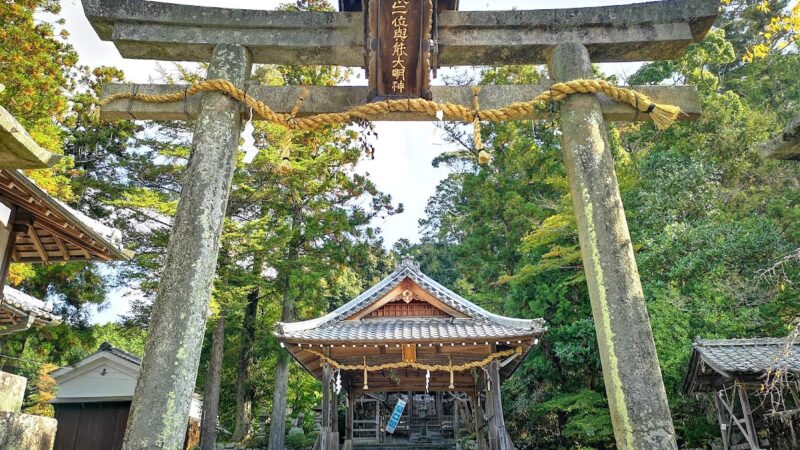
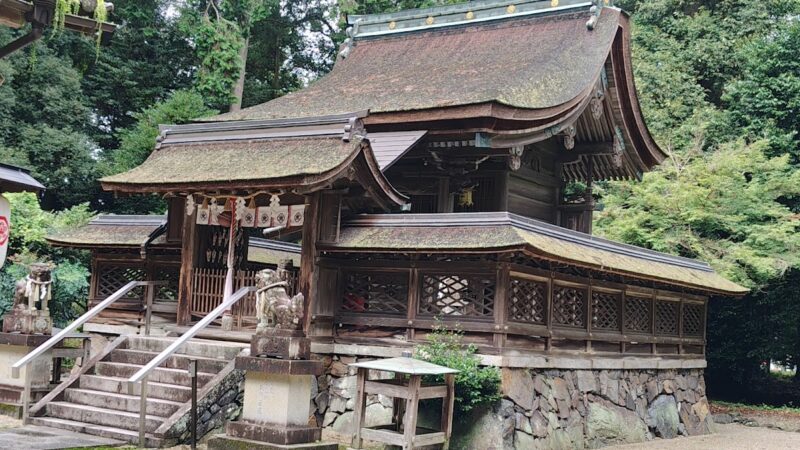
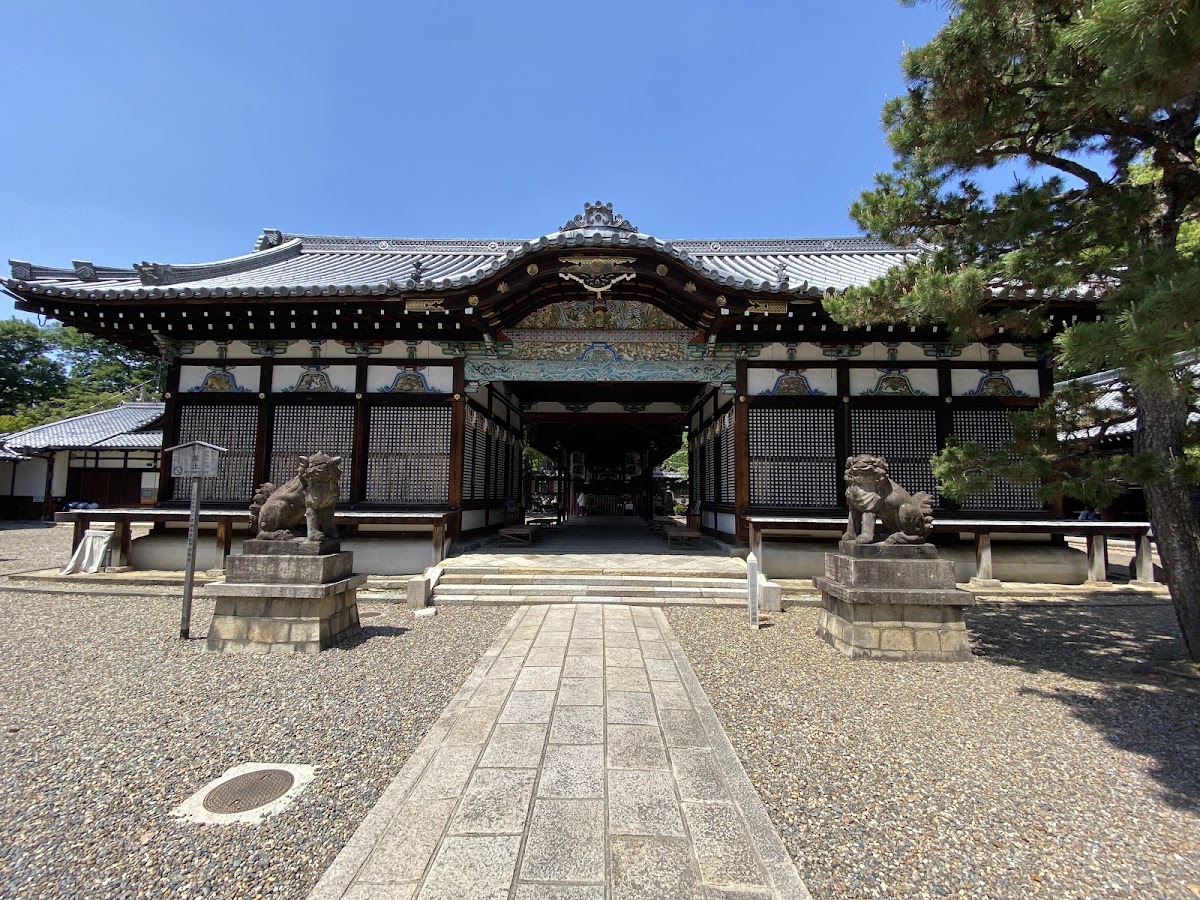
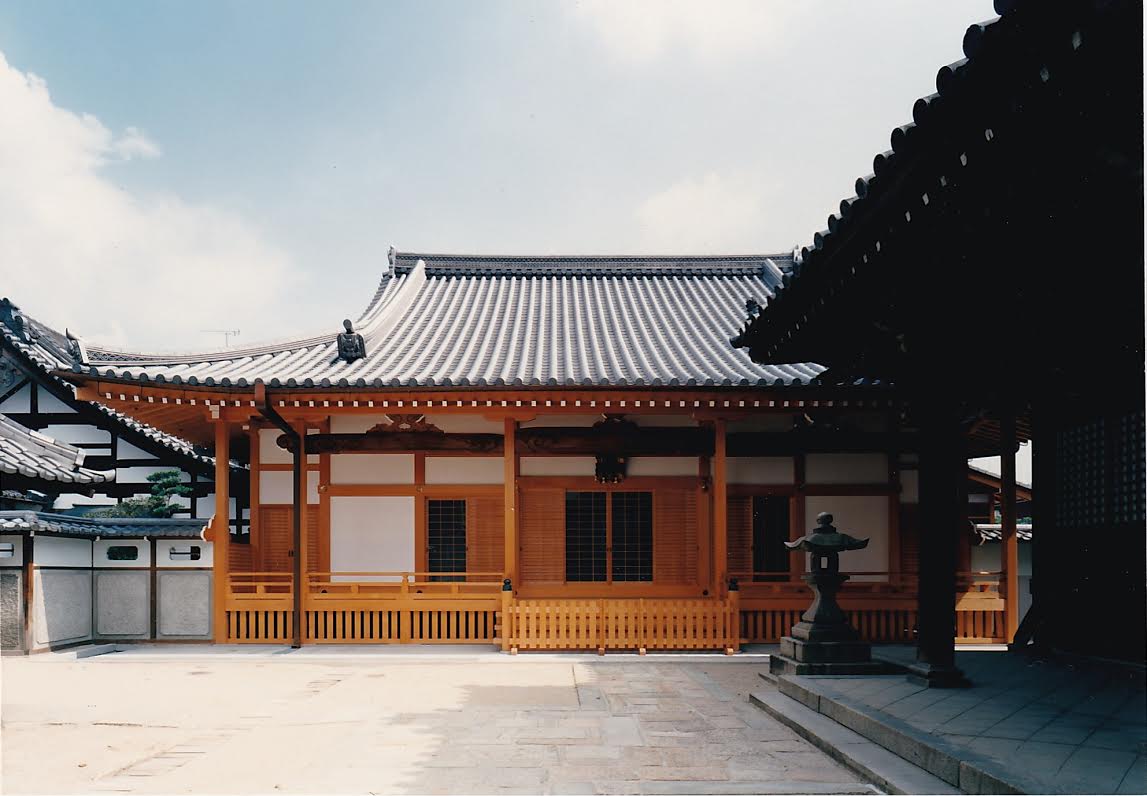
The grounds of Daikoji Temple contain buildings such as the main hall, the Yakushi Hall, and the priest’s quarters. The main hall is said to have been rebuilt in the late Edo period and preserves the traditional style of temple architecture. The craftsmanship shines through in every detail, from the curve of the roof and the overhang of the eaves to the placement of the pillars.
The temple grounds also contain ancient trees estimated to be several hundred years old, which display different appearances in each season. Cherry blossoms bloom in spring, and autumn leaves color the grounds, soothing the hearts of visitors.
Access and Visiting Information
Location and Basic Information
Location: Hoki-cho, Fushimi-ku, Kyoto City
Sect: Jodo-shu Chinzei-ha
Mountain Name: Fujisawa-san
Temple Name: Hogon-in
Principal Image: Amida Buddha (Amida Triad)
Founder: Kūzōbō Kankai Shōnin
Established: Bun’ō 1 (1260)
Access by Train
Daikōji Temple is easily accessible by public transportation.
If using Keihan Railway:
- Get off at Fushimi-Momoyama Station on the Keihan Main Line, approximately 10 minutes on foot.
- The easiest route is to head southeast from the station and go through the Otesuji Shopping Street.
If using Kintetsu Railway:
- Get off at Momoyama-Goryomae Station on the Kintetsu Kyoto Line, approximately 12 minutes on foot.
- Head east from the station towards Hoki-cho.
If using JR:
- Get off at Momoyama Station on the JR Nara Line, approximately 15 minutes on foot.
- Head east from the station, passing through the residential area towards Hoki-cho.
Access by Car and Parking
If visiting by private car, it is approximately 15 minutes from the Kyoto-Minami Interchange on the Meishin Expressway. However, parking space on the temple grounds is limited, so it is recommended to contact them in advance. There are also coin-operated parking lots nearby, so please consider using those as well.
Notes for Visitors
Daikoji Temple is still an active temple, so please observe the following points when visiting:
- Please maintain silence on the temple grounds and be considerate of other visitors and nearby residents.
- Photography is permitted, but permission from the head priest is required for photographing the interior of the main hall or Buddha statues.
- Visiting may be restricted during religious services or events.
- If you wish to receive a Goshuin (temple stamp), we recommend contacting the temple in advance.
Recent Initiatives and Activities
Engagement with the Local Community
Daikoji Temple continues to play an important role in the Fushimi community. Through regular religious services and events, it deepens its ties with parishioners and local residents. In particular, the spring and autumn equinox services, the Obon memorial service, and the New Year’s Eve bell ringing are bustling with many visitors.
In recent years, the temple has also focused on passing on its history and culture to future generations. Educational activities include providing opportunities for history learning in collaboration with local schools and holding lectures on the history of Fushimi.
Preservation and Public Access to Cultural Properties
Daikoji Temple is committed to preserving cultural properties that have been passed down through its long history. We properly manage and preserve Buddhist statues, including the principal image of Amida Triad, as well as the temple bell and ancient documents, fulfilling our responsibility to pass them on to future generations.
On special occasions, we sometimes open cultural properties that are normally not open to the public. These opportunities provide a valuable experience of the region’s history and culture, attracting many history enthusiasts and researchers.
The Role of Temples in Modern Society
In modern society, temples are not merely religious institutions but also play a vital role as the core of local communities. Daikoji Temple also values its function as a place where people can gather, converse, and find peace of mind.
We irregularly hold Dharma talks and consultations by the head priest, as well as experiential programs such as Zen meditation and sutra copying sessions, providing opportunities to engage with Buddhist teachings. Through these activities, we serve as a bridge connecting tradition and the modern age.
Daikoji Temple in the Historical Context of Fushimi
Characteristics of the Fushimi Area
Fushimi has long developed as an outer port of Kyoto and as a castle town of Fushimi Castle. After Toyotomi Hideyoshi built Fushimi Castle, it flourished as a center of politics, economy, and culture, and many temples and shrines were built. Daikoji Temple is one of the temples that has walked hand in hand with the history of Fushimi’s development.
Especially during the Edo period, Fushimi held an important position as a territory directly controlled by the shogunate, and the Fushimi Magistrate’s Office was located there. Hoki-machi, where Daikoji Temple is located, was once an area lined with samurai residences, and Daikoji Temple, built on the site of the Aoyama Hoki-no-kami residence, conveys its historical weight to this day.
Fushimi’s Temple Network
Fushimi has numerous temples, each with its own unique history and characteristics. As a temple of the Jodo-shu Chinzei sect, Daikoji Temple has contributed to the spread of Jodo-shu teachings in the region while maintaining a network with other temples of the same sect. The area surrounding Fushimi is an important area for Kyoto tourism, with many famous temples and shrines such as Daigo-ji Temple, Gokogu Shrine, and Fushimi Inari Taisha Shrine. While Daiko-ji Temple is smaller in scale compared to these famous temples and shrines, it possesses unique value as a temple deeply rooted in the community.
Other Daiko-ji Temples
There are several temples named “Daiko-ji” throughout Japan. Each belongs to a different sect, has a different history, and plays an important role in its local community.
Daiko-ji Temple in Hachioji City, Tokyo
In Hachioji City, Tokyo, there is a Shingon sect temple called Shomyozan Jizoin Daiko-ji. Located near Takao Station, it is known as a temple visited by pilgrims to Mount Takao. This is a Shingon sect temple, and its sect and history differ from the Daiko-ji Temple in Kyoto.
Daiko-ji Temple in Kumatori Town, Osaka Prefecture
In Kumatori Town, Sennan District, Osaka Prefecture, there is also a Jodo sect temple called Daiko-ji. This temple is also deeply rooted in the community and is cherished by its parishioners and local residents.
Daikoji Temple in Nagasaki City
Nagasaki City is home to Daikoji Temple, a Jodo Shinshu Honganji sect temple with a history dating back to the Edo period. It is said to have once possessed vast grounds.
Daikoji Temple in Adachi Ward
In Rokugi, Adachi Ward, Tokyo, lies Ryukeizan Shoganin Daikoji Temple, a Shingi Shingon sect temple. It is said to have been founded by Amano Kunitada, a former retainer of Oda Nobuo.
As such, temples named “Daikoji” exist throughout Japan, each playing an important role in conveying the history and culture of its region.
Summary
Daikoji Temple in Fushimi Ward, Kyoto City, is a historical Jodo sect Chinzei sect temple founded in 1260 during the Kamakura period. Founded by Kūzōbō Kankai Shōnin, it was initially located in the village of Sokujōin as “Daikomyōji,” but was moved to its current location in Hōki-machi in the early Edo period by Kobori Enshū.
The main image of worship, the Amida Triad, dates from the Azuchi-Momoyama and Edo periods. At its center is an Amida Buddha statue said to have been created by Kasuga Daimyojin, flanked by statues of Kannon Bodhisattva and Seishi Bodhisattva. The temple grounds also contain an Edo-period temple bell and a Yakushi-do (Medicine Buddha Hall), preserving the history of Fushimi.
Daikoji Temple has been deeply involved in historical events in Fushimi, such as the Fushimi Gimin Incident and the Shinsengumi Incident at the end of the Edo period. These historical events demonstrate that the temple functioned not merely as a religious institution, but as a central hub for the local community.
Even today, Daikoji Temple remains a spiritual anchor for the people of Fushimi through regular memorial services and community engagement activities. Conveniently located about a 10-minute walk from Keihan Railway’s Fushimi-Momoyama Station, it is a temple well worth visiting during a historical stroll through Fushimi.
Daikoji Temple, with over 760 years of history, stands in a corner of the historic town of Fushimi. Stepping into its tranquil grounds, you will feel the weight of faith that has been passed down through generations, as well as the sentiments of the local people.