About Yasukuni Shrine
Yasukuni Shrine is a Shinto shrine located in Kudan-Kita, Chiyoda-ku, Tokyo. It was founded in 1869 (Meiji 2) at the behest of Emperor Meiji. It enshrines approximately 2,466,000 souls of soldiers and military personnel who perished in national crises since 1853 (Kaei 6) during the end of the Edo period, including the Meiji Restoration, the Boshin War, the Satsuma Rebellion, the First Sino-Japanese War, the Russo-Japanese War, World War I, the Manchurian Incident, the Second Sino-Japanese War, and the Greater East Asia War (World War II).
Initially founded as “Tokyo Shokonsha,” it was renamed “Yasukuni Shrine” in 1879 (Meiji 12). The name “Yasukuni” means “to pacify the nation,” or “to pray for the peace and tranquility of the country.”
Highlights of the Shrine Grounds
The Grand Torii Gate and the Worship Hall
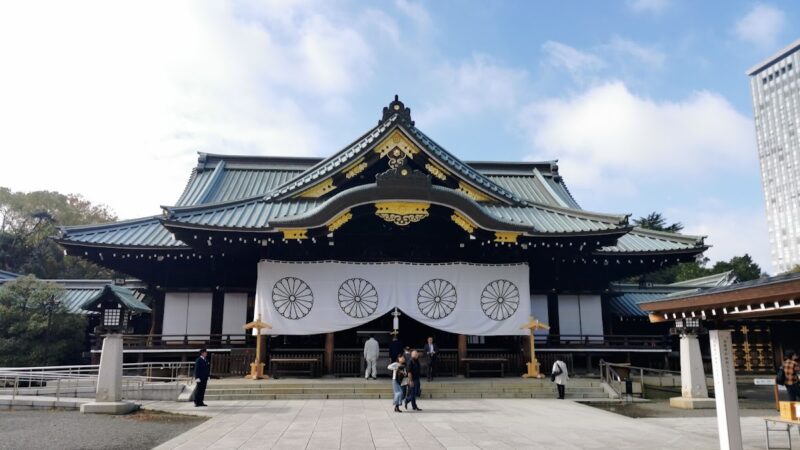
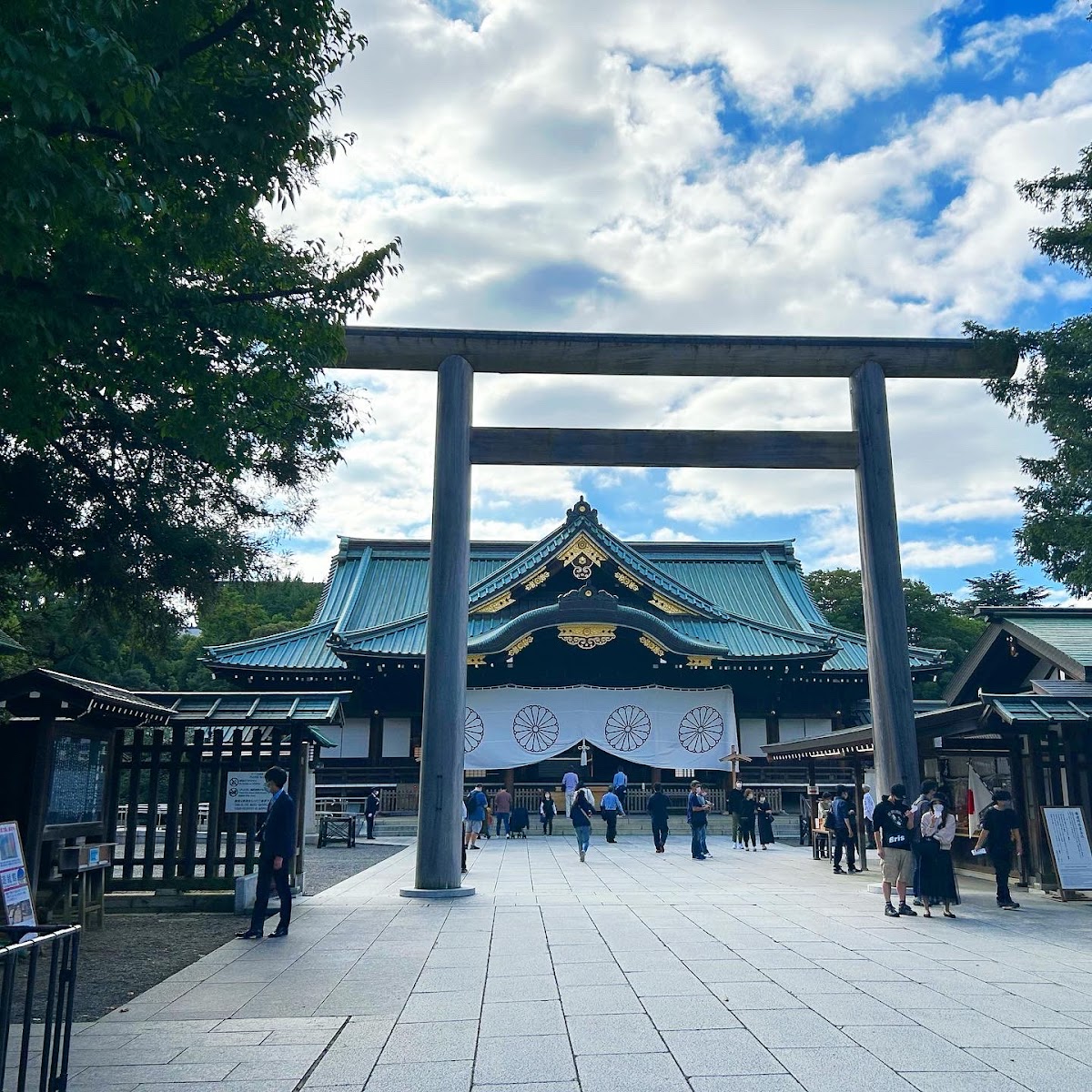
The first torii gate is one of Japan’s largest, boasting a height of 25 meters and a pillar diameter of 3 meters. Passing through the bronze gate, a magnificent worship hall appears. The worship hall, rebuilt in 1958 after being destroyed by fire during the war, preserves the traditional shrine architectural style.
Yushukan Museum
Opened in 1882, it is Japan’s oldest military museum. It houses approximately 100,000 items, including relics, last wills, weapons, and military uniforms of fallen soldiers, and displays modern Japanese history from the end of the Edo period to the Greater East Asia War. Valuable actual exhibits, such as Zero fighter planes and the Kaiten human torpedoes, can also be seen.
Opening Hours: 9:00 AM – 4:30 PM (Last entry 4:00 PM)
Admission Fee: Adults 1,000 yen, University Students 500 yen, Junior and Senior High School Students 300 yen, Elementary School Students and younger: Free
Famous Cherry Blossom Spot
The temple grounds are home to approximately 500 cherry trees and are known as one of Tokyo’s most famous cherry blossom viewing spots. It is particularly famous for having the “sample tree” used by the Japan Meteorological Agency as the basis for declaring the start of cherry blossom season, and attracts many visitors every spring. The best time to see the blossoms, mainly Somei Yoshino varieties, is from late March to early April.
Shinchi Garden
This Japanese garden, built in the early Meiji period, is a strolling garden centered around a pond. Visitors can enjoy seasonal flowers and plants, and the reflection of the cherry blossoms on the water creates a particularly beautiful scene during cherry blossom season.
Points to Note When Visiting the Shrine
Etiquette for Visiting the Shrine
- Purifying at the Water Basin: Hold the ladle in your right hand and purify your left hand, then hold the ladle in your left hand and purify your right hand. Switch the ladle back to your right hand, receive water in your left hand, rinse your mouth, and finally purify the handle by holding the ladle upright.
- Worship at the Main Hall: Worship using the two bows, two claps, and one bow method. Bow deeply twice, clap twice at chest height, and finally bow deeply once.
- Visiting Hours: The shrine grounds are open from 6:00 to 18:00 (6:00 to 17:00 from November to February).
Goshuin (Shrine Seal) and Amulets
Goshuin (shrine seal) are available at the shrine office (offering fee: 500 yen). Furthermore, various amulets for family safety, traffic safety, and academic success are also distributed. In particular, the “Mitamamori” is a unique item bestowed at Yasukuni Shrine, embodying gratitude to the war dead and prayers for peace.
Special Events
- Spring Grand Festival (April 21st-23rd): The most important festival, attended by an imperial envoy from His Majesty the Emperor.
- Mitama Festival (July 13th-16th): A summer tradition where approximately 30,000 lanterns are lit, attracting over 300,000 visitors annually.
- Autumn Grand Festival (October 17th-19th): An important festival, comparable to the Spring Grand Festival.
Benefits
While Yasukuni Shrine’s primary purpose is to commemorate those who died in war, it is believed that visitors receive the following benefits:
- Prayer for National Security and Peace: Benefits based on the true purpose of the shrine: praying for the peace and tranquility of the nation.
- Family Safety: Prayers for a peaceful life protected by the spirits of fallen heroes.
- Fulfillment of Wishes: A place to renew one’s resolve to carry on the will of the spirits of fallen heroes who sacrificed their lives for the nation.
- Protection from Misfortune and Good Fortune: Purification of mind and body through worship in the pure grounds.
Access
Access by Train
- Tokyo Metro Tozai Line/Hanzomon Line, Toei Shinjuku Line “Kudanshita Station”: 5-minute walk from Exit 1 (nearest station)
- JR Chuo/Sobu Line “Iidabashi Station” West Exit, “Ichigaya Station”: 10-minute walk from each station
- Tokyo Metro Yurakucho Line/Namboku Line, Toei Shinjuku Line “Ichigaya Station” Exit A4: 10-minute walk
Access by Car
Approximately 5 minutes from the Daikanchō Exit of the Metropolitan Expressway Inner Ring Line. There is a parking lot for visitors on the shrine grounds (approximately 100 spaces, free), but it is recommended to use public transportation as it can get crowded on holidays and during festivals.
Address and Contact Information
Address: 3-1-1 Kudankita, Chiyoda-ku, Tokyo 102-8246
Phone: 03-3261-8326
Official Website: https://www.yasukuni.or.jp/
Precautions When Visiting
Yasukuni Shrine is a memorial facility for war dead, and a solemn atmosphere is required during visits. Please refrain from loud conversations and disrespectful behavior, and offer your prayers with respect for the war dead. Also, some facilities, such as the Yushukan Museum, have areas where photography is prohibited; please follow the instructions inside the museum.
The shrine becomes extremely crowded during cherry blossom season and festivals, so we recommend planning your visit with ample time.