Complete Guide to Toyouke Daijingu (Geku) | A Thorough Explanation of History, Deities, Worship Methods, and Sub-Shrines
Toyouke Daijingu is the central shrine among the 125 shrines that make up Ise Grand Shrine, and is widely known as “Geku” (Outer Shrine). Together with Kotai Jingu (Naiku), which enshrines Amaterasu Omikami, it is called “Nisho Daijingu” (Two Great Shrines) and has been deeply revered as the spiritual home of the Japanese people for over 1,500 years.
This article provides a comprehensive explanation of everything about Geku, from its history and the divine virtues of its enshrined deity, Toyouke Omikami, to details of the main shrine and sub-shrines, worship methods, and historical background.
What is Toyouke Daijingu? | The Official Name of Ise Grand Shrine’s Outer Shrine
Toyouke Daijingu is a shrine located at the foot of Mt. Takakura in the heart of Ise City, Mie Prefecture. Its official name is “Toyouke Daijingu,” but it is affectionately known as “Geku” (Outer Shrine). Located approximately 4 km northwest of the Kotai Jingu (Inner Shrine), it boasts a vast sacred area in Toyokawa-cho, Ise City.
The name “Geku” (Outer Shrine) originates from its location relative to the Kotai Jingu (Inner Shrine). However, due to its sacred divine virtues and historical significance, the style of its buildings and most of its rituals are conducted in accordance with those of the Kotai Jingu, and it enjoys deep reverence from the Imperial Family.
According to the Jingu Shrine Office, Toyouke Daijingu has been closely intertwined with the lives of the Japanese people since ancient times, serving as the guardian deity of all industries, including clothing, food, and shelter.
Divine Virtues and History of the Enshrined Deity, Toyouke-no-Omikami
What is Toyouke-no-Omikami?
The enshrined deity of Toyouke Daijingu is Toyouke-no-Omikami. The name “Toyo” in this deity’s name represents abundance, and “Uke” represents food, clearly indicating her character as a goddess who presides over fertility and food.
Toyouke-Ōmikami holds a special role as the Miketsukami (goddess of offerings) of Amaterasu-Ōmikami, that is, the god who presides over the Ōmike (meals). A sacred ritual of offering sacred food to Amaterasu-Ōmikami twice daily, morning and evening, has been continued for over 1,500 years to this day.
Guardian Deity of Food and Industry
Toyouke-Ōmikami is not merely a goddess of food; she is revered as the guardian deity of all aspects of life, including clothing, food, shelter, and even industry as a whole. She receives fervent devotion from people involved in all industries, from agriculture and fishing to manufacturing, commerce, and the energy industry.
Even in modern society, business owners and industry workers continue to visit the shrine to pray for business prosperity and success.
Origin and Historical Background
While the founding of Toyouke-no-Omikami Shrine is not mentioned in the Kojiki or Nihon Shoki, it is described in detail in the shrine’s records, the Toyuke-gu Gishikicho, compiled in 804 (Enryaku 23).
According to this record, around 478 AD (the 22nd year of Emperor Yuryaku’s reign), Amaterasu-Omikami appeared to the emperor in a dream and gave him a divine oracle: “I cannot eat peacefully by myself, so summon Toyuke-no-Okami from Tanba Province to be nearby.”
Following this oracle, Emperor Yuryaku welcomed Toyouke-no-Omikami from Tanba Province (present-day northern Kyoto Prefecture, near Amanohashidate) and enshrined her at the present location. This occurred approximately 481 years after the enshrinement of the Grand Shrine of Ise (Naiku).
The Shrine Building and Architectural Style of Toyouke Daijingu (Main Shrine)
The Architectural Beauty of the Unique Shinmei-zukuri Style
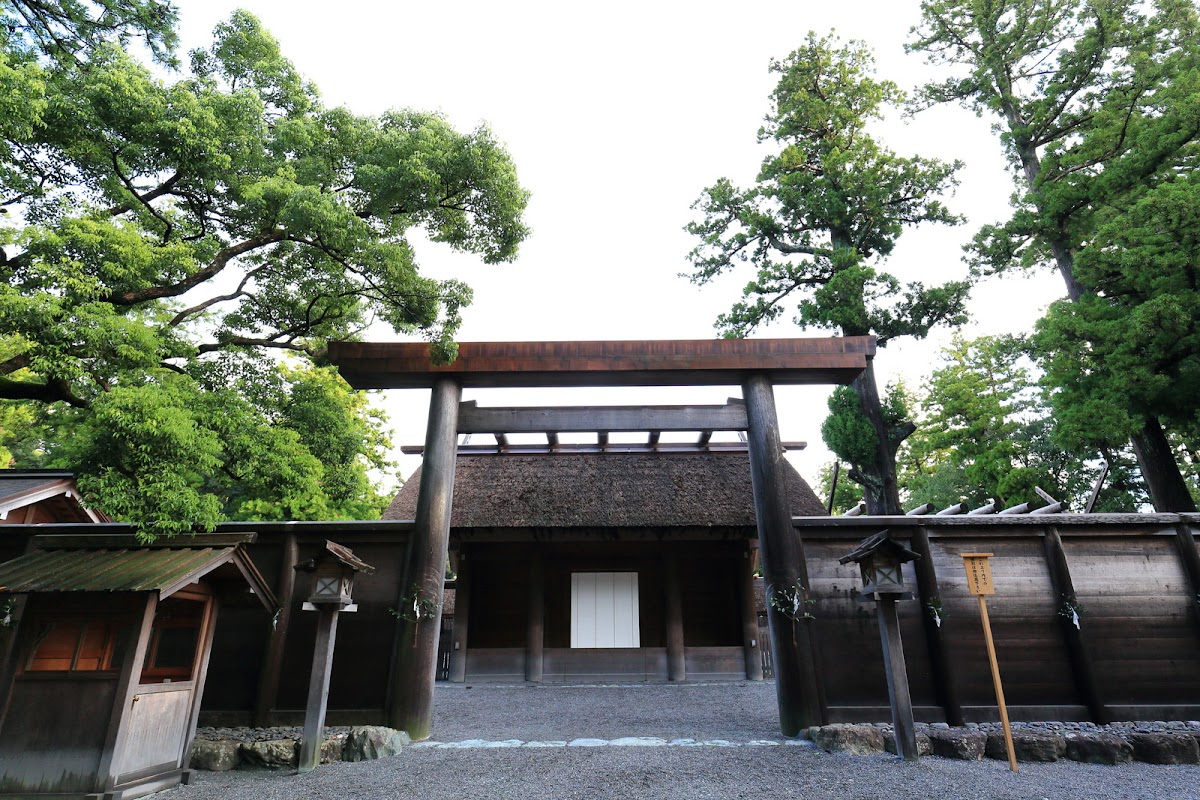
The main shrine of Toyouke Daijingu, like the Grand Shrine of Ise, is constructed in the unique Shinmei-zukuri style, the oldest architectural style in Japan. Its simple yet majestic form, with its cypress wood pillars, thatched roof, and chigi and katsuogi ornaments, conveys the origins of Japanese architecture to this day.
The main shrine faces south and is situated deep within the sacred area surrounded by a fence. Worshippers approach the fence in front of the main shrine and offer their respects from there.
Eternal Renewal through Shikinen Sengu
Like the Grand Shrine of Ise, Toyouke Daijingu also undergoes a Shikinen Sengu every 20 years. This tradition began in the 4th year of Empress Jitō’s reign (690 AD), and the 62nd Shikinen Sengu (periodic rebuilding of the shrine) was held in 2013.
During the Shikinen Sengu, all shrine buildings, including the main sanctuary, are rebuilt, and the sacred garments and treasures are also newly made. Through this system, architectural techniques and spiritual values have been continuously passed down for over 1,300 years.
Outer Shrine’s Subsidiary Shrines and Auxiliary/Subordinate Shrines
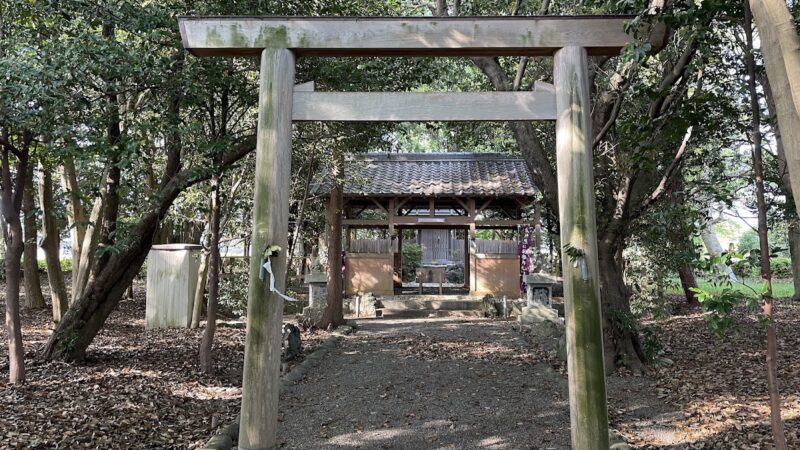
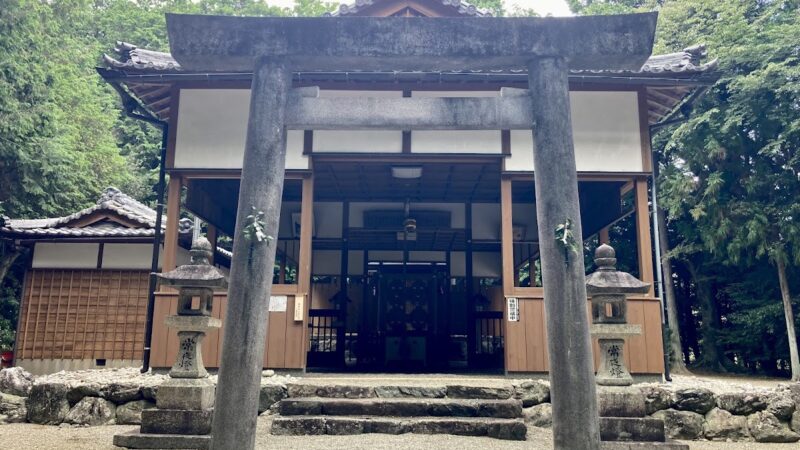
Besides the main sanctuary, Toyouke Daijingu has four subsidiary shrines and numerous auxiliary/subordinate/administrative shrines.
Subsidiary Shrines (Betsugū)
Subsidiary shrines are shrines of the second highest status after the main sanctuary. The Outer Shrine has the following four subsidiary shrines:
Takanomiya
The first subsidiary shrine of the Outer Shrine, it enshrines the Aramitama (fierce spirit) of Toyouke Ōmikami. Located on a hill 98 steps up from the main shrine, this is an important shrine that should always be visited when visiting the Outer Shrine. The Aramitama (fierce spirit) represents the active and energetic side of the deity, and it is customary to visit this shrine when making special wishes.
Tsuchinomiya (Earth Shrine)
This shrine enshrines Ootsuchi-no-Mioya-no-Kami, who has been worshipped as the local guardian deity of this land since ancient times. This deity existed even before the Outer Shrine was established and is revered as the guardian deity of land and residences.
Kazenomiya (Wind Shrine)
This shrine enshrines Shinatsuhiko-no-Mikoto and Shinatobe-no-Mikoto, who are deities who control wind and rain, protecting agriculture and safe voyages. It was elevated to the status of a separate shrine due to a legend that a divine wind repelled the Mongol army during the Genki Rebellion.
Tsukiyomi-no-miya Shrine
Although it is a sub-shrine of the Outer Shrine (Geku), it is located outside the Outer Shrine’s sacred area, in Miyago, Ise City. It enshrines Tsukiyomi-no-mikoto and Tsukiyomi-no-mikoto’s fierce spirit, and is worshipped as a god who protects the night.
Subsidiary Shrines, Minor Shrines, and Affiliated Shrines
Besides the sub-shrines, the Outer Shrine has numerous subsidiary shrines, minor shrines, and affiliated shrines, each playing an important role. Subsidiary shrines are of the next highest rank after the main shrine and sub-shrines, minor shrines are even lower in rank, and affiliated shrines are those involved in the rituals and management of the Grand Shrine.
How to Visit and the Route to Toyouke-daijingu Shrine
The Custom of Visiting the Outer Shrine First
Since ancient times, there has been a custom of visiting the Ise Grand Shrine called “Geku-sensai” (visiting the Outer Shrine first). This means visiting the Outer Shrine first, followed by the Inner Shrine (Naiku). This custom originates from the fact that Toyouke-Ōmikami is the deity who provides food to Amaterasu-Ōmikami.
Route of Worship
The basic route for visiting the Outer Shrine is as follows:
- Crossing the Hiyokebashi Bridge: This bridge marks the entrance to the Outer Shrine’s sacred area. Enter the sacred grounds from here.
- Purifying at the Water Basin: Hold the ladle in your right hand and purify your left hand. Switch the ladle to your left hand and purify your right hand. Return to your right hand, receive water in your left hand, rinse your mouth, and finally purify the handle of the ladle.
- Visiting the Main Shrine: First, visit the main shrine, Toyouke-Ōmikami. It is customary to make personal wishes at the auxiliary shrines and offer gratitude at the main shrine.
- Visiting the Auxiliary Shrines: Visit Taga-no-miya, Tsuchi-no-miya, and Kaze-no-miya in that order. Taga-no-miya, in particular, is important as the first auxiliary shrine of the Outer Shrine.
- Other Subsidiary Shrines: If time permits, visit the subsidiary shrines as well.
Etiquette for Worship
The proper etiquette for worship at the shrine is “two bows, two claps, one bow.” Bow deeply twice, clap your hands twice, and finally bow deeply once. It is customary at the shrine to clap your hands quietly and without making noise.
Festivals and Annual Events of Toyouke-daijingu
Daily Morning and Evening Offering Ceremony
The most important festival at Toyouke-daijingu is the Daily Morning and Evening Offering Ceremony, held twice daily, morning and evening. This is a Shinto ritual in which offerings are made to Amaterasu-Omikami, and it has continued without interruption for 1,500 years.
The ceremony is held around 4:00 AM (summer) or 5:00 AM (winter) in the morning, and around 9:00 AM in the evening. While general worshippers cannot attend this ritual, it is the most sacred ceremony and forms the core of the shrine’s religious practices.
Major Annual Festivals
Many festivals are held throughout the year at Toyouke Daijingu Shrine.
- Saitansai (January 1st): A festival celebrating the New Year and praying for the prosperity of the Imperial Family and the peace of the nation.
- Kinensai (February 17th): A major spring festival praying for a bountiful harvest.
- Kannamesai (October 15th-17th): The most important festival where the first fruits of the year are offered to Amaterasu Omikami.
- Niinamesai (November 23rd): A festival where new grains are offered to the gods and thanks are expressed.
In addition to these, approximately 1,500 festivals are held throughout the shrine grounds annually, including monthly festivals.
Sengu Museum and Cultural Facilities of the Outer Shrine
Sengu Museum
Located on the north side of the Outer Shrine grounds is the Sengu Museum, where you can learn about the history and traditional techniques of the Shikinen Sengu (periodic rebuilding of the shrine). Inside the museum, a full-scale model of the main sanctuary is on display, allowing visitors to observe the unique Shinmei-zukuri architectural style up close.
Detailed explanations are provided regarding the production process of the sacred garments and treasures, the techniques of the shrine carpenters, and the significance of the Shikinen Sengu (periodic rebuilding of the shrine), making it an ideal facility for deepening one’s understanding of the shrine.
Magatama Pond and the Scenery of the Four Seasons
Within the grounds of the Outer Shrine lies Magatama Pond, where visitors can enjoy the natural beauty of each season. From the cherry blossoms of spring, the fresh greenery of early summer, the autumn leaves, to the tranquility of winter, the shrine grounds display different expressions with each season, soothing the hearts of visitors.
Access and Basic Information to Toyouke Daijingu Shrine
Access Methods
Access by Train
- Approximately 5 minutes on foot from Kintetsu/JR Ise-shi Station
- Approximately 10 minutes on foot from Kintetsu Ujiyamada Station
Access by Car
- Approximately 5 minutes from Ise-Nishi IC on the Ise Expressway
- Approximately 5 minutes from Ise IC on the Ise Expressway
Parking
The Outer Shrine has a free parking lot with a capacity of approximately 400 cars. It gets crowded during the New Year holidays and long weekends, so early arrival is recommended.
Visiting Hours
- October, November, December: 5:00 AM – 5:00 PM
- January, February, March, April, September: 5:00 AM – 6:00 PM
- May, June, July, August: 5:00 AM – 7:00 PM
The shrine is open year-round, but access may be restricted in some areas during festivals. ### Summary of Basic Information
- Official Name: Toyouke Daijingu
- Common Name: Geku (Outer Shrine)
- Deity Enshrined: Toyouke Omikami
- Location: 279 Toyokawa-cho, Ise City, Mie Prefecture
- Founded: 22nd year of Emperor Yuryaku’s reign (around 478 AD)
- Shrine Rank: Jingu (Ise Grand Shrine)
- Subsidiary Shrines: Taga-no-miya, Tsuchi-no-miya, Kaze-no-miya, Tsukiyomi-no-miya
- Major Festivals: Daily Morning and Evening Offering Festival, Kanname-sai, Kinen-sai, Niiname-sai
Relationship between Toyouke Daijingu and Naiku (Kotai Jingu)
Toyouke Daijingu and Kotai Jingu are independent shrines, yet they share a deep connection. Toyouke Omikami plays a special role as the deity of offerings to Amaterasu Omikami, overseeing the divine offerings. This relationship demonstrates that in Japanese spiritual culture, “eating” is not merely about nutrition, but a sacred act. The Omikesai (Great Offering Ceremony) held twice daily, morning and evening, is a precious tradition that conveys this philosophy to the present day.
While the architectural style and rituals of both shrines are similar in many respects, there are differences in the details. For example, there are differences in the way the chigi (ornamental roof finials) are cut and the number of katsuogi (decorative roof beams) on the main sanctuary, which speak to the profound depth of Ise Grand Shrine architecture.
Significance of Toyouke Daijingu in Modern Society
Food Safety and Industrial Development
In modern society, the divine virtues of Toyouke Daijingu are becoming increasingly important. In an era where food safety is a major concern, faith in Toyouke Omikami, the deity who presides over food, reminds us of our gratitude and respect for food.
Furthermore, its aspect as a guardian deity of industry offers valuable insights into corporate ethics and sustainable development in an increasingly globalized economic society.
Inheritance of Traditional Techniques
The transmission of architectural and craft techniques through the Shikinen Sengu (periodic rebuilding of the shrine) plays a crucial role in connecting Japan’s traditional culture to the future. Many artisans, including shrine carpenters, thatched roofers, metalworkers, and weavers, hone their skills in preparation for the once-20-year rebuilding, passing them on to the next generation.
The Shrine as a Spiritual Sanctuary
In today’s rapidly changing society, Toyouke Daijingu Shrine, which has continued its rituals unchanged for 1,500 years, remains a spiritual sanctuary for the Japanese people. Visiting the shrine and renewing one’s reverence for nature and gratitude for daily food is a valuable spiritual experience for modern people.
Points to Note and Manners When Visiting
Attire
While there are no strict dress code regulations for visiting the shrine, modest attire that reflects the sacred nature of the place is desirable. Avoid excessive exposure and strive for clean clothing.
Photography
Photography is permitted within the Outer Shrine grounds, but photography is prohibited inside the main shrine’s enclosure and during ceremonies. Please also be considerate of other worshippers.
Eating, Drinking, and Smoking
Eating, drinking, and smoking are prohibited within the shrine grounds. Bringing pets is also discouraged (except for guide dogs and service dogs).
How to Walk the Path
The center of the path is called “Seichu” and is considered the path of the gods. It is considered polite for worshippers to walk along the sides, but during crowded times, please prioritize harmony with those around you and do not force your way in.
Summary: The Spiritual Culture of Japan as Told by Toyouke Daijingu Shrine
Toyouke Daijingu Shrine is not merely a tourist destination, but a sacred place deeply rooted in the spirituality of the Japanese people. The faith in Toyouke-no-Omikami, the goddess of food, teaches us gratitude for nature, respect for food, and reverence for all things that sustain life.
The daily morning and evening offerings of sacred food, which have been continued for 1,500 years, the Shikinen Sengu (periodic rebuilding of the shrine) every 20 years, and the unchanging traditions of rituals are treasures of Japan that should be passed down through generations.
Through a visit to the Outer Shrine, we can renew our gratitude for our daily food, pray for the development of industries including clothing, food, and shelter, and feel the preciousness of traditional Japanese culture. When visiting Ise, be sure to begin your visit with the Outer Shrine and experience the profound spirituality conveyed by Toyouke Daijingu.
According to official information from the Jingu Shrine Office, approximately 8 million people visit Ise Grand Shrine annually, and most of them visit both the Outer and Inner Shrines. Toyouke Daijingu remains a spiritual home for the Japanese people, holding unchanging value even for those of us living in the modern age.