Complete Guide to Jogyoji Temple: A Thorough Explanation of History, Benefits, and Access
Jogyoji Temples are Nichiren Buddhist temples located throughout Japan. In particular, the Jogyoji Temple in Kamakura City, Kanagawa Prefecture, is known as a “temple for curing cancer,” while the Jogyoji Temple in Kanazawa Ward, Yokohama City, is known for its deep connection to the history of Mutsuura Port. This article provides a detailed explanation of Jogyoji Temples in various locations, including their history, benefits, points of interest within the temple grounds, and access information.
Jogyoji Temple in Omachi, Kamakura City: A Famous Temple Known for Curing Cancer
History and Founding of Kamakura Jogyoji Temple
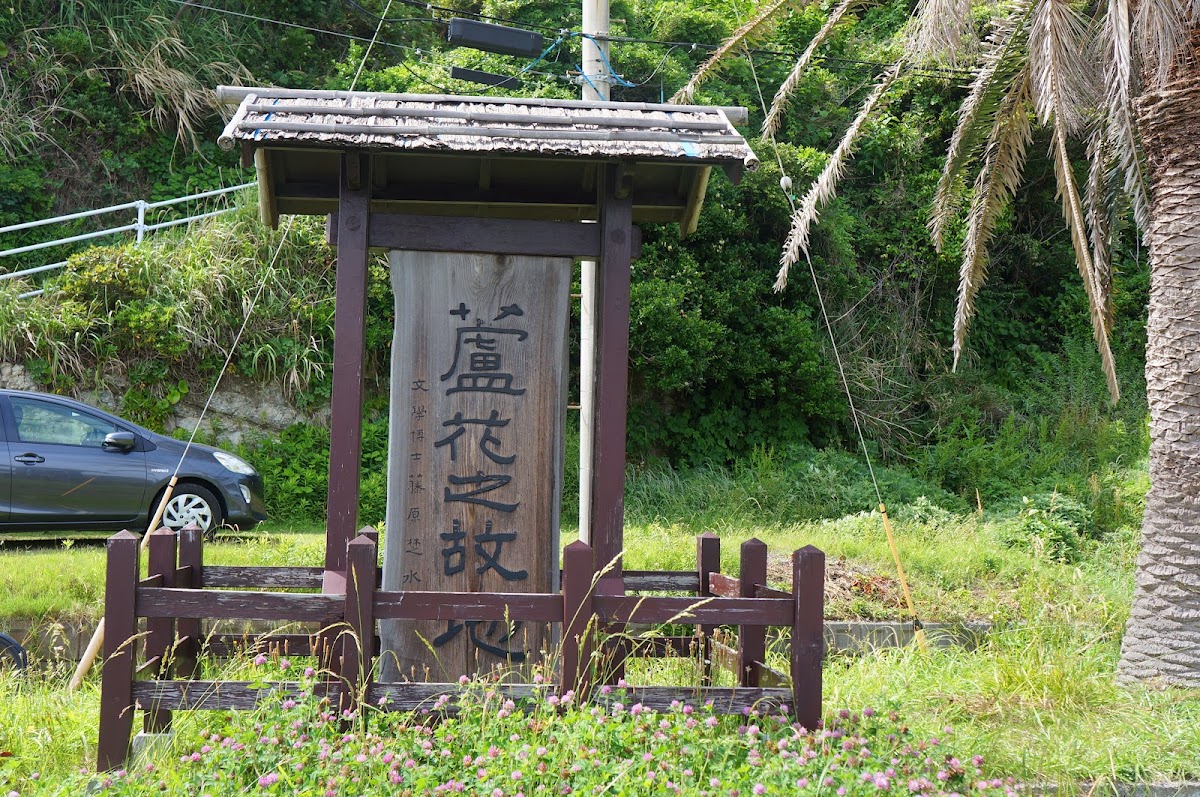
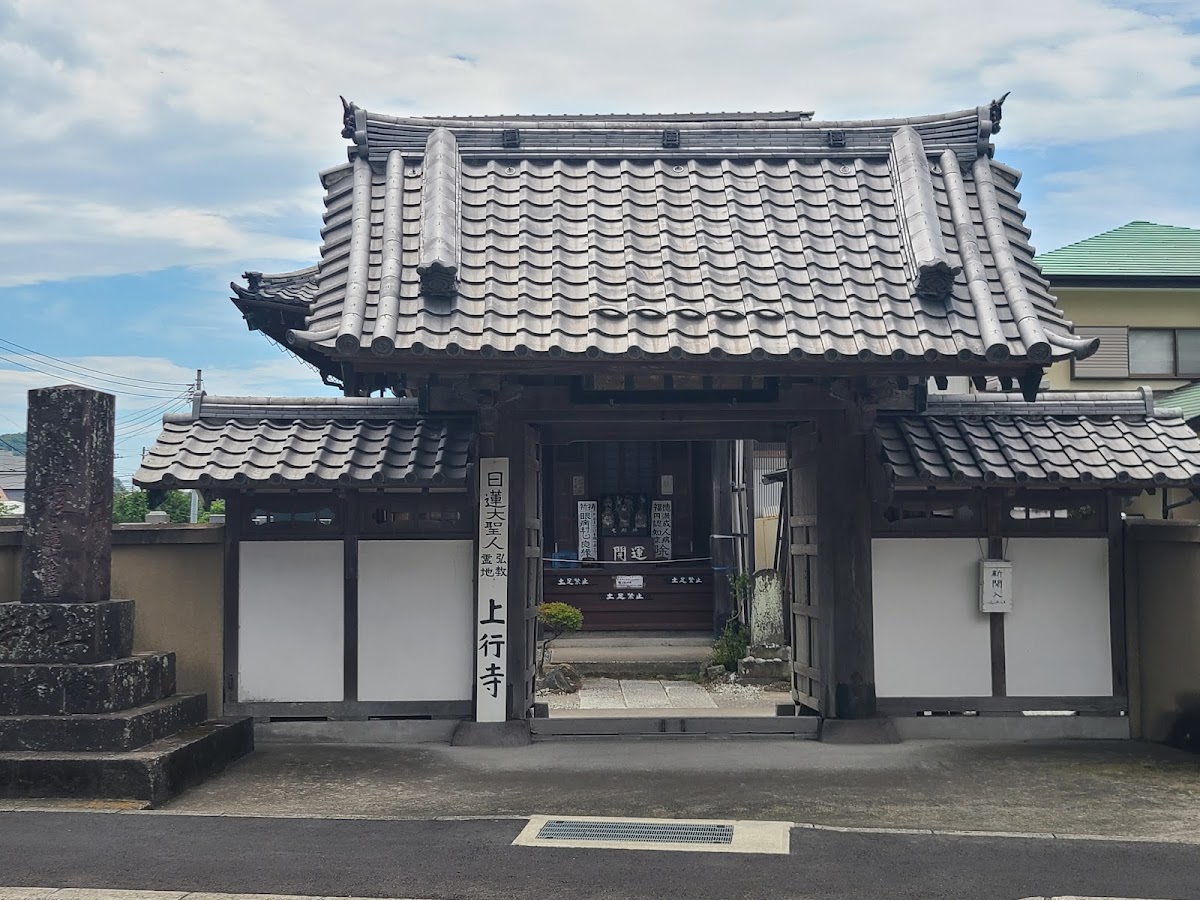
Located in Omachi, Kamakura City, Jogyoji Temple is a Nichiren Buddhist temple also known as Hokyuzan Daizenin. It was founded in 1313 (Showa 2), and its founder is said to be Nichihan Shonin. The principal image is the Three Treasures and Founding Masters, and its former head temple was the Daihonzan Honkokuji Temple (Rokujo school), belonging to the Konishi lineage. The temple gate bears a plaque inscribed with the words “Kanno-kaku” in gold lettering, and a handwritten sign at the entrance reads “Nichiren Daishonin’s Sacred Place of Propagation – Jogyoji Temple.” This sign indicates the importance of this location in Nichiren Daishonin’s missionary activities.
Benefits for Cancer Prevention and Healing of All Illnesses
Jogyoji Temple in Kamakura is nationally known as the “Temple for Cancer Prevention.” The principal image enshrined in the main hall, the Three Treasures and Founders, is believed to offer benefits for cancer prevention, as well as healing from eye diseases, dementia, and all other illnesses.
Many visitors come to pray for the health of their families and themselves, and the worship hall is adorned with numerous handwritten signs listing various benefits. This unique atmosphere is one of Jogyoji Temple’s defining characteristics.
The Special Space of Kasamori Inari-do
To the right of the Jogyoji Temple grounds is the Kasamori Inari-do, which visitors can freely enter. The entrance features a sign that reads, “Please feel free to enter even during chanting,” creating an open and welcoming atmosphere.
In this Inari hall, you can remove your shoes and enter to offer quiet prayers. It’s a more approachable space, distinct from the main hall, and is popular with many visitors.
Access and Visiting Information for Kamakura Jogyoji Temple
Address: Omachi, Kamakura City, Kanagawa Prefecture
Access Method:
- Approximately 12 minutes on foot from the East Exit of JR Kamakura Station
- Take a bus bound for Nagoshi from bus stop #3 at the East Exit of JR Kamakura Station, get off at “Nagoshi,” and walk for 1 minute.
Located near the Omachi Yotsukado intersection, it’s easily accessible from Kamakura Station. It’s also within walking distance, making it a convenient stop as part of a Kamakura sightseeing trip.
Jōgyōji Temple in Kanazawa Ward, Yokohama City: A Deep History with Mutsuura Port
Conversion from Kinshōji Temple to Jōgyōji Temple
Jōgyōji Temple, located in Kanazawa Ward, Yokohama City, was originally a Shingon Buddhist temple called “Kinshōji.” It was converted to the Nichiren sect by Nichiyū Shōnin, the third head priest of Nakayama Hokkeji Temple.
This conversion is recorded as one of the important events during the religious transformation period from the Kamakura to the Muromachi period. The shift from Shingon to Nichiren Buddhism symbolized the change in faith in the Mutsuura region at that time.
Nichika Shōnin and the Prosperity of Mutsuura Port
Nichika Shōnin, originally known as Mutsuura Heijirō, was a wealthy merchant who ran a shipping business and controlled Mutsuura Port. He became a follower of Nichiyū Shōnin, entered the priesthood, and became known as “Myohō of Mutsuura” or “Nichika Shōnin.”
Mutsuura Port was an important port city in the Middle Ages, flourishing as a center for the collection and distribution of goods. The conversion of influential merchants like Nichika Shonin to the Nichiren sect greatly contributed to its development in this region. Jōgyōji Temple, with its historical background, is a central figure in the local faith.
Jōgyōji Temple as a Tourist Spot in Yokohama’s Kanazawa District
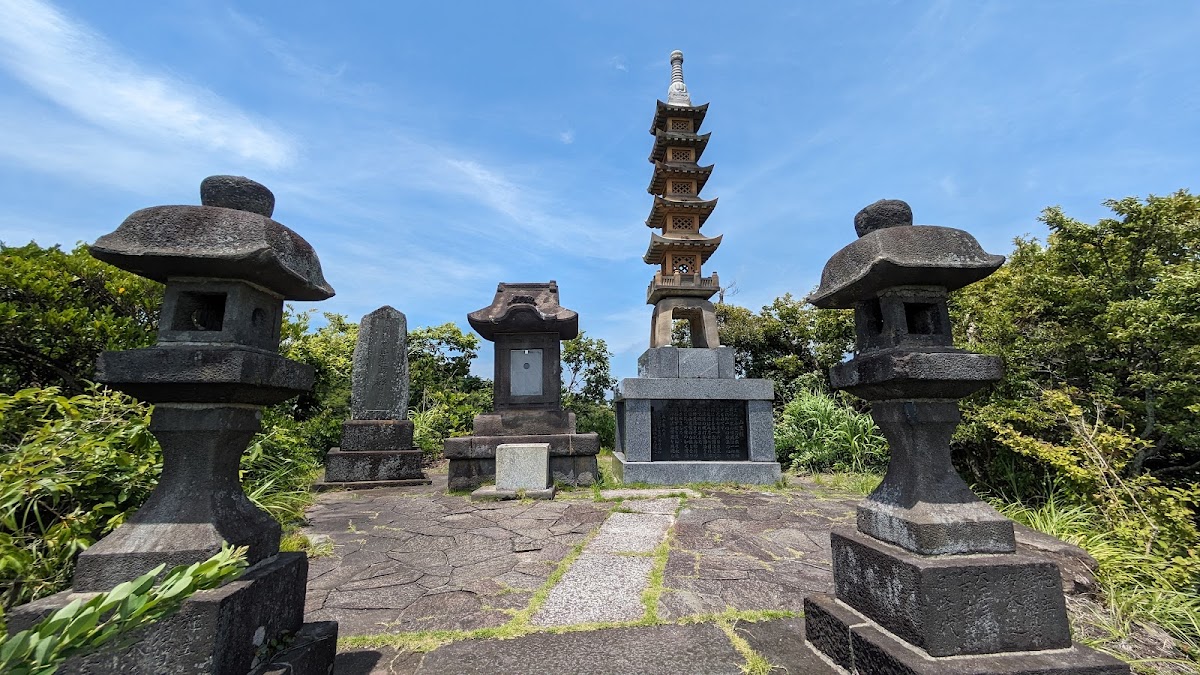
Jōgyōji Temple in Kanazawa Ward, Yokohama City, is introduced as one of the tourist spots in Kanazawa Ward. Kanazawa Ward is located in the southeastern part of Yokohama City and is a scenic area facing the sea.
When visiting Jōgyōji Temple, combining it with visits to surrounding historical tourist spots will allow you to gain a deeper understanding of the rich history and culture of the Mutsuura region. The Yokohama Kanazawa Tourism Association provides information on sightseeing courses and events that include Jōgyōji Temple, and it is recommended to check this before your visit.
Jōgyōji Temples in Chiba Prefecture: Traces of the Nichiren Sect Remaining in Various Locations
Jōgyōji Temple in Ōtaki Town, Chiba Prefecture
There are also several Jōgyōji Temples in Chiba Prefecture. Jōgyōji Temple in Ōtaki Town, also known as Muhenzan, is a temple that follows the lineage of the head temple, Minobu-san Kuonji. It was founded in 1590 (Tenshō 18) by Anryūin Nichisei Shōnin.
Currently, the 59th head priest, Tōyama Genryū, serves as the temple’s chief priest. Located in the scenic castle town of Ōtaki, it continues to serve as a center of local faith. This temple is one of the important centers of Nichiren Buddhism in the Isumi region.
Other Jōgyōji Temples in Chiba Prefecture
In Chiba Prefecture, there is also a temple called Kōfukuzan Jōgyōji. This temple was founded in March of Shōō 2 (1289) by Nichiben Shōnin, a direct disciple and senior priest of Nichiren Daishōnin.
Hojo Hisatoki, lord of Kuga Castle (grandson of Hojo Nagatoki, the 6th regent of the Kamakura Shogunate), was converted to Nichiren Buddhism, his family temple Ganjoju-ji was converted, and a new temple was established and named Kofukuzan Jogyo-ji. The temple’s name derives from Hojo Hisatoki’s posthumous Buddhist name, “Kofukuin-dono.”
In this way, the Jogyo-ji temples in Chiba Prefecture are an important group of temples that convey the history of Nichiren Buddhism, which has continued since the Kamakura period.
Funabashi Branch Temple: Development of Modern Temple Activities
Characteristics of Nichiren Buddhism Muhenzan Jogyo-ji Funabashi Branch Temple
In Funabashi City, Chiba Prefecture, there is the Nichiren Buddhism Muhenzan Jogyo-ji Funabashi Branch Temple. This branch temple operates under the motto “Laughing together, crying together, walking together,” and develops modern temple activities.
In addition to the traditional role of a temple, Funabashi Branch Temple provides a variety of services that meet the needs of modern society. We offer comprehensive support throughout life, including temple funerals, memorial services, safekeeping of cremated remains, and consultations on Buddhist rituals.
Abundant Annual Events and Prayer Services
Funabashi Betsuin holds various events throughout the year. We offer a wide range of services to meet the diverse needs of visitors, including prayers, exorcisms, amulet distribution, consultations, and fortune-telling.
We are available even on weekdays, and individual consultations and prayer times can be arranged by prior inquiry. Our flexible approach, tailored to modern lifestyles, is highly appreciated by many visitors.
Jōgyōji Temple in Toyama Prefecture: A Temple Associated with Hatakeyama Shigetada
History of Jōgyōji Temple of the Nichiren Buddhist Sect (Jinmon School)
Located in Nirehara, Toyama City, Toyama Prefecture, is Futaizan Jōgyōji Temple, a temple of the Nichiren Buddhist sect (Jinmon School). This temple is known for its association with Hatakeyama Shigetada, a samurai from the Kamakura period.
As symbolized by the phrase “Nirehara Bokke no Katabokke” (the firmness of the Lotus Sutra in Nirehara), this temple has a long history, demonstrating the strong faith in the Lotus Sutra in this region. Hatakeyama Shigetada is known as a samurai from the early Kamakura period, and this temple is a valuable historical site that shows how his faith extended as far as the Hokuriku region.
Etiquette and Manners for Visiting Jogyoji Temple
Basic Flow of Visiting
When visiting Jogyoji Temple, it is recommended to follow the basic flow below:
- Bow at the Temple Gate: Bow at the temple gate before entering the temple grounds.
- Purification at the Water Basin: If there is a water basin, purify your hands and mouth.
- Visiting the Main Hall: Join your hands in prayer at the main hall and offer your prayers quietly.
- Offering a Coin: Offer your coins sincerely.
- Strolling the Temple Grounds: Quietly view the other buildings and historical sites within the temple grounds.
Etiquette for Praying for Cancer Prevention
Especially when praying for cancer prevention at Jogyoji Temple in Kamakura, it is important to pray carefully at the main hall. Many visitors pray sincerely for the health of their family and themselves.
At the Kasamori Inari Hall, you can remove your shoes, enter, and offer your prayers quietly. While there is a sign that reads, “Please feel free to enter even during chanting,” it is important to remember to be considerate of other worshippers and maintain quiet during your visit.
Tourist Spots and Cuisine Around Jogyoji Temple
Highlights of the Kamakura Area
When visiting Jogyoji Temple in Kamakura, you can also explore the surrounding tourist spots. The Omachi area has many other Nichiren Buddhist temples, offering insights into the faith of the Kamakura period.
The area around Kamakura Station boasts numerous restaurants and shopping spots, allowing you to relax after your visit. Enjoying Kamakura’s cuisine while exploring history is a major draw.
Attractions of the Yokohama Kanazawa Area
The area around Jogyoji Temple in Kanazawa Ward, Yokohama City, offers many scenic spots facing the sea. Kanazawa Ward is conveniently accessible from central Yokohama by train and bus.
The Yokohama Kanazawa Tourism Association provides information on sightseeing courses and events, including Jogyoji Temple. Enjoy seafood cuisine and historical streetscapes; a full day of leisurely sightseeing is recommended.
Temple Funerals and Memorial Services at Jogyoji Temple
Modern Temple Funeral Styles
Jogyoji Temple, including its Funabashi branch temple, offers temple funeral services. Temple funerals are held in the temple’s main hall or branch temple, allowing for a solemn and dignified farewell to the deceased.
Advantages of temple funerals include a fulfilling religious service, attentive chanting and sermons by the head priest, and a peaceful environment for remembering the deceased.
Handling and Memorial Services for Cremated Remains
Jogyoji Temple also offers a service for handling cremated remains. We can accommodate individual circumstances, such as when home memorial services are difficult due to various reasons, or when perpetual memorial services are desired.
Regular memorial services and Buddhist ceremonies are also held, allowing for continuous prayers for the deceased’s peaceful repose. We also accept consultations regarding Buddhist rituals at any time, and the head priest will carefully address any questions or concerns regarding memorial services.
Annual Events and Activities at Jogyoji Temple
Major Annual Events
Jogyoji Temple holds various events throughout the year. The main events include:
- New Year’s First Visit: Prayers for the New Year and good health
- Setsubun Festival: A ceremony to ward off evil and invite good fortune
- Autumn and Autumn Memorial Service: Ancestor worship in spring and autumn
- Obon Memorial Service: Welcoming and honoring the spirits of ancestors
- New Year’s Eve Bell Ringing: A culmination of the year and prayers for the new year
These events are open not only to local parishioners but also to the general public.
Special Prayers and Exorcisms
Jogyoji Temple accepts individual prayers and exorcisms at any time. Prayers can be made for various wishes, such as protection against cancer, recovery from illness, family safety, business prosperity, and academic success.
By making a reservation in advance via phone or the inquiry form, you can receive a respectful prayer from the head priest even on weekdays. Amulets are also available; wearing them in your daily life can bring blessings.
Summary of Access Information to Jogyoji Temples
Access to Jogyoji Temples in Various Locations
Jogyoji Temple, Omachi, Kamakura City:
- Approximately 12 minutes on foot from the East Exit of JR Kamakura Station
- Buses are also available from the East Exit of JR Kamakura Station
- It is recommended to check in advance whether parking is available.
Jogyoji Temple, Kanazawa Ward, Yokohama City:
- Detailed access information can be found at the Yokohama Kanazawa Tourism Association.
- Public transportation is recommended.
Jogyoji Temple (Funabashi Branch) in Chiba Prefecture:
- Access information can be found on the official website.
- It is recommended to check in advance whether parking is available and how to get there.
Precautions When Visiting
When visiting each Jogyoji Temple, please note the following:
- Visiting Hours: Generally, daytime visits are recommended, but advance reservations may be required for special prayers or consultations.
- Dress Code: There are no particularly strict dress code regulations, but clean and modest attire appropriate for a temple is desirable.
- Photography: Photography is prohibited in some areas of the temple grounds, such as inside the main hall. Therefore, it is recommended to check beforehand or to take photos discreetly.
- Offerings/Donations: When making prayers or offerings, it is customary to prepare an appropriate offering.
Frequently Asked Questions about Jogyoji Temple
Questions Regarding Visiting
Q: Is a reservation required to visit Jogyoji Temple?
A: Reservations are not required for regular visits. However, reservations are necessary for special prayers, individual consultations, and services such as temple funerals. We recommend contacting us by phone or through the inquiry form on our official website.
Q: How should I pray for protection against cancer?
A: At Jogyoji Temple in Kamakura, you can offer heartfelt prayers in the main hall. For more elaborate prayers, you can request a special prayer from the head priest. You can also freely offer prayers at the Kasamori Inari Hall.
Q: Can I purchase amulets or talismans?
A: Yes, many Jogyoji temples offer amulets and talismans. Various types are available, including those for protection against cancer, recovery from illness, and family safety.
Questions about Access and Facilities
Q: Is there parking?
A: The availability and number of parking spaces vary by Jogyoji temple. Especially for the Kamakura Jogyoji temple, which is located in the city center, using public transportation is recommended. If you plan to visit by car, it is recommended to check by phone in advance.
Q: Is it accessible for wheelchair users?
A: The layout of the temple grounds varies by temple. It is recommended to inquire with each temple in advance regarding accessibility.
Q: Can I receive a Goshuin (temple stamp)?
A: Many Jogyoji temples offer Goshuin. Please bring your Goshuincho (stamp book) and request one at the reception after praying at the main hall.
Summary: The Charm and Value of Visiting Jōgyōji Temples
Jōgyōji temples, as Nichiren Buddhist temples located throughout Japan, each possess their own unique history and characteristics. Kamakura’s Jōgyōji is known as a temple for curing cancer, Yokohama Kanazawa’s Jōgyōji tells the history of Mutsuura Port, and Chiba and Toyama’s Jōgyōji serve as centers of local faith, each playing a vital role.
Kamakura’s Jōgyōji, in particular, is a renowned temple attracting worshippers from all over the country seeking blessings for the healing of all illnesses, and its unique and warm atmosphere is admired by many. Yokohama Kanazawa’s Jōgyōji is a valuable historical site that conveys the prosperity of a medieval port city, making it an interesting place for history enthusiasts.
Temples like Funabashi Betsuin, which are undertaking modern initiatives, demonstrate a new model for temples that meet the needs of modern society while preserving the traditional role of temples. Their support systems, such as temple funerals, memorial services, and Buddhist consultations, suggest the future of temples.
When visiting Jogyoji Temple, we recommend that you not just view it as a tourist spot, but as a temple that has supported the faith of the local people throughout its long history, allowing you to appreciate its history and culture. Whether you are praying for protection against cancer, recovery from illness, ancestral veneration, or simply seeking peace of mind, please do visit Jogyoji Temple.
Each Jogyoji Temple throughout Japan is a valuable cultural asset that conveys the history and faith of Nichiren Buddhism in its respective region, offering visitors deep inspiration and solace. Whether for sightseeing, religious devotion, or historical exploration, Jogyoji Temple is a wonderful place to experience the richness of Japanese temple culture.