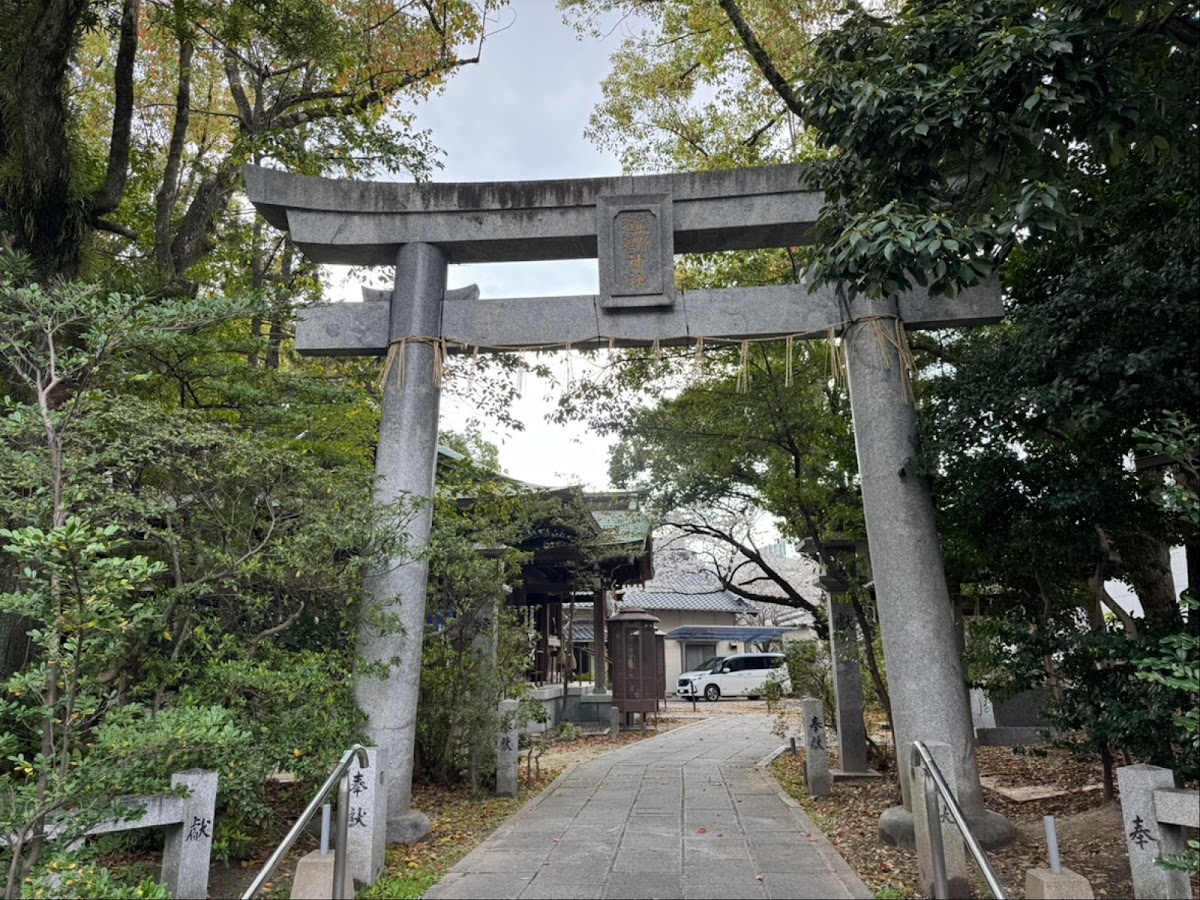
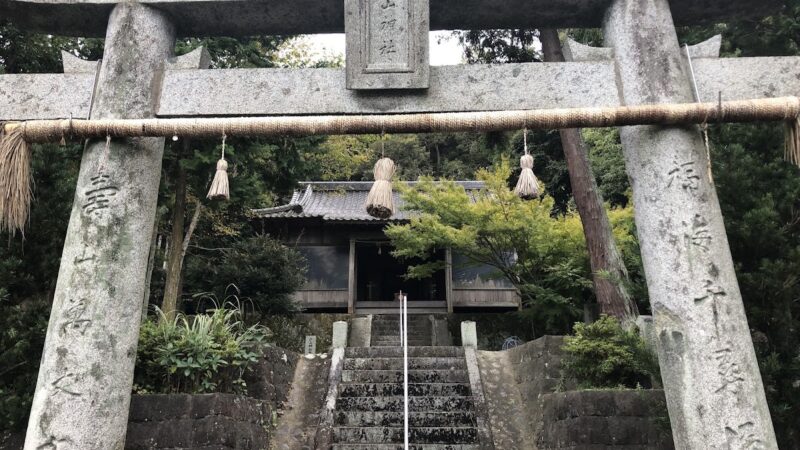
Complete Guide to Uga Shrine | A Thorough Explanation of History, Deities, Goshuin (Shrine Seals), and Access Information
Uga Shrines are historic shrines scattered throughout Japan, dedicated to Ugajin and Ukanomitama, known as gods of food and fertility. This article comprehensively explains everything you need to know before visiting, from the history of representative Uga Shrines to their enshrined deities, highlights of the grounds, goshuin information, and access methods.
About Uga Shrines
Uga Shrines are a general term for shrines that primarily enshrine Ukanomitama-no-Mikoto or Ugajin as their deities. The name “Uga” represents a deity that presides over food and fertility, and has attracted worshippers seeking agricultural prosperity, business success, and family safety.
Uga Shrines exist throughout Japan, each with its own unique history and characteristics. Uga Shrines, including those located on Biwajima Island in Lake Nojiri in Nagano Prefecture, within the grounds of Yugyoji Temple in Fujisawa City, Kanagawa Prefecture, in Mitoyo City, Kagawa Prefecture, in Sado City, Niigata Prefecture, in Nanbu Town, Tottori Prefecture, and in Uda City, Nara Prefecture, continue to welcome many worshippers as centers of faith in their respective regions.
Uga-jin is often syncretized with Benzaiten and worshipped as “Uga Benzaiten,” and many shrines retain a strong history of Shinto-Buddhist syncretism.
Deities Enshrined
Main Deity
The main deities enshrined at Uga Shrines are as follows:
Ukanomitama-no-Mikoto
This deity appears in the Kojiki and Nihon Shoki as the god who presides over food and grains. Also known as Inari-sama, this deity is believed to bestow blessings of abundant harvests, business prosperity, and industrial development.
Ugajin
A food deity depicted with a human head and a snake’s body, worshipped in syncretism with the Buddhist goddess Benzaiten. Revered as a god who brings wealth and abundance.
Enshrined Deities
Some shrines also enshrine the following deities:
- Ichikishimahime-no-Mikoto: One of the three Munakata goddesses, a water deity identified with Benzaiten.
- Ōnamuchi-no-Kami: Another name for Ōkuninushi-no-Mikoto, the god of nation-building.
- Ukashi-no-Kami: A local deity appearing in the myth of Emperor Jimmu’s eastern expedition.
At Ugajinja Shrine on Biwajima Island in Lake Nojiri, Nagano Prefecture, 13 deities, including Ukanomitama-no-Mikoto, Ichikishimahime-no-Mikoto, and Ōnamuchi-no-Kami, are enshrined, and it is revered as the guardian shrine of the region.
History and Background of Uga Shrine
History of Uga Shrine on Biwa Island, Lake Nojiri
Uga Shrine, located on Biwa Island in Lake Nojiri, Shinano-machi, Kamiminochi-gun, Nagano Prefecture, is said to have been founded in May of the second year of the Tenpyo era (730 AD). It was established as the tutelary shrine of the then Numajiri Village and boasts a history of approximately 1300 years.
During the Kan’ei era (1624-1644), it was rebuilt by Matsudaira Tōtōmi-no-kami, the former lord of Iiyama Castle. According to oral tradition, during the Tenpyo era, the monk Gyōki visited the shrine, built a shrine building, and carved and enshrined the deity. Initially called “Benzaiten” or “Uga Benzaiten,” it later became the current “Uga Shrine.”
Due to the Meiji-era decree separating Shinto and Buddhism, the worship of Benzaiten was reorganized into a Shinto style, but even today, traces of the era of syncretism between Shinto and Buddhism can be felt.
History of Uga Shrine at Yugyoji Temple
Uga Shrine, located within the grounds of Yugyoji Temple, the head temple of the Jishu sect in Fujisawa City, Kanagawa Prefecture, is designated as a Registered Tangible Cultural Property. The Uga Benzaiten enshrined here is said to be the guardian deity of Arichika, considered the ancestor of the Tokugawa clan.
Arichika became a disciple of the twelfth head priest of Yugyoji Temple, Sonkan, and changed his name to “Tokuami,” while his eldest son, Chikauji, was called “Choami.” Due to this historical background, the shrine is known for its deep connection to the Tokugawa family.
History of Uga Shrine in Mitoyo City
Uga Shrine in Mitoyo City, Kagawa Prefecture, is affectionately known as the “guardian shrine of Kasaoka” in the local community. A ridge beam inscription from 1617 bears the name of the Totori family, and the shrine has undergone six renovations since then. The current worship hall was built in September 1960.
History of Uga Shrine, Sado
Uga Shrine, situated on the summit of a conical hill overlooking the Ryoo coastline in the Ryotsu district of Sado City, Niigata Prefecture, was formerly known as “Ugazuka.” It enshrines Ukanomitama-no-Mikoto and is revered as Inari Daimyojin, the god of food. It is also known for its magnificent view from the summit.
History of Uga Shrine, Tottori
Uga Shrine in Nanbu Town, Tottori Prefecture, has an unknown founding date but has been known as Benzaiten Shrine since ancient times. It is a subsidiary shrine of Fukuda Shohachimangu Shrine and is revered by the three villages of present-day Nanbu Town Sakai, Yonago City Obukuro, and Shimoazumi. It is believed to be a shrine established by the Azumi clan, and it is said that boat traffic continued in front of the shrine until the mid-Tokugawa period.
History of Uga Shrine in Uda
Uga Shrine in Uda City, Nara Prefecture, is a shrine associated with Ukachimura, which appears in the Kojiki and Nihon Shoki. This region is the setting for the legend of Emperor Jimmu’s eastern expedition, and the enshrined deity, Ukashi-no-kami, is related to Eukashi and Otoukashi, who appear in the legend of Emperor Jimmu. As an important stage in ancient history, it is a shrine of high historical value.
Shrine Grounds Guide
Grounds of Uga Shrine on Biwa Island, Lake Nojiri
The entire island of Biwa Island, floating in Lake Nojiri, is considered sacred ground, and access to the island is by sightseeing boat or ferry. Within the island, in addition to the main hall and worship hall, there are scattered subsidiary shrines and stone monuments.
Main Shrine: A historic shrine building where you can worship in a tranquil atmosphere.
Worship Hall: A place where worshippers offer their prayers.
Subsidiary Shrines: Several subsidiary shrines are enshrined here.
Natural Environment: A sacred space surrounded by the beautiful scenery and abundant nature of Lake Nojiri.
The island can be explored on foot, allowing you to enjoy the beauty of nature in every season while visiting the shrine. It is especially crowded with worshippers during the fresh greenery of spring and the vibrant autumn foliage.
Grounds of Yugyoji Uga Shrine
Located within the grounds of Yugyoji Temple, the shrine building, designated as a Registered Tangible Cultural Property, is highly valued for its architectural significance. It can be visited in conjunction with a visit to the main hall, offering a unique atmosphere where a Jishu Buddhist temple and a Shinto shrine coexist.
Other Uga Shrines
Each Uga Shrine in different locations has its own distinctive grounds. Uga Shrine in Sado is attractive for its view from the top of a small hill, while Uga Shrine in Mitoyo City has a friendly atmosphere as a local guardian shrine. Uga Shrine in Uda exudes a historical atmosphere as a stage for ancient history.
Festivals and Rituals
Uga Shrines hold various festivals and rituals throughout the year. Major festivals include:
Annual Grand Festival: The most important festival, held at a fixed time each year, sometimes including a portable shrine procession and offering ceremonies.
Spring Grand Festival: A spring festival praying for a bountiful harvest.
Autumn Grand Festival: An autumn festival expressing gratitude for the harvest.
Monthly Festival: A regular monthly festival.
Festival dates and content vary by shrine, so it is recommended to check the official information of each shrine before visiting. Special rituals linked to local traditional events may also be held.
Treasures
Each Uga Shrine houses precious treasures donated throughout its long history:
Ancient Documents: Historical documents such as ridgepole inscriptions and donation certificates related to the founding and reconstruction of the shrines.
Divine and Buddhist Statues: Statues that have been objects of worship, such as the sacred object and the Uga Benzaiten statue.
Votive Offerings: Votive tablets, swords, and crafts donated by successive generations of worshippers.
Buildings: Shrine buildings and torii gates designated as Registered Tangible Cultural Properties.
At the Uga Shrine in Mitoyo City, a ridgepole inscription from Genna 3 (1617) remains, and the entire shrine building of the Uga Shrine in Yugyoji is a Registered Tangible Cultural Property. These treasures are valuable materials that convey the history of the shrines and the local culture to the present day.
Goshuin (Shrine Seals)
Uga Shrines offer Goshuin. Goshuin are popular among many worshippers as proof of their visit and as a tangible memento of their connection with the shrine.
Regarding the Issuance of Goshuin (Shrine/Temple Seals)
Location of Issuance: Shrine office or issuance counter
Hours of Issuance: Varies by shrine, but generally around 9:00 AM to 5:00 PM
Donation Fee: Usually around 300 to 500 yen
Goshuincho (Shrine Seal Book): Some shrines offer their own original goshuincho.
Guidelines for Receiving Goshuin
Goshuin are given after visiting the shrine. First, visit the main hall, offer your gratitude and prayers to the deity, and then proceed to the goshuin counter. It is important to have your goshuincho ready and to request the seal using polite language.
Some shrines may have pre-printed goshuin available. Also, they may not be able to provide goshuin during festivals or religious ceremonies, so it is recommended to check in advance.
Access
Access to Uga Shrine on Biwa Island, Lake Nojiri
Location: Nojiri, Shinano-machi, Kamiminochi-gun, Nagano Prefecture
Access by Train:
- Get off at Kurohime Station on the JR Shin’etsu Main Line, then take a taxi for about 10 minutes.
- Take a sightseeing boat or ferry from the shore of Lake Nojiri to Biwa Island.
Access by Car:
- Approximately 5 minutes from Shinano-machi IC on the Joshin’etsu Expressway to the shore of Lake Nojiri.
- Use the parking lot by the lake.
Access by Boat:
- Lake Nojiri Sightseeing Boat (seasonal operation)
- Ferry (please check availability)
Notes: During winter, the lake freezes over, so please check the boat operating status in advance.
Access to Yugyoji Uga Shrine
Location: 1-8-1 Nishitomi, Fujisawa City, Kanagawa Prefecture (within the grounds of Yugyoji Temple)
Access by Train:
- Approximately 15 minutes on foot from the North Exit of Fujisawa Station on the JR Tokaido Line
- Approximately 15 minutes on foot from Fujisawa-Honmachi Station on the Odakyu Enoshima Line
Access by Car:
- Approximately 10 minutes from Fujisawa IC on the Shin-Shonan Bypass
- Parking available for visitors to Yugyoji Temple
Access to Uga Shrine in Mitoyo City
Location: Mitoyo City, Kagawa Prefecture
Access by Car:
- Approximately 15 minutes by car from Mitoyo-Torisaka IC on the Takamatsu Expressway
Public Transportation:
- Take a taxi or bus from the nearest station on the JR Yosan Line
Access to Uga Shrine in Sado
Location: Ryotsu (Ryoo area), Sado City, Niigata Prefecture
Access:
- Access by bus or car from Ryotsu Port
- Located on the top of a small hill along the Ryoo coastline
Access to Uga Shrine, Tottori
Location: Nanbu-cho, Saihaku-gun, Tottori Prefecture
Access:
- Approximately 20 minutes by car from Yonago Station on the JR San’in Main Line
- Located as a subsidiary shrine of Fukuda Shohachimangu Shrine
Access to Uga Shrine, Uda
Location: Uda City, Nara Prefecture
Access:
- By bus or car from Haibara Station on the Kintetsu Osaka Line
- Located in the Ugashi area
Access to each shrine may vary depending on the season and weather, so it is recommended to check the latest transportation information before visiting.
Manners and Etiquette for Visiting a Shrine
When visiting Uga Shrine, please observe the following basic manners:
Preparation Before Visiting
- Attire: Dress appropriately and respectfully.
- Purification at the Water Basin: Cleanse your hands and mouth to purify your mind and body.
- Bow at the Torii Gate: Bow before passing through the torii gate.
Manners for Visiting
- Offering Money: Quietly place your offering in the offering box.
- Bell: Ring the bell if one is present.
- Two Bows, Two Claps, One Bow: Basic worship etiquette.
- Bow deeply twice.
- Clap your hands twice.
- Offer your prayers.
- Bow deeply once.
Manners on the Shrine Grounds
- Visit quietly and be considerate of other visitors.
- Photography will only be permitted in designated areas.
- We will respect the natural environment and take all our trash with us.
- We will remember that this is a sacred place and act with respect.
Divine Virtues of Uga Shrine
The deities enshrined at Uga Shrine are believed to possess the following divine virtues:
Abundant Harvest: Praying for a bountiful harvest of crops
Business Prosperity: Praying for the development and prosperity of businesses
Family Safety: Protecting the health and peaceful lives of families
Increased Financial Fortune: Praying for increased wealth and financial luck
Protection from Evil: Warding off misfortune and protecting oneself
Matchmaking: Praying for good relationships
Due to its history of being worshipped as a god of food and fertility, it is particularly revered by those involved in agriculture and the food and beverage industry, and many worshippers still visit today.
Nearby Attractions
Around Lake Nojiri
- Nojiri Lake Naumann Elephant Museum: Exhibits fossils discovered at Lake Nojiri
- Kurohime Plateau: A resort area where you can enjoy nature in all four seasons
- Lake Nojiri Sightseeing Boat: A cruise to enjoy the scenery from the lake
Around Fujisawa
- Yugyoji Temple Main Hall: The magnificent main hall of the head temple of the Jishu sect
- Enoshima: A representative tourist spot of Shonan
- Fujisawa-juku: Traces of a post town on the Tokaido Fifty-three Stations route
Tourist Spots in Each Region
Each region where a Ugajin shrine is located boasts numerous attractive tourist spots, including historical buildings and natural landscapes. You can enjoy the charm of the region in conjunction with visiting the shrine.
Characteristics of Ugajin Worship
Ugajin worship strongly reflects Japan’s unique history of syncretism of Shinto and Buddhism. Ugajin is depicted as having a human head and a snake’s body, and through syncretism with the Buddhist goddess Benzaiten, he became widely worshipped as “Uga Benzaiten.”
Snakes, due to their repeated shedding of skin, are considered symbols of regeneration and fertility, and also possess characteristics of a water deity. Therefore, Ugajin came to have multifaceted characteristics as a god of agriculture, water, and wealth.
Due to the Meiji-era separation of Shinto and Buddhism, many Uga Benzaiten shrines were reorganized into Shinto-style Uga Shrines. However, some shrines still retain traces of the syncretic era, demonstrating the multifaceted nature of Japanese religious culture.
Seasonal Highlights
Spring (March-May)
- The shrine grounds and surrounding area are beautifully adorned with cherry blossoms.
- Some shrines hold their Spring Grand Festival.
- Enjoy a refreshing visit during this season of beautiful fresh greenery.
Summer (June-August)
- At Uga Shrine on Lake Nojiri, you can feel the cool breeze from the lake.
- Summer festivals and special Shinto rituals are sometimes held.
- Enjoy nature in the lush green grounds.
Autumn (September-November)
- A beautiful season of autumn leaves, especially around Lake Nojiri.
- Offer thanks for the harvest at the Autumn Grand Festival.
- Enjoy a visit befitting the season of abundance.
Winter (December-February)
- A tranquil visit experience amidst a snowy landscape.
- The shrine is bustling with many visitors for the New Year’s visit.
- Be aware of traffic conditions in winter (especially around Lake Nojiri).
Summary
Uga Shrines are historical shrines located throughout Japan, long revered as deities of food and fertility. Each has its own unique history and characteristics, including the Uga Shrine at Lake Nojiri in Nagano Prefecture, which dates back to the Tenpyo era; the Uga Shrine at Yugyoji Temple, associated with the Tokugawa family; and the Uga Shrine in Uda City, Nara Prefecture, a site of ancient history.
Many worshippers still visit these shrines today, seeking divine blessings for abundant harvests, business prosperity, and family safety. The Uga-jin faith, which strongly reflects the history of syncretism between Shinto and Buddhism, conveys the richness of Japanese religious culture to this day.
When visiting, deepen your understanding of the history and enshrined deities of each shrine, and offer your prayers sincerely while observing appropriate manners. If you wish to receive a Goshuin (shrine stamp), remember to complete your prayers first before heading to the stamp office.
Access methods and opening hours vary depending on the shrine, so it is recommended to check the latest information before visiting. Enjoy a peaceful and serene pilgrimage experience at Uga Shrine, surrounded by the beautiful nature of each season.