About Shinagawa Shrine
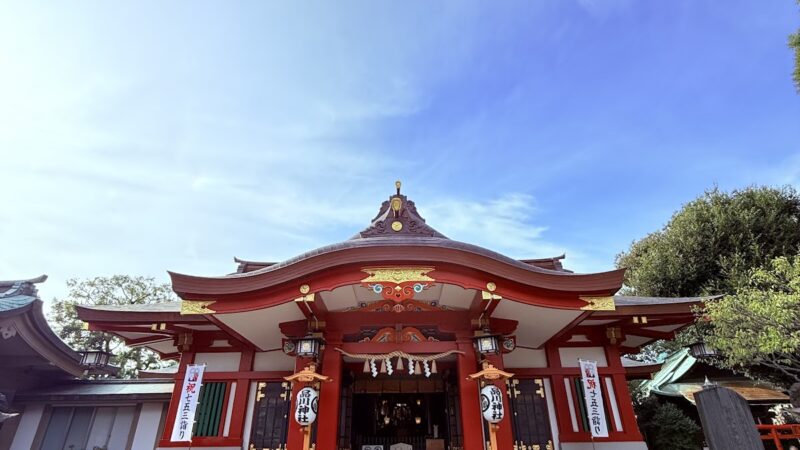
Shinagawa Shrine is a prestigious shrine located in Kita-Shinagawa, Shinagawa Ward, Tokyo, and is counted as one of the “Ten Shrines of Tokyo.” It is said to have been founded by Minamoto no Yoritomo in 1187 and is cherished by the local people as the guardian shrine of Shinagawa.
Deities and Benefits
Main Deities
Shinagawa Shrine enshrines three deities.
- Ame-no-Hirino-Me-no-Mikoto: Guardian deity of safe voyages and traffic safety
- Uganome-no-Mikoto: Goddess of clothing, food, and shelter, and prosperity in business
- Susanoo-no-Mikoto: Protection from evil and eradication of disease
Main Benefits
- Increased Financial Fortune: The spring of “One Grain, Ten Thousand Times” and the lower shrine of Ana Inari Shrine
- Business Prosperity: The divine virtue of Uganome-no-Mikoto
- Career Advancement and Good Fortune: Because Tokugawa Ieyasu visited the shrine before the Battle of Sekigahara and achieved victory
- Safe Voyages and Traffic Safety: Protection from Ame-no-Hirino-Me-no-Mikoto
- Protection from Evil: The divine power of Susanoo-no-Mikoto
History and Origin
History of Founding
In 1187 (Bunji 3), Minamoto no Yoritomo, praying for safe maritime travel and the fulfillment of his wishes, invited Ame-no-Hiri-no-Me-no-Mikoto, the deity of Suzaki Myojin in Awa Province (present-day Chiba Prefecture), to establish the shrine. Shinagawa has long been a key point for maritime traffic and flourished as the first post town on the Tokaido road.
Connection to Tokugawa Ieyasu
In 1600 (Keicho 5), Tokugawa Ieyasu visited Shinagawa Shrine to pray for victory before heading to the Battle of Sekigahara. After his resounding victory, Ieyasu continued to deeply revere Shinagawa Shrine and commissioned the construction of shrine buildings. Because of this history, the shrine became known for its blessings of “career advancement and good fortune.”
One of the Ten Shrines of Tokyo
In 1868 (Meiji 1), Emperor Meiji designated it as one of the “Ten Shrines of Tokyo,” established to pray for the protection of Tokyo and the peace of all its people. Other notable sites include Hie Shrine, Kanda Myojin Shrine, and Nezu Shrine.
Highlights within the Shrine Grounds
Shinagawa Fuji (Fujizuka)
Within the shrine grounds is Shinagawa Fuji, one of the largest Fujizuka (artificial mounds resembling Mount Fuji) in Tokyo. A Fujizuka is an artificial mountain built to resemble Mount Fuji for people who cannot climb the actual mountain.
- Height: Approximately 15 meters
- Construction Year: Tenpo 2 (1831)
- Features: It is possible to climb to the top, and it is believed to bring the same blessings as climbing Mount Fuji.
- Climbing Period: Specially opened during the mountain opening period in July (normally accessible for worship).
From the top, you can enjoy a panoramic view of Shinagawa, and it is said that in the past, Tokyo Bay could also be seen.
Ichiryu Manbai no Izumi (One Grain, Ten Thousandfold Spring)
Located to the left of the main hall, this sacred spring is popular as a power spot for increasing wealth.
How to Worship:
- Obtain a seal (200 yen) at the shrine office.
- Wash your money (coins and banknotes) in the spring water.
- Carry the washed money in your wallet.
- Carry the seal in your wallet.
It is believed that money washed in this spring will multiply many times over, based on the meaning that “a single grain of rice will grow into a rice stalk bearing ten thousand grains.”
Ana Inari Shrine (Upper and Lower Shrines)
There are two Ana Inari Shrines within the grounds of Shinagawa Shrine.
Upper Shrine (Kamisha)
Located at the top of the stairs to the right of the main hall, it enshrines the spirit of heavenly blessings. Passing through the torii gate, you will see a thousand donated torii gates on both sides, creating a landscape reminiscent of Fushimi Inari in Kyoto.
Lower Shrine (Shimosha)
Known as “the only Inari shrine in Tokyo where the lower shrine is located above the main shrine.” This shrine enshrines the spirits of the earth’s bounty and is believed to bring prosperity in business and increased wealth. There is a sacred hole beneath the shrine, called “Oana-sama,” through which it is said that wishes will come true if you pass through.
Twin Dragon Torii Gate
The main torii gate of Shinagawa Shrine is a rare “twin dragon torii” in Tokyo. The pillars of the gate are carved with ascending and descending dragons, and it was dedicated during the Meiji era. Dragons are considered gods who control water and are symbols of protection against fire and business prosperity.
Fuji Sengen Shrine
This shrine, located on the summit of Shinagawa Fuji, enshrines Konohanasakuya-hime no Mikoto. It is believed to bring blessings for safe childbirth, child-rearing, and protection from fire.
Daikokuten Statue
Within the shrine grounds, near the “grave of Itagaki Taisuke,” is a statue of Daikokuten, worshipped as a god of business prosperity and good fortune.
Points to Note When Visiting
Recommended Order of Visiting
- Passing Through the Twin Dragon Torii Gate: Receiving the Power of the Dragon God
- Climbing the Stone Steps: 53 steps (named after the Fifty-Three Stations of the Tokaido)
- Purifying at the Water Basin
- Praying at the Main Hall: Two bows, two claps, one bow
- The Spring of Ten Thousandfold Prosperity: Praying for Financial Fortune (Receive a seal beforehand)
- Ana Inari Shrine Lower Shrine: Passing Through the Cave
- Climbing Shinagawa Fuji: To the Fuji Sengen Shrine at the Summit
- Ana Inari Shrine Upper Shrine: Passing Through the Thousand Torii Gates
Precautions When Visiting
- Shinagawa Fuji: The ground can be slippery, so comfortable walking shoes such as sneakers are recommended.
- The Cave: The passageway is narrow, so avoid carrying large luggage.
- **Ichiryu Manbai no Izumi (Spring of Ten Thousand Blessings): It is believed that even small amounts of money washed in the spring have the same effect.
- Photography: Photography is permitted on the shrine grounds, but please be considerate of other visitors.
Estimated Time Required
A leisurely stroll through the grounds takes approximately 40 minutes to 1 hour. If you plan to climb the Fujizuka (miniature Mt. Fuji) and visit all the subsidiary shrines, it’s advisable to allow at least 1 hour.
Goshuin (Shrine Seals) and Amulets
Goshuin (Shrine Seals)
Shinagawa Shrine offers several types of goshuin.
- Shinagawa Shrine Goshuin: The basic goshuin.
- Ana Inari Shrine Goshuin: The goshuin for the subsidiary shrine.
- Fuji Asama Shrine Goshuin: The goshuin for Shinagawa Fuji.
- Tokyo Ten Shrines Pilgrimage Exclusive Goshuin: For those undertaking the Tokyo Ten Shrines pilgrimage.
The offering fee for each is approximately 300 to 500 yen.
Popular Amulets
- Ichiryu Manbai Amulet: Amulet for increased wealth
- Shoryu Amulet: For career advancement and improved work luck
- Traffic Safety Amulet: For safety on cars, motorcycles, and bicycles
- Mt. Fuji Amulet: For safe mountain climbing and good health
Annual Festivals and Events
Shinagawa Shrine Annual Festival (Early June)
This is the largest festival of Shinagawa Shrine. The main festival, held once every three years, features a procession of the portable shrine into the sea. While in the past the portable shrine entered Tokyo Bay, the procession now takes place on the Meguro River.
Other Major Events
- Hatsumode (January 1st-3rd): Bustling with many worshippers
- Setsubun Festival (February 3rd): Bean-throwing ritual
- Fujizuka Mountain Opening (Around July 1st): Special opening of Shinagawa Fuji
- Shichi-Go-San (November): Celebrating children’s growth
- Oharai (June 30th, December 31st): Purifying sins and impurities accumulated over the past six months
Access and Basic Information
Access by Train
Nearest Station: Keikyu Main Line “Shinbaba Station”
- Approximately 1 minute walk from the North Exit ticket gate
- The torii gate of Shinagawa Shrine is immediately visible to the right after exiting the station
Other Nearest Stations
- Approximately 15 minute walk from JR/Keikyu “Shinagawa Station” Takanawa Exit
- Head towards Kita-Shinagawa along Dai-ichi Keihin (National Route 15)
Access by Car
Approximately 10 minutes from the Shibaura Exit of the Metropolitan Expressway Route 1 Haneda Line.
Parking: There are a few parking spaces for visitors on the temple grounds (free, limited number). If the parking lot is full, please use a nearby coin-operated parking lot.
Basic Information
- Address: 3-7-15 Kitashinagawa, Shinagawa-ku, Tokyo 140-0001
- Phone: 03-3474-5575
- Visiting Hours: Grounds are freely accessible (Shrine office is open from 9:00 to 17:00)
- Admission Fee: Free
- Official Website: http://shinagawajinja.tokyo/
Nearby Tourist Attractions
- Kitashinagawa Shopping Street: A shopping street that retains the atmosphere of a post town on the old Tokaido road
- Shinagawa Honjin Site: A historical site of a post town from the Edo period
- Toshida Shrine: An ancient shrine a 5-minute walk from Shinagawa Shrine
- Ebara Shrine: The guardian deity of the sea in Shinagawa, famous for its Tenno Festival in June
Summary
Shinagawa Shrine is a historic shrine founded by Minamoto no Yoritomo and associated with Tokugawa Ieyasu. It is known for its diverse blessings, including financial luck, career advancement, and business prosperity. With numerous attractions such as one of Tokyo’s largest artificial Mount Fuji mounds, the Ichiryu Manbai Spring, and the Twin Dragon Torii gate, it is also a popular power spot. Its excellent accessibility, just a one-minute walk from Keikyu Shinbaba Station, is another attractive feature. It’s a shrine you should definitely visit when exploring Shinagawa.