About Nikko Futarasan Shrine Okumiya
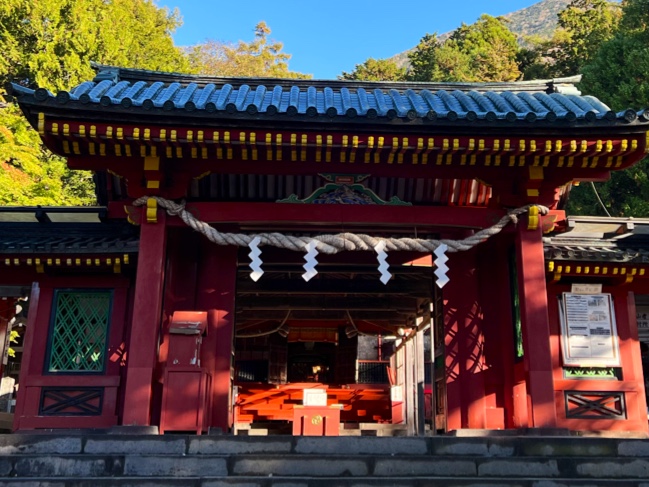
Nikko Futarasan Shrine Okumiya is a shrine located on the summit of Mount Nantai (elevation 2,486m) in Nikko City, Tochigi Prefecture. It is one of the three main shrines of Nikko Futarasan Shrine (the main shrine, the middle shrine, and the inner shrine), and has been revered as a sacred site of mountain worship since ancient times.
History and Origins of Okumiya
The founding of Okumiya dates back to 782 (Ten’ō 2), when Shōdō Shōnin climbed Mount Nantai. Shōdō Shōnin succeeded in reaching the summit on his fourth attempt, and it is said that he erected a shrine on the summit, marking the beginning of the shrine.
Mount Nantai has long been worshipped as a sacred mountain where gods reside, and the mountain itself has been considered a divine object. During the Edo period, along with the flourishing Nikko Toshogu Shrine, many ascetic monks and pilgrims visited the shrine, and even today, it is bustling with many climbers during the climbing season.
Deities and Divine Virtues
Main Deities
- Ōnamuchi-no-Mikoto: Also known as Ōkuninushi-no-Mikoto. God of matchmaking, good fortune, and business prosperity.
- Tagorihime-no-Mikoto: One of the three Munakata goddesses. God of maritime safety and traffic safety
- Ajisukitakahikone-no-Mikoto: God of agriculture and industry
Special Divine Blessings Unique to the Mountaintop
Due to its special location at the summit of Mt. Nantai, the following blessings are believed to be available:
- Good Fortune and Victory: Success after overcoming difficulties
- Fulfillment of Wishes: Fulfillment of prayers after the trial of climbing to the summit
- Protection from Evil and Purification: Purification of mind and body through the pure energy at an altitude of 2,486m
- Matchmaking: Harmony between spouses and successful relationships
Points to Note When Visiting
Period for Climbing
Climbing to the inner shrine is limited to May 5th to October 25th. Outside of this period, the mountain is closed for the winter, and the climbing trails are also closed.
Climbing Hours
- Trailhead Opening: 6:00 AM
- Recommended Descent Time: By 2:00 PM (for safety reasons)
- Estimated Time: Approximately 4 hours for ascent, approximately 3 hours for descent (may vary depending on the individual)
Climbing Fee and Registration
Mt. Nantai is a sacred area, therefore the following procedures are required for climbing:
- Climbing Fee: 1,000 yen (payable at the climbing gate of Chugushi)
- Registration Location: Futarasan Shrine Chugushi (Lake Chuzenji)
- Climbing Certificate: Receive a climbing certificate at registration and carry it with you.
Proper Conduct at the Summit
Prosecution at the Okumiya Shrine
- Bow Before the Torii Gate: Bow before passing through the torii gate at the summit.
- Two Bows, Two Claps, One Bow: The same procedure as for normal shrine visits.
- Gratitude for Reaching the Summit: Offering gratitude for safely reaching the summit.
- Quiet Prayer: Praying wholeheartedly in the sacred atmosphere of the mountaintop.
Highlights of the Summit
- Inner Shrine: A small stone shrine.
- Sword: A large sword-shaped object standing on the summit (a photo spot).
- 360-Degree Panorama: A spectacular view overlooking Lake Chuzenji, Senjogahara, the Nikko mountain range, and the Kanto Plain.
- Stone Monument of Futarasan Okami: A stone monument marking the summit.
Tips and Precautions for Climbing
Clothing and Equipment
- Hiking Boots Required: Sneakers are not acceptable; prepare proper hiking boots.
- Rainwear: Mountain weather is unpredictable.
- Warm Clothing: The temperature at the summit is more than 10 degrees Celsius lower than in the lowlands.
- Headlamp: In case of early morning departure or delays in descending.
- Sufficient Water: At least 1.5 liters.
- Snacks: Food for energy replenishment
Physical Fitness and Skill Level
- Difficulty: Intermediate (elevation difference approximately 1,200m)
- Physical Fitness: Suitable for those with regular exercise habits
- Mountain Climbing Experience: Solo climbing is not recommended for beginners
- Rocky Areas: Multiple sections with chains and steep climbs
Safety Precautions
- Early Morning Departure Recommended: Ideally, depart as soon as the gate opens at 6:00 AM
- Weather Check: Consider canceling the climb if thunderstorms are forecasted
- Avoid Solo Climbing: Climb with multiple people whenever possible
- Don’t Push Yourself: Have the courage to turn back if you feel unwell
- Submit Climbing Notification: Be sure to submit a climbing notification at Chugushi Shrine
Access Method
Access to the Trailhead (Futarasan Shrine Chugushi Shrine)
Using Trains and Buses
- From JR/Tobu Nikko Station, take a Tobu bus bound for “Chuzenji Onsen” or “Yumoto Onsen”.
- Get off at the “Futarasan Shrine Chugushi-mae” bus stop (approximately 45 minutes).
- The trailhead is a short walk from the bus stop.
Bus fare: Approximately 1,300 yen one way (varies depending on the season)
By private car
- Approximately 30 minutes from Kiyotaki IC on the Nikko-Utsunomiya Expressway via National Route 120 (via Iroha-zaka).
- Parking: Futarasan Shrine Chugushi parking lot (free, approximately 50 cars).
- Peak season: Early morning arrival is recommended during Golden Week, summer holidays, and autumn foliage season.
Iroha-zaka opening hours
- Normal season: Open 24 hours.
- Winter: May be closed due to icy or snowy conditions.
Hiking route
Standard Route (Futarasan Shrine Chugushi Course)
This is the only official climbing route:
- Climbing Gate (Elevation 1,270m): Climbing registration and payment of climbing fee
- First to Fourth Station: Steep climb through forest (approx. 2 hours)
- Fifth Station: Open view, rest point
- Sixth to Eighth Station: Increased rocky and chain sections (approx. 1 hour)
- Ninth Station: Final steep climb
- Summit/Okumiya (Elevation 2,486m): Approx. 4 hours from the climbing gate
Distance and Elevation Difference
- One-way distance: Approx. 6km
- Elevation difference: Approx. 1,200m
- Cumulative elevation gain: Approx. 1,300m
Nearby Pilgrimage Spots
Futarasan Shrine Chugushi
Be sure to visit Chugushi, located at the trailhead:
- Deities enshrined: The same three deities as Okumiya
- Highlights: Spectacular views overlooking Lake Chuzenji, prayers for safe climbing
- Goshuin (temple/shrine stamp): Available before and after climbing
Lake Chuzenji
- A beautiful lake that spreads out right in front of Chugushi
- Enjoy sightseeing boats and boating
- A famous spot for autumn foliage (mid-to-late October)
Kegon Falls
- Approximately 5 minutes by car from Chugushi
- One of Japan’s three most famous waterfalls, a magnificent waterfall with a drop of 97m
Goshuin and other items
Okumiya Goshuin
Goshuin are not available at the summit. The Okumiya (inner shrine) goshuin (seal) can be obtained at the following locations:
- Futarasan Shrine Chugushi: Obtainable before and after the climb (present your climbing certificate as proof of ascent)
- Offering Fee: 500 yen
- Special Goshuin: Limited-time goshuin available for the climbing period
Climbing Souvenirs
The Chugushi offers the following souvenirs:
- Climbing Certificate: Certificate of climb (included in the climbing fee)
- Climbing Commemorative Badge: Design changes annually
- Amulet: For climbing safety, good fortune, victory, etc.
Best Time for Climbing
Characteristics by Month
Early May to June
- Advantages: Beautiful fresh greenery, relatively uncrowded
- Disadvantages: Possibility of remaining snow, low temperatures
- Recommendation Level: ★★★☆☆
July to August
- Advantages: Stable weather, high temperatures, easy to climb
- Disadvantages: Crowded, possibility of thunderstorms in the afternoon
- Recommendation: ★★★★☆
September to mid-October
- Advantages: Beautiful autumn foliage, comfortable temperatures
- Disadvantages: Extremely crowded during autumn foliage season
- Recommendation: ★★★★★
Late October
- Advantages: Relatively uncrowded
- Disadvantages: Low temperatures, possibility of first snowfall
- Recommendation: ★★★☆☆
Times and conditions to avoid
- Typhoon season (September): Risk of bad weather
- Rainy season (late June to mid-July): Frequent rain
- When a thunderstorm warning is issued: Absolutely cancel the climb
Frequently Asked Questions (FAQ)
Can beginners climb?
Not recommended for complete beginners with no climbing experience. This is an intermediate-level course with an elevation difference of 1,200m, including rocky and chained sections. It’s recommended to gain experience on lower mountains first.
Is a day trip possible?
Yes, it is. Most climbers do it as a day trip. If you depart at 6 AM, you can descend by 2-3 PM.
Is there a mountain hut at the summit?
There are no accommodations at the summit. Day trips are the norm.
Are there toilets?
There are toilets at the trailhead (Chūgūshi) and at the 5th station. There are none at the summit.
Can children climb?
Children in upper elementary school or older who regularly exercise can climb. However, sufficient adult supervision is necessary.
What about climbing in rainy weather?
Climbing is possible in light rain, but we strongly recommend canceling if heavy rain or thunderstorms are forecast. There is a risk of lightning strikes near the summit.
Summary
Nikko Futarasan Shrine’s inner sanctuary, located atop Mount Nantai (2,486m), is one of Japan’s most sacred and powerful spiritual spots. While climbing requires considerable physical fitness and equipment, the breathtaking views from the summit, the sense of accomplishment, and the sacred atmosphere offer a special experience only those who persevere can truly appreciate.
Key Points for the Climb:
- Limited Time Only (May 5th – October 25th)
- Climbing Fee: 1,000 yen (Registration at Chugushi)
- Time Required: Approximately 7 hours round trip
- Requires proper mountaineering equipment
- Early morning departure is essential
With sufficient preparation and a humble heart, try your hand at visiting the inner sanctuary of the sacred Mount Nantai.