About Moritomo Takio Shrine
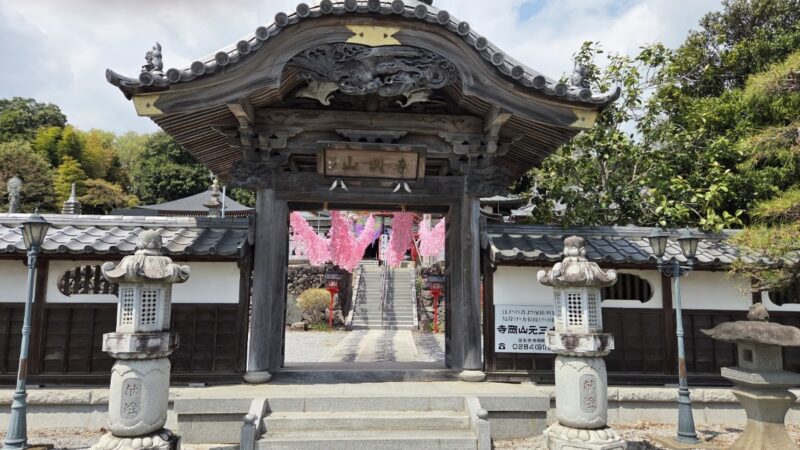
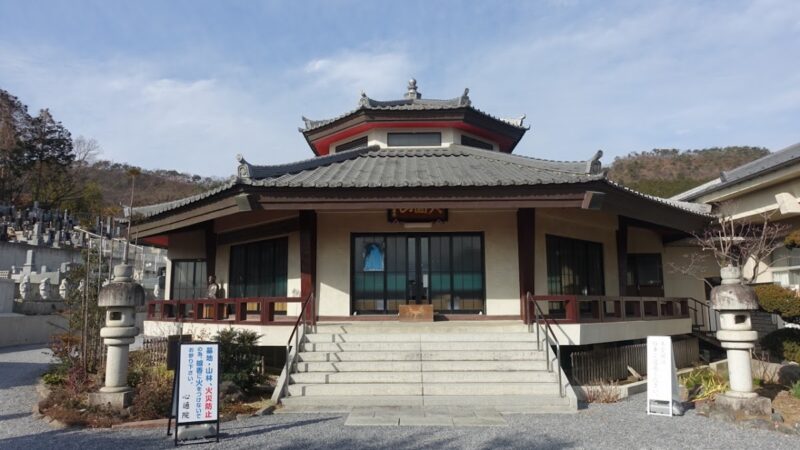
Moritomo Takio Shrine is an ancient shrine located in Moritomo-cho, Fushimi-ku, Kyoto City. Within its quiet, community-rooted atmosphere, a history and faith dating back to the Heian period breathe life into its presence.
History of the Shrine
The founding of Moritomo Takio Shrine is said to date back to the mid-Heian period, giving it a history of approximately 1,000 years. This area was once called Moritomo-go, a settlement centered on agriculture. The shrine has been revered by the local residents as their tutelary deity for generations.
During the Edo period, it flourished as an important location along the Fushimi Road, attracting many worshippers. After the Meiji Restoration’s separation of Shinto and Buddhism, it took its current form and has been carefully preserved as the guardian deity of the region to this day.
Deities and Divine Virtues
Main Deity
Okuninushi-no-Mikoto is enshrined as the main deity. Okuninushi-no-Mikoto, also known as the enshrined deity of Izumo Taisha Shrine, is revered as the god of nation-building and is affectionately known as “Daikoku-sama,” a god of good fortune.
Enshrined Deities
Several other deities are enshrined within the shrine grounds, allowing visitors to receive diverse divine blessings.
Benefits
Moritomo Takio Shrine is believed to offer the following benefits:
Matchmaking and Success in Relationships
Okuninushi-no-Mikoto is widely worshipped as a god of matchmaking due to his union with many goddesses. He is believed to grant blessings not only for romantic success but also for fostering good relationships in all aspects of human interaction.
Business Prosperity and Success
Okuninushi-no-Mikoto, also known as “Daikoku-sama,” is a god of good fortune, attracting many visitors praying for business prosperity and success. The shrine is particularly revered by local shop owners and businesspeople.
Family Safety and Protection from Evil
Due to its history as a guardian deity protecting the community, this shrine is known for its blessings of family safety and protection from evil. Local residents visit at the beginning of the year and at significant times to pray for the safety of their families.
Abundant Harvest and Industrial Development
Ōkuninushi-no-Mikoto, the god of nation-building, is also the god who presides over the development of agriculture and other industries. In Moritomo, a former farming area, the belief in praying for a bountiful harvest has been passed down through generations.
Points to Note During Your Visit
Highlights of the Shrine Grounds
Main Hall
The wooden main hall preserves the traditional style of shrine architecture. Despite its small size, the carefully maintained shrine reflects the deep faith of the local people.
Water Basin
The water basin for purification before worship is located near the entrance to the shrine grounds. Please purify your hands and mouth according to the proper etiquette before worshipping.
Shrine Office
There is a shrine office where you can receive Goshuin (shrine stamps) and amulets. However, staff may not always be present, so it is recommended to check in advance if you wish to receive them for sure.
Etiquette for Worship
- Bow before passing through the torii gate: Bow before entering the shrine grounds at the torii gate.
- Purify yourself at the water basin: Purify your hands at the water basin in the order of left hand, right hand, and mouth.
- Worship at the main shrine: Worship using the two bows, two claps, and one bow ritual.
- Express gratitude: Express not only your wishes but also your daily gratitude.
Recommended Time to Visit
New Year’s Visit (January 1st-3rd)
New Year’s visits are bustling with many local residents. It is an excellent opportunity to pray for safety and happiness throughout the year.
Annual Grand Festival
The annual grand festival features Shinto rituals and dedication ceremonies. This is a valuable opportunity to experience the local traditional culture.
Quiet Weekdays
As this shrine is not a tourist destination, you can visit in peace, especially on weekdays. Weekday visits are recommended for those who wish to offer prayers in quiet contemplation.
Access Information
Location
Address: Moritomo-cho, Fushimi-ku, Kyoto City, Kyoto Prefecture
Access by Train
Using Keihan Railway
- Approximately 10 minutes on foot from Keihan Main Line “Sumizome Station”
- Exit the station and head southwest. The shrine will arrive after passing through a residential area.
Using JR
- Approximately 15 minutes on foot from JR Nara Line “JR Fujimori Station”
- Head west from the station and cross the Keihan Main Line tracks.
Access by Bus
If using Kyoto City Buses, the shrine is accessible on foot from the nearest bus stop. However, walking from the station is the easiest route.
Access by Car
Parking
There is no dedicated parking lot for visitors. If you are visiting by car, we recommend using nearby coin-operated parking lots or public transportation.
Access from Major Roads
- Approximately 20 minutes from the Meishin Expressway “Kyoto Minami IC”
- Accessible from National Route 24
Nearby Attractions
Fushimi Inari Taisha Shrine
A nationally famous shrine located about 10 minutes by car and 15 minutes by train. It is one of Kyoto’s leading tourist spots, known for its thousands of torii gates.
Fujimori Shrine
A shrine of good fortune and horses, located within walking distance. Also known as the birthplace of the Iris Festival.
Fushimi Sake Brewery District
Fushimi is one of Japan’s leading sake-producing regions. Facilities where you can experience Japanese sake culture, such as the Gekkeikan Okura Memorial Museum, are scattered throughout the area.
Notes on Visiting
Visiting Hours
While you can generally visit the shrine grounds freely, please refrain from visiting early in the morning or late at night. Daytime visits are recommended.
Manners and Etiquette
- Please be quiet: As the shrine is adjacent to a residential area, please refrain from speaking loudly.
- Photography: Photography is permitted on the shrine grounds, but please be considerate of other visitors.
- Please take your trash home: To maintain the beauty of the shrine grounds, please be sure to take your trash with you.
- No smoking: Smoking is prohibited throughout the shrine grounds.
Dress Code
There are no specific dress code requirements, but modest attire that reflects the sacred nature of the place is desirable.
Summary
Moritomo Takio Shrine is a historic shrine quietly nestled in a residential area of Fushimi, Kyoto. Because it hasn’t been commercialized for tourism, you can experience the tranquil atmosphere of a traditional shrine. It’s a valuable place where you can receive the divine blessings of Okuninushi-no-Mikoto while experiencing a form of faith rooted in the local community.
Visiting it along with other famous nearby shrines such as Fushimi Inari Taisha and Fujimori Shrine is also recommended. Why not extend your trip a little and visit it during your Kyoto sightseeing? Enjoy a peaceful moment of worship at Moritomo Takio Shrine, a place beloved by the local community.