About Hakozaki Shrine
Hakozaki Shrine, located in Higashi-ku, Fukuoka City, is the Ichinomiya (first-ranked shrine) of Chikuzen Province and one of Japan’s three great Hachiman shrines. It enshrines Emperor Ojin, Empress Jingu, and Tamayorihime-no-Mikoto, and boasts a history of over 1000 years.
History and Origin
Hakozaki Shrine is said to have been founded in 921 AD (Engi 21), when it was moved from Oita Shrine in Honami District (present-day Iizuka City) to its current location. The name “Hakozaki” is said to originate from the place where Empress Jingu placed the placenta (ena) of Emperor Ojin in a box and sank it into the sea.
During the Mongol invasions of the Kamakura period, Emperor Kameyama prayed for the “surrender of the enemy nation,” and the Mongol army retreated due to a divine wind. Since then, the shrine has been deeply revered as a deity protecting the nation. The plaque bearing the inscription “Surrender of the Enemy Nation” above the gatehouse is a symbol of Hakozaki Shrine, originating from this historical event.
Highlights of the Shrine Grounds
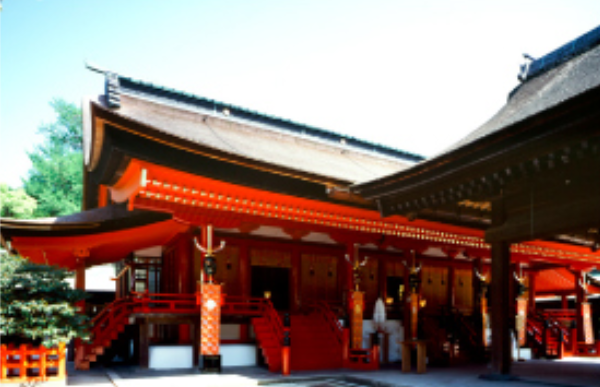
Main Hall and Worship Hall (National Important Cultural Property)
The main hall, rebuilt in 1546 by Ouchi Yoshitaka, is designated a National Important Cultural Property. With its beautiful cypress bark roof and vermilion-painted pillars, it is a valuable structure that preserves the characteristics of Muromachi period shrine architecture.
Gatehouse and “Surrender of the Enemy Nation” Plaque
The gatehouse, built in 1594 by Kobayakawa Takakage, the lord of Chikuzen Province, is also an Important Cultural Property. The imposing gate tower, approximately 10 meters high, bears a plaque inscribed with “Surrender of the Enemy Nation,” said to be in the handwriting of Emperor Daigo. It is a symbol of good fortune and attracts many worshippers.
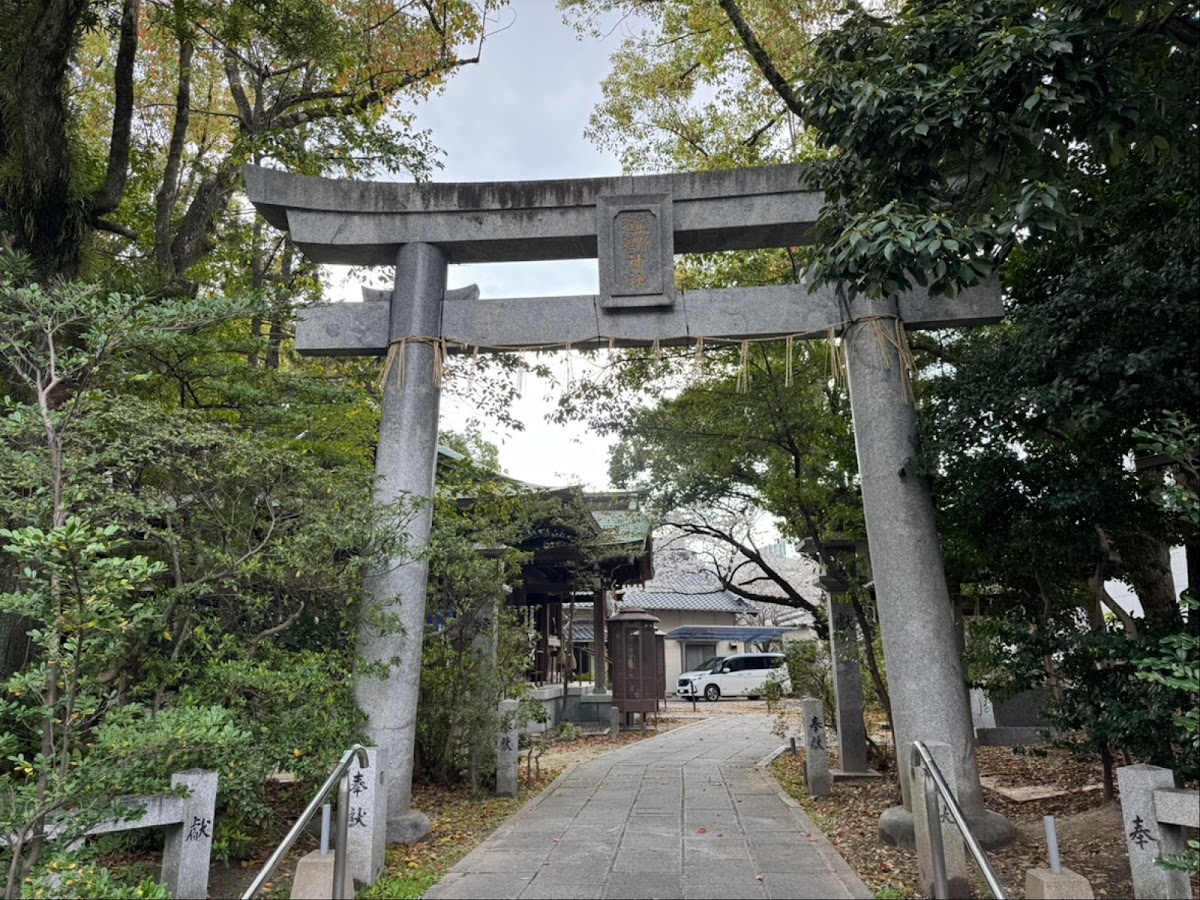
First Torii Gate and Approach
A roughly 1-kilometer-long approach leads from the first torii gate, located near the coast, to the main shrine. This approach, once facing the sea, is called “Oshioi-michi” and is bustling with worshippers during the Hojo-e festival.
Springing Stone
Located on the east side of the shrine grounds, the Springing Stone is a sacred stone said to have gradually risen from underground. Legend says it appears above ground during times of national crisis, and it is known as a power spot.
Main Benefits
Good Fortune and Victory Prayer
Due to the story of the repelling of the Mongol invasions, this shrine is widely revered as a place for good fortune and victory prayers. Many people facing competitions, such as students taking exams, athletes, and business people, visit this shrine. The Fukuoka SoftBank Hawks also pray here every year for victory.
Protection from Misfortune and Disaster
Due to its history of being revered as a god protecting the nation, it is believed to offer strong protection from misfortune and disaster. In particular, the plaque inscribed with “Surrender of Enemy Nations” is believed to have the power to ward off all calamities.
Maritime Safety and Traffic Safety
Due to its location facing the sea and the legend of Empress Jingu, it is also known for its blessings of maritime safety and traffic safety.
Traditional Events
Hojo-e Festival
Held annually from September 12th to 18th, the Hojo-e Festival is one of Hakata’s three major festivals and the largest religious ceremony at Hakozaki Shrine. During the festival, approximately 500 stalls line the approach to the shrine, attracting over 1 million visitors. Originating from Buddhist rituals that cherish the lives of living creatures, it embodies the meaning of “cherishing the lives of all things and refraining from killing.”
Tamatori Festival (Tama-seseri)
Held annually on January 3rd, the Tamatori Festival is a magnificent Shinto ritual in which men compete to seize a wooden ball weighing approximately 8 kilograms. Also known as “Tama-seseri,” it is believed that touching the ball brings good fortune.
Natsukoshi Festival
Held from June 30th to July 1st, the Natsukoshi Festival involves passing through a ring of reeds. This Shinto ritual purifies oneself of the impurities accumulated over the past six months and prays for good health and protection from illness for the remaining half of the year.
Points to Note When Visiting
Proper Worship Etiquette
- Bow at the first torii gate before entering the shrine grounds.
- Purify your body and mind at the water basin.
- Pass through the main gate and proceed to the main hall.
- Pray using the two bows, two claps, and one bow ritual.
- Explore the shrine grounds, including the spring-fed stone.
Recommended Visiting Time
Early morning (around 6:00-8:00 AM) offers fewer visitors, allowing for a peaceful and tranquil visit. During the Hojo-e festival, the shrine is open at night, allowing visitors to enjoy the magical atmosphere.
Items Available
The Kachi-mamori (victory charm) is a representative charm of Hakozaki Shrine and is popular for prayers for victory and good fortune. The Goshuin (shrine stamp) bearing the words “Surrender of the Enemy Nation” is also sought after by many visitors.
Access Information
Access by Train
- 3-minute walk from Hakozaki-Miyamae Station on the Fukuoka City Subway (nearest station)
- 8-minute walk from JR Hakozaki Station
- Convenient access: approximately 20 minutes by subway from Fukuoka Airport, and approximately 10 minutes from Hakata Station.
Access by Bus
- 3-minute walk from the “Hakozaki” bus stop on the Nishitetsu Bus line
- Approximately 20 minutes from Hakata Station
Access by Car
- Approximately 5 minutes from the “Hakozaki” exit of the Fukuoka Urban Expressway
- Parking: Approximately 100 cars can be parked on the temple grounds (paid parking)
- During the Hojo-e festival, surrounding roads become very congested, so the use of public transportation is recommended.
Visiting Hours and Admission Fee
- Opening Hours: 6:00 AM – 7:00 PM (may vary depending on the season)
- Admission Fee: Free
- Prayer Reception: 9:00 AM – 4:30 PM
Nearby Attractions
Around Hakozaki Shrine, you’ll find the Hakozaki Shopping Street and the coastline of Hakata Bay, making it a great place to stroll around in addition to visiting the shrine. Fukuoka PayPay Dome and Uminonakamichi Seaside Park are also accessible within about 20 minutes by car.