About Hikosan Jingu Shrine
Hikosan Jingu Shrine is a Shinto shrine located on the slopes of Mt. Hikosan, straddling Soeda Town in Tagawa District, Fukuoka Prefecture, and Nakatsu City in Oita Prefecture, at an altitude of approximately 600 meters. It enshrines Amenoshihomimi-no-Mikoto, a son of Amaterasu-Omikami, as its principal deity, and has flourished as a sacred site for Shugendo (mountain asceticism) since ancient times.
History and Prestige
- Founding: Said to be in the 25th year of Emperor Keitai’s reign (531 AD)
- Shinto-Buddhist Syncretism Era: As Hikosan Gongen, it was counted as one of Japan’s three major Shugendo training grounds, along with Hagurosan in Dewa and Omineyama in Kumano.
- Meiji Separation of Shinto and Buddhism: Became Hikosan Shrine in the early Meiji era, and was elevated to the rank of Jingu (Grand Shrine) in 1975 (Showa 50).
- Shrine Rank: One of the few shrines in Japan to hold the title of “Jingu” (Grand Shrine).
Points to Note When Visiting
Hōheiden (Main Hall)
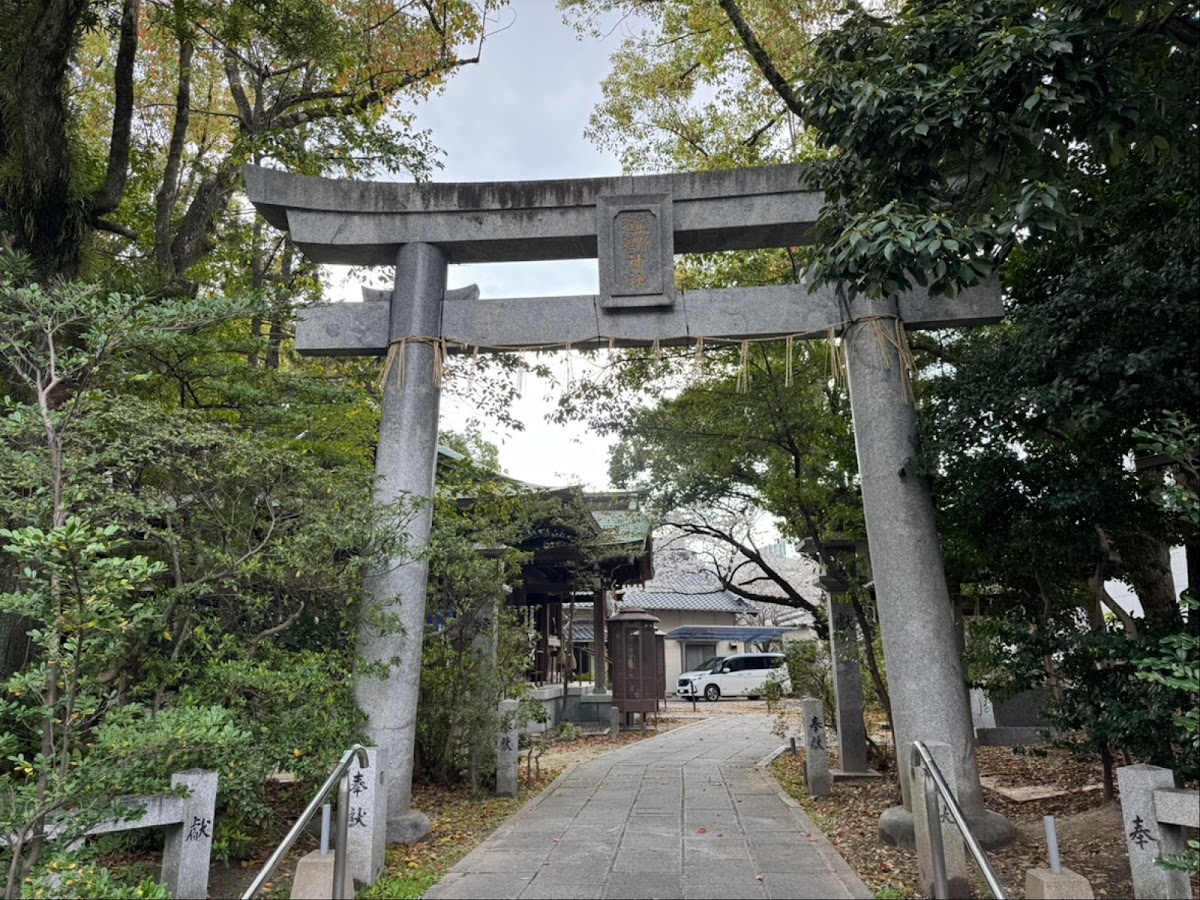
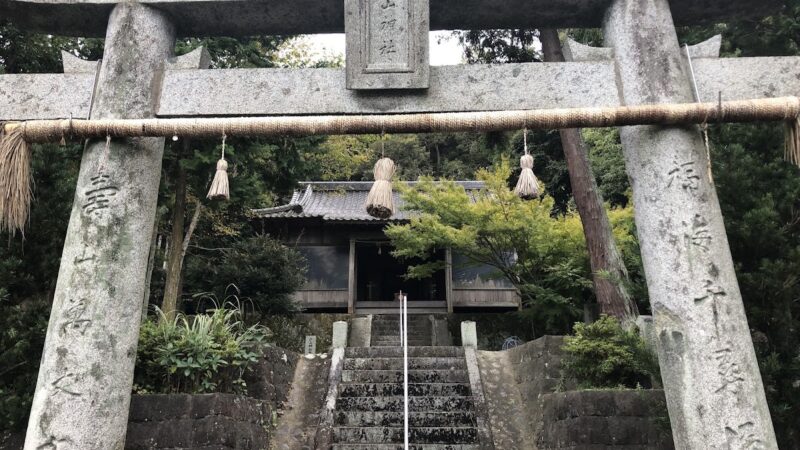
This is the central shrine building of Hikosan Jingu, located beyond the bronze torii gate. It features a magnificent architectural style built during the Edo period, and is a sacred space surrounded by giant cedar trees.
Stone Steps
Approximately 400 stone steps lead from the bronze torii gate to the Hōheiden. These stone steps are a historic pilgrimage route used by Shugendo practitioners for their training, and it is said that climbing each step purifies the mind and body.
- Time required: Approximately 30 minutes at a leisurely pace
- Rest area along the way
- Particularly beautiful during the autumn foliage season
Upper Shrine (Summit)
The Upper Shrine is located at the summit of Mt. Hikosan, at an altitude of 1,199m. It is about an hour and a half’s climb from the Hōheiden (offering hall), and proper mountaineering equipment is required. From the summit, a spectacular view of the Kyushu mountains unfolds.
Hikosan Shugendo Museum
The museum, located along the pilgrimage route, exhibits the history and cultural artifacts of Shugendo on Mt. Hikosan. Through the Shugendo practitioners’ attire, ritual implements, and ancient documents, you can learn about the spiritual culture of this region.
Benefits
Hikosan Jingu Shrine is known for its diverse blessings:
- Good Fortune and Prosperity: The main deity, Amenoshihomimi-no-Mikoto, is a child of Amaterasu-Omikami and is believed to bring all kinds of good fortune.
- Family Safety and Protection from Evil: As a sacred site of Shugendo (mountain asceticism), it possesses powerful purifying energy.
- Academic Success: It is also worshipped as the god of wisdom and learning.
- Healing from Illness: A sacred place where Shugendo practitioners have offered prayers.
- Safety in Mountain Climbing: As a center of mountain worship, it protects the safety of climbers.
Access
Access by Car
- From Fukuoka: Approximately 50 minutes from Kokura Minami IC on the Kyushu Expressway.
- From Oita: Approximately 40 minutes from Shiida IC on the Higashi-Kyushu Expressway.
- Parking: Free parking available around the copper torii gate (approximately 100 spaces).
Public Transportation
- JR Hitahikosan Line: Get off at Hikosan Station, take the Soeda Town Bus bound for “Hikosan” for about 20 minutes, get off at the last stop and walk for 5 minutes.
- Nishitetsu Bus: Transfer to the Soeda Town Bus at Soeda Bus Center.
- *Since there are few buses, it is necessary to check the timetable in advance.
By Taxi
Approximately 20 minutes by taxi from Hikosan Station or Soeda Station (approximately 3,000 yen one way)
Points to Note When Visiting
- Attire: Since there are many stone steps, comfortable shoes and clothing that allows for easy movement are recommended.
- Estimated Time: Expect approximately 1.5 hours for a round trip from the copper torii gate to the main hall.
- Season: There is a possibility of snow and ice during winter (December to March). Warm clothing and non-slip footwear are essential.
- Opening Hours: Open to visitors at any time (Shrine office open from 9:00 to 17:00)
Nearby Attractions
- Hikosan Flower Garden: Enjoy seasonal flowers from spring to autumn.
- Takasumi Shrine: A subsidiary shrine of Hikosan Jingu, with its main hall located within a massive rock cave.
- Hikosan Onsen: A hot spring facility where you can relax after your visit.
Hikosan Jingu is one of Japan’s leading sacred sites, where nature and history are intertwined. Climbing the long stone steps one step at a time, you can experience the path walked by ascetic monks, offering a valuable pilgrimage experience that will refresh both your mind and body.