Complete Guide to Nishikiyama Tenmangu Shrine | The Charm and Visiting Information of the Historic Tenjin Shrine in Nopporo, Ebetsu City
Nishikiyama Tenmangu Shrine, located in Nopporo Yoyogi-cho, Ebetsu City, Hokkaido, is a historic shrine affectionately known as “Tenjin-sama” by the local people. From the pioneering era of the Meiji period to the present day, it has served as the guardian shrine of the Nopporo region, watching over abundant harvests and the development of the area. This article provides detailed information you should know before visiting, including the history of Nishikiyama Tenmangu Shrine, its enshrined deities, annual events, goshuin (shrine seals), and access methods.
What is Nishikiyama Tenmangu Shrine?
Nishikiyama Tenmangu Shrine is located at 38-1 Nopporo Yoyogi-cho, Ebetsu City, Hokkaido. Its former shrine rank was unranked. It enshrines Amaterasu Omikami and Sugawara no Michizane, and is widely worshipped as the god of learning.
A “Tenjin-sama” Rooted in the Community
Affectionately known as “Tenjin-sama” by the locals, it serves as an important cultural and spiritual center in the Nopporo area of Ebetsu City. During exam season, many worshippers visit, praying for academic success.
History of Nishikiyama Tenmangu Shrine
The history of Nishikiyama Tenmangu Shrine is deeply intertwined with the history of Hokkaido’s development.
Founded in the Meiji Era
In 1885 (Meiji 18) and the following year, 1886 (Meiji 19), soldiers from various prefectures in Kyushu, Yamaguchi, Hiroshima, Okayama, and Tottori settled in Nopporo. They cleared the pristine jungle, carving out a new land in a harsh natural environment.
As a “spiritual anchor” for the settlers, Nishikiyama Tenmangu Shrine began in 1889 (Meiji 22) when a divided spirit from Ise Grand Shrine was enshrined and worshipped. Originally known as Nishikiyama Shrine.
Divine Spirit from Dazaifu Tenmangu Shrine
In 1973 (Showa 48), the shrine received a divided spirit of Sugawara no Michizane from Dazaifu Tenmangu Shrine in Kyushu, and was renamed Nishikiyama Tenmangu Shrine. This renaming resulted in the current form, where Amaterasu Omikami and Sugawara no Michizane are enshrined as the two deities, further highlighting the shrine’s divine virtue as a god of learning.
100th Anniversary and the Present
Having reached its 100th anniversary, Nishikiyama Tenmangu Shrine has walked hand in hand with the development of the Nopporo area. From the pioneering era to the present day, it continues to attract the faith of local residents.
Enshrined Deities and Divine Virtues
Nishikiyama Tenmangu Shrine enshrines two deities.
Amaterasu Omikami
The supreme deity in Japanese mythology, a goddess who personifies the sun. The ancestral deity of the Imperial Family and revered as the tutelary deity of all Japanese people.
Divine Virtues:
- National Peace and Security
- Abundant Harvest
- Good Fortune and Prosperity
- Protection from Evil
Sugawara no Michizane
A scholar and politician of the Heian period, a tragic figure who, despite his exceptional talent, was unjustly exiled to Dazaifu. After his death, he was enshrined as Tenjin and is widely worshipped as the god of learning.
Divine Virtues:
- Academic Achievement
- Success in Exams
- Improvement in Literary Arts
- Protection from Evil
- Sincerity
Highlights of the Shrine Grounds
Plum Garden
In 1990 (Heisei 2), plum saplings were bestowed upon the shrine from Dazaifu Tenmangu Shrine, and a plum garden was created on the grounds. Because Sugawara no Michizane loved plum blossoms, they are an indispensable part of Tenmangu shrines. In spring, the beautiful plum blossoms bloom in profusion, delighting the eyes of worshippers.
Shrine Building
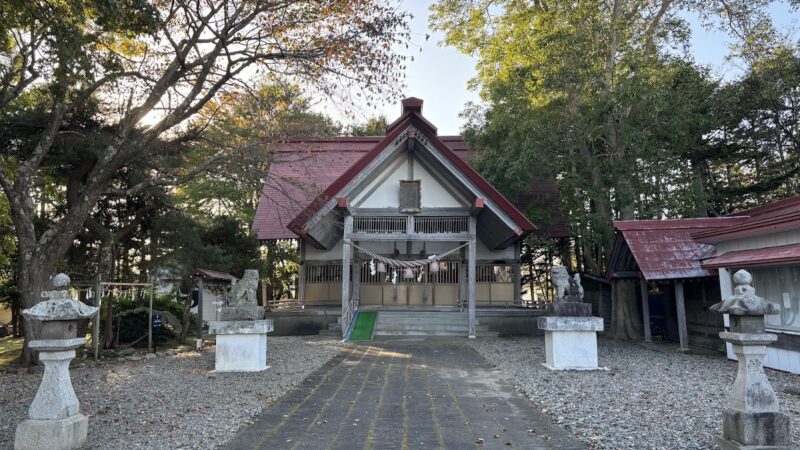
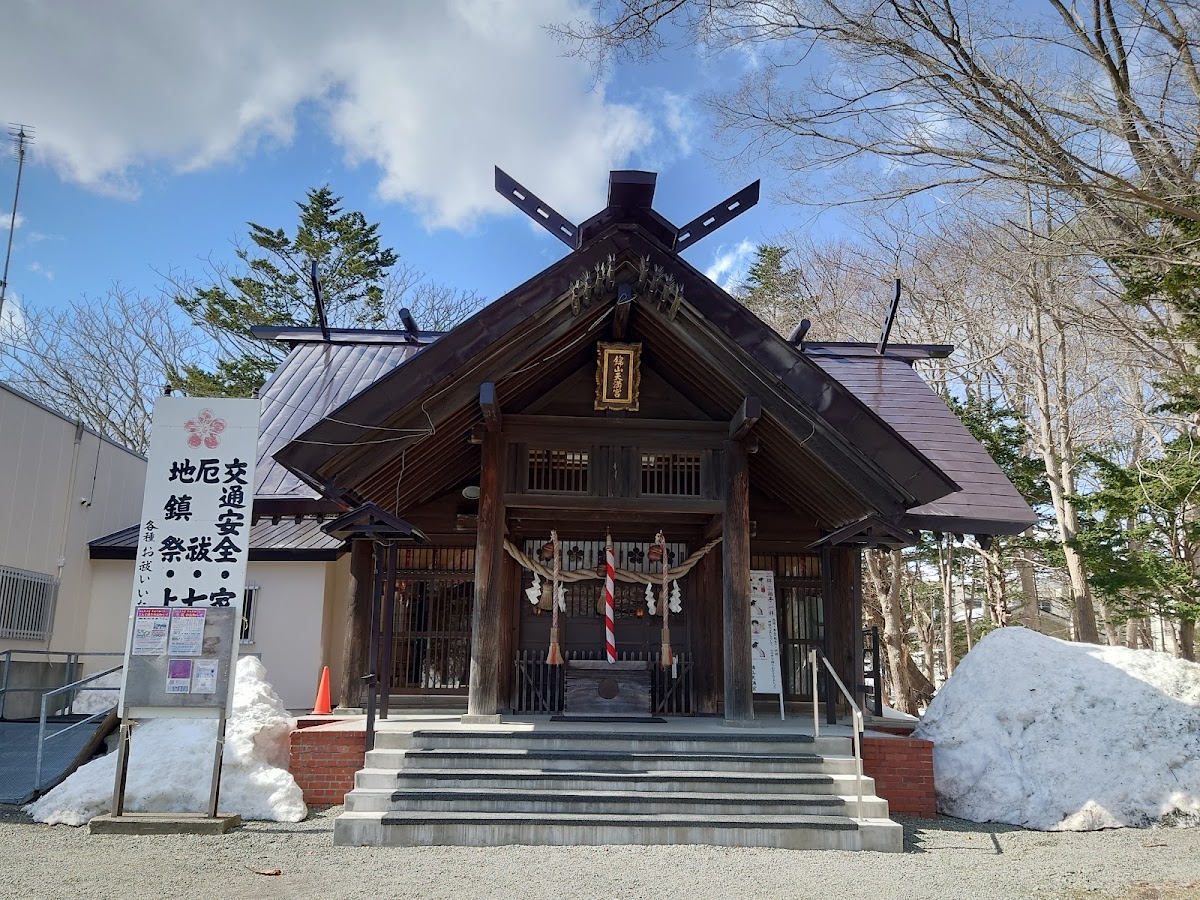
The charming wooden shrine building withstands Hokkaido’s harsh climate while warmly welcoming worshippers. A tranquil atmosphere unfolds, providing a space for peaceful worship.
Subsidiary Shrines
In addition to the main shrine, several subsidiary shrines are enshrined within the grounds, each offering different divine blessings.
Annual Events and Festivals
Nishikiyama Tenmangu Shrine holds various Shinto rituals and festivals throughout the year.
Spring Grand Festival
The spring grand festival prays for a bountiful harvest and peace in the region. Coinciding with the plum blossom season, it is enveloped in a vibrant atmosphere.
Autumn Grand Festival
This is the largest festival held at Nishikiyama Tenmangu Shrine in autumn. A portable shrine procession parades through the city, and numerous food stalls are set up. Local residents gather to offer their gratitude to the gods in a lively atmosphere.
Main contents of the Autumn Grand Festival:
- Portable Shrine Procession
- Food Stalls
- Kagura Performance
- Participation of Local Residents
New Year’s Visit
Many worshippers visit during the New Year period. The shrine is bustling with people praying for good health, family safety, academic success, and other blessings in the new year.
Other Annual Events
- Setsubun Festival: Bean-throwing to ward off evil and invite good fortune
- Shichi-Go-San: Praying for the healthy growth of children
- Summer Purification Ceremony: A Shinto ritual to cleanse away the impurities accumulated over the past six months
- Year-End Purification Ceremony: A Shinto ritual to cleanse away the impurities accumulated over the past year
About Goshuin (Shrine Seals)
At Kinzan Tenmangu Shrine, you can receive a Goshuin as proof of your visit.
Goshuin Reception
Reception Hours: 9:00 AM – 5:00 PM (during shrine office hours)
Goshuin are available at the shrine office. Please visit the shrine office after your visit and present your Goshuincho (seal book). First-time visitors can also receive an original Kinzan Tenmangu Goshuincho.
Features of the Goshuin (Shrine Seal)
The Goshuin at Nishikiyama Tenmangu Shrine features the shrine’s name and date of visit written in ink, along with the shrine’s seal. The carefully written ink makes it a wonderful memento of your visit.
About Prayers and Sorrows
Nishikiyama Tenmangu Shrine accepts various prayers and blessings.
Main Prayer Types
- Prayer for Academic Success/Passing Exams: For the academic improvement of students taking exams
- Prayer for Protection from Evil: For warding off evil during unlucky years
- Family Safety: For the health and safety of the family
- Business Prosperity: For the development and prosperity of the business
- Traffic Safety: For blessings for cars, etc.
- First Shrine Visit: For the healthy growth of a baby
- Shichi-Go-San: For the growth of children
Reservations and Reception
If you wish to have a prayer performed, it is recommended to make a reservation by phone in advance.
Contact Information: 011-383-2467
Reception Hours: 9:00 AM – 5:00 PM
Shinto Wedding Ceremony
Kinzan Tenmangu Shrine is known as the only wedding venue in Ebetsu City that offers Shinto wedding ceremonies.
Traditional Shinto Wedding Ceremony Since the Meiji Era
Since its founding in the Meiji era, countless couples have exchanged their vows at Kinzan Tenmangu Shrine. The solemn atmosphere of the Shinto wedding ceremony offers a special time to experience the beauty of Japanese tradition.
Features of the Shinto Wedding Ceremony
- A ceremony following traditional Shinto etiquette
- A warm atmosphere surrounded by family and relatives
- A solemn ceremony in a historic shrine
- A homey atmosphere unique to a shrine rooted in the community
If you are interested in a Shinto wedding ceremony, please contact the shrine office.
Access Information
Location
Address: 38-1, Nopporo Yoyogi-cho, Ebetsu City, Hokkaido 069-0832
Access by Train
Nearest Station: JR Hakodate Main Line, “Nopporo Station”
Walking: Approximately 12 minutes on foot from Nopporo Station
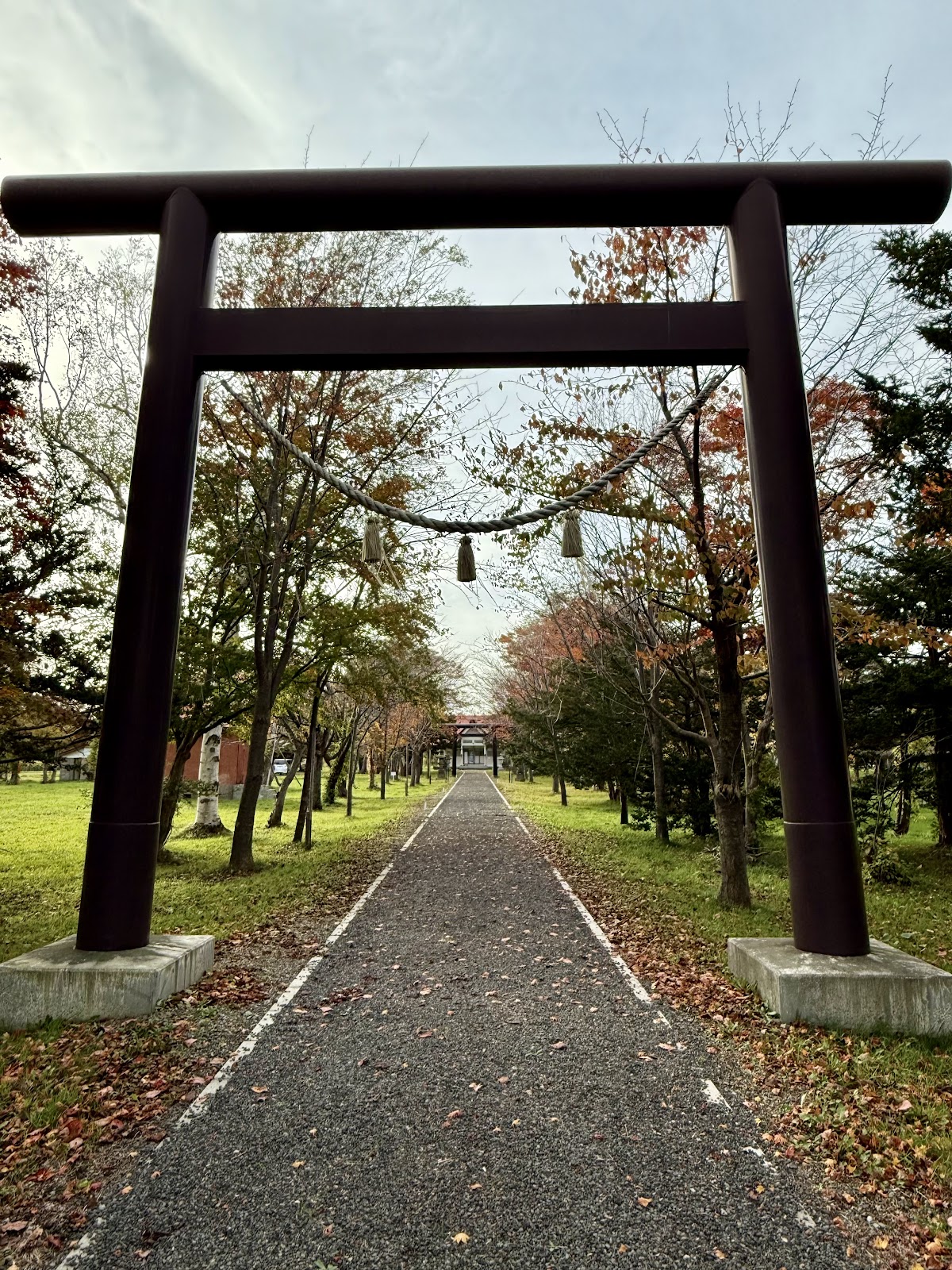
Exit the south exit of Nopporo Station and head towards National Route 12. After passing through the residential area, you will see the torii gate of Nishikiyama Tenmangu Shrine.
Access by Car
From Sapporo: Take National Route 12 towards Ebetsu, and follow the signs in the Nopporo area.
Parking: Available (Free)
There is a parking lot for visitors on the shrine grounds. During busy periods such as the annual festival, temporary parking may be opened.
Nearby Facilities
- Nopporo Forest Park: Approximately 10 minutes by car
- Hokkaido Historical Village: Approximately 8 minutes by car
- Aeon Town Ebetsu: Approximately 15 minutes on foot
Shrine Office Hours
Opening Hours: 9:00 AM – 5:00 PM
Closed: None in particular (Open all year round)
The issuance of Goshuin (shrine stamps), amulets, and prayer requests are handled during the shrine office’s opening hours.
Amulets and Souvenirs
Nishikiyama Tenmangu Shrine offers a variety of amulets and souvenirs.
Main Amulets
- Academic Success Amulet: Popular among students and those taking exams
- Passing Exams Amulet: For praying for success in exams
- Exorcism Amulet: For warding off evil spirits for those in their unlucky years
- Traffic Safety Amulet: For praying for safety in cars and bicycles
- Family Safety Amulet: For the health and happiness of the family
- Safe Childbirth Amulet: For praying for a safe childbirth for pregnant women
Other Items Offered
- Ema (votive tablets)
- Omikuji (fortune slips)
- Hamaya (demon-repelling arrows)
- Kumade (rakes for business prosperity)
- Goshinfuda (amulets)
The academic success amulet is particularly popular, as it is believed to bestow the divine blessings of Sugawara no Michizane.
Manners for Visiting a Shrine
When visiting a shrine, please observe the following manners.
How to Pass Through a Torii Gate
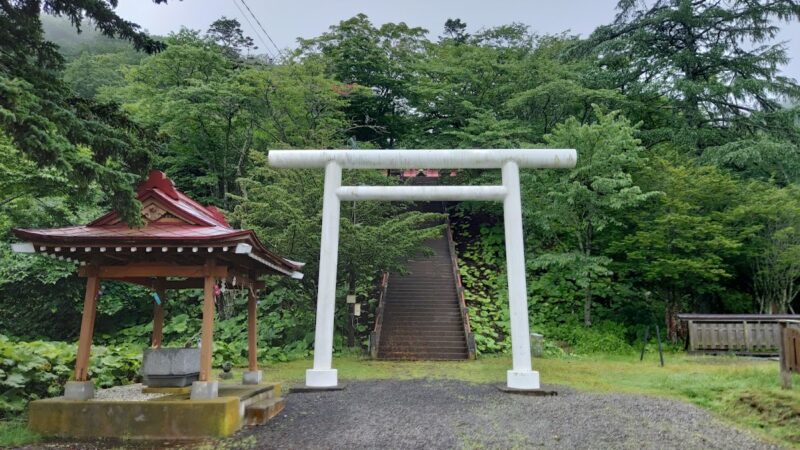
The torii gate is the entrance to the sacred area. Bow before passing through. The center of the approach to the shrine is considered the path of the gods, so it is considered good practice to walk along the edges.
Proper Ritual for Washing Hands
- Take the ladle with your right hand and wash your left hand.
- Switch the ladle to your left hand and wash your right hand.
- Switch the ladle back to your right hand, receive water in your left hand, and rinse your mouth.
- Wash your left hand again.
- Hold the ladle upright, wash the handle, and return it to its original position.
Proper Ritual for Worship
- Place your offering in the offering box.
- Ring the bell if there is one.
- Two bows, two claps, one bow.
- Bow deeply twice.
- Clap your hands twice at chest height.
- Join your hands and pray.
- Bow deeply once.
The Relationship Between Kinzan Tenmangu Shrine and the Nopporo Area
Kinzan Tenmangu Shrine has played an important role as the center of history and culture in the Nopporo area.
A Spiritual Sanctuary in the Pioneer Era
For the Nopporo Tondenhei (frontier soldiers) who settled in the northern land far from their hometowns during the Meiji era, including Kyushu prefectures and other parts of western Japan, Kinzan Tenmangu Shrine was a spiritual sanctuary. In the harsh life of clearing the pristine forest, the shrine provided spiritual support.
Center of the Local Community
Annual events, including the Grand Festival, are valuable opportunities for local residents to gather. The community ties centered around the shrine have been passed down to this day.
Connection to Education
As a Tenmangu shrine dedicated to the god of learning, it has deep ties to local schools and educational institutions. During exam season, many students and their parents visit to pray for success, making it a watchful presence for local education.
Nearby Tourist Attractions
When visiting Kinzan Tenmangu Shrine, you can also enjoy nearby tourist attractions.
Nopporo Forest Park
This vast forest park, covering approximately 2,000 hectares, allows visitors to enjoy nature throughout the seasons. The walking trails are well-maintained, making it ideal for birdwatching and forest bathing.
Hokkaido Historical Village
This is an open-air museum featuring relocated and restored buildings from Hokkaido from the Meiji to early Showa periods. Visitors can experience life during the pioneering era and gain a deeper understanding of the historical background of Nishikiyama Tenmangu Shrine.
Ebetsu City Ceramic Art Center
Ebetsu City is known as a town of bricks. At the Ceramic Art Center, visitors can experience pottery making and learn about the history of bricks.
Information Dissemination on Social Media
Nishikiyama Tenmangu Shrine operates an official Instagram account (@nishikiyama_tenmangu), where it posts the latest information about the shrine, announcements of annual events, and seasonal views of the shrine grounds. It is recommended to check the latest information before visiting.
Summary
Nishikiyama Tenmangu Shrine is a historic shrine that has walked hand in hand with the community as the guardian shrine of the Nopporo area of Ebetsu City, from the pioneering era of the Meiji period to the present day. Receiving the divine blessings of Amaterasu Omikami and Sugawara no Michizane, this shrine is revered by many as a place where various wishes can be granted, such as academic success, passing exams, protection from evil, and family safety.
It boasts seasonal charms, with plum blossoms in full bloom in spring and a lively annual festival in autumn. Its convenient location, just a 12-minute walk from JR Nopporo Station, is another attractive feature.
Kinzan Tenmangu Shrine warmly welcomes everyone, from students preparing for exams to those reaching a milestone in their lives and those interested in local history. Why not pay a visit? You’ll find peace of mind in its tranquil grounds and feel the divine blessings of Tenjin-sama.