Complete Guide to Nopporo Shrine | The Guardian Shrine of Ebetsu City, Where the History and Traditions of Niigata Immigrants Still Thrive
Nopporo Shrine, located in Nishinopporo, Ebetsu City, Hokkaido, is an important shrine that conveys the history of Hokkaido’s development during the Meiji era. Founded by 518 immigrants from Niigata Prefecture as a spiritual anchor, this shrine remains a beloved local guardian shrine for many worshippers. This article provides a detailed explanation of Nopporo Shrine’s history, enshrined deities, annual events, and access methods.
History and Founding of Nopporo Shrine
The Settlement by the Hokushin Colonial Company and the Beginning of the Shrine
The history of Nopporo Shrine dates back to May 1890 (Meiji 23). The arrival of 518 immigrants from Niigata Prefecture in Hokkaido by the Hokushin Colonial Company marked the beginning of the shrine’s founding. For these immigrants, who had ventured into the undeveloped land of pristine jungle, a place of spiritual support was essential.
The following year, in 1891 (Meiji 24), the current site, located in the center of the settlement, was designated as the shrine grounds, and a marker was erected. This marker bears the inscription “Place of the Descent of the Gods,” indicating that this was a sacred place to welcome the deities.
The Worship of the Deities and the Role of Sekiya Sonzaemon
The deities enshrined at Nopporo Shrine are Amaterasu Omikami, Okuninushi Omikami, and Iyahiko Omikami, the tutelary deity of their hometown, Niigata. The selection of these deities reflects the deep feelings of the immigrants.
Amaterasu Omikami is worshipped as the tutelary deity of the Japanese people, Okuninushi Omikami as the god of land development and agriculture, and Iyahiko Omikami as a deity symbolizing the bond with their hometown, Niigata. Sekiya Sonzaemon, president of the Hokkoshi Colonization Company, served as the chief priest, and rituals praying for divine protection were performed at Nopporo Shrine, the guardian shrine of the region.
Construction and Development of the Shrine
In April 1895 (Meiji 28), the main shrine and worship hall were constructed in their entirety. The construction of the shrine in such a short period—just five years after settlement—demonstrates the strong faith of the immigrants and the progress of the pioneering project.
Since then, Nopporo Shrine has grown alongside the development of the region, and in the Showa era, its importance to the community was officially recognized, including its designation as a village shrine. To this day, it continues to attract the faith of the local people in a tranquil environment backed by the Nopporo National Forest.
Deities and Divine Virtues
Amaterasu Omikami
Amaterasu Omikami, known as the deity enshrined at Ise Grand Shrine, is the tutelary deity of the Japanese people and the ancestral deity of the Imperial Family. As a deity personifying the sun, she presides over light and warmth, the source of life, and bestows divine virtues such as national peace, abundant harvests, and good fortune.
For the immigrants embarking on the monumental project of developing Hokkaido, the protection of Amaterasu Omikami, the supreme deity of Japan, was the greatest source of reassurance.
Okuninushi no Okami
Okuninushi no Okami, the enshrined deity of Izumo Taisha Shrine, is a god with a wide range of divine virtues, including national development, agriculture, commerce, and medicine. Affectionately known as “Daikoku-sama,” he is also known as the god of matchmaking, family safety, and business prosperity.
For the immigrants clearing the undeveloped wilderness and cultivating farmland, Okuninushi no Okami, the god of national development, was especially important.
Iyahiko no Okami
Iyahiko no Okami, the enshrined deity of Yahiko Shrine in Niigata Prefecture, is known as the god of development in Echigo Province (present-day Niigata Prefecture). He has been revered as the god of industrial development, prosperity, and martial prowess.
For immigrants who left their hometown of Niigata to start a new life in distant Hokkaido, worshipping the local tutelary deity was a source of spiritual support and held significant meaning in maintaining their connection to their homeland.
Nopporo Taidai Kagura – Inheriting Niigata’s Traditional Performing Arts
What is Nopporo Taidai Kagura?
One of the most distinctive features of Nopporo Shrine is the traditional “Nopporo Taidai Kagura.” This kagura is a valuable cultural heritage, preserving the performing arts of Niigata before the migration to Hokkaido. It was brought to Hokkaido with the immigrants during the Meiji era and has been passed down for over 130 years.
The Taidai Kagura is a sacred dance offered to the gods, imbued with prayers for a bountiful harvest, protection from disease, and peace in the region. Nopporo Taidai Kagura strongly retains the style of Niigata Prefecture’s kagura, and holds significant importance in terms of preserving Niigata culture in Hokkaido.
Kagura Performance at the Annual Festival
The Nopporo Taidai Kagura is performed annually at the festival on September 1st. On August 31st, the day before the main festival, the eve of the festival is held, allowing visitors to enjoy Kagura (sacred Shinto dance and music) for two consecutive days. The Kagura, performed in the Kagura Hall surrounded by the shrine’s forest, presents a solemn atmosphere while showcasing traditional dances.
This Kagura, passed down through generations by the local people, is not merely a performance art, but plays a vital role in transmitting the faith and culture inherited from ancestors to the next generation.
Highlights of the Shrine Grounds
Main Hall and Worship Hall
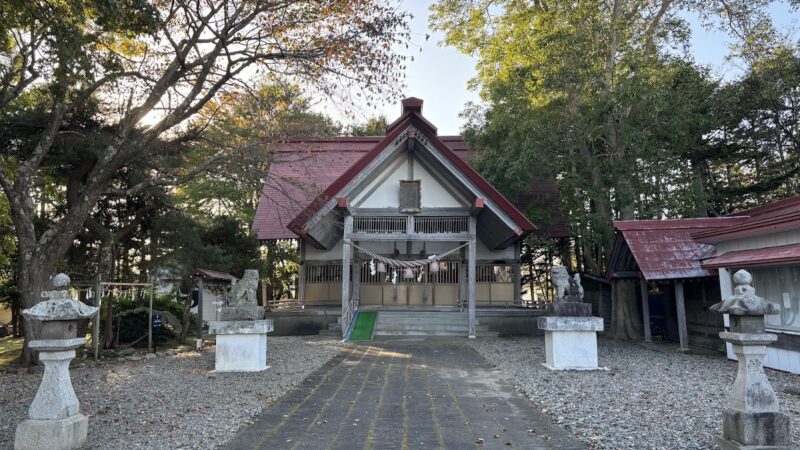
The main hall and worship hall of Nopporo Shrine, built in 1895 (Meiji 28), have maintained the traditional style of shrine architecture despite several repairs. The space from the approach to the worship hall is surrounded by the rich nature of the Nopporo National Forest, displaying different expressions throughout the seasons.
Subsidiary Shrines and Stone Monuments
Several subsidiary shrines and stone monuments are erected within the shrine grounds. These serve as important historical materials that convey the history of the Nopporo region and the hardships and achievements of the immigrants. Subsidiary shrines that attract local devotion, such as the Shajitsu Shrine, are also enshrined here.
Kagura Hall
Surrounded by a forest, the Kagura Hall is an important facility where the Nopporo Daidai Kagura is performed. During the annual festival, many worshippers gather around this hall to watch the traditional dance.
Annual Events and Festivals
Annual Festival (September 1st)
The most important festival at Nopporo Shrine is the annual festival, held every year on September 1st. On this day, various Shinto rituals are performed, including the dedication of the Nopporo Daidai Kagura. The two-day festival, beginning with the eve of the festival on August 31st, is an important event where people from the community gather together.
New Year’s Visit and New Year’s Festival
Many worshippers visit the shrine for their first visit of the year. During the New Year’s Festival, Shinto rituals are performed to pray for safety and prosperity throughout the year, and people from the community pray for happiness in the new year.
Other Annual Events
In addition to the Spring and Autumn Festivals, various ceremonies related to life milestones and daily life are held, such as Shichi-Go-San (a traditional rite of passage for children), exorcism ceremonies, and ground-breaking ceremonies.
Goshuin (Shrine Seals) and Souvenirs
About Goshuin
Goshuin (shrine seals) are available at Nopporo Shrine. However, the chief priest also serves at Oasa Shrine, so he may be absent. Those wishing to receive a goshuin are advised to check in advance.
The goshuin will bear the shrine’s name and the date of visit, and will be stamped with the Nopporo Shrine seal. The goshuin from this shrine, which tells the history of Hokkaido’s development, is a valuable memento of your visit.
Souvenirs
Various souvenirs are available, including amulets, votive tablets, and fortune slips. Amulets for good fortune, family safety, and traffic safety are particularly popular.
Access and Visiting Information
Location
〒069-0853 Nishinopporo, Ebetsu City, Hokkaido
Access by Train
The nearest station is JR Hakodate Main Line “Nopporo Station,” but the shrine is some distance from the station. Taking a taxi from Nopporo Station is recommended. Walking takes approximately 30 minutes.
Access by Car
From Sapporo, take National Route 12 towards Ebetsu city center. The shrine has a parking lot, and the approach road and parking lot are cleared of snow even in winter.
Visiting Hours
While the shrine grounds are generally open for free visits, the shrine office has limited hours. If you wish to receive a Goshuin (shrine stamp) or prayers, it is recommended to check in advance.
Relationship between Nopporo Shrine and Oasa Shrine
The chief priest of Nopporo Shrine also serves at Oasa Shrine in Ebetsu City. Oasa Shrine is a historic shrine founded in the Meiji era as a place of worship for Hokkaido Shrine. Both shrines are important in Ebetsu City and attract local devotion.
The system of having multiple chief priests is common in Hokkaido shrines, allowing a limited number of personnel to manage and operate several shrines.
Relationship with other shrines in Ebetsu City
Differences from Nishikiyama Tenmangu Shrine
Nishikiyama Tenmangu Shrine is also located in the Nopporo district of Ebetsu City. Nishikiyama Tenmangu Shrine was founded in 1889 by the settlement of Nopporo Tondenhei (frontier soldiers), and in 1973, a divided spirit of Sugawara no Michizane was enshrined from Dazaifu Tenmangu Shrine, giving it its current name.
While Nopporo Shrine was founded by civilian immigrants from Niigata Prefecture, Nishikiyama Tenmangu Shrine was founded by Tondenhei from western Japan, including Kyushu. Both shrines are important in understanding the history of the Nopporo district of Ebetsu City.
The Significance of Nopporo Shrine in the History of Hokkaido’s Development
A Spiritual Sanctuary for Immigrants
Nopporo Shrine has played a vital role as a spiritual pillar for immigrants during the development of Hokkaido. For immigrants who left their hometowns and engaged in pioneering work in a harsh natural environment, the shrine was a place of peace and the center of the community.
Inheritance of Niigata Culture
The fact that traditional Niigata culture, including the Nopporo Taidai Kagura, has been preserved in Hokkaido for over 130 years holds significant cultural and historical importance. Nopporo Shrine has functioned not merely as a religious facility but also as a center for cultural transmission.
Formation of a Local Community
Festivals and annual events centered around the shrine played a crucial role in the formation of communities by immigrants in their new land. Nopporo Shrine has promoted social cohesion in the Nishinopporo district of Ebetsu City and contributed to the formation of regional identity.
Manners and Etiquette for Visiting the Shrine
How to Walk the Approach to the Shrine
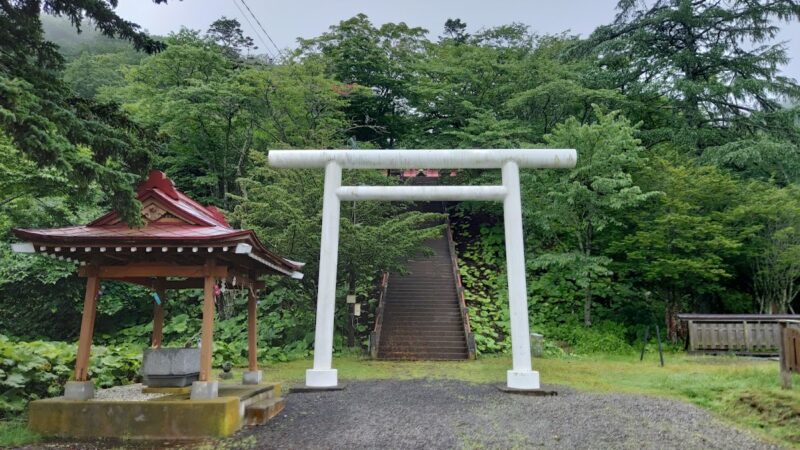
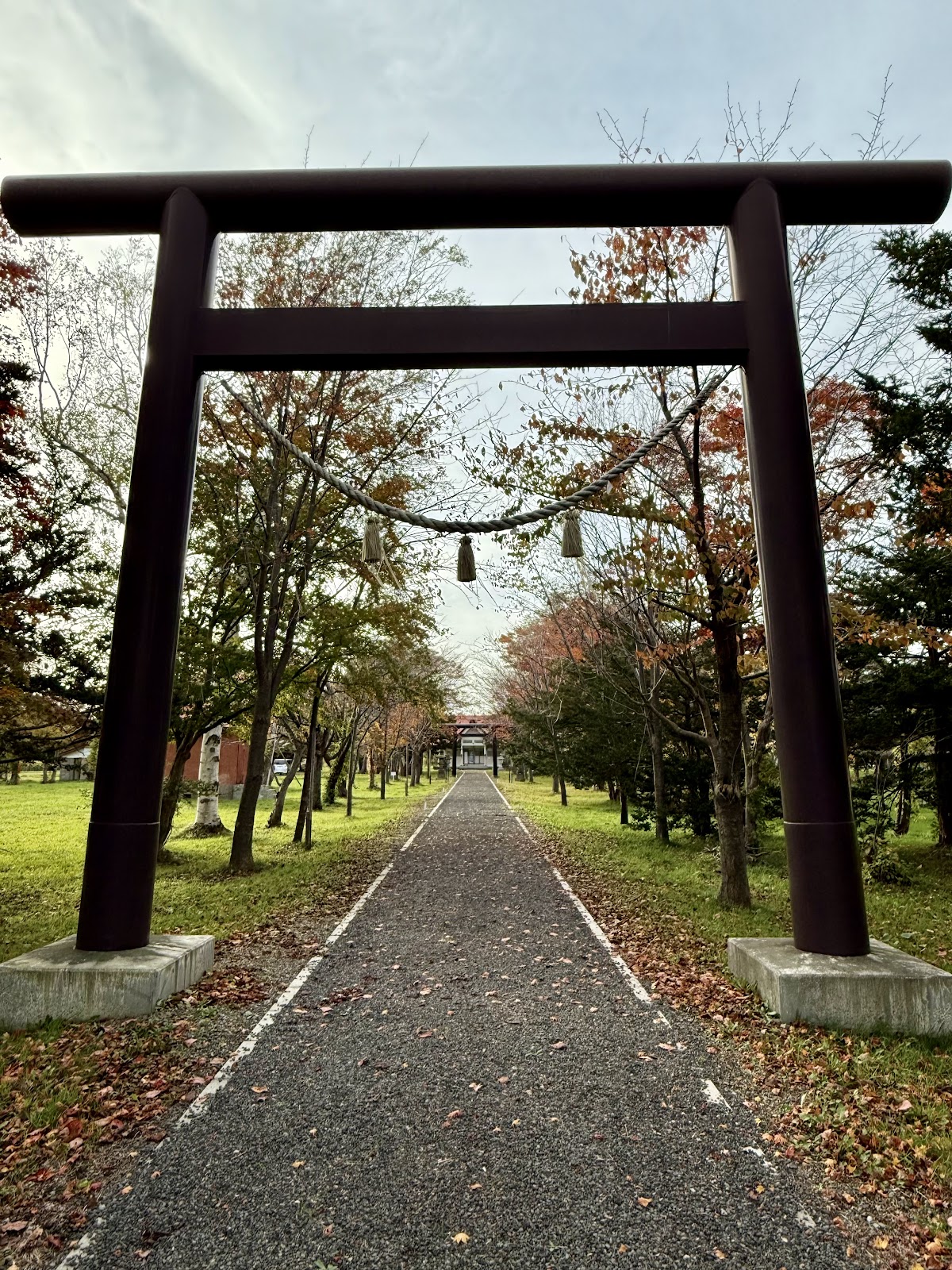
Since the center of the approach to the shrine is considered the path of the gods, it is polite for worshippers to walk along the sides. Bow before passing through the torii gate.
Ritual of Watering
Purify your body and mind at the water basin. Take the ladle with your right hand, purify your left hand, switch the ladle to your left hand and purify your right hand, then switch it back to your right hand, receive water in your left hand, and rinse your mouth. Finally, hold the ladle upright and purify the handle.
Ritual of Worship at the Main Hall
Quietly place your offering in the offering box, and ring the bell if there is one. Worship using the two bows, two claps, one bow ritual. Bow deeply twice, clap twice, and finally bow deeply.
The Four Seasons of Nopporo Shrine
Spring at Nopporo Shrine
As the snow melts, the trees in the shrine grounds begin to bud, ushering in the season of fresh greenery. The Spring Festival celebrates the start of the new year and prays for a bountiful harvest.
Nopporo Shrine in Summer
As the greenery of the Nopporo National Forest deepens, the shrine grounds are enveloped in abundant nature. A tranquil atmosphere permeates the area under the summer sun.
Nopporo Shrine in Autumn
The annual festival on September 1st is the most important event at Nopporo Shrine. It features the dedication of the Nopporo Daidai Kagura dance and attracts many worshippers. During the autumn foliage season, the trees on the shrine grounds are beautifully colored.
Nopporo Shrine in Winter
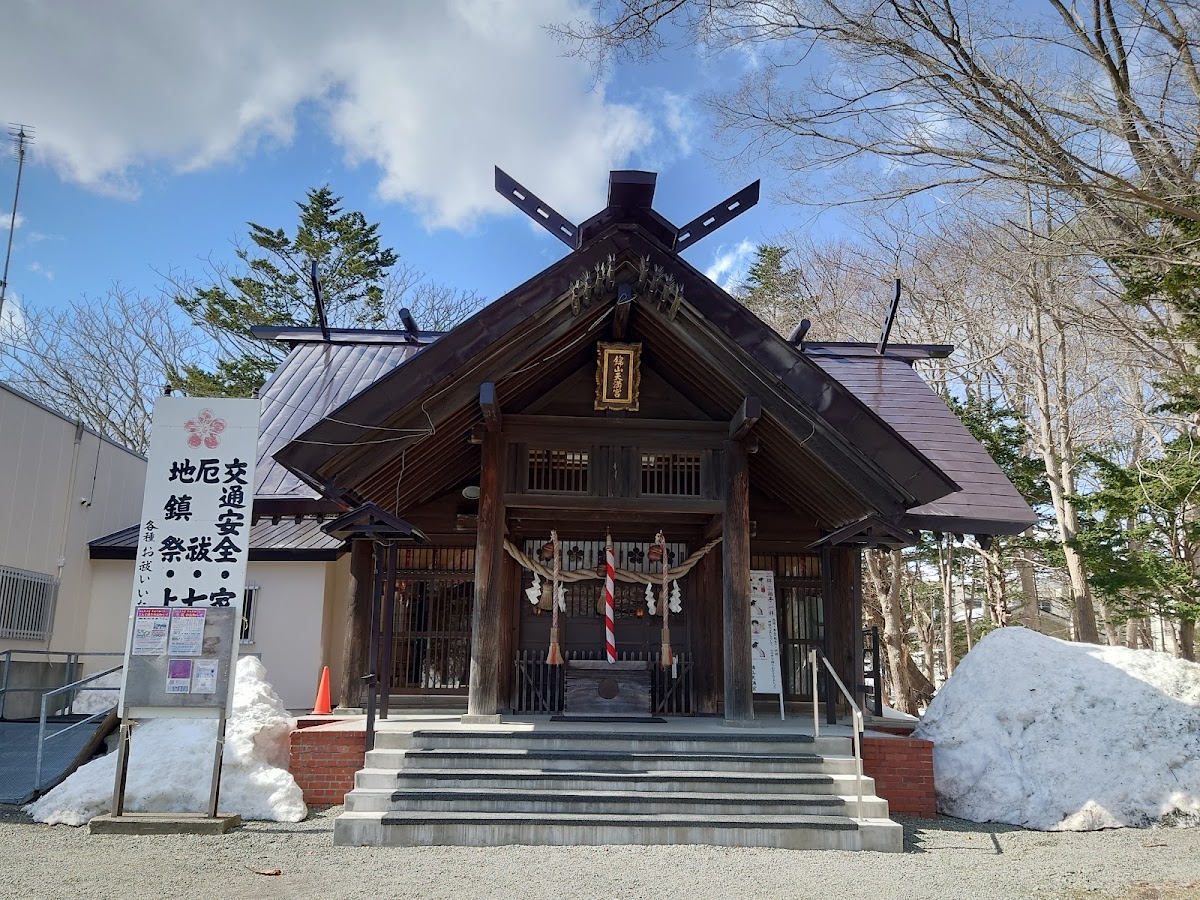
The shrine grounds, covered in snow, are enveloped in a solemn atmosphere. The approach to the shrine and the parking lot are cleared of snow, making it possible to visit even in winter. The shrine amidst the snowy landscape has a unique Hokkaido charm.
History and Development of the Nopporo Area
The Nopporo area has developed primarily through agriculture since its settlement in the Meiji era. Two streams of settlement—private immigration by the Hokushin Colonial Company and settlement by Tondenhei (frontier soldiers)—formed the foundation of this region.
While present-day Ebetsu City has developed as a commuter town for Sapporo, the area around Nopporo Shrine retains a natural environment that evokes the pioneering era. The Nopporo National Forest is a valuable forest area that preserves rich nature despite its proximity to a city.
Relationship with the Hokkaido Shrine Association
Nopporo Shrine is a member of the Hokkaido Shrine Association and works to promote Shintoism along with approximately 600 other shrines in Hokkaido. The Hokkaido Shrine Association handles administrative matters related to shrines in Hokkaido and promotes unique Hokkaido activities and regional activities.
The Hokkaido Shrine Association’s website publishes information on various shrines in Hokkaido, including Nopporo Shrine, which can be used as reference information when visiting.
Summary – The Charm and Value of Nopporo Shrine
Nopporo Shrine is a valuable cultural heritage site that conveys the history of Hokkaido’s development during the Meiji era. Founded by 518 immigrants from Niigata Prefecture as a spiritual haven in the undeveloped land, this shrine has continued to attract local faith for over 130 years.
Nopporo Shrine enshrines three deities: Amaterasu Omikami, Okuninushi Omikami, and Iyahiko Omikami. In particular, the worship of the tutelary deity of Niigata, the birthplace of the immigrants, conveys the longing for their homeland. The continuation of the traditional Nopporo Taidai Kagura dance is also of significant importance in preserving Niigata culture in Hokkaido.
Nearby amidst the tranquil Nopporo National Forest, Nopporo Shrine offers a serene environment where visitors can appreciate the beauty of nature throughout the seasons. It’s a worthwhile visit for anyone interested in the history of Hokkaido’s development, those who enjoy visiting shrines, and those who want to experience local traditional culture.
At the annual festival on September 1st, visitors can enjoy the traditional Nopporo Taidai Kagura dance, directly experiencing the cultural spirit that has continued since the Meiji era. When visiting Ebetsu City, be sure to visit Nopporo Shrine and experience the history of Hokkaido’s development and the feelings of the immigrants.