Complete Guide to Ishiyama Shrine (Sapporo) | The Only Shrine in Minami Ward with a Resident Priest, Located in the Home of Sapporo Soft Stone
Ishiyama Shrine is a shrine located in Ishiyama, Minami Ward, Sapporo City, Hokkaido, under the jurisdiction of the Association of Shinto Shrines (Sapporo Branch of the Hokkaido Association of Shinto Shrines). It is a historical shrine that began as a prayer for the safety of quarry workers in the Ishiyama area, known as a production area for Sapporo soft stone. It is the only shrine in Minami Ward with a resident priest and is a center of local faith.
This article comprehensively explains everything you need to know before visiting Ishiyama Shrine, including its history, enshrined deities, highlights of the grounds, access methods, and information on Goshuin (shrine stamps).
History of Ishiyama Shrine | 138 Years with Sapporo Soft Stone
Discovery of Sapporo Soft Stone and the Development of the Ishiyama Area
The history of the Ishiyama area begins with the discovery of Sapporo soft stone in 1872 (Meiji 5). Sapporo soft stone is a rock formed from pyroclastic flows that cooled and solidified during the eruption that created Lake Shikotsu (Chitose City). It was highly valued as a building material due to its ease of processing and excellent fire resistance.
This region was a source of Sapporo soft stone, and in addition to the indigenous people, quarryers and processing artisans migrated from mainland Japan. Each artisan worshipped their hometown’s guardian deity or the god of their profession, erecting stone monuments in their respective districts to enshrine them.
Founded in 1885
In 1885 (Meiji 18), Ishiyama Shrine was officially established. The history of its founding is said to be the enshrinement of Oyamatsumi-no-kami, the mountain god, to pray for safety during work at the nearby quarry.
The original main deities enshrined were Amaterasu Omikami, Oyamatsumi no Kami, Toyouke Hime no Kami, Hachiman Okami, Kasuga Okami, and others. Multiple deities were worshipped, reflecting the collective faith of artisans who had migrated from various regions.
Relocation in 1910
In 1910, due to population growth and concerns that the area might become a playground for children and defile the sacred grounds, the shrine was relocated to its current location. The shrine was moved from its former site, which was close to residential areas, to a more sacred place.
Construction of the Shrine in 1927
The foundation of the current shrine was completed in 1927 at a total cost of 2000 yen. 2000 yen in today’s value would be a considerable sum, demonstrating the deep faith of the local people.
Incorporation as a Religious Corporation in 1969
Along with the development of the town, the shrine acquired religious corporation status in 1969. During the creation of the shrine’s detailed regulations, after consultation between the founders and caretakers, it was decided that Amaterasu Omikami would be the principal deity, with other deities enshrined in the traditional stone inscriptions (stone monuments) on the side of the shrine building.
Permanent Priesthood in 2006
In 2001, the shrine became the first full-time chief priest in Minami Ward, but due to the lack of a residence, it was initially only registered, starting with irregular service three days a week. Then, in February 2006, with the construction of a shrine office and residence, it became the first shrine in Minami Ward to have a permanently stationed priest.
Minami Ward in Sapporo City is larger than Tokyo’s 23 wards, occupying more than half of Sapporo City’s area, yet Ishiyama Shrine is a unique entity as it is the only shrine with a permanently stationed priest.
Construction of the Shrine Using Ancient Timber from Ise Grand Shrine (2015)
In 2015, we received ancient timber from Ise Grand Shrine and constructed the current shrine. The use of sacred ancient timber from the Ise Grand Shrine’s Shikinen Sengu (periodic rebuilding) is one of Ishiyama Shrine’s most distinctive features.
Deities and Divine Virtues
Main Deity: Amaterasu Omikami
The main deity of Ishiyama Shrine is Amaterasu Omikami. She is the supreme deity in Japanese mythology, revered as the ancestral deity of the Imperial Family and the tutelary deity of all Japanese people. She is the personification of the sun, and is the one who brings the blessings of the sun, the source of life.
Divine Virtues:
- National Peace and Security
- Abundant Harvest
- Good Fortune and Prosperity
- Fulfillment of All Wishes
Deities Enshrined Together
Besides Amaterasu Omikami, the main deity of Ishiyama Shrine, deities that were once worshipped in different regions are enshrined in the form of stone monuments.
Oyamatsumi-no-kami:
Known as the god of mountains, this deity was the first to be enshrined at the founding of Ishiyama Shrine. As the god who protects the safety of quarrying operations, it attracted the faith of craftsmen.
- Divine Virtues: Protection of forests, safety of mines, industrial development
Toyouke-hime-no-kami:
The goddess who presides over food and grains, and is also the enshrined deity of the Outer Shrine of Ise Grand Shrine.
- Divine Virtues: Abundant harvests, protection of food, industrial prosperity
Hachiman Okami: Known as a god of war, this deity enshrines Emperor Ojin as its principal deity.
- Divine Virtues: Long-lasting military fortune, protection from evil and good fortune, prayers for victory
Kasuga Okami: The deities enshrined at Kasuga Taisha Shrine in Nara, this is a collective term for Takemikazuchi-no-Mikoto, Futsunushi-no-Mikoto, Amenokoyane-no-Mikoto, and Himegami.
- Divine Virtues: National protection, family safety, traffic safety
Highlights of the Shrine Grounds
Shrine Building Using Old Materials from Ise Grand Shrine
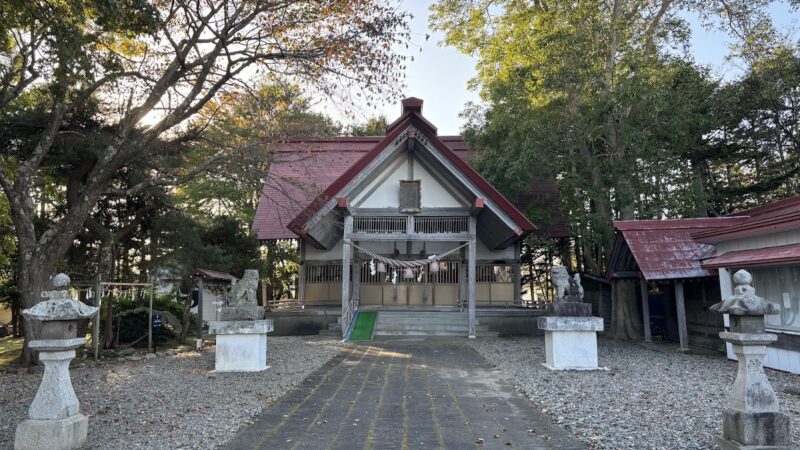
The greatest highlight of Ishiyama Shrine is the shrine building constructed in 2015. It was built using old materials from the Shikinen Sengu (periodic rebuilding) of Ise Grand Shrine, and is enveloped in a sacred atmosphere. Ancient timber from Ise Grand Shrine is bestowed upon shrines throughout Japan, but only a limited number of shrines in Hokkaido use it, making it extremely valuable.
Sapporo Soft Stone Monuments
Within the shrine grounds, several stone monuments made of Sapporo soft stone, inscribed with the deities once worshipped in various districts, are enshrined. These monuments are valuable cultural assets that convey the history of the Ishiyama district and the prosperity of the Sapporo soft stone industry. The inscriptions and carvings on the monuments reveal the high level of skill of the craftsmen of the Meiji and Taisho periods.
Architectural Style of the Shrine
The shrine building, constructed in 1927 (Showa 2), is based on the Shinmei-zukuri style. Its simple yet dignified appearance reflects a robust structure capable of withstanding Hokkaido’s harsh climate.
Natural Environment of the Shrine Grounds
Surrounded by the rich nature of the Ishiyama district, the shrine grounds display different expressions throughout the seasons. Cherry blossoms in spring, fresh greenery in summer, autumn leaves in fall, and snowscapes in winter—you can enjoy the beauty of each season.
Annual Events and Festivals
Festival Date
The annual festival of Ishiyama Shrine is held every September. This is the most important festival for the shrine, where local parishioners and devotees gather to express gratitude to the gods and pray for peace in the community.
New Year’s Visit
From New Year’s Day to the third day of the year, the shrine is bustling with worshippers praying for safety and prosperity in the new year. As the only shrine in Minami Ward with a resident Shinto priest, it serves as a central place for local residents’ New Year’s visits.
Other Annual Events
- New Year’s Day Festival (January 1st): A festival celebrating the New Year
- Setsubun Festival (around February 3rd): A ritual to ward off evil spirits through bean-throwing
- Spring Festival: A festival celebrating the arrival of spring
- Summer Purification Ceremony (June 30th): A Shinto ritual to purify oneself of sins and impurities accumulated over the past six months
- Autumn Festival (September): The most important festival of the year
- Shichi-Go-San Festival (November): A visit to celebrate the growth of children
- Year-End Purification Ceremony (December 31st): A Shinto ritual to purify oneself of sins and impurities accumulated over the past year
Goshuin (Shrine Seal) Information
About the Issuance of Goshuin
At Ishiyama Shrine, since Shinto priests are always present, you can receive a Goshuin when you visit. Goshuin are considered proof of your visit and are cherished as a memento of your connection with the gods.
Features of the Goshuin (Shrine Seal)
The goshuin at Ishiyama Shrine features the words “Ishiyama Shrine” in calligraphy along with the shrine’s seal. It is characterized by a simple yet powerful calligraphy style, and each one is carefully written by the shrine priests.
Issuance Hours
Goshuin are generally issued during the shrine office’s opening hours. We recommend calling ahead to confirm. Especially on days when festivals or Shinto rituals are being held, it may be difficult to provide the seal, so prior confirmation is essential.
About Goshuincho (Shrine Seal Books)
Please inquire at the shrine office regarding the availability of Ishiyama Shrine’s original goshuincho. We also accept goshuincho that you bring with you.
Access Methods
Location
Address: 2-3 Ishiyama, Minami-ku, Sapporo, Hokkaido 005-0842
Access by Public Transportation
Using Subway and Bus:
- Get off at Makomanai Station on the Sapporo Municipal Subway Namboku Line
- From the Makomanai Station Bus Terminal, take the Jotetsu Bus “No. 12” (bound for Jozankei Onsen)
- Get off at the “Ishiyama Elementary School” bus stop
- 2-3 minute walk from the bus stop
Travel Time: Approximately 15 minutes by bus from Makomanai Station
Fare: Approximately 210 yen for one-way adult fare from Makomanai Station to Ishiyama Elementary School (as of 2024)
Access by Car
From Sapporo City Center:
- Head south on National Route 230 (Ishiyama-dori) towards Jozankei
- Estimated time: Approximately 30-40 minutes (may vary depending on traffic conditions)
Parking:
There is parking space for visitors on the shrine grounds. However, congestion is expected during events such as festivals, so using public transportation is recommended.
Landmarks in the vicinity
Ishiyama Elementary School is nearby, and the shrine is located in a residential area. Since it’s slightly off National Route 230, using a map app is helpful for first-time visitors.
Attractions around Ishiyama Shrine
Sapporo Soft Stone Related Facilities
The Ishiyama area is dotted with historical sites and buildings that tell the history of Sapporo soft stone. Visiting the former Sapporo soft stone quarries and historical buildings constructed with soft stone in conjunction with a visit to Ishiyama Shrine is highly recommended.
Jozankei Onsen
Continuing south from Ishiyama Shrine along National Route 230, you’ll find Jozankei Onsen, known as Sapporo’s inner sanctuary. A plan to relax in the hot springs after visiting the shrine is also popular.
Ishiyama Green Space
This park utilizes the site of a former Sapporo soft stone quarry, offering a unique landscape. Artworks are also displayed, creating a space where nature and art blend seamlessly.
Manners and Points for Visiting a Shrine
Basic Worship Etiquette
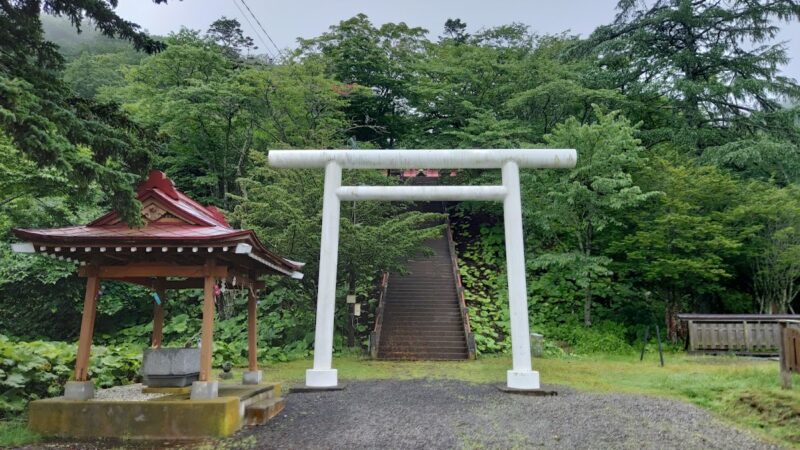
- Bow before passing through the torii gate: This is a courtesy before entering the sacred area.
- Purify your body and mind at the water basin: Purify your left hand, then your right hand, then your mouth.
- Walk along the edge of the path: The center is considered the path of the gods.
- Mannerisms in front of the main hall: Two bows, two claps, and one bow are the basic rituals.
Photography
Photography is generally permitted within the shrine grounds, but please refrain from taking pictures inside the main hall or during religious ceremonies. Also, please be considerate of other visitors.
Clothing
There are no specific dress code requirements, but clean clothing that reflects the sacred nature of the place is desirable. More formal attire is appropriate if receiving prayers.
Prayers and Ceremonies Available at Ishiyama Shrine
Personal Prayers
- Family Safety: Prayers for the health and peace of the family
- Business Prosperity: Prayers for the development and prosperity of the business
- Traffic Safety: Blessing of the car, etc.
- Exorcism: Exorcising misfortune during the unlucky year
- Prayer for Success in Exams: Prayers for success in exams
- Prayer for Safe Childbirth: Prayers for the health of mother and child and a safe delivery
Life Rituals
- First Shrine Visit: The first visit to a shrine after birth
- Shichi-Go-San Ceremony: Celebrating the growth of a child
- Coming-of-Age Ceremony: Reporting one’s coming of age to the gods
- Wedding Ceremony: A wedding ceremony before the gods (consultation required)
If you wish to have a prayer performed, we recommend contacting the shrine office in advance to make a reservation.
The Charm of Ishiyama Shrine | Why is it Loved by So Many People?
A History Rooted in the Community
The greatest charm of Ishiyama Shrine lies in its deep connection to the history of the Sapporo soft stone industry. The shrine, which began as a place of prayer for the safety of craftsmen, has, over 138 years, become a spiritual haven for the local residents.
The Only Shrine with a Resident Priest in Minami Ward
As the only shrine in the vast Minami Ward with a resident priest, the fact that it is always accessible for worship and consultation provides a great sense of security for the local residents.
Connection to Ise Grand Shrine
The shrine’s sanctuary, constructed using ancient materials from Ise Grand Shrine, evokes a sense of connection to Ise Grand Shrine, the center of Japanese Shinto, giving visitors a special and moving experience.
Beauty in Every Season
Surrounded by Hokkaido’s rich natural beauty, the shrine grounds display different expressions with each season, offering a fresh and moving experience with every visit.
Best Season for Visiting Ishiyama Shrine
Spring (April-June)
Hokkaido’s short spring arrives with the melting snow. Cherry blossoms and fresh greenery are beautiful, and you can enjoy a refreshing visit in the crisp air.
Summer (July-August)
The lush green grounds are cool and refreshing, making it ideal for a visit that also serves as a summer retreat.
Autumn (September-November)
September, when the annual festival is held, is the busiest time of year. The beauty of the autumn leaves is exceptional, making it the perfect season for a visit.
Winter (December-March)
The snow-covered grounds are enveloped in a mystical atmosphere. The shrine is especially crowded during the New Year’s visit period. Since the ground can be slippery, we recommend wearing winter shoes.
Summary | Ishiyama Shrine: A Valuable Shrine that Preserves the History of Sapporo Soft Stone
Ishiyama Shrine is a historic shrine that has walked hand in hand with the Sapporo soft stone industry since its founding in 1885 (Meiji 18). Beginning as a place for prayers for the safety of quarry workers, it now serves as the only shrine in Minami Ward with a resident priest, attracting the faith of local residents.
It boasts numerous attractions, including a shrine building constructed using ancient materials from Ise Grand Shrine, a group of stone monuments made of Sapporo soft stone, and beautiful natural surroundings that change with the seasons. The shrine enshrines various deities, including the main deity Amaterasu Omikami, as well as Oyamatsumi-no-kami, Toyouke-hime-no-kami, Hachiman-no-Okami, and Kasuga-no-Okami, offering a variety of divine blessings.
It is accessible by bus from Makomanai Subway Station and is relatively easy to visit from central Sapporo. Goshuin (shrine stamps) are also available, making it a recommended spot for those collecting them.
If you’re interested in the history of Sapporo soft stone, visiting shrines throughout Hokkaido, or simply want to quietly worship at a locally rooted shrine, then you should definitely visit Ishiyama Shrine. You’re sure to have a special experience in its grounds, steeped in 138 years of history.