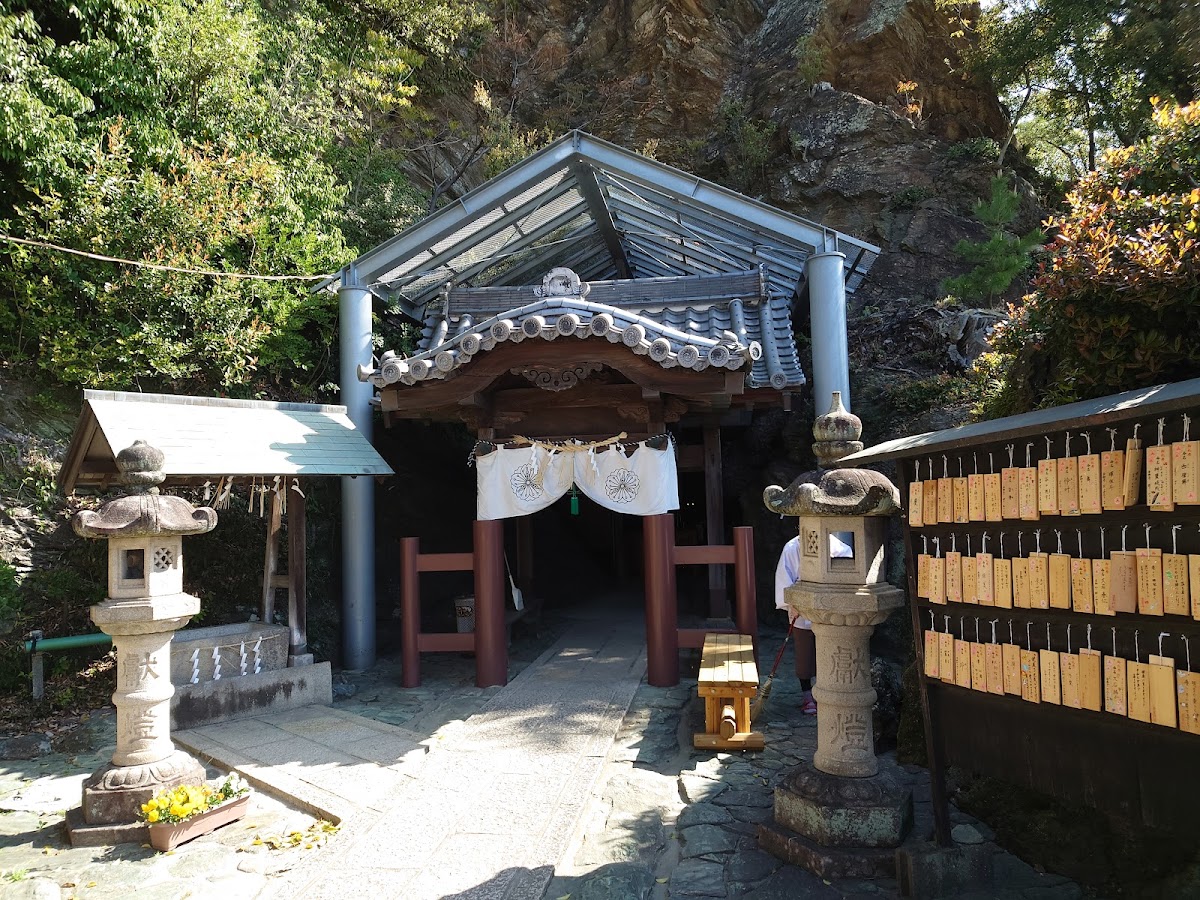
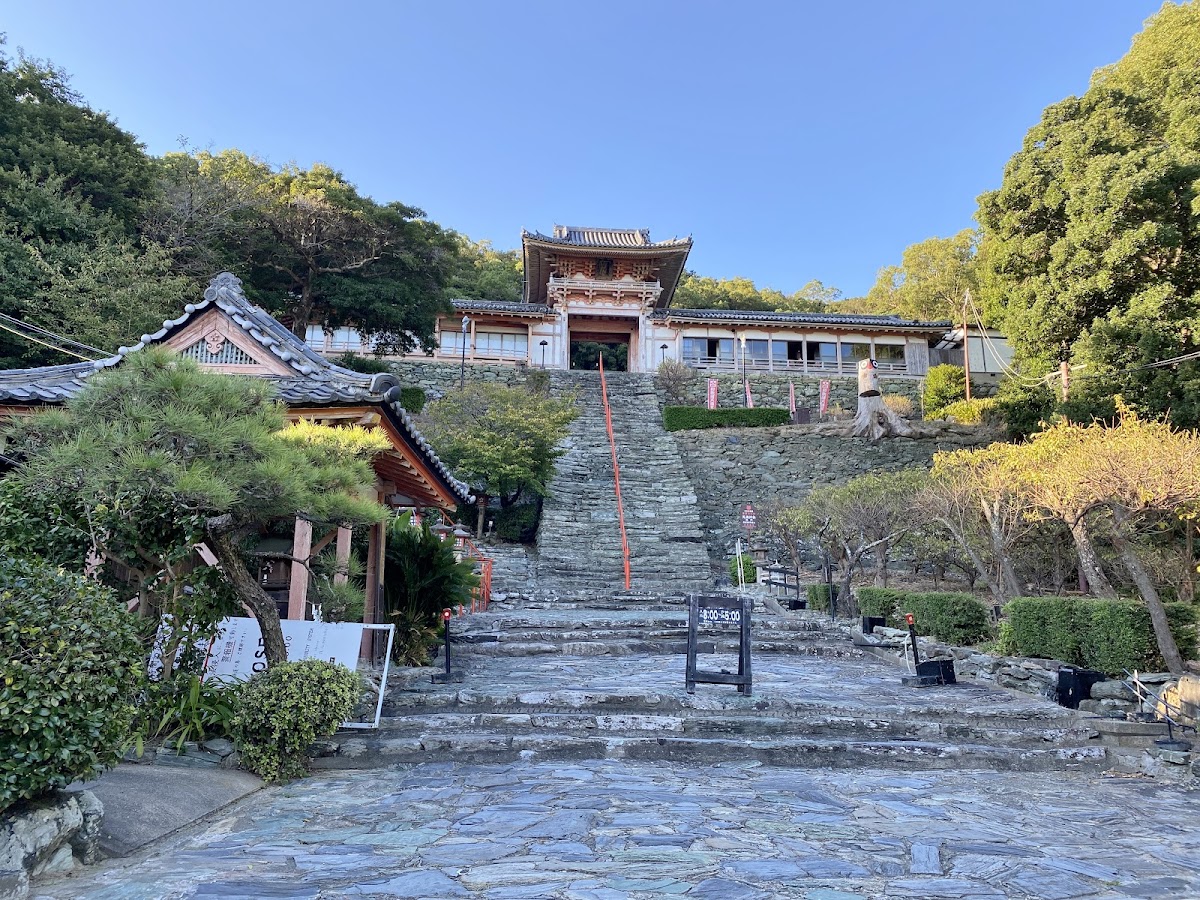
About Kongobu-ji Temple
Kongobu-ji Temple is the head temple of the Koyasan Shingon sect, located on Mount Koya in Wakayama Prefecture. Founded in 816 (Kōnin 7) by Kobo Daishi Kukai, it is a sacred site of Shingon Esoteric Buddhism and boasts a history of over 1,200 years as a religious center overseeing approximately 4,000 branch temples nationwide.
The current Kongobu-ji Temple was formed in 1869 (Meiji 2) through the merger of two temples, Seigan-ji and Kozan-ji. The main hall, rebuilt in 1863 (Bunkyu 3), is characterized by its magnificent architecture featuring a hipped roof and cypress bark roofing.
History of Kongōbu-ji Temple
Founded by Kūkai
Kūkai, the Great Master of Buddhism, selected Mount Kōya as the fundamental training ground for Shingon Esoteric Buddhism after returning from Tang China. He received the land of Mount Kōya from Emperor Saga and built a temple complex on the mountain. Initially, the name “Kongōbu-ji” referred to the entire Mount Kōya, but since the Meiji era, it has referred specifically to the current main temple building.
Connections with Successive Emperors
In 1593 (Bunroku 2), Toyotomi Hideyoshi built Seigan-ji Temple to commemorate his mother, Ōmandokoro. This is the predecessor of the current Kongōbu-ji Temple. During the Edo period, it received patronage from the Tokugawa family and also functioned as the family temple of the Kishū Tokugawa family.
Points of Interest and Highlights for Visitors
Main Hall (Honbo)
The Grand Entrance is the only entrance within Koyasan permitted only to the Emperor and members of the Imperial Family, making it a highly prestigious entrance. General visitors enter through the smaller entrance.
The Great Hall is an important space, including the “Willow Room” where Toyotomi Hidetsugu committed suicide. The fusuma paintings “Cranes in a Group” (an Important Cultural Property), attributed to Kano Tan’yu, adorn all four sides, allowing visitors to appreciate the magnificent screen paintings of the Momoyama period.
Banryu-tei Garden
Known as one of Japan’s largest rock gardens, it features Shirakawa sand and granite arranged on a vast 2,340 square meter site. It depicts a pair of male and female dragons guarding the inner sanctuary from a sea of clouds. It was created in 1984 (Showa 59) to commemorate the 1,150th anniversary of the founding of Koyasan.
Cultural Properties in the Collection
- National Treasure: Eight Great Child Deities (by Unkei, deposited in the Reihokan Museum)
- Important Cultural Property: Kano school works including fusuma paintings “Flock of Cranes” and “Pine Tree and Mountain Birds”
- Temple Treasure: Calligraphy attributed to Kobo Daishi, portraits of successive head priests
New Annex
This building is used for Buddhist ceremonies and rituals. Inside, fusuma paintings depicting the four seasons by contemporary Japanese painters are enshrined. Works by renowned artists such as Yamamoto Kyujin and Uemura Atsushi can be viewed.
Kitchen
The enormous kitchen, lined with large cauldrons (approximately 360 liters each), tells the story of life on Mount Koya, which once supplied meals for thousands of people. The soot reaching the ceiling indicates its long history of use.
Benefits and Faith
Main Benefits
- Academic Achievement and Wisdom: Kobo Daishi Kukai is revered as the god of learning.
- Protection from Evil and Good Fortune: Powerful Goma prayers through Shingon Esoteric Buddhism.
- Healing from Illness: Prayers for healing linked to the worship of Yakushi Nyorai (Medicine Buddha).
- Ancestor Worship: Mount Koya functions as a vast sacred site.
Sutra Copying and Buddha Image Copying Experience
Kongobu-ji Temple offers a sutra copying experience of the Heart Sutra (1,000 yen). You can calm your mind and connect with the teachings of Buddha. The experience takes approximately one hour.
Visiting Information
Visiting Hours and Fees
- Visiting Hours: 8:30 AM – 5:00 PM (Last entry 4:30 PM)
- Admission Fee: 1,000 yen for adults, 300 yen for elementary school students
- Closed Days: None (Open all year round)
Access
Access by Train and Cable Car
- From Osaka: Nankai Electric Railway “Namba Station” → Limited Express Koya to “Gokurakubashi Station” (approx. 90 minutes) → Koyasan Cable Car to “Koyasan Station” (5 minutes)
- From Koyasan Station: Get off at “Senjuinbashi” on the Nankai Rinkan Bus, 5-minute walk (approx. 10-minute bus ride)
Access by Car
- Approximately 40 minutes from the Keina-Wa Expressway “Koyaguchi IC” via National Routes 370 and 480
- Parking: There are several paid parking lots within Koyasan (approximately 500 yen per day).
Nearby Attractions
- Danjo Garan: The central temple complex of Koyasan, including the Kondo Hall and the Konpon Daito Pagoda (10-minute walk)
- Okunoin: The mausoleum of Kobo Daishi and over 200,000 gravestones (15-minute bus ride)
- Reihokan: A museum housing numerous national treasures and important cultural properties (5-minute walk)
Guidelines for Visiting
Kongobu-ji Temple is an active religious facility. Please observe the following manners:
- No shoes allowed inside the temple (please change into slippers)
- Photography is only permitted in designated areas
- Maintain silence and set your mobile phone to silent mode
- Be considerate so as not to disturb the monks’ training
Summary
Kongobu-ji Temple is a sacred site of Shingon Esoteric Buddhism where the spirit of Kobo Daishi Kukai still lives on. The numerous national treasures and important cultural properties, one of Japan’s largest rock gardens, and the solemn atmosphere woven from 1,200 years of history deeply move visitors. When visiting Koyasan, be sure to visit Kongobu-ji Temple, the head temple, and experience the true essence of Japanese Buddhist culture.